This is the Rolling Grace Malaysia Travel Guide, updated with current travel conditions, destination-level detail, and editorial recommendations drawn from time spent on the ground across the peninsula and Borneo.
Malaysia opens up to you slowly, in detail, through food stalls that close before noon, coastlines that shift between monsoon seasons, and towns that carry centuries of trade without making much of it.
The country is split by the South China Sea. Peninsular Malaysia runs south from the Thai border to Singapore. East Malaysia, which includes Sabah and Sarawak, sits across the water on the island of Borneo. Both halves share a name and little else. The terrain, the food, and the pace are distinct enough to treat as separate journeys.
This Malaysia travel guide covers both sides: where to go, what to eat, when the weather holds, how to move between places, and what the country actually requires of you when you are there.
Table of Contents
Where to Go in Malaysia
Malaysia’s key destinations are shaped by geography and regional identity. Kuala Lumpur anchors the peninsula with its financial district, heritage core and integrated transport network, while Penang pairs George Town’s UNESCO-listed streets with a longstanding hawker culture. Langkawi offers protected beaches and island-hopping across the Andaman Sea, and the Cameron Highlands remain known for tea plantations and cooler highland climate.
In East Malaysia, Kota Kinabalu provides access to Mount Kinabalu and marine parks, while Kuching serves as a gateway to Borneo’s rainforests and indigenous heritage. Each destination reflects a different facet of the country, from urban infrastructure to biodiversity reserves.
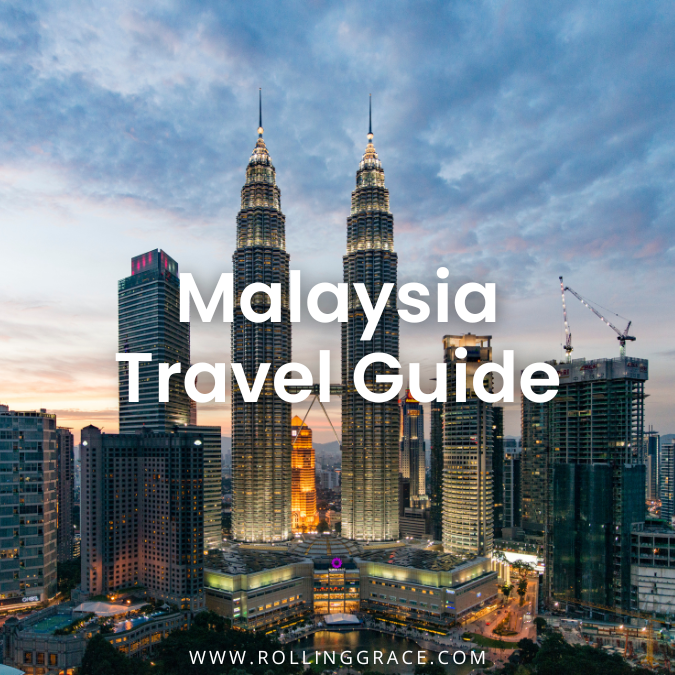
Malaysia Travel Guide: Top Destinations
The Rolling Grace Malaysia Travel Guide covers everything you need to plan an informed trip, from Kuala Lumpur’s urban core to the rainforests of Sabah and Sarawak.
Kuala Lumpur
Kuala Lumpur is the entry point for most visitors and functions well as one. It is dense, fast in parts, and built for movement. Petronas Twin Towers mark the skyline. Daily life happens lower down, in kopitiam breakfasts, banana leaf lunches in Brickfields, late meals in Kampung Baru.
The city is better understood through neighbourhoods than landmarks. Spend time in the older parts. Walk Masjid India, cross into Chow Kit, follow the food rather than the map.

One Day in Kuala Lumpur Itinerary: 8 Best Places to Visit
One day in Kuala Lumpur is enough to understand its contrasts, where glass towers rise above century-old domes and street…
Penang
Penang divides into island and mainland. George Town, on the island’s northeastern corner, holds a UNESCO World Heritage designation for its historic centre. Clan jetties, pre-war shophouses, and a hawker culture built over generations sit within the same few square kilometres.
Food is the reason most people stay longer than planned. Asam laksa, char kuey teow, nasi kandar, cendol. Each dish has a kitchen that does it correctly and several that do not. Finding the difference takes time and is worth it.
Langkawi
Langkawi is a duty-free island in the Andaman Sea, part of the Langkawi UNESCO Global Geopark. It has an international airport and road infrastructure that most Malaysian islands do not. Beaches run along the northwest and west coasts. The interior is forest and limestone. The island suits travellers who want ease, including flights, rental cars, full-service resorts, without leaving Malaysian territory. It is more developed than any other island on the peninsula and handles visitor numbers accordingly.

9 Best Restaurants in Langkawi For Great Dining Experience
Restaurants in Langkawi are best defined by kitchens that cook with confidence, familiarity, and a clear sense of place, where…
Melaka
Melaka is compact and best navigated on foot. The city’s colonial past is visible in its architecture without being removed from daily function. Old shophouses are still in use. Heritage buildings mark a trading history that brought Portuguese, Dutch, and British influence into a predominantly Malay and Baba Nyonya culture.
Eat Nyonya food. Visit the Baba Nyonya Heritage Museum. Walk the same streets more than once.
Cameron Highlands
The Cameron Highlands sit at altitude in the Titiwangsa Range and run cooler than the rest of the peninsula. Tea plantations define the landscape. Boh Tea Estate is the most established. Strawberry farms operate across the plateau.
The Highlands are a two-to-three-hour drive from Kuala Lumpur and are often done as a single overnight stop on a longer northern route. The market at Brinchang closes early. Rain arrives without warning at altitude.
Sabah
Sabah occupies the northern tip of Borneo. Mount Kinabalu which is at 4,095 metres the highest peak in Southeast Asia outside the Himalayas, dominates the interior. Permits for the summit climb are controlled and sell out months ahead.
Kota Kinabalu is the state capital and gateway for island hopping in the Tunku Abdul Rahman Marine Park. Dive sites around Sipadan are considered among the best in the world. Access is limited by daily permit quotas and must be arranged through licensed operators.

Tuaran Mee in Sabah: Golden Noodle Worth Travelling For
Discovering Tuaran Mee in Sabah, Malaysia To understand a place, eat what locals were eating before anyone thought to photograph it.…
Sarawak
Sarawak is Borneo’s largest state and contains some of the oldest rainforest in the world. Kuching is the capital and works as a base for exploring longhouse communities, national parks, and the Sarawak River delta.
Bako National Park, thirty minutes from Kuching by boat, is the most accessible park in Sarawak and home to proboscis monkeys. The Iban longhouses along Batang Ai offer cultural visits that require care and context to approach responsibly.
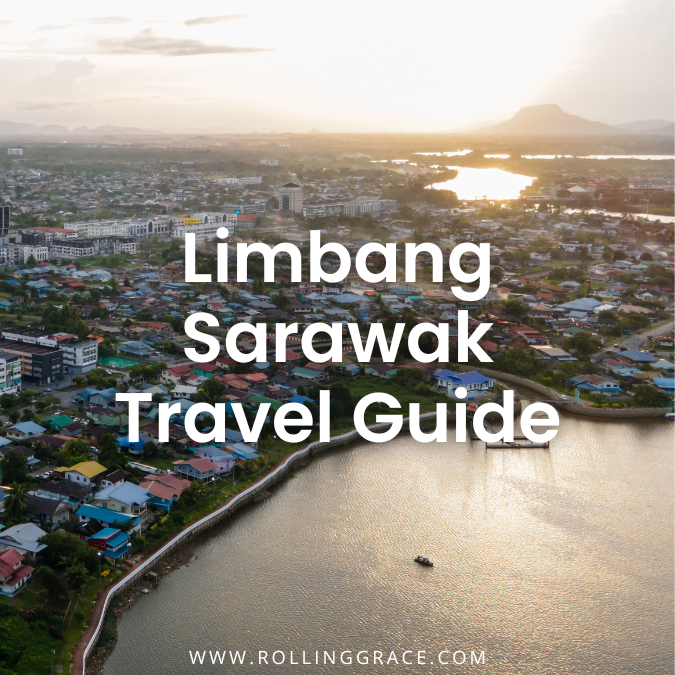
Limbang Sarawak: 7 Things to Know Before You Visit This Border Town
Tucked between the two separated halves of Brunei lies one of Borneo’s most geographically intriguing towns. Limbang Sarawak is modest…
Best places to visit in Malaysia

8 Best Things to Do at Pantai Tanjung Biru, Port Dickson
Low tide at Pantai Tanjung Biru pulls the sea back and leaves a working exhibit behind: crab holes punched into wet sand, clams breathing…
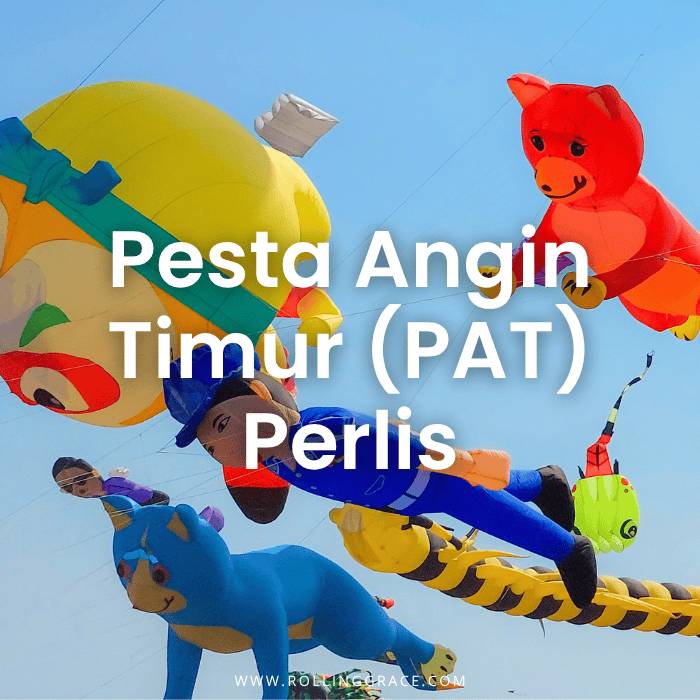
5 Best Reasons to Visit Pesta Angin Timur Perlis Festival
Once a year, when the cool easterly wind sweeps across Malaysia’s smallest state and the last of the paddy has been cut, Perlis throws…

5 Most Stunning Things to Do in Kota Kinabalu, Sabah
Weighing up the best things to do in Kota Kinabalu means choosing between islands, rainforest, and night-market plates. Kota Kinabalu is two and a…

Kampung Raga Homestay: 6 Features of Authentic Malay Village
I spent two days at Kampung Raga Homestay in Yan, Kedah, staying with a foster family and eating everything they put in front of…
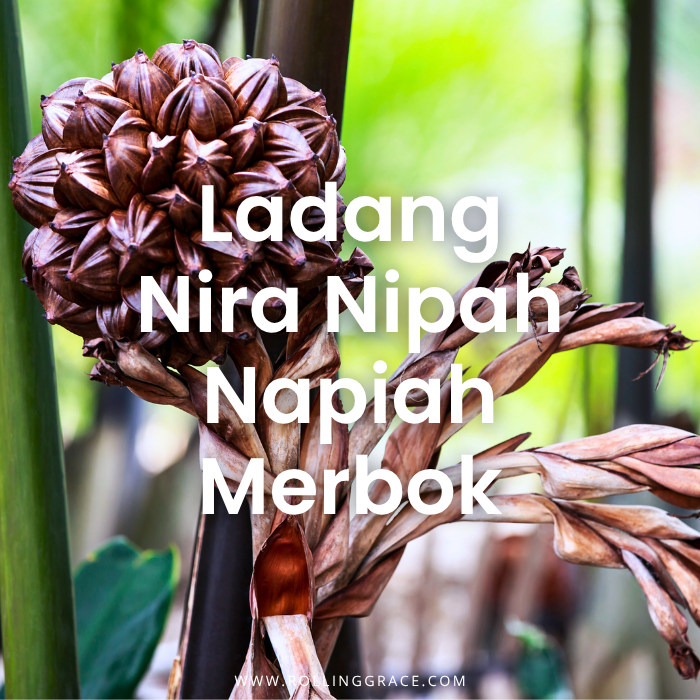
Ladang Nira Nipah Napiah: 6 Best Things to Do in Merbok
You walk through a paddy field on a back road in Merbok, past Mount Jerai standing in the distance, and the path opens into…

Things to Do in Sungai Lembing: 8 Best Pahang Attractions
Looking for the best things to do in Sungai Lembing? Start at 700 metres below the surface. The mine sits 700 metres below the…
Something went wrong. Please refresh the page and/or try again.
Where to Eat in Malaysia
Malaysia’s food culture is anchored in geography and migration. Coastlines along the Strait of Malacca and the South China Sea shape seafood traditions, border states reflect long-standing Thai and Indonesian exchange, and Indian and Chinese communities have left lasting imprints on everyday cooking.
Each region carries its own markers. Penang’s hawker culture differs from Johor’s southern flavours, Kelantan leans sweeter, Negeri Sembilan builds depth through coconut and chilli, and East Malaysia brings forest produce and river fish into daily meals. There is no single national taste, only layered regional identities shaped by trade, agriculture and history.
At Rolling Grace, our Malaysia travel guide focuses on where standards hold beyond peak travel seasons. We pay attention to breakfast stalls serving nasi lemak at first light, night markets that rotate through neighbourhoods, and family-run restaurants that maintain recipes across decades. We look at how seafood is sourced, which hawker stalls draw consistent queues, and which kitchens merit planning your day around. The distinction is clear. Some places are convenient. Others define how a destination is understood through food.
Best food in Malaysia


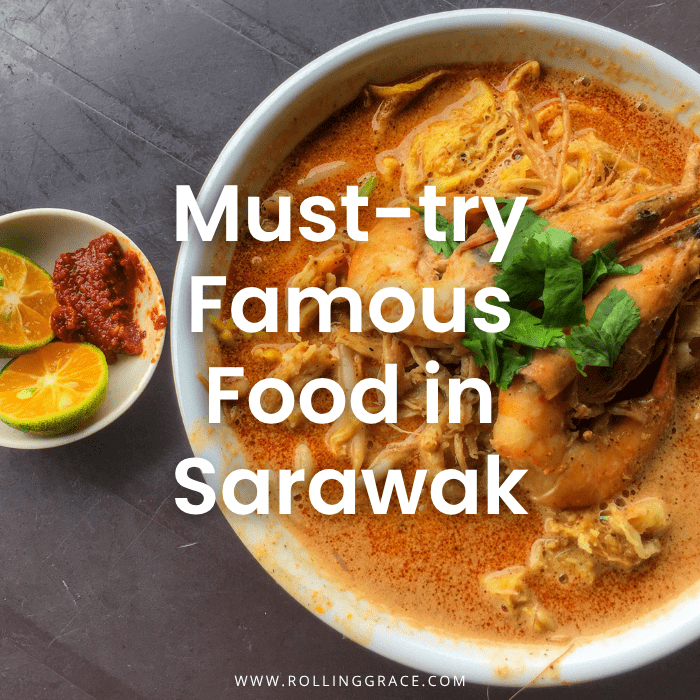
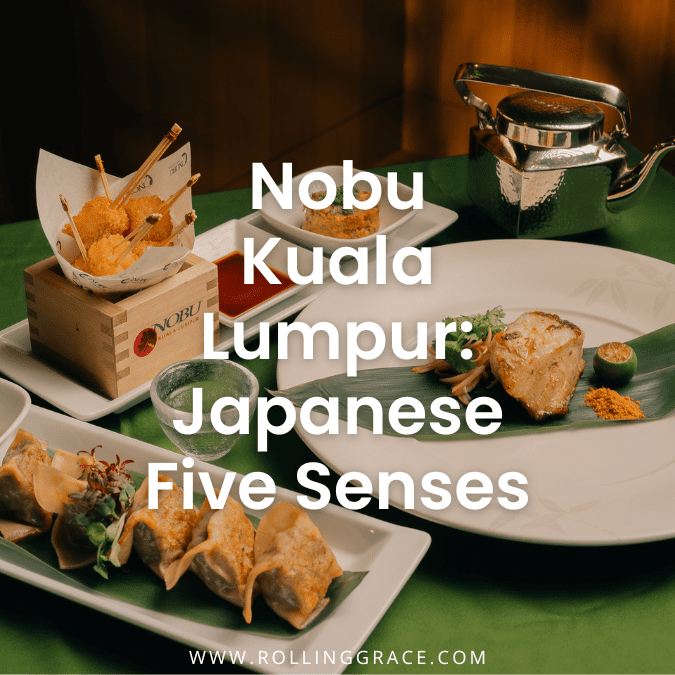
Something went wrong. Please refresh the page and/or try again.
Best Time to Visit Malaysia
Malaysia sits near the equator and receives rain year-round, but timing still matters. The difference is which coast is affected and when. The west coast of Peninsular Malaysia, including Kuala Lumpur, Penang, Langkawi, and Melaka, is most affected by the southwest monsoon between May and September and by shorter northeast monsoon effects between October and December. The dry season on the west coast runs roughly from December to April.
The east coast, Terengganu, Kelantan, and the islands along the South China Sea, closes partially during the northeast monsoon, typically November through February. Most east coast islands suspend ferry services during this period. If visiting Perhentian, Redang, Kapas, or Tioman, plan between March and October.
East Malaysia follows its own pattern. Sarawak receives rain throughout the year, with the heaviest months between October and February. Sabah is more variable, with the driest periods usually running from March to August. Neither side closes to travel during wet months, but river levels, trail conditions, and wildlife visibility shift.
Malaysia’s peak domestic travel periods fall around school holidays and public holidays. Chinese New Year, Hari Raya Aidilfitri, and the school breaks in June and December push accommodation prices up and increase road traffic. Booking ahead matters more during these windows.
Islands in Malaysia
Malaysia’s islands split by coast. The east coast of the peninsula, including Terengganu and Pahang, holds the reef islands. The west coast offers Langkawi. East Malaysia has the Tunku Abdul Rahman Marine Park in Sabah and smaller, less-visited islands in Sarawak.
East coast islands operate seasonally. The northeast monsoon closes ferry routes between November and February for most. Travel outside the window of between March and October for reef access, clear visibility, and open accommodation.

Islands in West Malaysia: Discover 7 Most Beautiful Paradise
Islands in West Malaysia stretch along the peninsula’s east and northwest coasts, where coral reefs, forested hills, and protected marine…
Malaysia Travel Guide & Tips
- Currency: Malaysian Ringgit (MYR). Cards are widely accepted in cities. Cash remains necessary at hawker stalls, markets, and rural areas.
- Language: Bahasa Malaysia is the national language. English is widely spoken in cities, tourist areas, and most accommodation. In smaller towns and rural Sabah and Sarawak, communication may require patience and slower speech.
- Religion: Islam is the official religion. Mosques observe prayer schedules. During Ramadan, eating in public during fasting hours requires awareness of location and context.
- Electricity: 240V, UK-style three-pin plugs. Adaptors are available everywhere.
- Mobile and connectivity: SIM cards from Maxis, Digi, and Celcom are available at airports and convenience stores. Coverage is strong in cities and along major highways. Remote forest areas have limited signal.
- Tipping: Not expected, but not refused. Service charges are included at most restaurants.
Travelling Responsibly in Malaysia
Malaysia’s forest cover has reduced significantly over the past fifty years. Remaining reserves are protected but under continued pressure from development. When visiting national parks, forest reserves, and marine protected areas, follow access restrictions as given. They exist for reasons that remain valid even when inconvenient.
In towns and cities, daily schedules are shaped by prayer times, family business hours, and neighbourhood routines that do not exist for visitors. Eat where locals eat. Dress appropriately in shared and religious spaces without needing to be told. The country’s diversity – Malay, Chinese, Indian, and the many indigenous communities of Borneo – is not a backdrop. It is the point.
Wildlife tourism in Malaysia requires caution. Sanctuaries that offer direct animal contact rarely operate in ways that benefit the animal. Responsible wildlife experiences in Borneo involve distance, guides, and no guarantees. That is how they should work.
Complete Malaysia Travel Guide
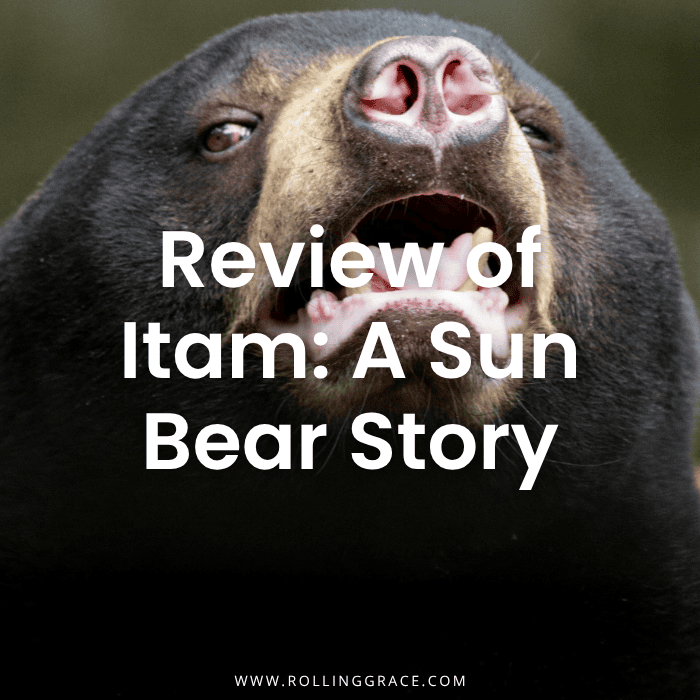
Itam A Sun Bear Story: 7 Great Facts About the Documentary
The opening shot of Itam: A Sun Bear Story puts you inside a Bornean rainforest…
20 Delicious Malaysian Rice Dishes You Must Try
At a Nasi Kandar counter in George Town, Penang, I once watched a man layer…
8 Best Things to Do at Pantai Tanjung Biru, Port Dickson
Low tide at Pantai Tanjung Biru pulls the sea back and leaves a working exhibit…
10 Best Halal Dim Sum in KL for a Pork-free Chinese Feast
A basket lands on the table, the lid comes off, and steam rolls out over…
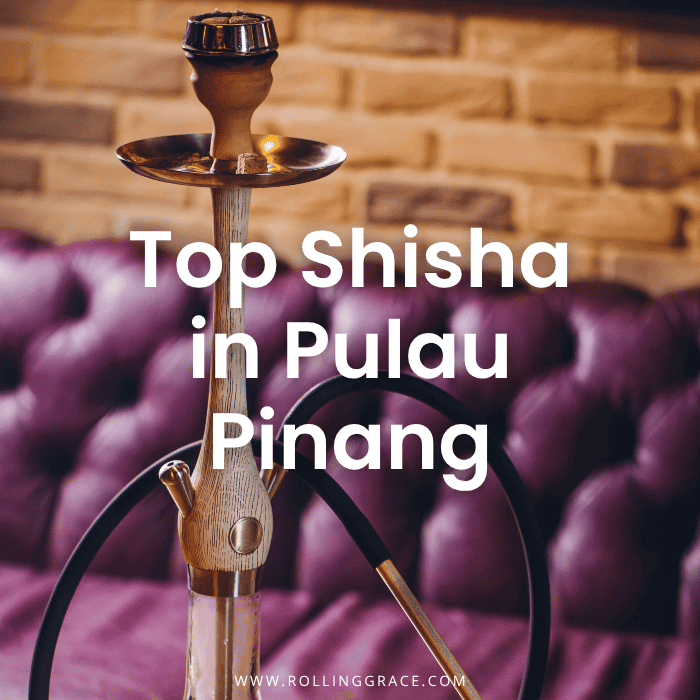
10 Best Shisha in Penang: Exciting Island Hookah Experience
I spent a week working my way through Penang’s shisha scene, from Arabic restaurants in…
Putrajaya Seafood Restaurant: 6 Best Halal Chinese Dishes
Butter prawns, a whole steamed grouper in lime sauce, and a lake breeze doing the…

Jameson Distilled Sounds Malaysia: 5 Amazing Collaborations
Five original songs, ten Malaysian musicians, and a nationwide tour that ended in one room…
5 Best Reasons to Visit Pesta Angin Timur Perlis Festival
Once a year, when the cool easterly wind sweeps across Malaysia’s smallest state and the…
Something went wrong. Please refresh the page and/or try again.