Tucked between the two separated halves of Brunei lies one of Borneo’s most geographically intriguing towns. Limbang Sarawak is modest in scale yet significant in position. It is quiet, culturally layered, and shaped by history in ways few other Malaysian towns can claim.
Located in northern Sarawak along the Limbang River, this small town physically divides Brunei into two territories. Its existence reflects colonial negotiations, agricultural wealth, river trade, and modern cross-border life. While it may not appear on every traveller’s radar, Limbang offers insight into Southeast Asia’s complex geography and cultural intersections.
For those curious about lesser-known corners of Borneo, Limbang reveals a story worth understanding.
Read also: 10 Best Things to Do in Limbang, Sarawak You Should Not Miss
Where Is Limbang Sarawak Located
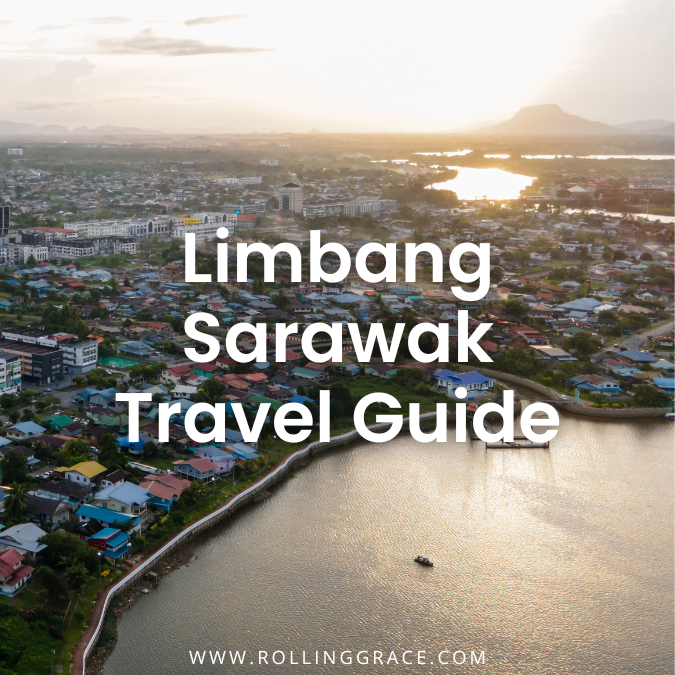
Limbang Sarawak is situated in northern Sarawak, East Malaysia. What makes it geographically remarkable is its position between Brunei’s western district of Brunei-Muara and its eastern district of Temburong.
Because of this placement, Limbang is effectively enclosed by Brunei on both sides. Overland travel from Limbang to other major Sarawak towns such as Miri requires passing through Bruneian territory. This unique positioning shapes both daily life and travel logistics.
Historically, the town was known as Pangkalan Tarap. The word “pangkalan” refers to a small port, reflecting its early role as a river trading hub. “Tarap” is the name of a local fruit resembling durian but with softer spines. As the settlement expanded and merged with nearby districts, it adopted the name Limbang, derived from the river that continues to define the town’s landscape.
The Limbang River remains central to the town’s identity, both historically and visually.
Limbang Sarawak History and the Brunei Connection
The history of Limbang Sarawak is closely tied to Brunei and British colonial expansion in the late nineteenth century.
At one time, Limbang was economically vital to Brunei due to its rice and sago production. It was often referred to as Brunei’s rice bowl. However, tensions arose in 1884 when local residents rebelled against high taxation under Bruneian rule.
During this period, British influence expanded under the leadership of Charles Brooke of the Brooke dynasty in Sarawak. Trusan was ceded in 1885, followed by Padas in 1887. Limbang, however, remained contested due to its strategic and economic value.
In September 1888, Brunei entered into a protectorate agreement with Great Britain. By March 1890, Charles Brooke declared Limbang part of the Kingdom of Sarawak.
In the mid-twentieth century, Brunei revisited discussions regarding territorial claims. However, no formal change occurred, and Limbang remains part of Malaysia today.
This layered colonial history continues to influence perceptions of Limbang, particularly given its geographic placement between two parts of Brunei.

Why Limbang Is Between Two Parts of Brunei
A frequent question surrounding Limbang Sarawak concerns its unusual geography. The division of Brunei into two separate territories occurred as Sarawak expanded under the Brooke administration and incorporated Limbang.
This resulted in Brunei being geographically separated by Malaysian territory. Today, Limbang stands as a Malaysian town positioned between Brunei’s two districts.
This unique arrangement affects:
- Border crossings
- Trade movement
- Travel routes
- Social interaction
Many residents are accustomed to crossing borders for work, education, and daily activities. The fluidity of movement between Limbang and Brunei contributes to the town’s distinct character.

Limbang Sarawak Population and Cultural Landscape
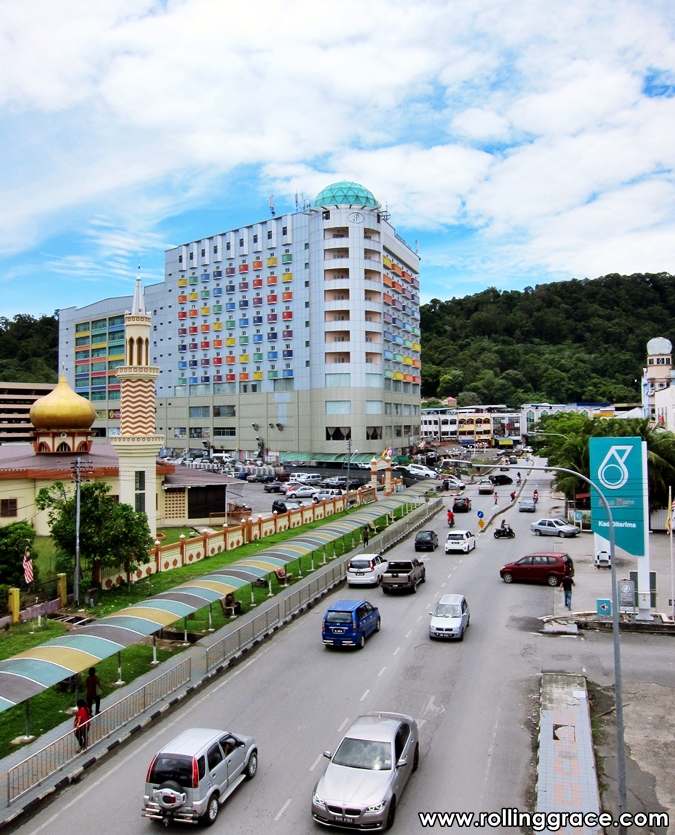
Limbang’s population reflects the broader diversity of northern Borneo, with Brunei Malays, Kedayan and Iban forming the primary communities alongside Chinese, Lun Bawang, Kelabit, Bijaya, Penan and Tabun groups. The town has historically functioned as a meeting point for these communities, and that layered makeup remains visible in its daily life and built environment.
Mosques, temples and community associations sit within close proximity of one another, and the town moves at a pace shaped by family networks, small businesses, agricultural activity and communal gatherings rather than commercial development.
Limbang has not followed the trajectory of more rapidly urbanised Malaysian towns, and its identity remains tied to shared traditions and a landscape that has changed gradually rather than abruptly.


Things to Do in Limbang Sarawak
Travellers searching for things to do in Limbang Sarawak will find experiences rooted in authenticity rather than large-scale attractions.
Limbang River and Sunset Views
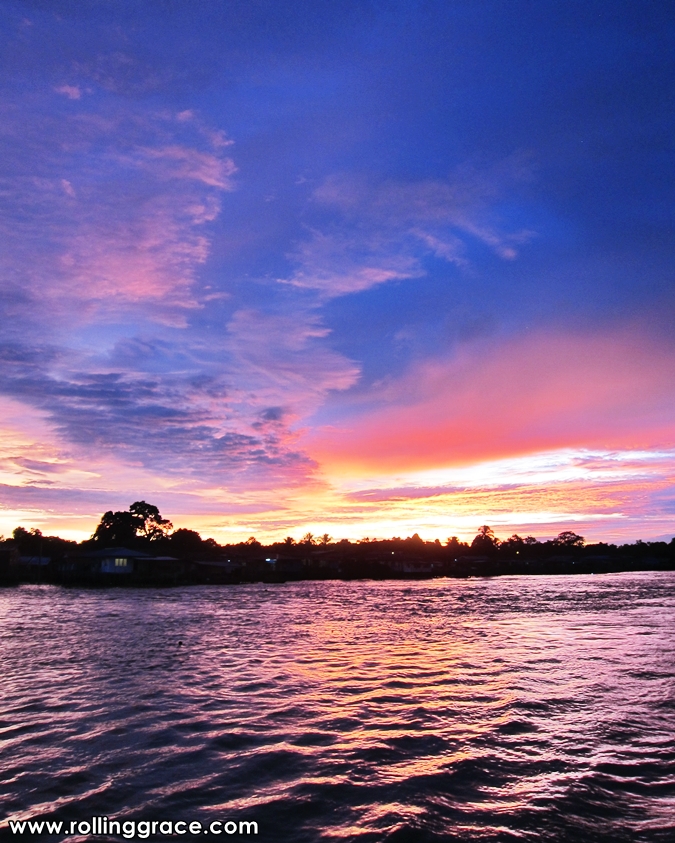
The Limbang River remains the town’s focal point. As evening approaches, the sky reflects softly over calm waters, offering one of the most peaceful sunset settings in northern Sarawak. The riverbank provides space for quiet walks and unhurried reflection.
Traditional Wooden Shophouses
Rows of wooden shophouses line parts of the town, preserving architectural styles that echo earlier decades of Bornean trade towns. These structures contribute to Limbang’s understated charm.

Local Markets and Produce
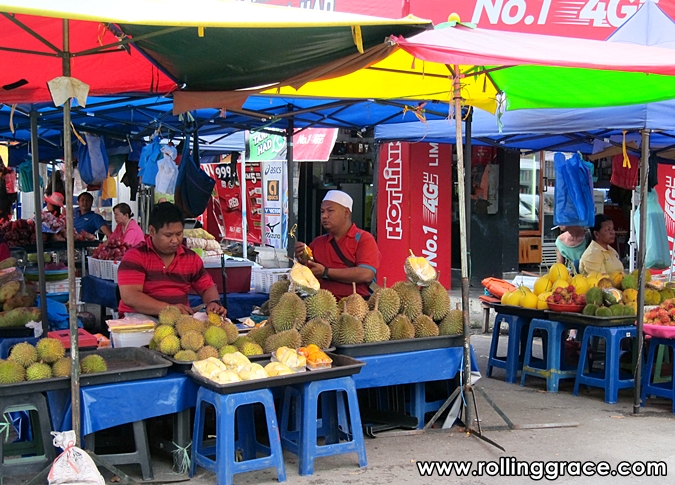
Markets reveal the town’s agricultural backbone. Visitors will encounter fresh produce, pepper, rattan goods, oil palm products, and seasonal fruits including durian and tarap.
These markets are functional spaces rather than curated attractions. They provide a glimpse into everyday life and regional produce.

Limbang Sarawak Economy and Agriculture
The Limbang Sarawak economy continues to rely on agriculture and timber. Oil palm plantations, pepper cultivation, and rattan production form key components of local livelihood.
Historically, rice and sago production elevated Limbang’s importance within Brunei’s food supply. Today, agriculture remains central to the region’s economic stability.
While Limbang does not exhibit the commercial scale of larger Sarawak cities, its rural-commercial balance contributes to its consistency and character.
Cross-Border Movement Between Limbang and Brunei
Due to its position, cross-border movement plays a natural role in daily life. Many individuals travel between Limbang and Brunei for shopping, dining, and services.
Because Limbang is not directly connected by road to the rest of Sarawak without passing through Brunei, border crossings are routine rather than exceptional.
This interaction has shaped Limbang’s economy and reputation as a convenient town for nearby Bruneian residents.
How to Get to Limbang Sarawak
Travellers planning a visit often inquire about transport options.
By Land
From Bandar Seri Begawan, buses travelling toward Kota Kinabalu pass through Limbang. Overland travel between Sarawak and Sabah requires crossing Brunei due to geographic boundaries.
By Air
Limbang Airport is located approximately five kilometres from town. Domestic flights connect Limbang with other parts of Sarawak.
Due to its border location, travellers should prepare for immigration procedures when crossing between Malaysia and Brunei.
Is Limbang Sarawak Worth Visiting
Limbang Sarawak is not designed as a high-intensity tourist destination. It does not offer major entertainment districts or luxury developments.
Its appeal lies in:
- Unusual border geography
- Colonial-era history
- Multicultural community life
- Agricultural markets
- Peaceful river scenery
For travellers interested in Southeast Asian political geography, regional history, and lesser-known towns, Limbang offers subtle but meaningful insight.
It remains modest, culturally grounded, and geographically distinctive. In a region known for rapid development, Limbang stands as a reminder of how history and geography continue to shape everyday life.
Get the good stuff first. Join Rolling Grace for the restaurants worth crossing a city for, the stays worth the upgrade, and the places to go before everyone else. Free, straight to your inbox.
Leave a Reply