
Bajau Laut Mabul is home to one of the last communities on earth who were born at sea, raised at sea, and have never needed a reason to come ashore.
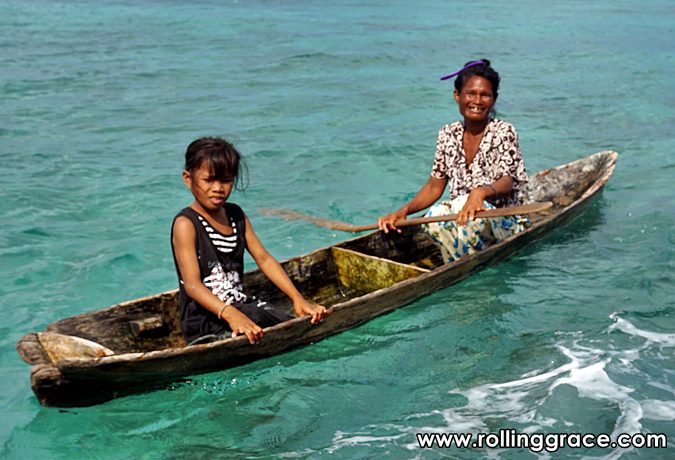
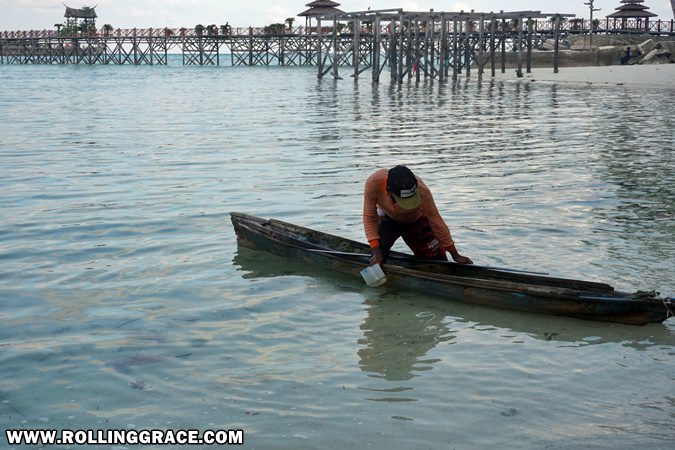
The boats appear before the island does. Low wooden vessels moving across water so clear you can see the reef below, handled by people who look entirely at home on a surface most visitors only pass through.
The Bajau Laut of Sabah have been living this way for centuries. That the modern world has largely failed to accommodate them has not, so far, moved the sea.
Read also: Mabul Island Sabah: Meet 2,000 Bajau Laut in Kampung Mabul

Where is Pulau Mabul
Pulau Mabul sits in the Celebes Sea off the east coast of Sabah, within the Semporna archipelago that has become one of the world’s most visited dive destinations.
Before the resorts arrived, the islands around Semporna belonged to scattered Bajau and Suluk families who moved between them without asking permission from anyone, because there was no one to ask. Eco-tourism development began reshaping the area before 1980. The Bajau Laut stayed.

History of the Bajau Laut Mabul of Sabah
The Bajau Laut are the seafaring branch of the broader Sama-Bajau ethnic group, whose ancestral range stretches across the maritime waters shared by Malaysia, the Philippines, and Indonesia.
They are distinct from the Bajau Darat, their land-settled counterparts, in that their cultural identity is built entirely around the ocean. The name means sea Bajau. In Sabah they are also known locally as Pala’u or Pelaut. The term Sea Gypsies is widely used but it is an outsider’s label, not their own.
Their oral history varies across communities but one account widely told among the Sabahan Bajau traces their origins to Johorean royal guards who escorted a princess toward Sulu and, having lost her to a rival sultan mid-voyage, chose to remain in Borneo’s waters rather than return home. It is a story about people who stayed where the sea took them, which is as accurate a description of Bajau Laut Mabul history as any.
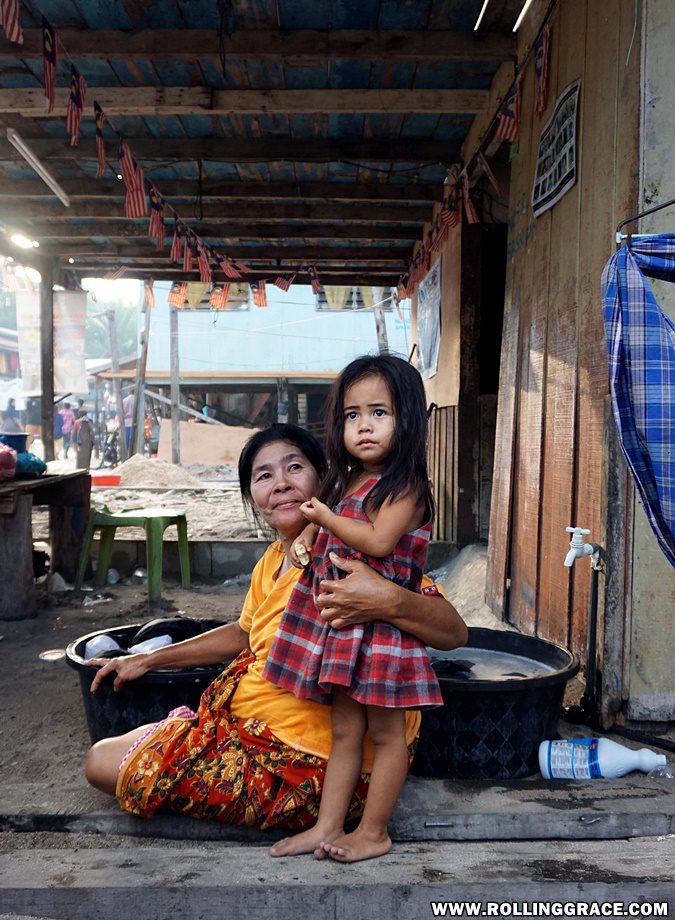




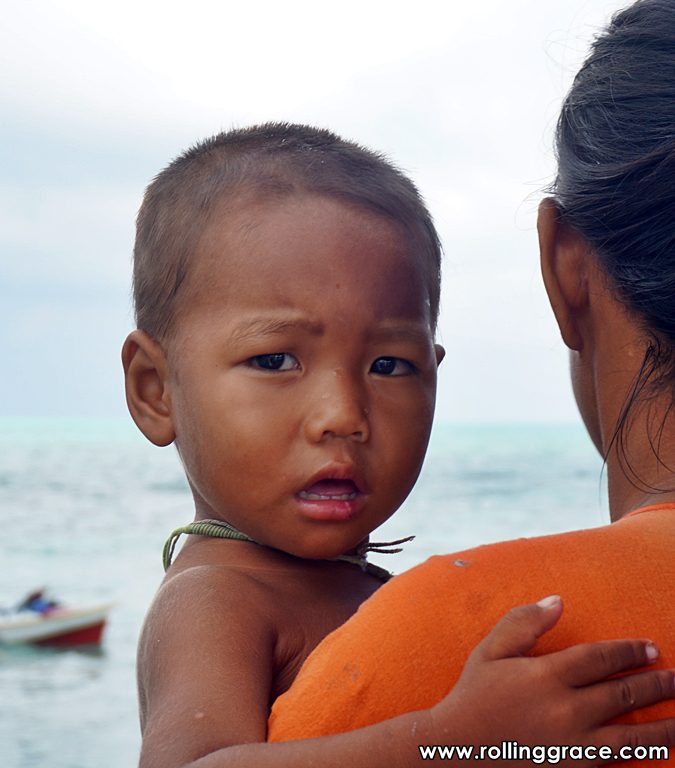
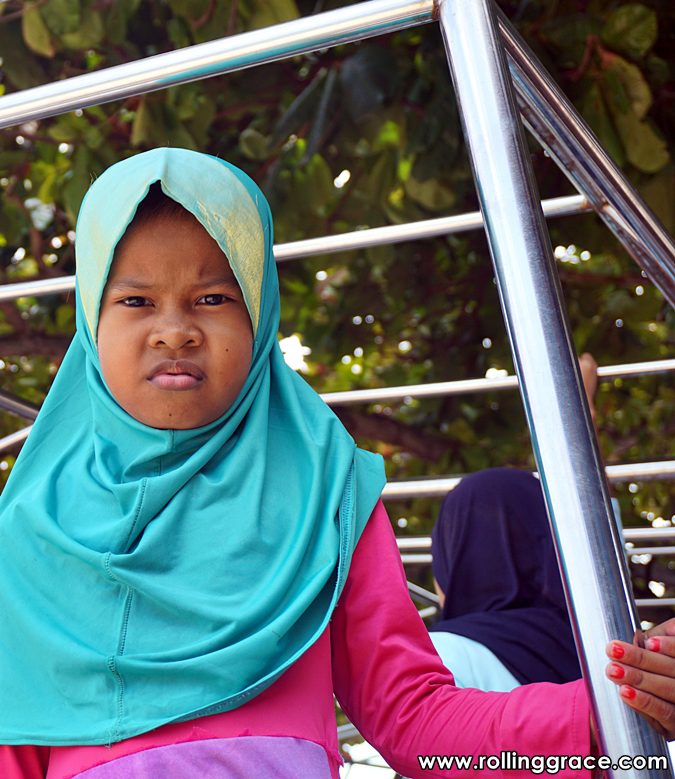
Sea Nomads of Borneo
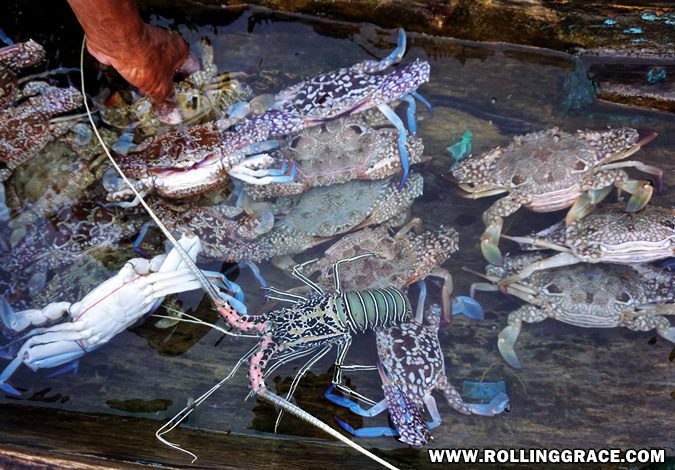
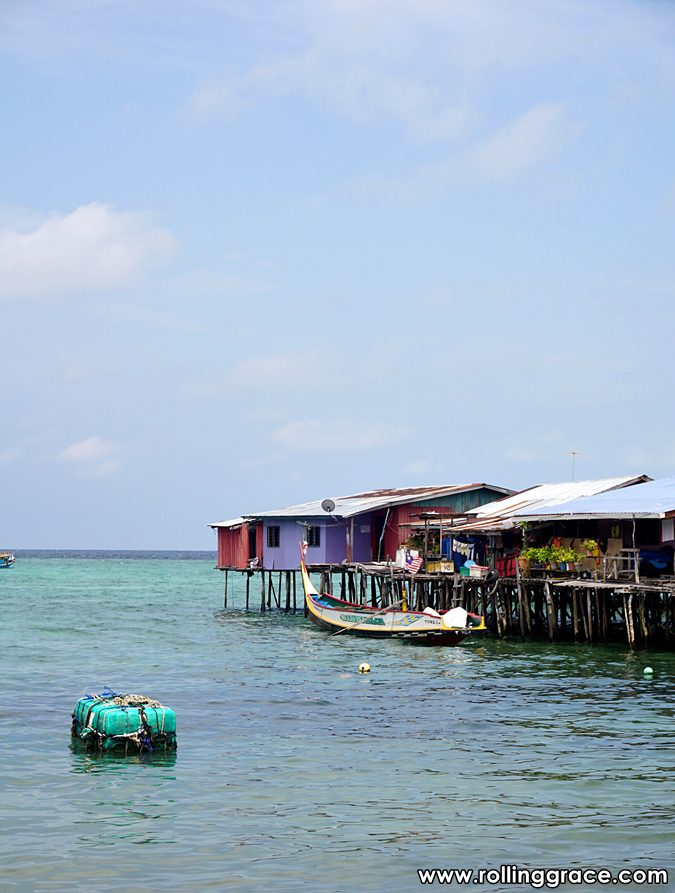
Traditionally, Bajau Laut Mabul families lived aboard decorated wooden houseboats called lepa, moving continuously across the Sulu and Celebes Seas. When more permanent shelter was needed, they built stilt houses over shallow reef areas using timber and techniques passed across generations. Their primary economy was the ocean: fish, sea cucumbers, lobster, and other marine life caught through free diving and spear fishing. Some families spent as much as 60 percent of each working day underwater.
The lepa boats remain central to their cultural identity even as fewer families live on them full-time. They are the main feature of the annual Regatta Lepa festival in Semporna, where vessels are decorated with colourful fabric and raced in open water. It is one of the few occasions when Bajau Laut Mabul culture receives formal public celebration in Malaysia.
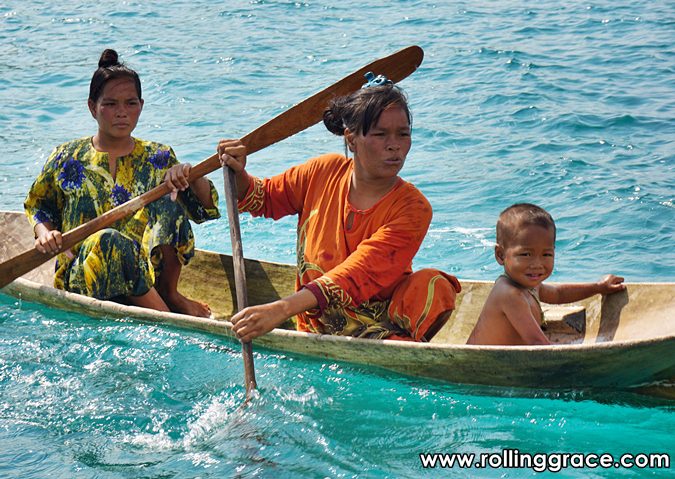
Bajau Laut Freediving Skills
The Bajau Laut Mabul ability to free dive at depths and durations that exceed almost all other human populations has a documented biological basis. A 2018 study found that the Bajau carry a genetic variant of the PDE10A gene that their land-dwelling neighbours, the Saluan, do not. This variant is linked to elevated thyroid hormone levels, which in turn is associated with larger spleen size.
Ultrasound measurements showed that the Bajau have spleens approximately 50 percent larger than the Saluan. Crucially, enlarged spleens appeared in both diving and non-diving Bajau individuals, confirming this is a genetic adaptation rather than a response to physical training. During a breath-hold dive, the spleen contracts and injects oxygenated red blood cells into circulation, providing an oxygen boost that extends time underwater. A larger spleen means a larger reservoir.
Some Bajau divers can reach depths of up to 70 metres and hold their breath for up to 13 minutes. They dive with hand-carved wooden masks and minimal equipment.
Stateless Across Three Countries
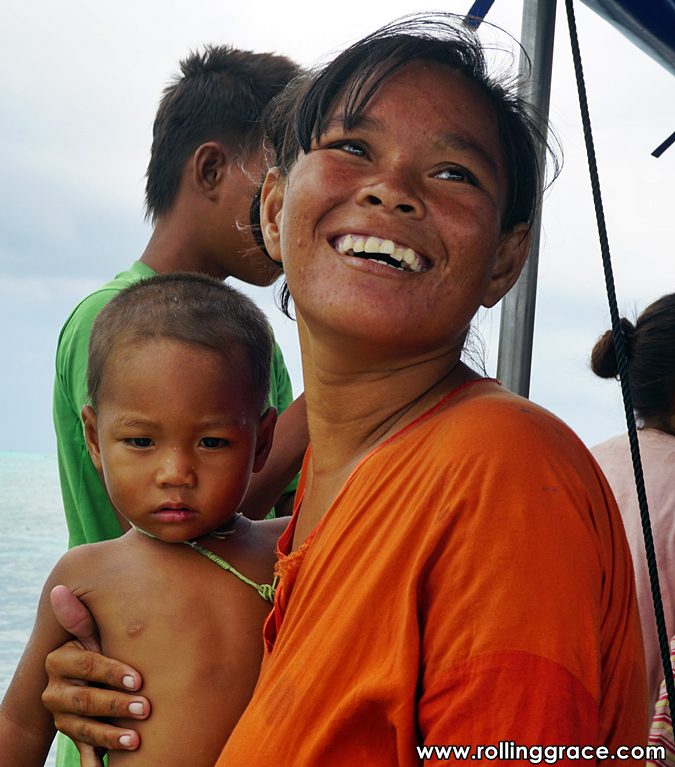
The most consequential and least resolved fact about the Bajau Laut Mabul is their statelessness. Their nomadic routes cross the territorial waters of Malaysia, the Philippines, and Indonesia. None of the three countries has historically extended citizenship to a community that does not settle permanently on land within any of their recognised borders.
The Bajau Laut fall into the legal gap between nations, a gap that was created by borders drawn without reference to people who had always moved freely between the same waters.
The consequences are not abstract. Without citizenship there are no birth certificates. Without birth certificates children cannot enrol in formal education. Without identity documents, access to healthcare, banking, or any form of legal protection is effectively closed.
The Malaysia Home Ministry put the number of stateless Bajau Laut in Sabah at approximately 21,800 as of 2024, with a separate population census estimating 28,000, around 78 percent of whom are undocumented.



2024 Evictions From Semporna
In June 2024, Sabah Parks, the state conservation body managing the Tun Sakaran Marine Park off Semporna, demolished and burned stilt houses across seven islands including Pulau Bohey Dulang, Pulau Maiga, Pulau Bodgaya, Pulau Sebangkat, and Pulau Sibuan. Over 500 Bajau Laut people were displaced. Sabah authorities cited illegal construction within a protected marine area and national security concerns as justification.
The Human Rights Commission of Malaysia, SUHAKAM, said it was monitoring the situation and urged immediate assistance for those displaced. NGO Pusat Komas described the action as systematic discrimination that had continued for decades. Borneo Komrad, which runs education programmes for stateless Bajau Laut children, documented the demolitions and called for dialogue. Human rights groups internationally condemned the evictions.
Critics pointed out that the Bajau Laut had occupied these waters long before the marine park was gazetted, and that removing them from one set of islands resolved nothing about their legal status or long-term welfare. The Sabah Chief Minister said the state would assist displaced residents. As of the time of writing, no permanent resettlement or legal recognition framework has been announced.
From Sea to Shore: The Bajau Darat Transition
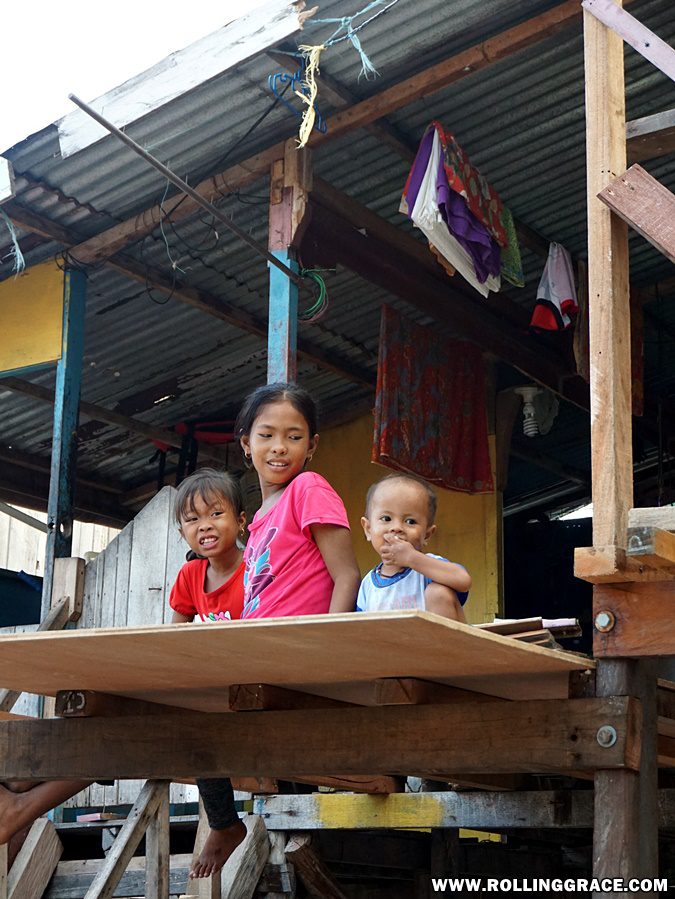
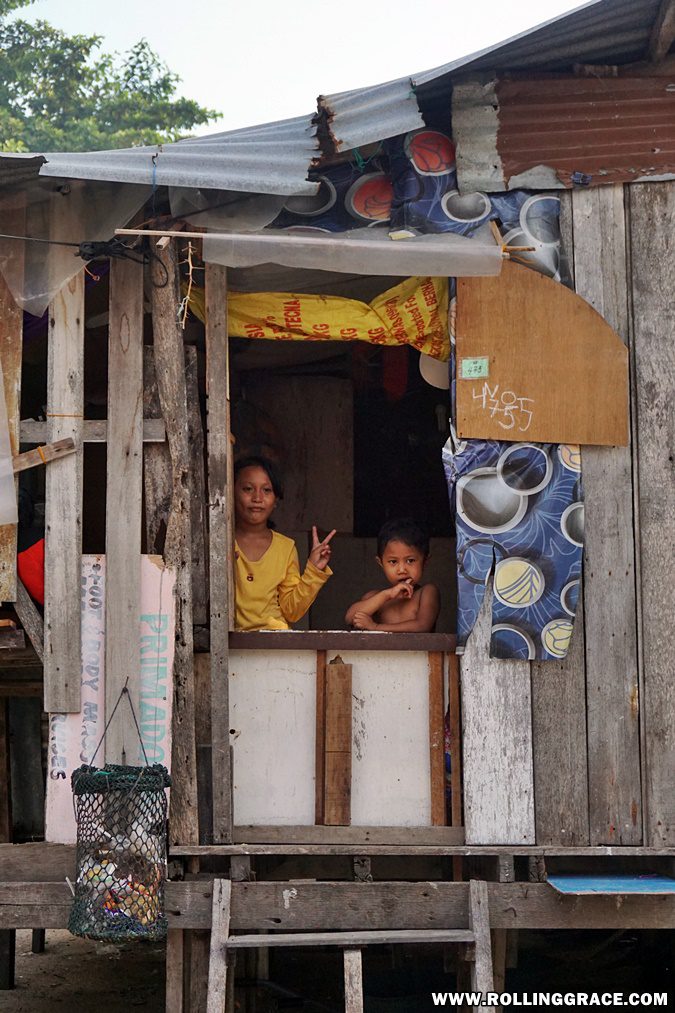
Development pressure, the depletion of fish stocks across the Coral Triangle, and the practical pull of onshore infrastructure have pushed a significant number of Bajau Laut away from full-time seafaring life. Those who have made the permanent transition to land are known as the Bajau Darat.
On Pulau Mabul, two villages, Kampung Mabul and Kampung Musu, were established for the settlement of formerly nomadic families. Reports suggest only around 100 to 200 Bajau Laut houseboats now move freely across Sabah’s waters, compared to the broader population figures.
The transition rarely goes smoothly. Stateless individuals who move to Sabah’s mainland face classification as illegal immigrants. Those who settle within marine park boundaries face eviction. The nomadic life that defined the community for centuries is narrowing in practice even as it remains the centre of their identity.



How to Get to Pulau Mabul
From Kuala Lumpur
Fly to Tawau Airport (TWU) from Kuala Lumpur or your point of origin. Almost all resorts on Pulau Mabul provide a transfer from Tawau to Semporna, around 90 kilometres and an hour and a half by road, followed by a resort speed boat to the island. Confirm your transfer arrangements directly with your resort before arriving in Sabah.
Getting Around Pulau Mabul
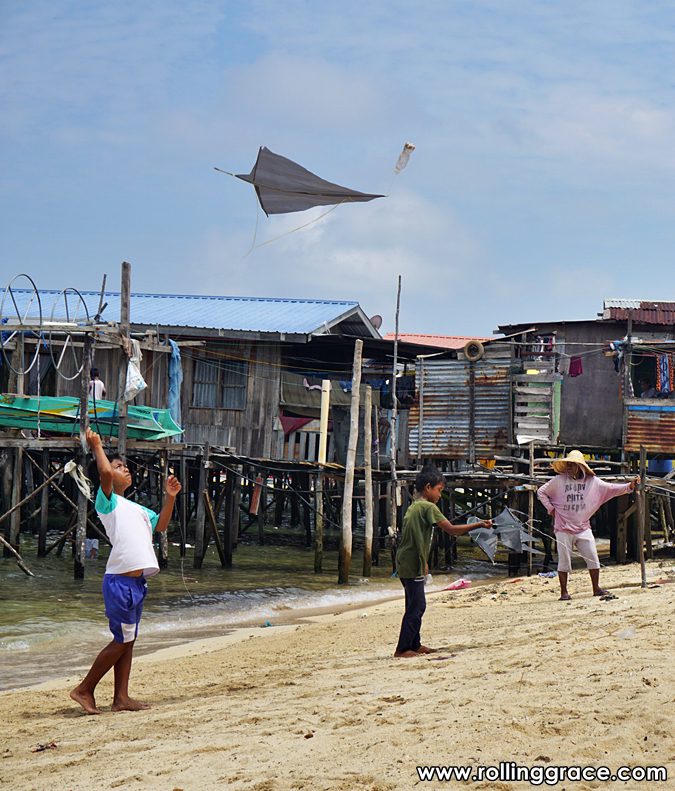
The Bajau Laut villages on Mabul are accessible on foot from the island. If you visit, do so with attention to the reality of what you are seeing: a community navigating statelessness, recent displacement, and the pressures of being positioned as a tourist attraction while lacking the legal status to benefit from the economy that surrounds them.
Buy from local vendors. Do not photograph people, particularly children, without consent.

Frequently Asked Questions on Bajau Laut Mabul
Who are the Bajau Laut?
The Bajau Laut are a nomadic seafaring community indigenous to the Sulu and Celebes Seas, found across the waters of Sabah in Malaysia, the southern Philippines, and parts of Indonesia.
They are known for their extraordinary free diving ability, their stilt houses over open water, and their stateless legal status across all three countries.
Why are the Bajau Laut called Sea Gypsies?
The term refers to their traditionally nomadic, ocean-based lifestyle. It is an outsider’s label. Within the community they identify as Sama or Bajau Laut. Their ancestral culture centres on the lepa houseboat and seasonal movement across the Sulu and Celebes Seas.
How many Bajau Laut are in Sabah?
The Malaysia Home Ministry estimated approximately 21,800 stateless Bajau Laut in Sabah as of 2024. A separate population census placed the figure at around 28,000, with approximately 78 percent undocumented.
Why can the Bajau Laut hold their breath for so long?
A 2018 study published in the journal Cell found the Bajau carry a genetic variant linked to spleens approximately 50 percent larger than those of neighbouring non-diving populations.
The spleen contracts during a dive and releases oxygenated red blood cells into circulation, effectively extending breath-hold time. This is a genetic adaptation, not a training response.
What happened to the Bajau Laut in 2024?
In June 2024, Sabah Parks demolished and burned stilt homes on seven islands within the Tun Sakaran Marine Park, displacing over 500 Bajau Laut people. The action was justified by authorities on security and conservation grounds. Human rights organisations condemned the evictions and called for permanent, humane solutions to the statelessness issue.
Can you visit the Bajau Laut at Pulau Mabul?
Yes. The Bajau Laut villages on Pulau Mabul are accessible from the island. Visitors should seek consent before photographing residents, particularly children, and support local vendors where possible.
Get the good stuff first. Join Rolling Grace for the restaurants worth crossing a city for, the stays worth the upgrade, and the places to go before everyone else. Free, straight to your inbox.
Leave a Reply