Looking for things to do in Mabul Island? This small island off the coast of Sabah punches well above its size, with world-class diving, a living Bajau Laut community, and enough on the water to fill several days.
I visited Mabul Island as part of a trip through Sabah, arriving by speedboat from Semporna. This guide is drawn from that experience.
Mabul Island sits in the Celebes Sea, 45 minutes by speedboat from Semporna. It is small enough to walk in under an hour, but its reputation among divers is outsized and well-earned. The Coral Garden, Barracuda Point, and Drop Off Point consistently place among the world’s top macro and muck diving sites. The island has built its entire visitor economy around this fact, and it delivers.
What gives Mabul more texture than its dive credentials is the Bajau Laut community living at its edges. A stateless, seafaring people with centuries of history on these waters, their presence adds a layer to the island that most visitors only partially engage with.
Read also: Bajau Laut Mabul: 7 Rare Facts on the Sea Gypsies of Borneo
Scuba Diving
Every resort on the island runs house reef dives and daily boat trips to the surrounding sites. The standout locations are the Coral Garden, Barracuda Point, and Drop Off Point, all recognised internationally for macro marine life. Conditions hold year-round, but the dry season between March and October gives the best visibility.
Book Full-Day Dive Trip with PADI 5-star Dive Center
For an unusual base, Seaventures Dive Rig is the world’s only dive resort converted from a decommissioned oil rig, located about 15 minutes from Mabul. It is a singular setup and worth considering if the experience interests you. It remains one of the things to do in Mabul worth including in an itinerary.

Attend Regatta Lepa
Held annually in March or April, Regatta Lepa is the Bajau Laut’s largest community festival. The centrepiece is the lepa, traditional boats decorated elaborately for the occasion. The broader programme includes dragon boat racing, tug-of-war, and duck-catching competitions across three days.
If your dates align, plan your trip around it. It is one of the things to do in Mabul for visitors exploring the island.

Visit the Bajau Laut Stilt Village
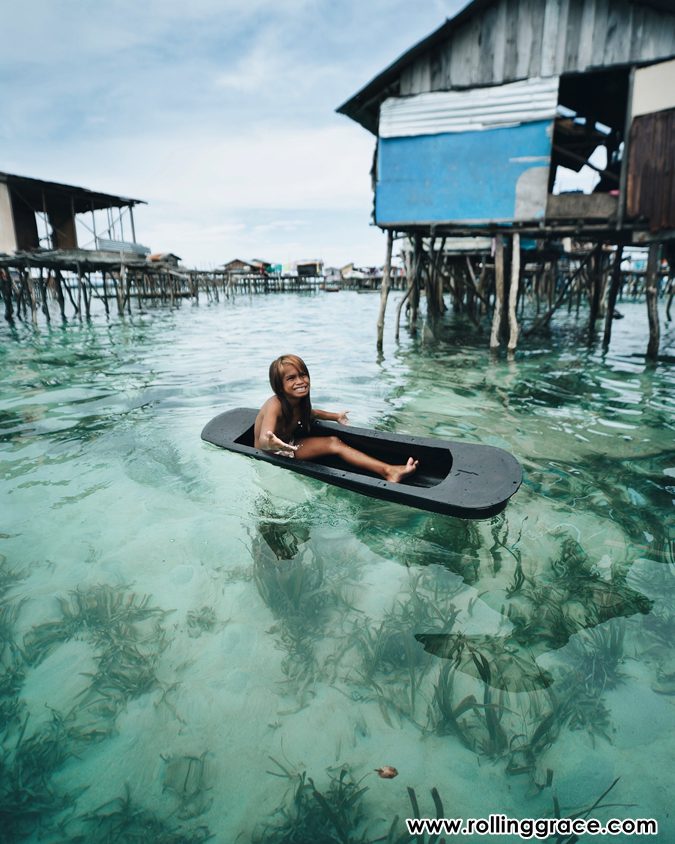
The Bajau Laut, also known as the Sea Gypsies of Borneo, have lived at sea for generations. Their stilt village off the Mabul coastline is accessible by short boat trip. The community holds no citizenship with Malaysia or any other country, though NGOs operating in Sabah have helped secure land arrangements in recent years.
Most guesthouses and operators arrange visits. Approach the community with consideration. Do not offer cash in exchange for photographs. Stationery or snacks are more useful and more appropriate. It is one of the things to do in Mabul for those visiting for the first time.
Snorkelling
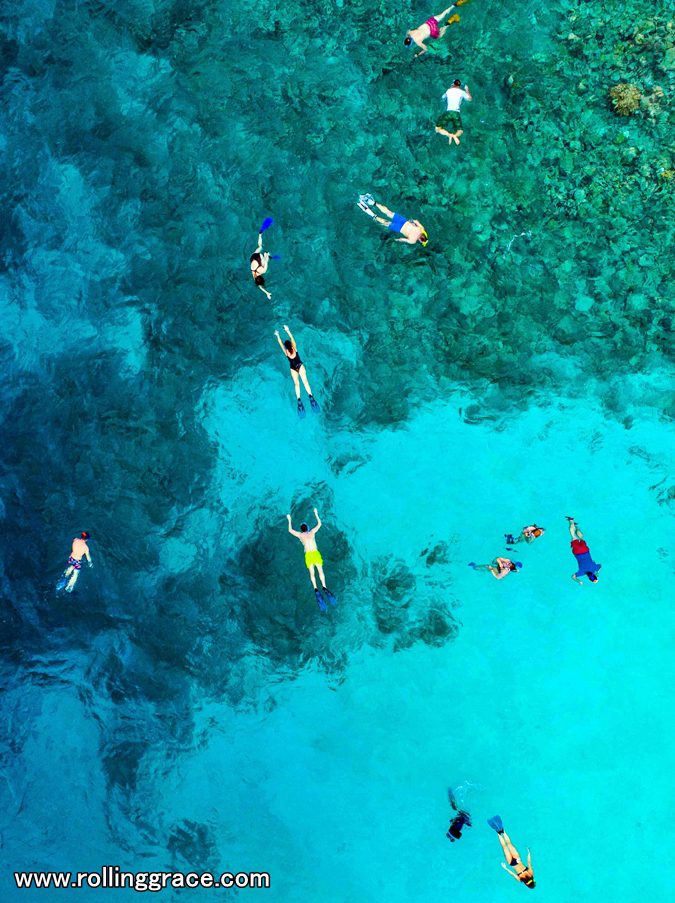
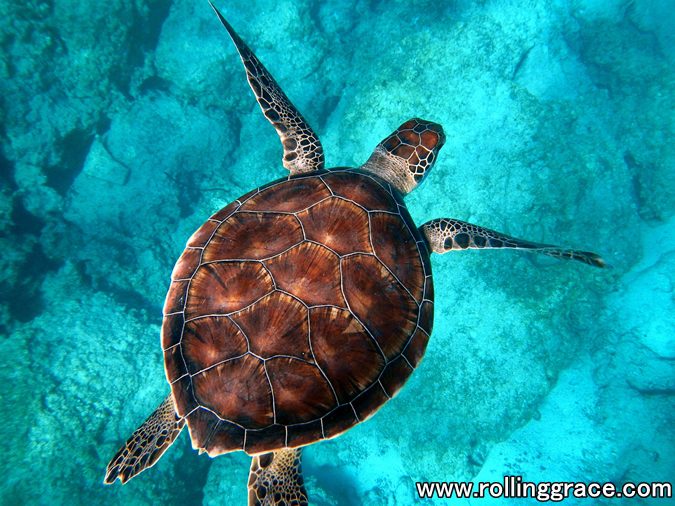
A diving licence is not required to see Mabul’s marine life. Most guesthouses arrange snorkelling trips to the main sites, and several properties have house reefs accessible directly from shore. Giant sea turtles are occasional sightings at the coral gardens. It stands among the things to do in Mabul for travellers.
Bring an underwater camera and keep it charged. Mabul is one of the places this advice actually matters.
Book Mabul and Kapalai Island Snorkeling Tour in Semporna
Ocean Kayaking
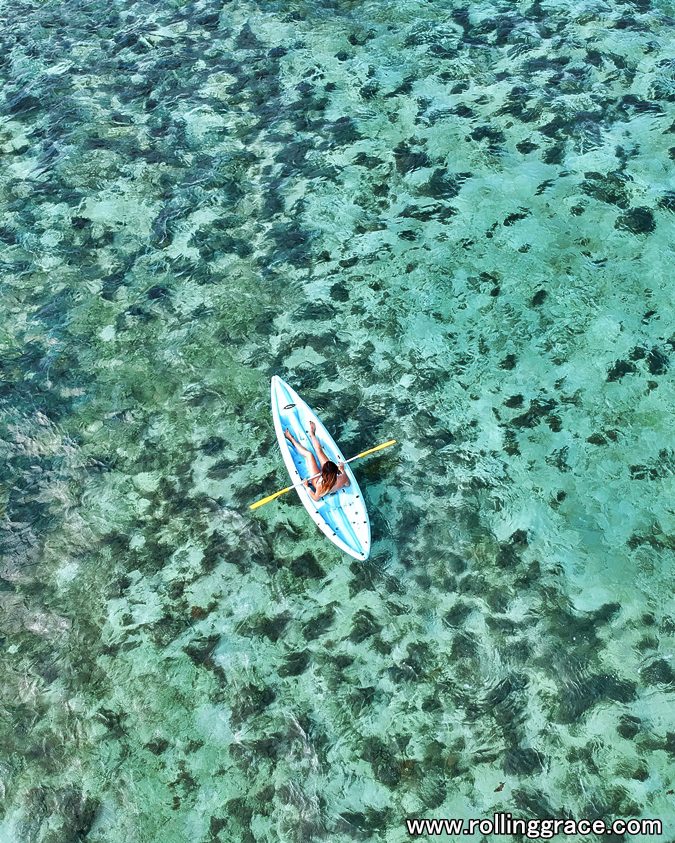
Kayak rental runs at approximately RM30 per hour. The more interesting option is the Molokini, a transparent-bottomed kayak that gives a direct view into the water without requiring you to get in.
For first-time visitors wanting to cover the reef in a single morning, it is a practical and underrated choice. It continues to be one of the things to do in Mabul for island activities.
Catch the Sunrise or Stay for Sunset
Sabah is the first state in Malaysia to receive daylight. Sunrise on Mabul lands at roughly 5.45am along the east-facing shore. Sunset faces west across the open Celebes Sea and tends to draw the larger crowd, most resorts having positioned their bar or deck for exactly this view.
If you can manage only one, try for both. It is among the things to do in Mabul that draw visitors to the area.

Day Trip to Tun Sakaran Marine Park
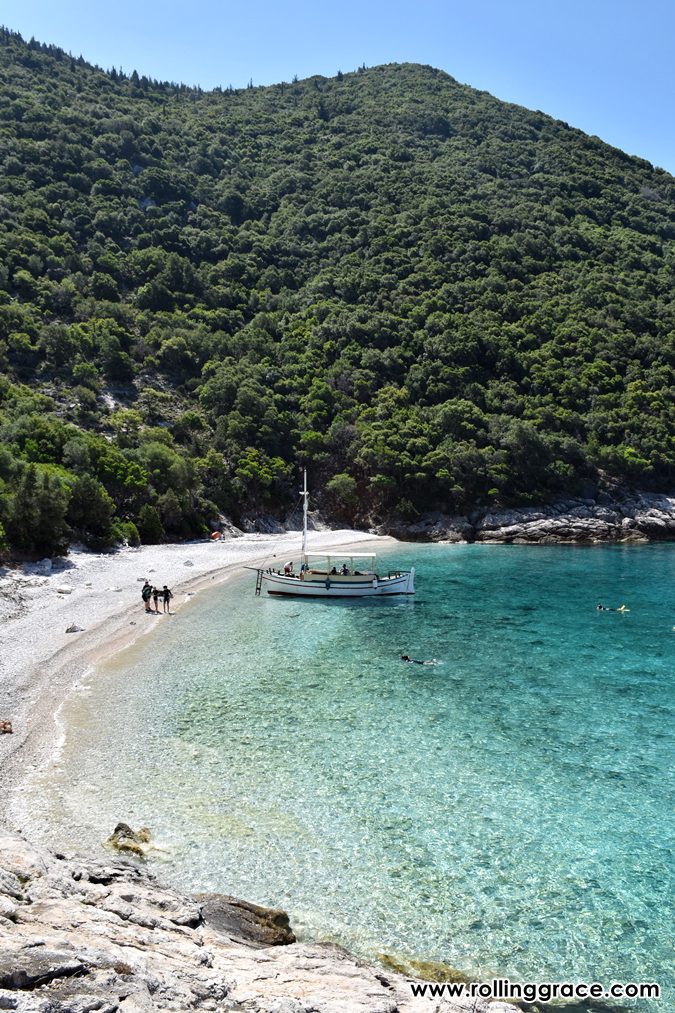
Tun Sakaran Marine Park covers a chain of islands including Boheydulang, Sabangkat, Bodgaya, and Salakan, several sand cays including Sibuan, Maiga, and Mantabuan, and patch reefs at Church and Kapikan. The enclosed lagoon at Boheydulang is the most photographed feature, with its turquoise bay framed by forested hills.
Most island-hopping boats from Semporna pass through the park. Confirm the night before whether the park entrance fee is included in the quoted price. It is one of the things to do in Mabul for those exploring beyond diving.

Island Hopping from Semporna
Sipadan and Kapalai are the headline stops, but the wider Semporna archipelago holds smaller islands worth including: Pom Pom, Mataking, and Bum Bum among them. Some require a licensed guide for access. A full day typically covers three to four islands with snorkelling stops between.
Book through your accommodation or directly at the Semporna jetty the evening before.
Stargazing
Light pollution on Mabul is negligible. No street lights, no urban glow. On clear nights the Milky Way is visible to the naked eye. The dry season offers the clearest skies; the wet months from November onwards can bring haze that reduces visibility.
A red-light torch helps preserve night vision when moving around the island after dark. Many travellers include it among the things to do in Mabul.

Photography
Mabul offers two distinct photographic subjects: the underwater world and the Bajau Laut community.
For diving sites, a macro lens or wide-angle underwater housing produces the strongest results. For the village, the same principle applies as the visit itself: ask before shooting, never pay for access.
The stilt houses at golden hour, lepa boats moored along the village edge, and fishing nets strung between posts are the compositions worth waiting for. It is one of the things to do in Mabul for those spending a few days on the island.
How to Get to Mabul Island
Fly into Tawau (TWU), the closest airport to Semporna. From Tawau, the road transfer to Semporna takes approximately one hour. Speedboats to Mabul depart daily and cross in around 45 minutes. Most dive resorts arrange transfers as part of the booking.
Best Time to Visit Mabul Island
The dry season runs March to October and offers the best conditions for diving and snorkelling. The wet season from November to February can bring rough seas and reduced visibility, though resorts stay open.
There are no ATMs on Mabul. Withdraw cash in Semporna or Tawau before making the crossing.
Responsible Travel in Mabul
The coral reefs around Mabul and the Bajau Laut’s coastal ecosystem face ongoing pressure from tourism and, historically, from blast fishing in surrounding waters.
Tun Sakaran Marine Park now operates under stricter protections. When diving or snorkelling, maintain buoyancy and avoid reef contact. Choose operators who follow no-touch, no-feed guidelines.
Frequently Asked Questions on Things to Do in Mabul Island
What is the best time to visit Mabul Island?
March to October is the dry season and the strongest window for diving and snorkelling. March and April also coincide with Regatta Lepa.
Do I need a diving licence to enjoy Mabul Island?
No. Snorkelling, kayaking, island hopping, and cultural visits to the Bajau Laut village are all accessible without one. That said, the diving is a significant part of what makes Mabul worth the journey.
How do I get to Mabul Island from Kota Kinabalu?
Fly from Kota Kinabalu (BKI) to Tawau (TWU), approximately one hour. Transfer to Semporna by road, then take a speedboat to Mabul. Total journey time from KK is typically four to five hours including connections.
Is Sipadan accessible from Mabul Island?
Yes. Sipadan is about 30 minutes by boat and is one of the most requested day trips from the island. Visitor numbers are capped by daily permit. Book through your resort or dive operator well in advance.
What should I avoid doing in Mabul Island?
Do not pay Bajau Laut community members for photographs. Do not touch coral. Do not book with operators who allow reef contact or marine life feeding. Both the community and the reef are under sustained pressure.
Get the good stuff first. Join Rolling Grace for the restaurants worth crossing a city for, the stays worth the upgrade, and the places to go before everyone else. Free, straight to your inbox.
Leave a Reply