Islands in West Malaysia stretch along the peninsula’s east and northwest coasts, where coral reefs, forested hills, and protected marine parks shape some of the country’s most accessible tropical escapes.
The most beautiful islands in West Malaysia are concentrated along the east coast of Peninsular Malaysia, where clear waters, coral reefs and forested hills remain intact despite increasing domestic tourism. For travellers departing from Kuala Lumpur, several islands are accessible by road and ferry within half a day, while others require a short flight.
These islands differ in scale and atmosphere. Some lean toward backpacker culture. Others limit development through resort control or marine park regulations. All sit within marine ecosystems that require responsible travel.
Below are seven islands in West Malaysia that remain consistently compelling, both visually and geographically.
Read also: Top Road Trip Ideas in Malaysia by Car

Pulau Perhentian, Terengganu
Located off the northeast coast of Terengganu, Pulau Perhentian consists of two main islands: Perhentian Besar and Perhentian Kecil. The waters are clear during the March to October season, with coral reefs accessible directly from shore.
Perhentian Kecil attracts younger travellers and budget stays. Perhentian Besar is quieter, with mid-range resorts and calmer beaches.
Top Areas: Long Beach, Turtle Beach, Teluk Keke, Perhentian Kecil village
How to Get There from Kuala Lumpur
Drive or take a bus to Kuala Besut Jetty in Terengganu. Travel time from KL is approximately 6–7 hours by road. From Kuala Besut, ferries operate regularly during the open season. The boat ride takes around 45 minutes.
Pulau Tioman, Pahang
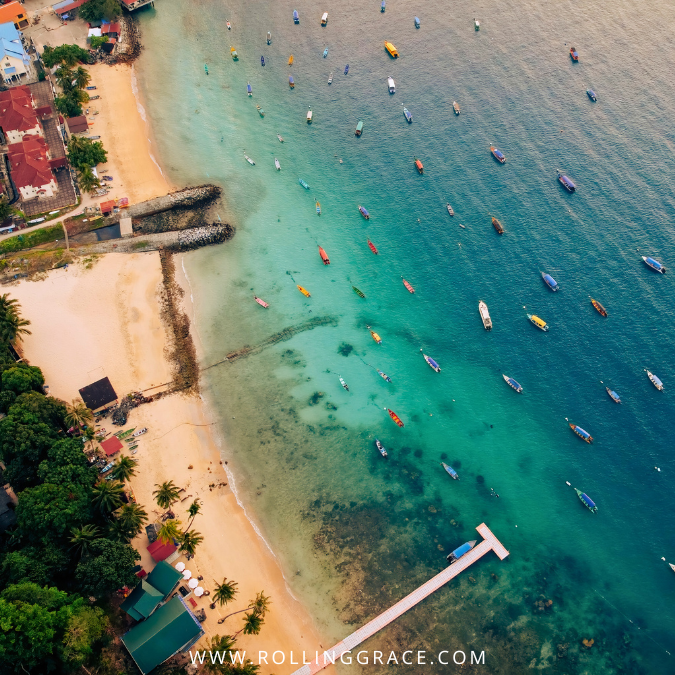
Pulau Tioman lies in the South China Sea and is part of the Tioman Marine Park. The island is mountainous, with interior jungle and scattered fishing villages along the coast. Wildlife sightings may include monitor lizards and hornbills.
Unlike heavily commercialised beach destinations, Tioman retains kampung-style settlements with limited road infrastructure between villages.
Top Areas: Kampung Tekek, Kampung Salang, Monkey Bay, Pulau Tulai
How to Get There from Kuala Lumpur
Travel by bus or car to Mersing Jetty in Johor, approximately 4–5 hours from KL. Ferry rides to Tioman take around 2 hours depending on sea conditions. Seasonal flights may operate intermittently but are limited.

Pulau Langkawi, Kedah
Langkawi is located off the northwest coast of Peninsular Malaysia near the Thai border. It is a duty-free island and part of the Langkawi UNESCO Global Geopark, recognised for its geological formations and limestone landscapes.
Langkawi offers broader infrastructure than other islands listed here, including an international airport, paved roads, and large-scale resorts. While more developed, pockets of the island remain less disturbed, particularly around mangrove systems and northern beaches.
Top Areas: Pantai Tanjung Rhu, Pantai Cenang, Seven Wells Waterfall, Langkawi SkyCab, Kilim Geoforest Park
How to Get There from Kuala Lumpur
Direct flights operate daily from Kuala Lumpur International Airport and Subang Airport, taking about 1 hour. Ferries are also available from Kuala Perlis and Kuala Kedah.
Pulau Redang, Terengganu
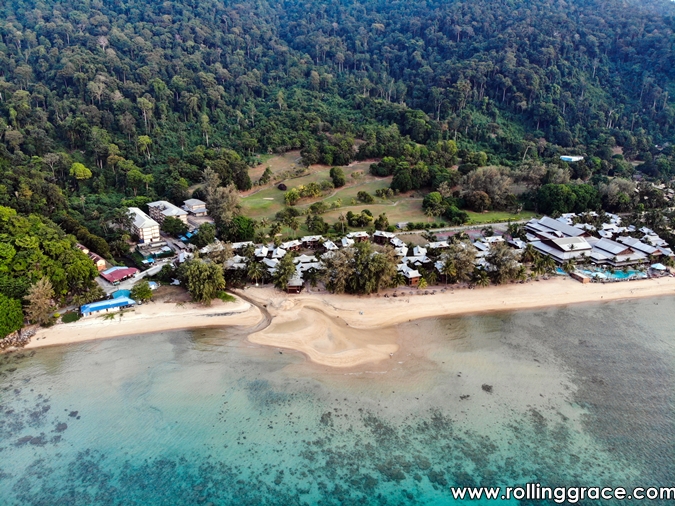
Pulau Redang is part of the Redang Marine Park and is known for controlled resort development and clearer marine zoning. It is typically more expensive than Perhentian due to the prevalence of package-based stays.
Beaches such as Pasir Panjang feature wide white sand and calm waters during the east coast open season.
Top Areas: Pasir Panjang, Chagar Hutang, Pulau Ekor Tebu, Pulau Paku Kecil
How to Get There from Kuala Lumpur
Drive or take a bus to Kuala Terengganu. Ferries depart from Shahbandar Jetty or Merang Jetty, taking approximately 1 to 1.5 hours. Seasonal flights by small aircraft may operate from Subang Airport.
Pulau Rawa, Johor
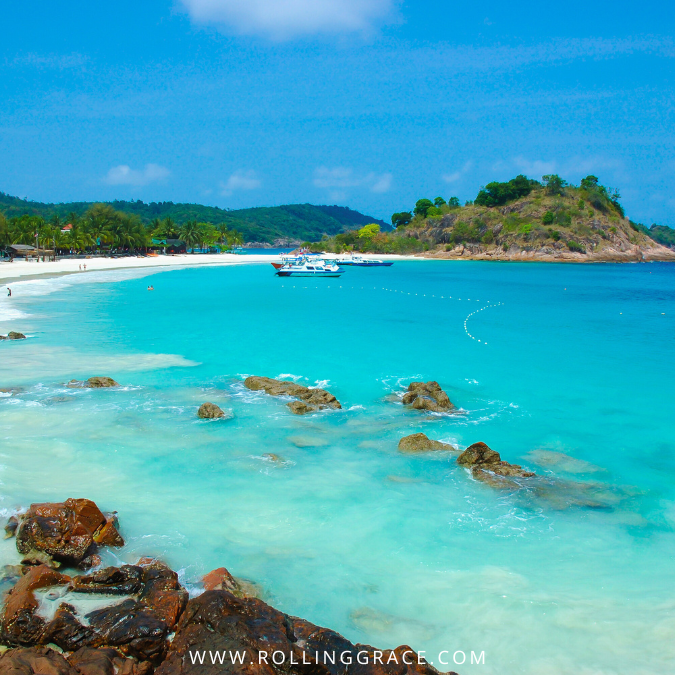
Pulau Rawa is a privately managed island under the Johor Sultanate. Accommodation is limited to two resorts, keeping visitor numbers controlled.
The island is compact, with a short hill trail, a beach slide, and protected snorkelling zones. Entry requires payment of marine park and conservation fees.
Top Areas: Island Walk Trail, Hilltop Walk, Rawa Slide
How to Get There from Kuala Lumpur
Travel to Mersing Jetty in Johor. From there, a 30-minute boat ride reaches the island. Private speedboat transfers are also available through resort bookings.

Pulau Kapas, Terengganu
Pulau Kapas is located near Marang Jetty in Terengganu and is often described as a quieter alternative to Redang and Perhentian. The island features simple chalets, coral reefs near shore, and a smaller neighbouring island, Pulau Gemia.
Infrastructure is minimal, and electricity supply may vary depending on accommodation type.
Top Areas: Pulau Gemia, Kapas Turtle Valley
How to Get There from Kuala Lumpur
Drive or take a bus to Marang Jetty in Kuala Terengganu. Boat transfers take approximately 30 minutes.

Pulau Tenggol, Terengganu
Pulau Tenggol lies off the coast of Dungun and is recognised among divers for deeper reef systems and stronger currents compared to Kapas or Perhentian. The island remains less developed, with limited resort options and minimal village presence. Visibility is generally strongest between April and October.
Top Areas: Pulau Nyireh
How to Get There from Kuala Lumpur
Travel to Kuala Dungun Jetty in Terengganu. Boat transfers take approximately 45–60 minutes depending on sea conditions.
Seasonal Considerations
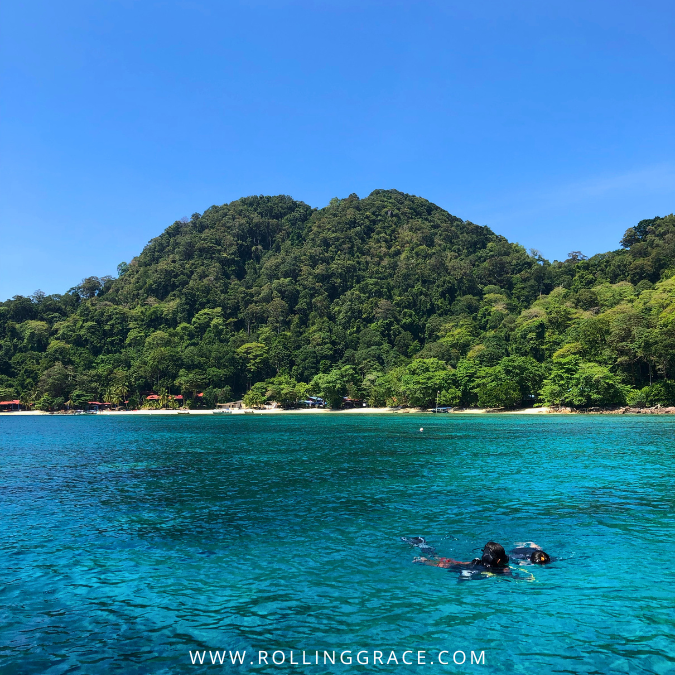
East coast islands including Perhentian, Redang, Kapas and Tenggol close partially or fully during the monsoon season, typically between November and February. Sea conditions during this period make ferry transfers unsafe.
Langkawi and Tioman operate year-round, though Tioman also experiences rough seas seasonally.
Sustainability and Marine Protection
Most east coast islands are designated marine parks. Coral reefs remain sensitive to sunscreen chemicals, anchor damage, and uncontrolled snorkelling. Travellers should:
- Avoid standing on coral
- Use reef-safe sunscreen
- Reduce single-use plastic
- Respect marine zoning areas
Resort-based islands such as Rawa demonstrate one approach to controlled tourism, limiting visitor numbers through accommodation caps. Larger islands like Langkawi face higher development pressure and require stronger regulatory enforcement to protect mangroves and geological formations.
Choosing the Islands in West Malaysia
- For short trips with minimal logistics, Langkawi offers direct flights and infrastructure.
- For clearer water and reef access during open season, Perhentian and Redang remain strong options.
- For quieter environments with fewer crowds, Kapas and Tenggol provide lower-density alternatives.
- For structured resort stays with controlled access, Rawa suits travellers seeking exclusivity.
- Each island offers a distinct scale of experience, but all require respect for marine ecosystems and seasonal timing.
Islands in West Malaysia remain geographically accessible from Kuala Lumpur, yet each demands planning around weather, transport schedules, and conservation rules. The most beautiful islands in West Malaysia are not simply those with clear water, but those where the surrounding ecosystem remains intact.
Get the good stuff first. Join Rolling Grace for the restaurants worth crossing a city for, the stays worth the upgrade, and the places to go before everyone else. Free, straight to your inbox.
Leave a Reply