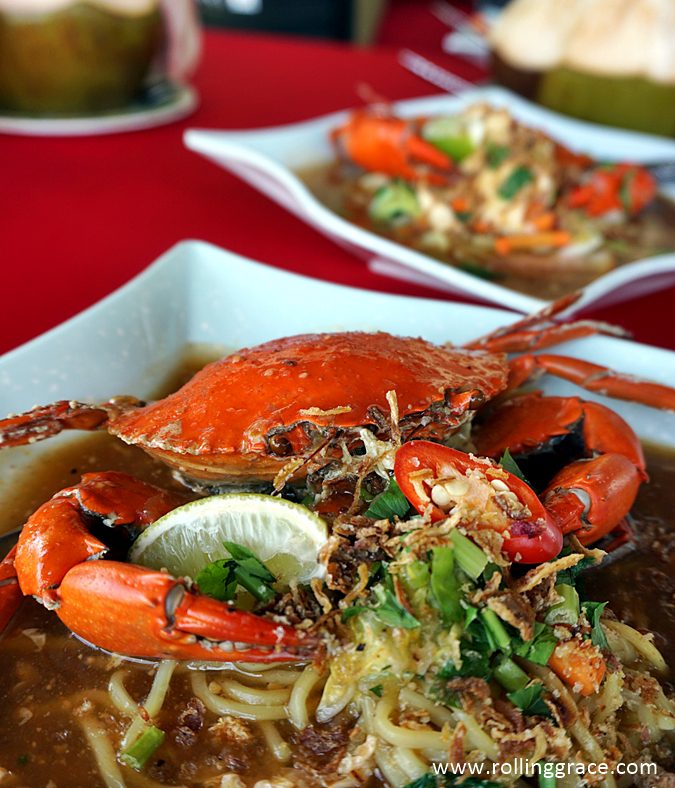
The air at Crab Farm Langkawi smells of charcoal and wet mangrove bark, and the mee ketam arrives in a bowl so heavy you need both hands. That single dish, a tangle of yellow noodles loaded with sweet mud crab meat, tells you more about this island than any brochure could. Langkawi is an archipelago of 99 islands off Malaysia’s northwest coast, duty-free since 1987, and still one of the most underrated destinations in Southeast Asia.
Most visitors come for the beaches, and they should. But the best things to do in Langkawi run far deeper than sand and sunsets. There are 550-million-year-old geological formations, tidal river estuaries you can kayak through at dawn, a 138-metre observation tower with a glass floor, and night markets where charred squid costs less than a ringgit per stick.
Here are 12 of the best experiences on the island, from the well-known to the ones that rarely make the tourist trail.
For the full picture on planning your trip, see our Malaysia Travel Guide.
Kayak the Mangroves at Kampung Kubang Badak
The village of Kubang Badak sits at the mouth of a tidal river estuary on Langkawi’s north coast. What you get instead is a network of mangrove channels, limestone outcrops threaded with fossils, and a cultural backstory rooted in early Thai settlements that once traded along this waterway.
The main draw is the BioGeoTrail, a sustainable geo-tourism project developed in partnership between the Langkawi Development Authority (LADA), Langkawi Research Centre, and the local Sungai Kubang Badak community. The trail follows the river through mangrove forests thick with monitor lizards, mudskippers, and the occasional white-bellied sea eagle overhead.
A local guide is essential here. They know the tides, they know where the fossils are embedded in the rock, and they will point out plants you would walk straight past. Budget around two hours for the full trail. It is one of the things to do in Langkawi for visitors exploring the island.

Take in the View from Maha Tower
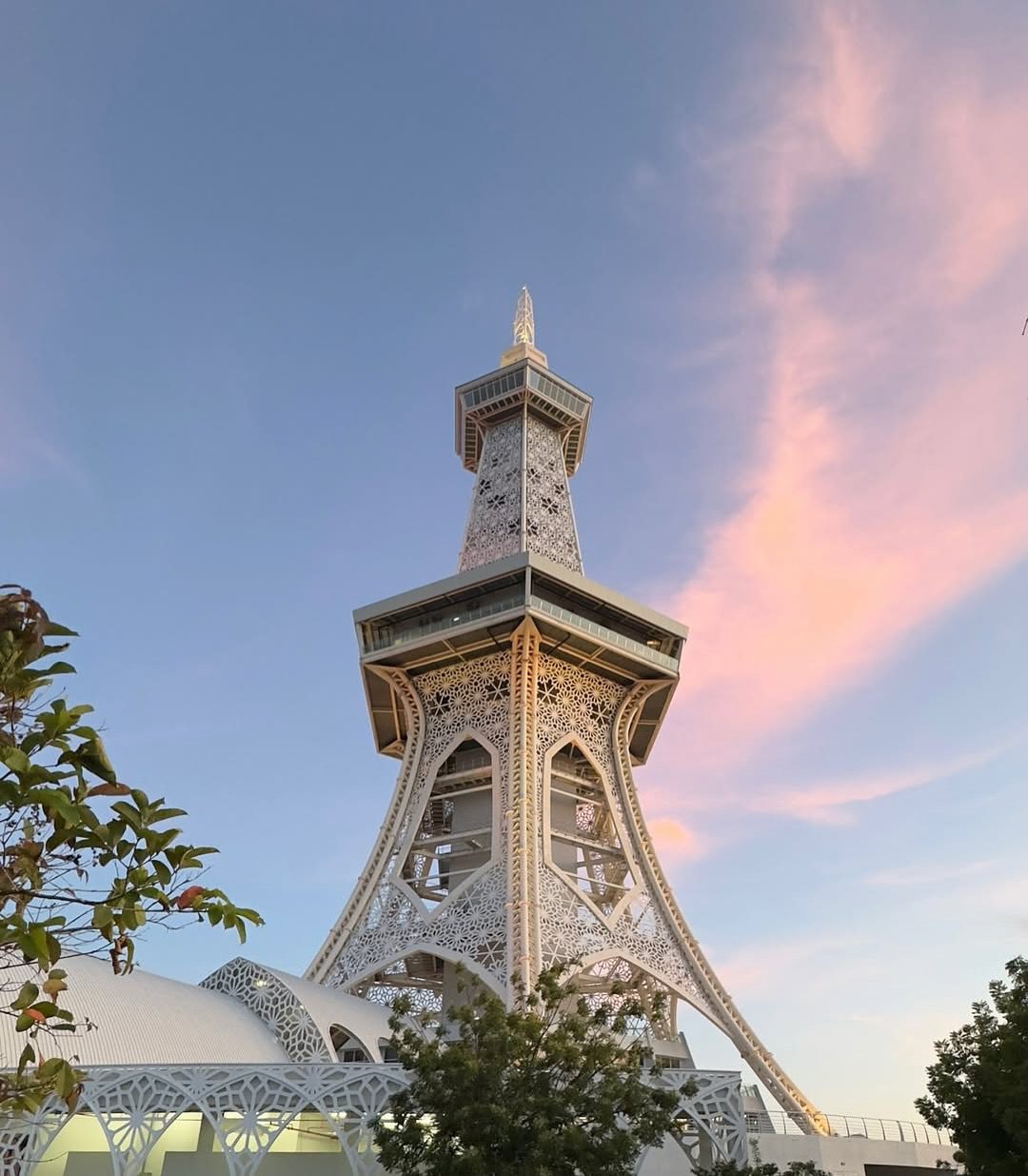
From the glass floor on Level 33, Kuah’s waterfront looks like a toy village. Boats the size of matchsticks ease out of the jetty below, and the Andaman Sea stretches flat and silver to the horizon. Maha Tower, or Menara MAHA, stands 138 metres tall on Langkawi’s Kuah waterfront, and since opening in December 2022, it has become one of the island’s most talked-about new landmarks.
Buy MAHA Tower Ticket in Langkawi
Named after Malaysia’s former prime minister Tun Dr Mahathir, the tower features two main viewing levels. The Sky Lounge on Level 18 has an open-air deck where complimentary refreshments are served with your ticket. Above that, the Sky Deck on Level 33 offers the glass floor walkway and a tilted viewing window that angles you out over the coastline.
On a clear day, you can see as far as Tasik Dayang Bunting to the south. It remains one of the things to do in Langkawi worth including in an itinerary.
- Address: Persiaran Mahawangsa, Mukim Kuah, 07000 Langkawi, Kedah
- Opening hours: 2pm to 8pm daily
- Tickets: RM78 for foreign visitors. Book via mahatower.com.my. Children under 3 enter free.
Eat Mee Ketam at Crab Farm Langkawi
The crabs here are not imported. They are grown in muddy tanks behind the restaurant, fed until they reach a formidable size, and then pulled out to order. Crab Farm Langkawi, tucked away near Kampung Kubang Badak on the north coast, serves some of the island’s best seafood in a setting that could not be further from a resort dining room.
The signature dish is the Mee Ketam: egg noodles topped with generous chunks of sweet mud crab, cooked in a broth that draws its flavour from the shells themselves. The Mee Udang (prawn noodles) deserves attention too, and if you want the crabs whole, order the Ketam Kukus, steamed and served with a chilli dipping sauce. Portions are large and prices are honest for what you get.
Arrive before the lunchtime rush, because seating fills up fast and the kitchen works through its crab supply methodically. It is often listed among the things to do in Langkawi.
- Address: 56a, Jalan Teluk Yu, Kampung Kelubi, 07000 Langkawi, Kedah
- Contact: +6019-401 2957
- Opening hours: 12pm to 8pm daily (closed Thursdays)
Ride the SkyCab at Panorama Langkawi
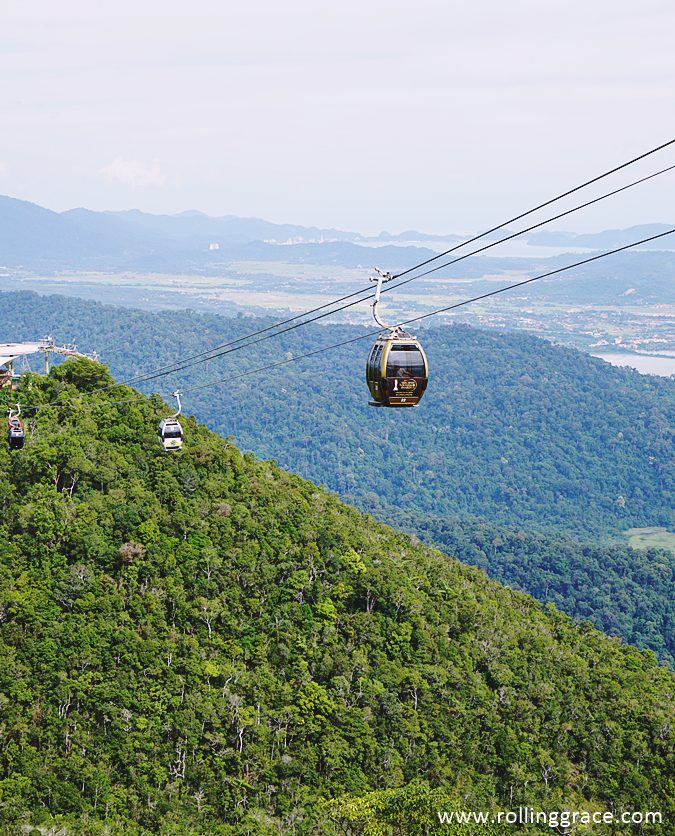
The gondola tilts sharply as it climbs the western face of Gunung Mat Cincang, one of the oldest geological formations in Southeast Asia. At 708 metres above sea level, the SkyCab cable car at Panorama Langkawi is the highest in Malaysia, and the 2.2-kilometre ride from the base station at Oriental Village to the summit takes roughly 15 minutes. On a clear morning, the views from the top station extend across the full archipelago and into southern Thailand.
Book Langkawi Cable Car Ticket
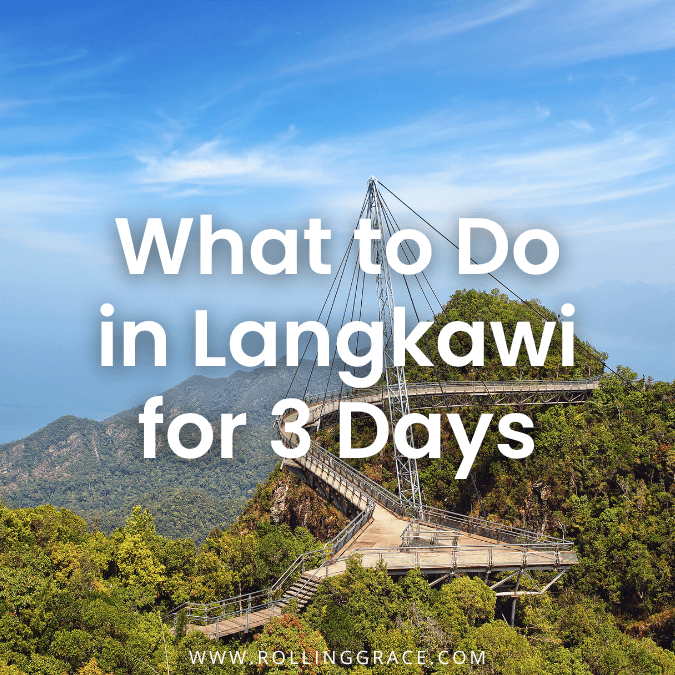
There are several ticket tiers. The standard gondola fits six passengers. If you want the adrenaline version, the glass-bottom gondola lets you look straight down through the floor into the rainforest canopy below. From the top station, you can walk to the SkyBridge, a 125-metre curved suspension bridge that ranks among the longest of its kind in the world. An additional chairlift, the SkyGlide, connects the top station to the bridge for those who would prefer not to take the stairs.
A tip: arrive early on a weekday. Weekend queues during peak season can stretch past two hours. The Express Lane ticket cuts waiting time to around 10 minutes and is worth the extra cost if you are visiting during school holidays or long weekends. It is one of the things to do in Langkawi for those visiting for the first time.
- Address: Jalan Telaga Tujuh, Oriental Village, 07000 Langkawi, Kedah
- Opening hours: 9.30am to 6pm daily (maintenance every Wednesday; operations begin at 12pm on Wednesdays)
- Contact: +604-959 4225
- Tickets: From RM40.85 for standard gondola. SkyBridge access is a paid add-on. Book via panoramalangkawi.com.
Go on a Jet Ski Island Hopping Tour
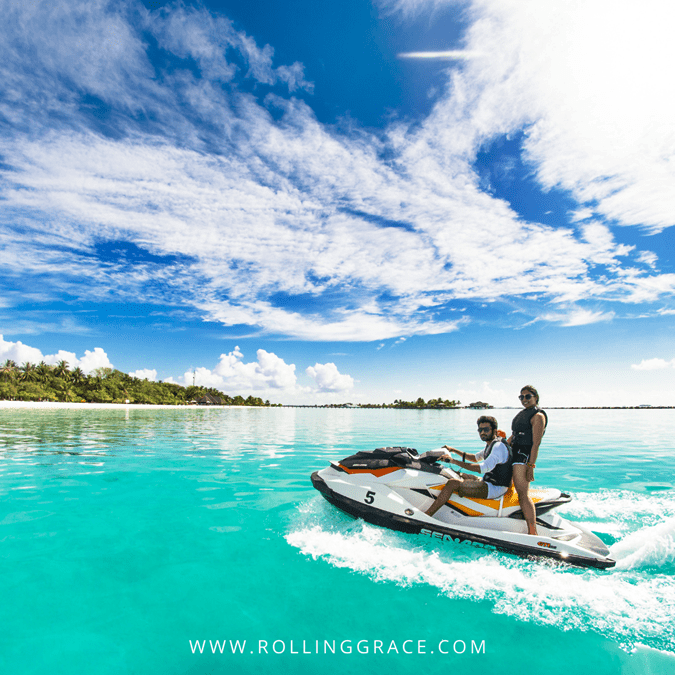
If island hopping by boat feels too passive, Langkawi’s jet ski tours let you cover the same ground on your own terms. Most tours depart from Pantai Cenang or Tanjung Rhu and last between three and four hours, with stops at islands including Pulau Beras Basah, Pulau Singa Besar, Intan Kecil Island, and Tasik Dayang Bunting (Lake of the Pregnant Maiden).
You will be led by a guide, so no prior experience is needed. Two jet ski types are available: single rider and tandem. The tandem option is better for couples or families with older children who want to share the experience. Pack sunscreen that will not wash off in saltwater, polarised sunglasses, and a dry bag for your phone. Hydration is also essential; the sun on open water is relentless.
Several operators run daily departures. Prices vary by route and duration, but expect to pay between RM250 and RM500 per jet ski depending on the package. Book through your hotel or a reputable local agency for the best rates.
Take a Day Trip to Pulau Tuba
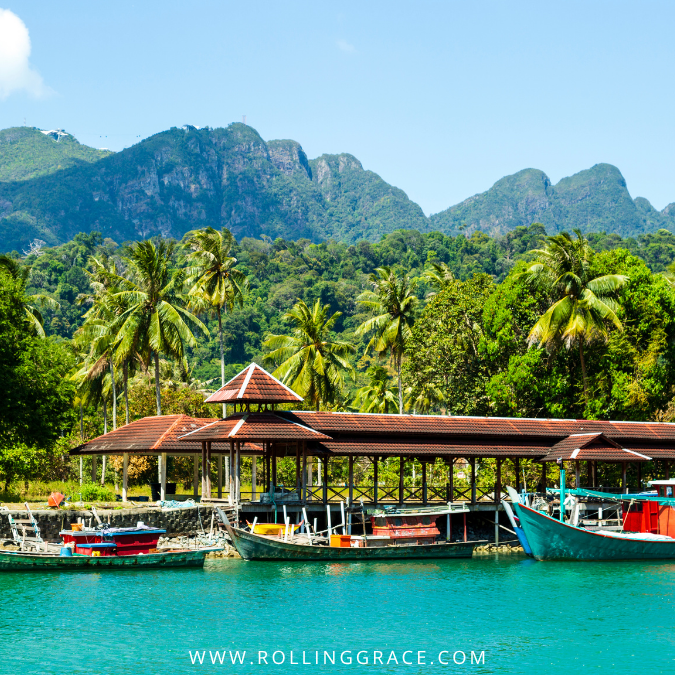
Twenty minutes by boat from Kuah Jetty, Pulau Tuba is one of Langkawi’s 99 islands and one of the very few with a permanent residential community. This is a traditional Malay fishing village with no resort development, no tourist infrastructure beyond a handful of homestays, and a pace of life that has barely shifted in decades.
The appeal is exactly that. You can walk through the village, watch fishermen mend nets, eat home-cooked Malay food with a local family, and see what island life looks like without the overlay of tourism. It is a sharp contrast to Pantai Cenang and Kuah, and that contrast is the whole point.
Arrange your boat transfer through a local tour operator or ask at Kuah Jetty for the public boat schedule. It is among the things to do in Langkawi that draw visitors to the island.
Explore Kuah on a City Tour
Kuah is Langkawi’s administrative capital and main port town, and while it lacks the beachside appeal of Cenang, it holds more cultural substance than most visitors give it credit for. A half-day city tour covers the key landmarks without exhausting your energy reserves.
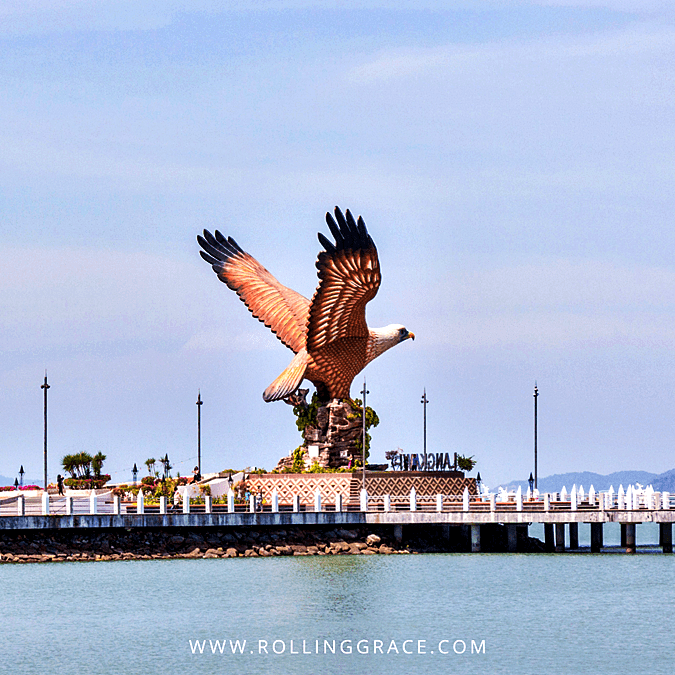
Start at Taman Lagenda, a landscaped park on the waterfront that tells the origin stories of Langkawi through large-scale sculptures and gardens. From there, walk to Dataran Lang (Eagle Square), where a 12-metre eagle statue overlooks the harbour and the koi-filled lagoon beneath it turns gold during the late afternoon light. End at Al-Hana Mosque, one of the largest in Kedah, with its Uzbek-influenced dome and ornamental gardens.
The mosque is open to visitors outside of prayer times; dress modestly and remove your shoes before entering. It remains one of the things to do in Langkawi for a relaxed itinerary.
Walk Pantai Cenang at Dusk
Pantai Cenang is Langkawi’s most visited beach, and for good reason. The sand stretches for over two kilometres along the island’s southwest coast, and by late afternoon the crowds thin enough to walk the full length without weaving between parasols. This is when Cenang is at its best.
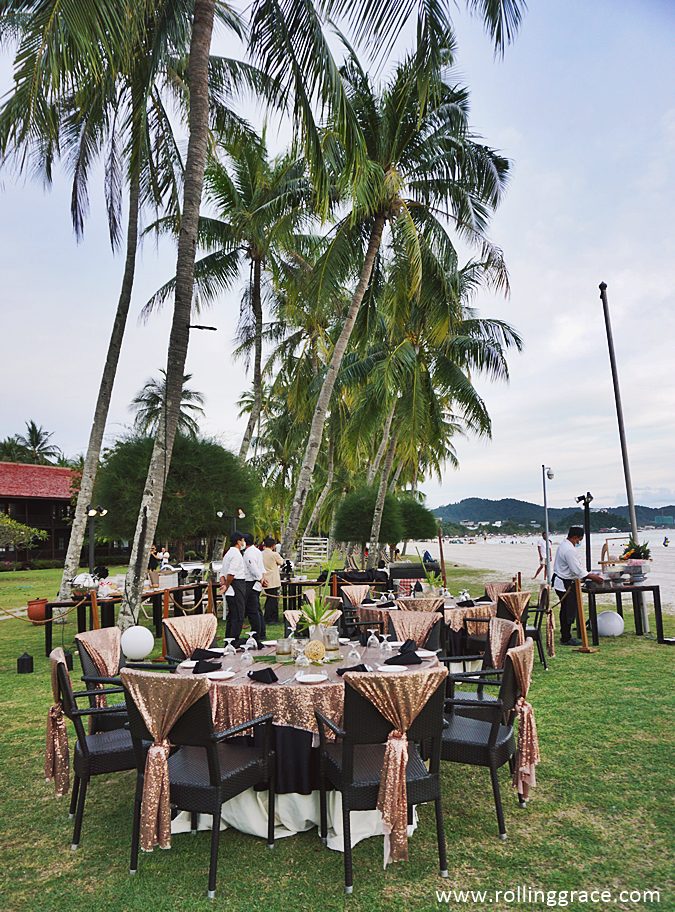
The beach is lined with restaurants, bars, and cafes, and many of them put tables directly on the sand once the sun begins to drop. You can eat grilled seafood, drink fresh coconut water, and watch the sky turn from copper to deep purple without leaving your chair.
For families, the shallow gradient of the shoreline means young children can wade safely, and the water stays warm well into the evening. Pantai Cenang is also the starting point for parasailing, banana boat rides, and other water sports, though these tend to wind down by 5pm. It is one of the things to do in Langkawi for those exploring beyond the beaches.
Shop at Teow Soon Huat Duty Free
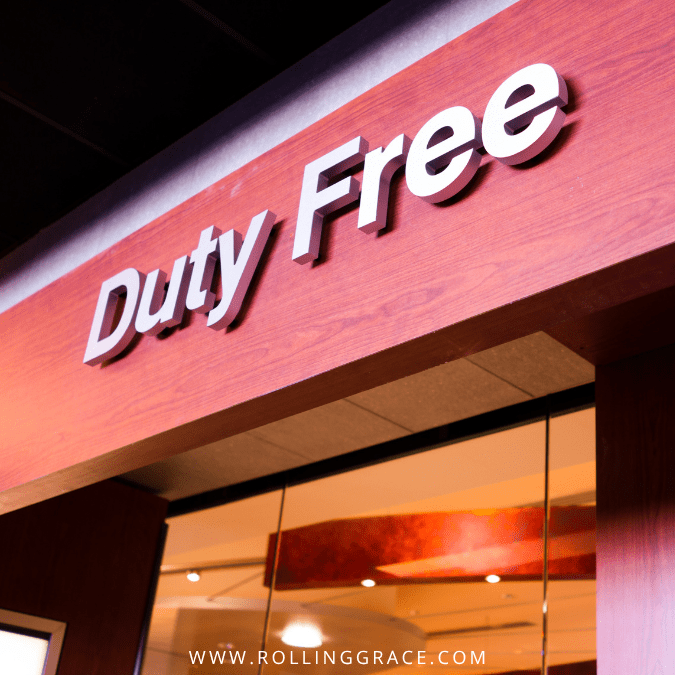
Langkawi’s duty-free status is not a gimmick. Alcohol, chocolate, and tobacco cost a fraction of what they do on the mainland, and Teow Soon Huat in Kuah is the island’s most established duty-free complex. It is not glamorous. The fluorescent lighting and stacked shelves have all the ambiance of a wholesale warehouse. But the prices are the point.
A bottle of Bombay Sapphire here goes for around RM65, roughly half of what you would pay in Kuala Lumpur. The chocolate section is vast: Cadbury, Toblerone, Ferrero Rocher, and Malaysian-made brands line the aisles in towers. Beyond the snacks and spirits, Teow Soon Huat also runs a grocery section with fresh meat and seafood, which is useful if you are self-catering at a villa or apartment.
Many Malaysians travel to Langkawi specifically for the duty-free shopping, so expect it to be busy during public holidays and school breaks. It is often highlighted as one of the things to do in Langkawi.
- Address: A-14, Pokok Asam, 07000 Langkawi, Kedah
- Opening hours: 10am to 9.30pm daily
- Contact: +604-966 5018
Island Hop by Boat
The standard island hopping tour in Langkawi covers three stops: Pulau Dayang Bunting (Pregnant Maiden Island), the eagle feeding spot near Pulau Singa Besar, and Pulau Beras Basah. The full loop takes around four hours by boat and is available as either a group tour or a private charter.
At Pulau Dayang Bunting, a short jungle walk brings you to a freshwater lake surrounded by limestone cliffs. The water is warm enough to swim in year-round, and according to local legend, the lake has the power to help women conceive. The eagle feeding segment involves the boat slowing down while Brahminy kites circle overhead and dive for fish tossed into the water.
It is genuinely spectacular, and even if you have seen it photographed a hundred times, the real thing does not disappoint. Beras Basah is the beach stop, a crescent of white sand with clear water and little else. Pack your own snacks and water.
Group tours start from around RM80 to RM100 per person. Private boats cost more but allow you to linger at each stop and skip the ones that do not interest you. It continues to be one of the things to do in Langkawi for outdoor activities.
It is among the things to do in Langkawi that draw visitors to the island.
Explore Kilim Karst Geoforest Park
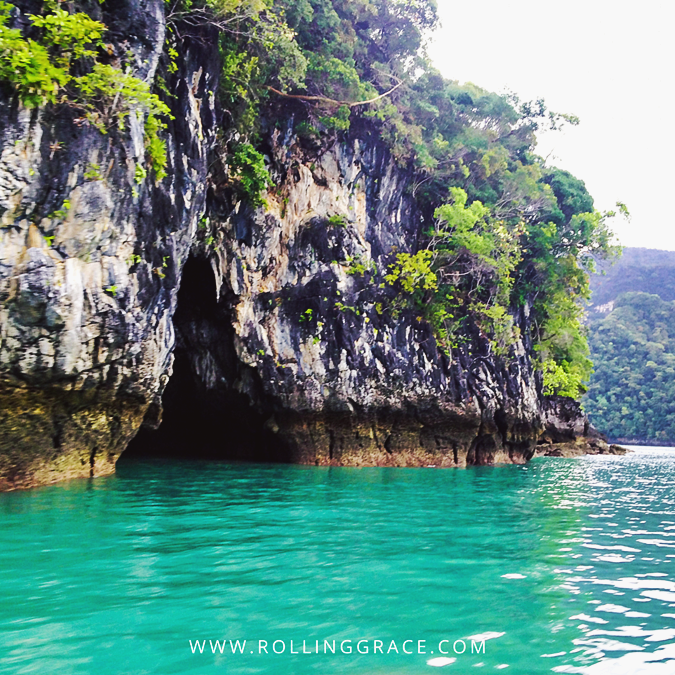
Kilim Geoforest Park on Langkawi’s northeast coast is a UNESCO-listed site, and once you are on the water you understand why. The park is a network of limestone cliffs, mangrove channels, and tidal caves that date back over 350 million years. Boat tours navigate the narrow channels past fossil-embedded rock faces, with stops at Bat Cave (where insectivorous bats cling to the ceiling overhead) and floating fish farms where you can see local aquaculture in action.
Read also: Langkawi History, Legends and Myths: 7 Fascinating Stories
The wildlife viewing here is the best on the island. White-bellied sea eagles and Brahminy kites patrol the thermals above the canopy, monitor lizards bask on the mudflats, and if you visit at low tide, fiddler crabs emerge by the hundred along the riverbanks.
A guided boat tour of two to three hours is the standard. Hire a park-licensed guide at the jetty for the most informative experience; unlicensed operators sometimes skip the geological sites and overcharge for shorter routes. It is often recommended as one of the things to do in Langkawi.
Address: Kilim River Tourism Jetty, Mukim Kampung Kilim, 07000 Langkawi, Kedah

Swim at Tanjung Rhu Beach
Tanjung Rhu is the beach that Pantai Cenang wishes it could be on its best day. Located at the northern tip of Langkawi, this long stretch of white sand is backed by casuarina trees (from which it takes its name) and faces the open Andaman Sea. The water is clean, the crowds are thin even during high season, and the view across to the limestone karsts of the nearby islands is among the most photographed on the island.
The trade-off is that Tanjung Rhu is more remote than Cenang, so you will need your own transport or a taxi to get here. There are no rows of beachfront bars. The Datai and Four Seasons sit nearby, and their restaurants are open to outside guests, but otherwise the dining options are limited.
Bring water, a towel, and sun protection. This is a beach for people who want the sand and the sea without the noise. It is one of the things to do in Langkawi that offers a different side of the island.
A Note on Visiting Responsibly in Langkawi
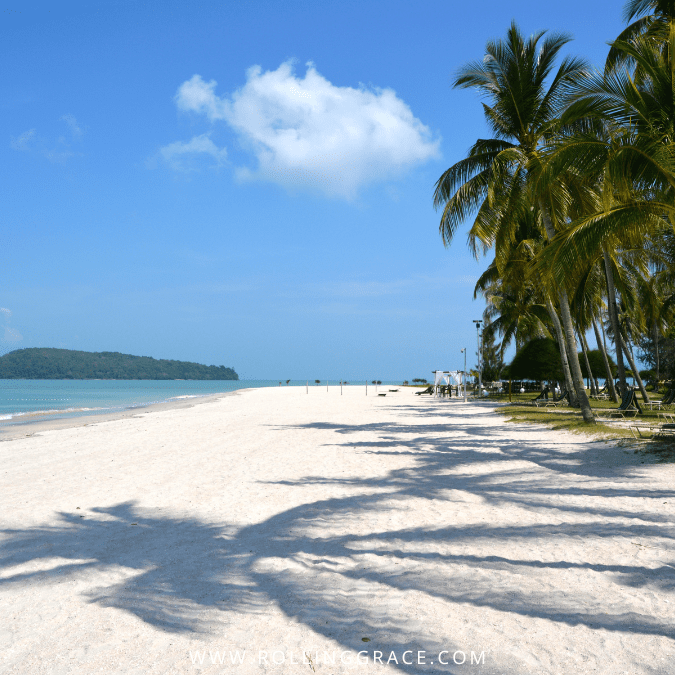
Langkawi is a UNESCO Global Geopark, and that status comes with responsibilities. The BioGeoTrail at Kubang Badak and the Kilim Geoforest Park exist partly because local communities have fought to protect their ecosystems from unchecked development.
When you visit, stick to licensed guides, do not remove fossils or coral fragments, and carry your waste out of the mangrove areas. The island’s marine parks, including Pulau Payar, are also protected zones where touching coral or feeding fish with bread is prohibited. Small actions add up.
Frequently Asked Questions on Things to Do in Langkawi
What is the best time to visit Langkawi?
March to May offers the best balance of clear skies, manageable heat, and lower prices. December to February is peak season with higher accommodation rates and larger crowds. The monsoon runs from September to October, when rough seas can cancel boat tours.
How many days do you need in Langkawi?
Three to four days is enough to cover the main attractions, a beach day, and an island hopping tour. Five days gives you time for Kilim Geoforest Park, Kubang Badak, and a proper exploration of the north coast.
Is Langkawi expensive?
No. Langkawi’s duty-free status keeps alcohol and shopping affordable, and local food is some of the cheapest in Malaysia. Street food at night markets costs between RM3 and RM10 per dish. Mid-range hotels average RM200 to RM400 per night. Luxury resorts such as The Datai and Four Seasons start from RM800 in low season.
Do you need a car in Langkawi?
A scooter or rental car is strongly recommended. The island covers 478 square kilometres, and public transport is limited. Scooter rental starts from around RM40 per day. Taxis do not use meters, and Grab rides add up quickly for longer distances.
Is Langkawi safe for solo travellers?
Yes. Langkawi is generally safe for solo travellers, including women. The tourist infrastructure is well established, locals are welcoming, and violent crime is rare. Standard precautions apply: avoid poorly lit areas at night, secure your belongings on the beach, and travel with a waterproof phone pouch for water activities.
Get the good stuff first. Join Rolling Grace for the restaurants worth crossing a city for, the stays worth the upgrade, and the places to go before everyone else. Free, straight to your inbox.
Leave a Reply