The Rolling Grace Thailand Travel Guide covers everything you need to plan an informed trip, from Bangkok’s street food lanes to the temples of Chiang Mai and the islands of the Gulf of Thailand.
Thailand does not overwhelm at first glance. It unfolds through contrast and cadence, shaped by mountain ranges in the north, fertile plains at its centre and coastlines that stretch along both the Andaman Sea and the Gulf of Thailand. Movement defines the experience. One morning you are navigating the elevated train lines of Bangkok, by afternoon you are walking temple grounds edged with frangipani, and days later you find yourself stepping off a longtail boat onto pale sand.
Its real pleasures are grounded in the everyday. They linger in the charcoal smoke of a street-side grill at dusk, the balance of lime, fish sauce and chilli in a single spoonful, the shift from dense city traffic to rice fields that widen quietly beyond the highway.
This is our comprehensive Thailand travel guide, bringing together where to go, what to eat, when to visit and how to plan your journey with confidence.
Where to Go in Thailand
Thailand’s principal destinations are structured around region. Bangkok serves as the transport and commercial hub, with historic temple complexes and dense street food districts.
Chiang Mai in the north offers access to mountain terrain and Lanna cultural heritage, while Phuket and Krabi provide Andaman Sea coastlines known for limestone karst formations. Ayutthaya preserves the remains of the former Siamese capital, and the islands of Koh Samui and Koh Tao anchor tourism in the Gulf of Thailand. Travel between regions is efficient via domestic flights, rail and highway networks.

Thailand Travel Guide: Top Destinations
This is the Rolling Grace Thailand Travel Guide, updated with current travel conditions, destination-level detail, and editorial recommendations drawn from time spent on the ground across the country.
Best places to visit in Thailand

12 Best Things to Do in Hua Hin, Thailand for a Perfect Trip
There is no shortage of things to do in Hua Hin, but the ones worth remembering start at the night market, where the seafood…
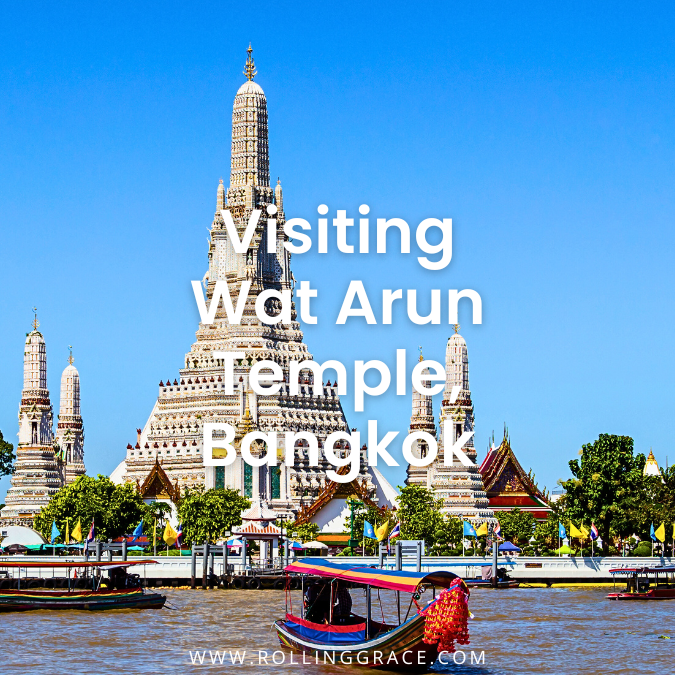
Wat Arun Temple Bangkok: 10 Things to Know Before Visiting
Rising from the west bank of the Chao Phraya River, Wat Arun is one of Bangkok’s most recognisable landmarks. Its porcelain-covered spire shifts tone…

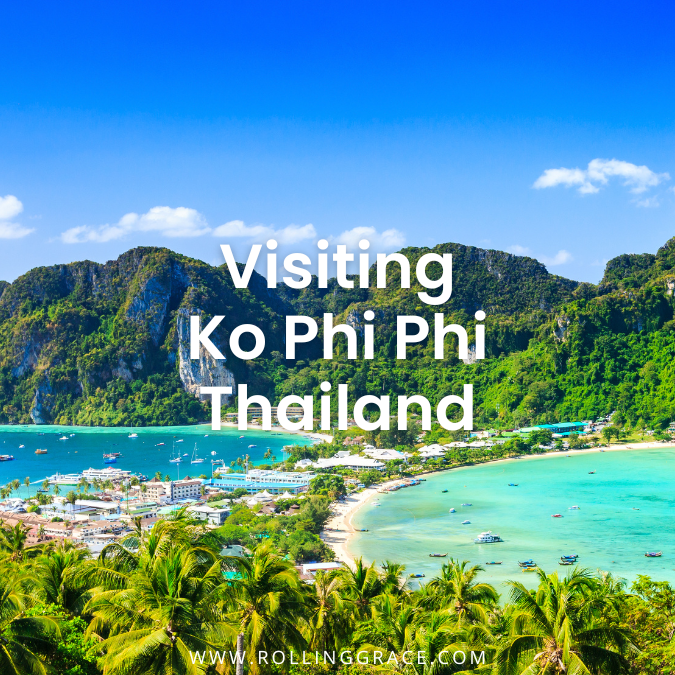
Things to Do in Ko Phi Phi: 5 Experiences Worth Your Time
Ko Phi Phi sits in the Andaman Sea between Phuket and Krabi, reached by ferry or speedboat from either coast. The island is compact,…
Something went wrong. Please refresh the page and/or try again.
Where to Eat in Thailand
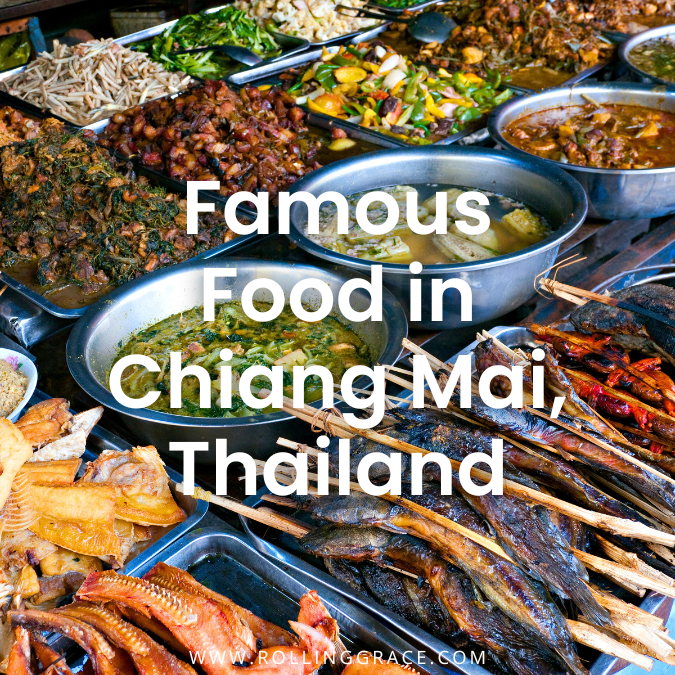
Thailand’s food culture is structured by region and climate. Northern provinces lean into herbs, grilled meats and sticky rice, the northeast builds heat and acidity through som tam and larb, central Thailand balances sweet, sour and savoury in everyday curries, and the south draws heavily from coconut, seafood and Muslim culinary traditions. Proximity to Laos, Myanmar and Malaysia has shaped local flavour profiles over centuries. Street food remains a central part of urban life, especially in Bangkok, where entire neighbourhoods are defined by specific dishes.
At Rolling Grace, our Thailand food guides focus on vendors and restaurants that maintain standards beyond peak visitor periods. We look at charcoal-grilled stalls that draw local office workers at lunch, long-running shophouse kitchens known for a single curry, and wet markets where produce moves directly into surrounding eateries. The emphasis is on consistency, sourcing and regional accuracy, separating novelty stops from meals that genuinely define place.

Best Time to Visit Thailand
Thailand has three seasons: cool and dry from November to February, hot from March to May, and wet from June to October. The overlap between them varies by region, and the southern coasts follow a different pattern on each side of the peninsula.
The cool season between November and February is the most reliable window for travel across most of the country. Bangkok, Chiang Mai, and the northern highlands are at their most comfortable during these months. The Andaman coast, including Phuket, Krabi, and Khao Lak, is calm and dry from November through April, with the clearest sea conditions for diving and island travel.
The Gulf of Thailand coast runs on a different schedule. Koh Samui, Koh Phangan, and Koh Tao are best visited between January and August. October to December is the wettest period on this side, with Koh Samui in particular receiving heavy rainfall through November and December.
April is the hottest month across most of Thailand, with temperatures frequently exceeding 38°C in Bangkok and inland cities. It also marks Songkran, the Thai New Year water festival, which falls on 13 to 15 April and significantly increases domestic and international visitor numbers.
The southwest monsoon arrives in May and affects most of the country through October, with August and September being the wettest months nationally. Travel remains possible during this period, but trekking routes in the north and Andaman coast ferry schedules are affected. Flooding can disrupt road access in central and northern Thailand during peak monsoon months.
Thailand’s peak domestic travel periods coincide with Songkran in April, the long weekend around the King’s Birthday in late July, and school holidays in October. Accommodation prices and transport demand rise sharply during these windows. Booking ahead is necessary, particularly on the islands.
Thailand Travel Guide & Tips
- Currency: Thai Baht (THB). Cards are accepted at hotels, shopping malls, and larger restaurants. Cash is necessary at street food stalls, markets, tuk-tuks, and smaller guesthouses. ATMs are widely available but charge foreign withdrawal fees.
- Language: Thai is the national language. English is spoken in Bangkok, Chiang Mai, Phuket, and most tourist centres. Outside these areas and in rural provinces, communication requires patience and slower speech.
- Religion: Buddhism is the predominant religion and is woven into daily life. Temples are active places of worship, not attractions. Dress modestly when entering, covering shoulders and knees, and remove shoes before entering any temple building. During Buddhist holidays, alcohol sales may be restricted.
- Electricity: 220V, 50Hz. Sockets accept Type A, B, C, and O plugs. Most outlets are hybrid and compatible with flat two-pin and round two-pin plugs. UK plugs require an adaptor. Visitors from 110V countries such as the United States will need a voltage converter for single-voltage appliances.
- Mobile and connectivity: SIM cards from AIS, TrueMove H, and DTAC are available at international airports, 7-Eleven, FamilyMart, and official operator stores. Passport registration is required at point of purchase. AIS has the widest nationwide coverage and is the recommended choice for travel beyond major cities. Signal drops off in remote highland and border areas.
- Tipping: Not formally required but common in tourist areas. Rounding up or leaving 20 to 50 baht is standard. Higher-end restaurants in Bangkok and resort areas may include a service charge.
Complete Thailand Travel Guide


Something went wrong. Please refresh the page and/or try again.
Travelling Responsibly in Thailand
Thailand’s natural environment, including its coral reefs, marine parks, and northern forest reserves, is under sustained pressure from mass tourism. In protected areas such as Mu Ko Surin, Khao Yai, and Doi Inthanon, follow ranger guidance and stay on designated paths. Sunscreen containing oxybenzone is banned in several national marine parks to protect coral.
Buddhist ceremonies and merit-making rituals are part of everyday life and are not performed for visitors. If you encounter a monk, a procession, or an active ceremony, observe quietly and at a distance. Women should not touch or hand objects directly to monks.
Wildlife tourism in Thailand requires caution. Elephant venues that offer riding, performances, or close physical contact rarely operate in ways that serve the animals. Responsible elephant experiences involve observation, distance, and sanctuaries with verifiable rescue and rehabilitation programmes.