There is no shortage of things to do in Hua Hin, but the ones worth remembering start at the night market, where the seafood is grilled to order and the bill rarely exceeds the cost of the taxi from Bangkok.
The seafood grill at the Hua Hin Night Market had no menu, no English signage, and no seats left. A woman behind the counter pointed at the display of whole prawns, squid, and snapper laid out on ice, held up three fingers, and mouthed a price that came to less than the taxi from Bangkok.
Twenty minutes later, the plate arrived: charred, salted, and served with a chilli-lime dipping sauce that made the three-hour drive worth it before the first bite was finished.
Read also: 10 Best Chiang Mai Street Food You Can’t Miss in Thailand
Eat Your Way Through Hua Hin Night Market
The Hua Hin Night Market runs nightly along Decha Nuchit Road at the intersection with Phetkasem Road, and it is the heart of the town after dark. The market is split between souvenir stalls selling clothing, jewellery, and beachwear, and a dense row of seafood restaurants and street food vendors cooking over open flames.
It is one of the most popular things to do in Hua Hin, especially for first-time visitors exploring the town.
Book One Day Tour to Hua Hin from Bangkok
The seafood is the draw. Whole grilled prawns, squid, snapper, and crab are displayed on ice at the front of each stall, and you point at what you want. Prices are marked per piece or per kilogram.
Beyond seafood, the stalls sell sticky mango rice, roti with banana and condensed milk, som tam, spring rolls, and pad thai cooked to order. Many of the restaurants double as bars, so you can eat grilled fish and drink a cold Singha at the same table. Go between 6pm and 9pm for the best selection.

Browse Cicada Market on a Friday or Saturday Night
Cicada Market is Hua Hin’s more polished evening market, located in tree-shaded grounds off Nong Kae-Takiab Road near the southern end of town. It is open Friday, Saturday, and Sunday evenings only, and the atmosphere is more curated than the main night market: handmade crafts, independent art, clothing from local designers, and international food stalls alongside Thai street food.
Live music and performance art run throughout the evening, and the crowd is a mix of Thai families, expats, and visiting tourists. If you enjoy markets for the browsing as much as the buying, Cicada is the better option.
The food stalls here tend to be slightly more creative than the night market, with craft cocktails and fusion dishes alongside the standard Thai options. It is a well-known highlight among things to do in Hua Hin, drawing steady interest throughout the year.

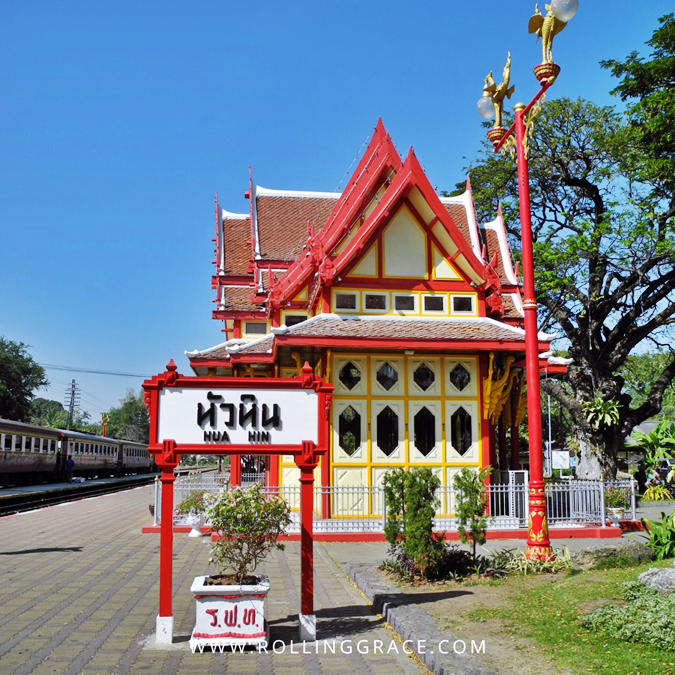
Visit the Hua Hin Railway Station
The Hua Hin Railway Station is one of the oldest and most photographed in Thailand. Built in the early 20th century, the main building is a wooden colonial-era construction painted in red and cream. The highlight is the Royal Waiting Room, the Phlapphla Phra Mongkutklao, a Chaturamuk pavilion originally built during the reign of King Rama VI and relocated here from Sanam Chan Palace in Nakhon Pathom.
The station is still operational and sees daily trains on the Southern Line connecting Bangkok to the south. Entry is free. It takes 15 to 20 minutes to walk through and photograph, and it pairs well with a visit to the night market, which is a short walk away. It is a widely visited choice among things to do in Hua Hin, often included in short itineraries.
Explore Sam Phan Nam Floating Market
Sam Phan Nam Floating Market is built on a man-made lake and connected by wooden walkways. The market has over 200 stalls selling handmade crafts, soaps, lotions, artwork, and souvenirs at prices lower than the main tourist areas. A food court serves local snacks and lunch options, and you can take a boat ride across the lake to explore the stalls from the water.
Three cultural show performances run daily on the lake, adding to the atmosphere. The market is located roughly 15 minutes west of central Hua Hin. Open daily from 10am to 10pm. It is more commercial than a traditional Thai floating market, but it is well maintained, family-friendly, and worth an hour or two if you enjoy browsing. It remains a popular option within things to do in Hua Hin, particularly for a relaxed day out.

Spend a Day at Hua Hin Beach
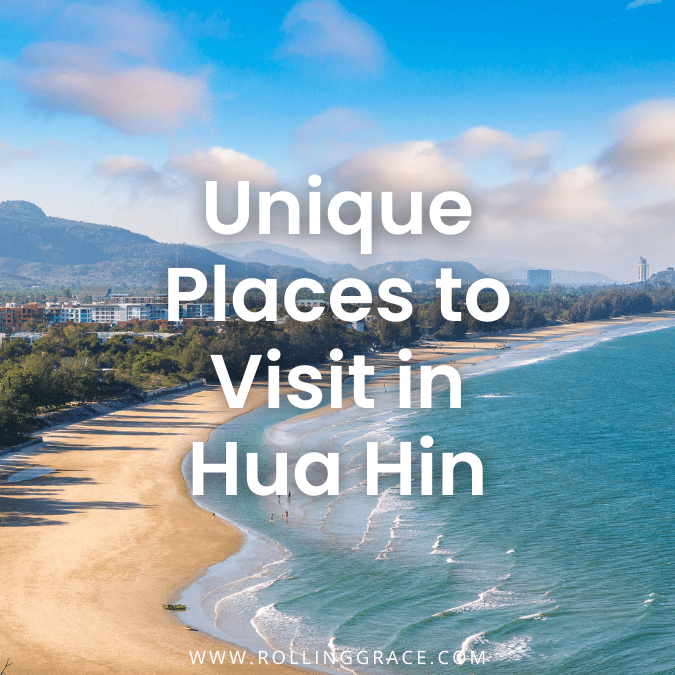
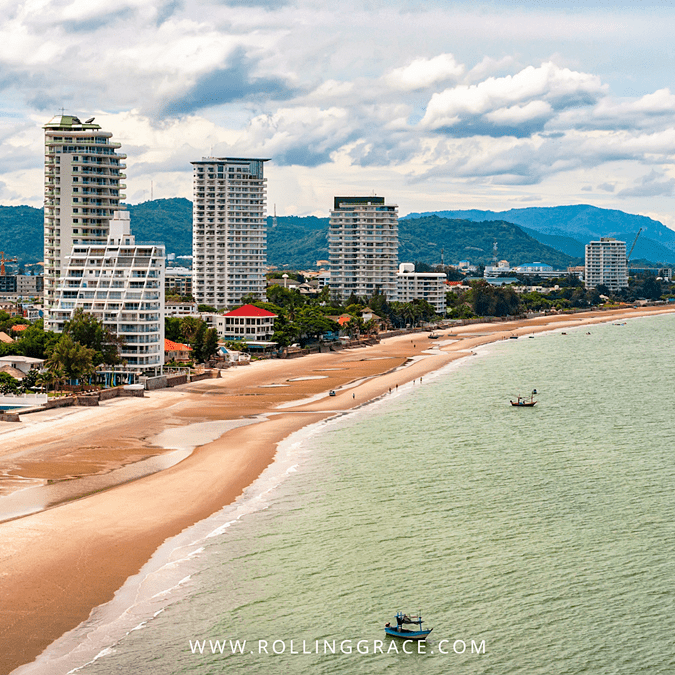
Hua Hin Beach stretches over 5 kilometres from the fishing pier in the north to Khao Takiab (Chopstick Hill) in the south. The sand is fine and white, the water is calm and shallow, and the beach is wide enough that it rarely feels overcrowded even during peak season.
During the day, you can hire sunbeds, go horseback riding along the shoreline, try jet skiing, banana boating, kiteboarding, or parasailing. Beachfront massage huts offer Thai massage for around 300 baht per hour.
For families, the shallow water and gentle waves make it safe for young children to swim. In the evening, the beach turns golden as the sun drops, and the horse rides along the water’s edge become particularly photogenic. It is regarded as a favourite among things to do in Hua Hin, appreciated for its accessibility and appeal.
Hike to Phraya Nakhon Cave in Khao Sam Roi Yot
Khao Sam Roi Yot National Park is roughly 45 minutes south of Hua Hin, and it contains one of the most spectacular caves in Southeast Asia. Phraya Nakhon Cave is a partially collapsed cave with a sinkhole that allows sunlight to pour in and illuminate the Kuha Karuhas Pavilion, a royal sala built inside the cave in 1890 for King Rama V.
The hike to the cave takes around 30 to 45 minutes from the trailhead at Laem Sala Beach. The path is steep in places and involves climbing over rocks, so wear proper shoes. Arrive early in the morning (before 10am) for the best light, when the sun hits the pavilion directly and the entire cave glows.
The national park also protects the largest freshwater marsh in Thailand and is excellent for birdwatching. It is a go-to experience within things to do in Hua Hin, especially for those exploring nearby attractions.

Visit Wat Hua Hin (Wat Ampharam)
Wat Hua Hin, also known as Wat Ampharam, is the most important temple in the town and is located in the centre of Hua Hin, a short walk from the railway station. The temple serves as both a place of worship and a monastery, and locals can be seen praying or taking part in afternoon meditation sessions throughout the day.
The temple grounds are well maintained, with ornate Thai architecture and a peaceful atmosphere that offers a break from the busier tourist areas. Entry is free. Dress modestly (cover shoulders and knees) and remove your shoes before entering the main hall.

See the Royal Monuments at Rajabhakti Park
Rajabhakti Park is a large public park located just off the highway south of Hua Hin, dedicated to the legacy of seven of Thailand’s most revered kings. Seven bronze statues, each standing 13.5 metres tall, represent monarchs from the Sukhothai period through to the current Chakri Dynasty. The base of the statues houses a small museum covering Thai royal history.
Entry is free. Electric carts and bicycles are available for hire to tour the grounds. The park is best visited in the early morning or late afternoon when the light is softer and the heat is manageable. It takes roughly 30 to 45 minutes to walk through at a comfortable pace. It is a recognised highlight among things to do in Hua Hin.

Climb Khao Takiab (Chopstick Hill)
Khao Takiab is a 272-metre hill jutting out into the Gulf of Thailand at the southern end of Hua Hin Beach. A set of steps leads up to Wat Khao Takiab, a Buddhist temple at the summit with panoramic views of the coastline. The hill is home to a large population of macaques, so keep bags closed and do not feed them.
At the base of the hill, Khao Takiab Beach is a calmer alternative to the main beach, with several good seafood restaurants along the shore. The climb takes around 15 to 20 minutes and is manageable for most fitness levels. It continues to rank among things to do in Hua Hin, attracting both repeat visitors and newcomers.

Wine Tasting at Monsoon Valley Vineyard
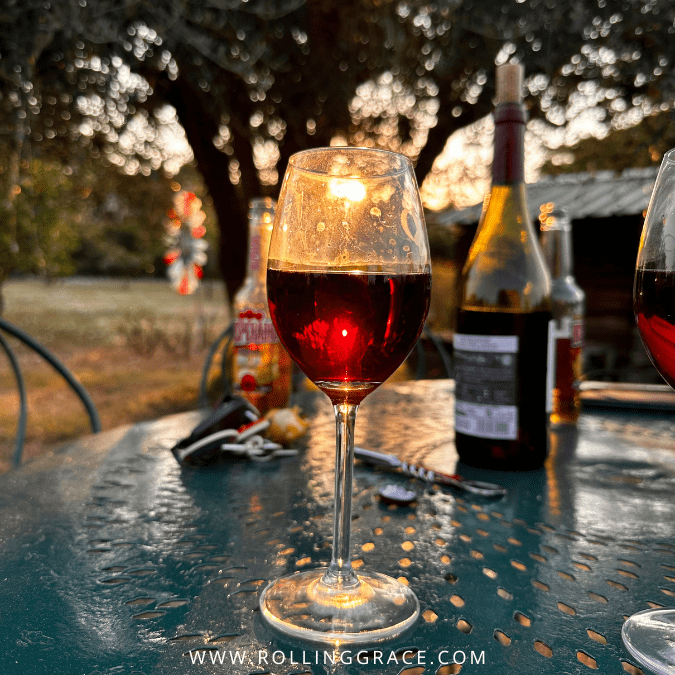
Monsoon Valley Vineyard, also known as Hua Hin Hills Vineyard, is Thailand’s largest vineyard, located roughly 45 kilometres west of Hua Hin in a scenic mountain valley. The vineyard grows over 10 grape varietals across 100 hectares of plantation and produces wines that are exported internationally.
Book a guided tour to Monsoon Valley Vineyards in Hua Hin
Wine tours and tastings start from around 1,700 baht and include a guided walk through the vines, a tasting of multiple wines, and lunch at the on-site restaurant with views across the valley.
The vineyard also hosts seasonal events, including jazz and wine evenings during the December to February high season. It is a familiar inclusion among things to do in Hua Hin, fitting easily into a relaxed day of exploring.
Cool Off at Vana Nava Water Jungle
Vana Nava is Hua Hin’s largest water park, designed with a jungle theme and featuring over 20 slides and rides. Highlights include The Abyss, Thailand’s largest water slide, a surf simulator, a ropes course, a lazy river, and a wave pool. A dedicated kids’ zone keeps younger children occupied.
Buy Vana Nava Waterpark Ticket in Hua Hin
Admission is around 1,190 baht for adults and 890 baht for children. The park opens daily from 10am to 6pm. It is located centrally in Hua Hin and is walkable from most hotels in the Nong Kae area. Black Mountain Water Park, roughly 15 minutes from the town centre, is a good alternative with a more relaxed atmosphere and a large wave pool.

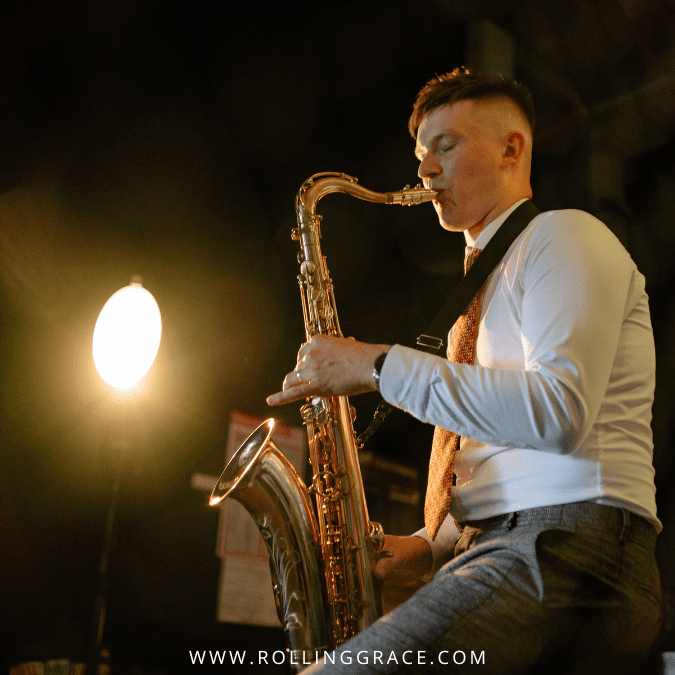
Catch the Hua Hin International Jazz Festival
The Hua Hin International Jazz Festival is now in its 19th year and is the most established jazz event in Thailand, drawing around 15,000 spectators annually. The festival has expanded from a single beachfront evening to a multi-day celebration held across several venues, with Thai and international jazz artists performing over four to five days. It is a well-established option within things to do in Hua Hin, drawing a steady mix of visitors.
The festival typically features free public access for the beachfront performances. Check the official Hua Hin Jazz Festival social media pages for 2026 dates and line-up.
History of Hua Hin
Hua Hin started as a fishing village on the Gulf of Thailand’s western shore. In the 1920s, the Thai royal family built a summer palace here, and the seaside town slowly became the country’s first beach resort.
Today it is a three-hour drive south of Bangkok and popular with Thai families on weekend trips, European retirees, and travellers looking for a coastal break without the full-throttle energy of Phuket or Pattaya. The pace is slower, the seafood is fresher, and the prices are lower.
For the full picture on planning your trip, see our Thailand Travel Guide.
Hua Hin Day Trip from Bangkok
Hua Hin is not trying to be Bangkok or Phuket. Its appeal is in what it is not. There are no go-go bars, no full moon parties, and no high-rise hotel strips. What you get instead is a long, calm beach with horse rides along the shoreline at sunset, night markets that locals actually shop at, a Victorian-era railway station that looks like it belongs in a Wes Anderson film, and a national park 45 minutes south that contains one of the most photographed caves in Southeast Asia.
The best things to do in Hua Hin reward people who are happy to eat well, explore at a walking pace, and let the day take shape on its own terms.
Tips for Visitors
How to Get to Hua Hin
Hua Hin is roughly 3 hours by car from Bangkok, 2.5 hours from Suvarnabhumi Airport, and accessible by train from Bangkok’s Hua Lamphong or Bang Sue Grand Station (roughly 4 hours). Minivans run regularly from Bangkok’s Southern Bus Terminal and Victory Monument. Private transfers can be booked through hotels or online platforms.
Getting Around Hua Hin
A scooter or rental car is the easiest way to get around. Songthaews (open-sided trucks) run along Phetkasem Road for short distances. Tuk-tuks are available for shorter trips within the town centre. Grab is operational in Hua Hin but coverage is less dense than in Bangkok.
Best Time to Visit
- November to February offers the best weather, with lower humidity and minimal rainfall. This is peak season, so expect higher hotel prices.
- March to May is hot but manageable with the sea breeze.
- June to October is the rainy season, though Hua Hin receives less rain than most other Thai beach destinations during the monsoon.
Frequently Asked Questions on Things to Do in Hua Hin
Is Hua Hin worth visiting?
Yes. Hua Hin is one of the most accessible beach destinations from Bangkok, with a more relaxed pace, lower prices, and a stronger local food scene than Pattaya or the southern islands. It is particularly well suited to couples, families, and travellers who prefer a slower, less commercialised beach experience.
How many days do you need in Hua Hin?
Two to three days is enough to cover the main attractions, including the night market, a beach day, and a day trip to Khao Sam Roi Yot. Four to five days allows time for the vineyard, water parks, and a more relaxed pace.
Is Hua Hin expensive?
No. Hua Hin is one of the more affordable beach destinations in Thailand. Street food costs 30 to 80 baht per dish. Mid-range hotels start from around 1,500 baht per night. Beachfront massage is roughly 300 baht per hour.
Is Hua Hin safe?
Yes. Hua Hin is generally safe for tourists, including solo travellers and families. Standard precautions apply: watch your belongings at markets, avoid poorly lit streets at night, and use bottled water.
What is the best night market in Hua Hin?
The Hua Hin Night Market on Decha Nuchit Road is the most established and best for seafood. Cicada Market near Khao Takiab is the better option for art, crafts, and a more curated atmosphere, but only opens Friday to Sunday evenings.
This guide is based on personal visits to Hua Hin, with all details verified at the time of writing.
Get the good stuff first. Join Rolling Grace for the restaurants worth crossing a city for, the stays worth the upgrade, and the places to go before everyone else. Free, straight to your inbox.
Leave a Reply