Thailand’s culinary identity is often associated with bold flavours, street food culture, and a balance of contrasting tastes. While meat and seafood feature prominently, vegetarian Thai dishes have long existed alongside these traditions, shaped by geography, religion, and regional influences.
Across markets, home kitchens, and Buddhist vegetarian eateries, many Thai dishes rely on vegetables, herbs, rice, and noodles as their foundation. These dishes are not adaptations or afterthoughts. They reflect the same balance of sweet, sour, salty, and spicy that defines Thai cooking.
Here are six vegetarian Thai dishes that offer a clear window into the country’s food culture, from everyday staples to timeless desserts.
Read more: Paradise Lost: The Alarming Impact of Sea Pollution in Thailand

Pad Thai
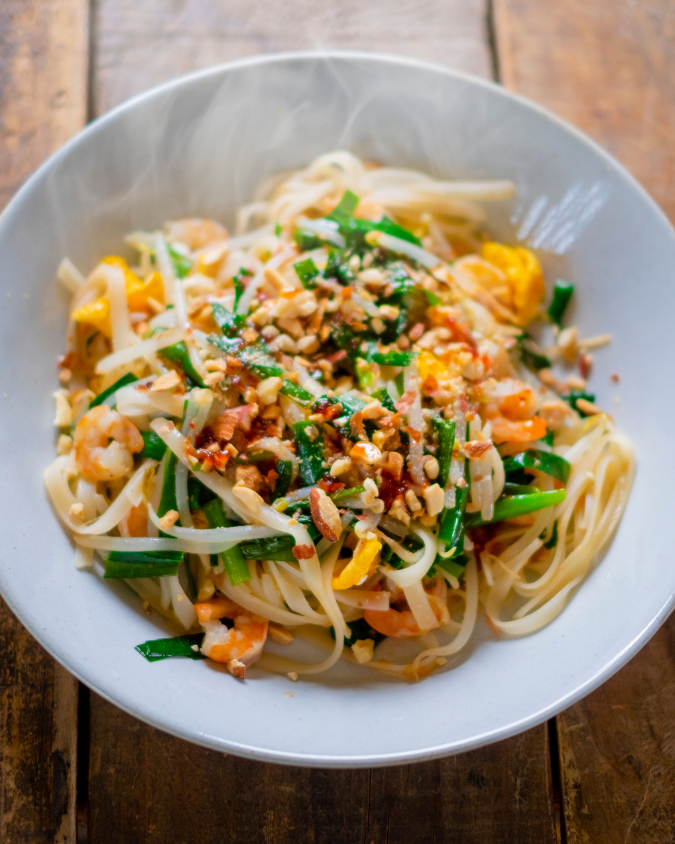
Pad Thai is one of Thailand’s most recognisable dishes and a fixture of street food culture. Its rise in popularity dates back to the mid 20th century, when the Thai government promoted noodle based dishes as part of a national identity building effort and to reduce domestic rice consumption.
At its core, Pad Thai consists of stir fried rice noodles cooked with tamarind paste, garlic, shallots, palm sugar, and chilli. The vegetarian version replaces meat with tofu and commonly includes bean sprouts, chives, and egg, which can be omitted for a vegan preparation.
The dish is finished with crushed peanuts and lime, allowing diners to adjust acidity and texture to taste. Pad Thai’s appeal lies in its balance rather than intensity, making it one of the most accessible Thai dishes for first time diners.
Som Tum
Som Tum, or green papaya salad, originates from Laos and became widely adopted in Northeastern Thailand, particularly in the Isan region. It is now found throughout the country, with variations reflecting local preferences.
The salad is made using shredded unripe papaya, long beans, tomatoes, and chillies, dressed with lime juice and palm sugar. In vegetarian versions, fish sauce is omitted or replaced with soy based seasoning.
Som Tum is often prepared using a mortar and pestle, which bruises the ingredients and allows flavours to meld without overmixing. The result is crisp, refreshing, and sharply flavoured, representing the Thai approach to balancing sourness, sweetness, saltiness, and heat in a single dish.

Spring Rolls
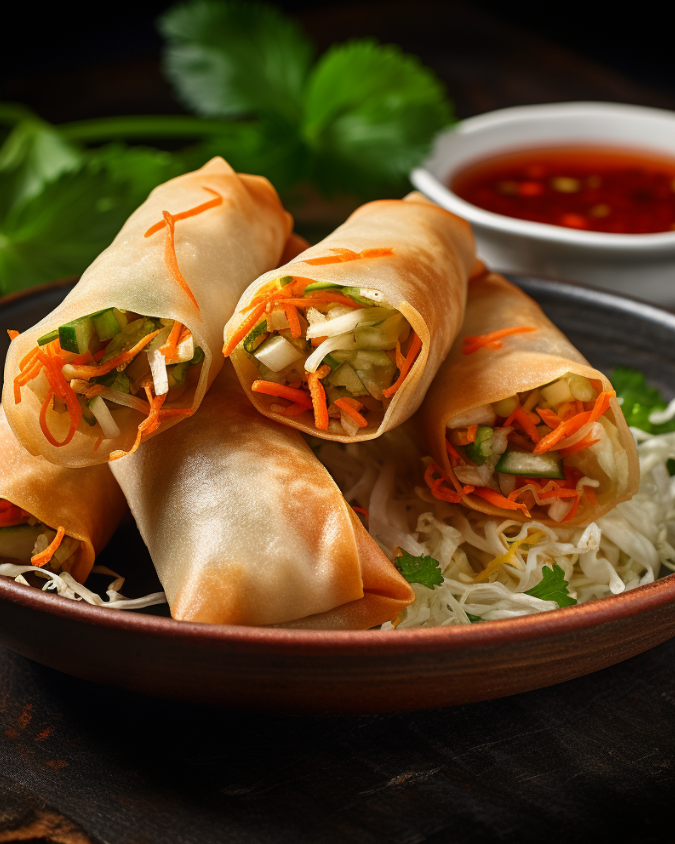
Spring rolls entered Thai cuisine through Chinese influence and have since become a common street snack and appetiser. Vegetarian spring rolls are widely available and are often filled with glass noodles, cabbage, carrots, mushrooms, and other vegetables.
Wrapped in thin pastry and deep fried until golden, spring rolls are typically served with sweet chilli sauce or a light vinegar based dip. While simple in structure, they rely on contrast between crisp exterior and soft filling.
In Thai culture, spring rolls are often associated with celebrations and gatherings, symbolising renewal and abundance. Their portability and affordability make them a staple in markets and food stalls across the country.
Tom Yum Soup
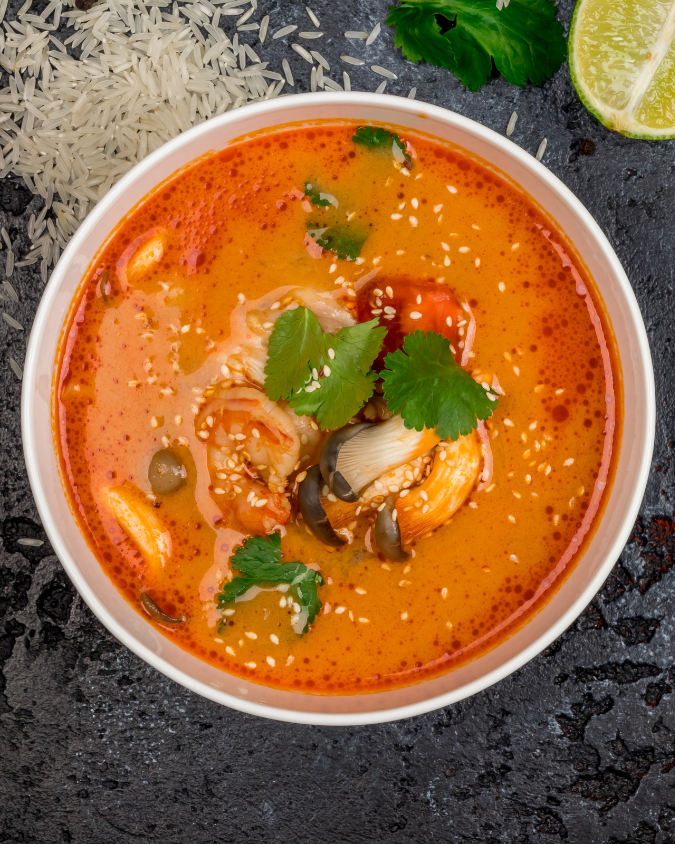
Tom Yum is one of Thailand’s most iconic soups, known for its clear broth and aromatic intensity. While traditionally prepared with shrimp or seafood, vegetarian Tom Yum is widely enjoyed and retains the dish’s defining elements.
The soup is flavoured with lemongrass, kaffir lime leaves, galangal, chillies, lime juice, and mushrooms. These ingredients provide fragrance and depth without relying on animal proteins.
The name reflects the cooking method and flavour profile. “Tom” refers to boiling, while “Yum” describes a spicy and sour combination. Vegetarian Tom Yum offers a lighter yet equally expressive version of the classic, highlighting Thailand’s reliance on herbs and aromatics.
Gaeng Jued
Gaeng Jued is a mild soup that contrasts with the stronger flavours often associated with Thai cuisine. Its name translates to “clear soup” or “bland soup,” though the dish is more subtle than flavourless.
The vegetarian version typically includes glass noodles, tofu, baby corn, mushrooms, and leafy greens, seasoned lightly with garlic and white pepper. The broth is clean and restrained, allowing individual ingredients to remain distinct.
Gaeng Jued is commonly served as part of a shared meal, providing balance alongside spicier dishes. It reflects the Thai understanding of contrast within a meal rather than within a single dish, making it one of the must-try vegetarian Thai dishes.

Mango Sticky Rice
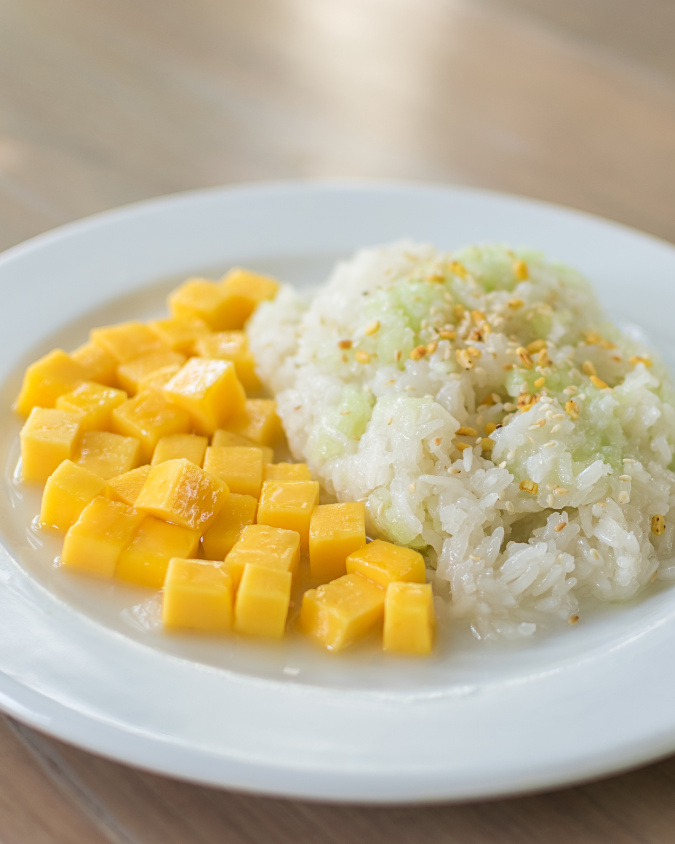
Mango sticky rice is one of Thailand’s most recognised desserts and a reflection of the country’s agricultural heritage. It is traditionally prepared using glutinous rice cooked with coconut milk and served with ripe mango slices.
The dish is finished with a light drizzle of salted coconut cream, creating a balance between sweetness and savouriness. It is commonly made using Hom Mali rice, Thailand’s prized jasmine variety.
Mango sticky rice is often seasonal, appearing during mango harvest months. Its simplicity and reliance on quality ingredients make it a lasting symbol of Thai dessert culture.
Understanding Vegetarian Thai Dishes
Vegetarian Thai food is not defined by substitution alone. Many dishes are inherently plant based, shaped by regional produce, Buddhist practices, and everyday cooking traditions. Herbs, roots, fermented ingredients, and fresh vegetables form the backbone of the cuisine.
Rather than isolating vegetarian food as a separate category, Thai meals often incorporate multiple dishes with varying intensities and textures. This approach allows vegetarian dishes to sit naturally alongside other offerings.
Experiencing Plant-based Thai Dishes
Whether found at street stalls, dedicated vegetarian eateries, or home kitchens, these dishes offer insight into Thailand’s culinary values. Balance, freshness, and restraint are as important as bold flavour.
To experience these dishes fully is to engage with Thai food culture as it exists today. It is not about novelty or adaptation, but continuity and care.
Rolling Grace invites readers to explore these vegetarian Thai dishes not as alternatives, but as integral expressions of one of Southeast Asia’s most enduring cuisines.
Get the good stuff first. Join Rolling Grace for the restaurants worth crossing a city for, the stays worth the upgrade, and the places to go before everyone else. Free, straight to your inbox.
Leave a Reply