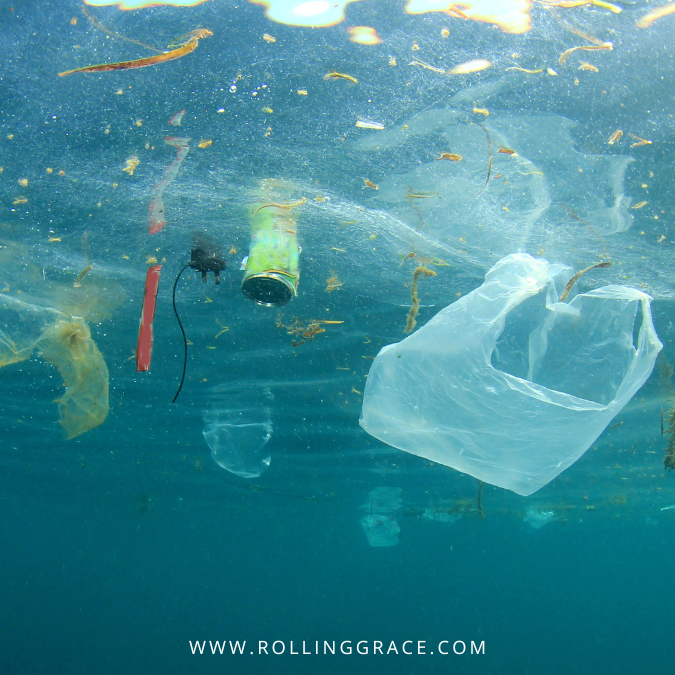
The pristine beauty of Thailand’s waters faces a stormy adversary. Plastic, the once hailed marvel of convenience, now forms an unwelcome veil over the marine vistas, with over 2 million tonnes finding its aquatic grave here annually. The causes are manifold – ranging from inadequate waste management practices to the unchecked disposal of single-use plastics. This insidious invasion not only mars the scenic splendour but threatens marine biodiversity, impacting the very livelihood of communities that cradle these coasts.
Amidst this tumult, Thailand is not standing idly by; this nation is marching forward with resolve. From the bustling markets of Bangkok to the serene beaches of Phuket, every choice to forsake plastic for more sustainable alternatives is a stride towards redemption. The country is also pioneering in weaving better waste management practices, aspiring to sieve out the pollutants that once flowed unbridled into the cerulean depths.
As a traveller, your role transforms from an observer to an active participant in this narrative. Whether opting for a bamboo straw in your mango smoothie or embracing reusable bags as you wander through local bazaars, your actions, no matter how small, cascade into a collective force propelling Thailand towards a cleaner marine future.
Read also: Microplastics in Malaysian Food: Hidden Dangers and Health Risks
Table of Contents
Sea Pollution in Thailand by the Numbers
Thailand ranks among the world’s top contributors to ocean plastic pollution, driven by high single-use plastic consumption and waste management infrastructure that has not kept pace with demand. The average Thai uses up to eight plastic bags per day, and a significant share of that waste ends up in coastal waters rather than landfill. The downstream effect is visible across the marine ecosystem: plastic debris entangles and is ingested by marine species, while the breakdown of larger items produces microplastics that have been detected in fish, shellfish and plankton alike. Once microplastics enter the food chain, removal is not possible.
The consequences extend beyond the water. Thailand’s tourism industry depends heavily on the condition of its beaches and coastal marine environments, and plastic waste is a direct threat to that. Maya Bay, closed from 2018 to 2022 specifically to allow ecological recovery, is the clearest example of how quickly a high-traffic coastline can deteriorate. The beach reopened with strict visitor caps in place, but the pressure on Thailand’s coastal sites has not gone away, and neither has the plastic.

Understanding the Scope of Sea Pollution in Thailand
Sea pollution in Thailand has become a pressing environmental concern, threatening the country’s rich marine ecosystems and coastal communities. This issue encompasses a wide range of contaminants, including plastic waste, industrial effluents, oil spills, and agricultural runoff, which find their way into the ocean through various channels.
One of the major sources of sea pollution in Thailand is plastic waste. The country’s reliance on single-use plastics, coupled with inadequate waste management systems, has led to a significant amount of plastic debris ending up in the ocean. This plastic pollution not only poses a threat to marine life but also impacts the tourism industry, which is a vital economic sector for Thailand.
Industrial effluents from factories and manufacturing plants along the coastline are another significant contributor to sea pollution in Thailand. These effluents often contain harmful chemicals, heavy metals, and other toxic substances that can have severe consequences for marine ecosystems and human health.
Oil spills, whether from offshore drilling operations, shipping accidents, or illegal discharges, pose a significant threat to Thailand’s coastal environments. These spills can have devastating effects on marine life, contaminate beaches, and disrupt local economies that rely on fishing and tourism.
Furthermore, agricultural runoff carrying fertilisers, pesticides, and other chemical residues can find its way into the ocean, leading to nutrient overload and the formation of harmful algal blooms, which can deplete oxygen levels and harm marine life.
While sea pollution is a nationwide issue, certain areas in Thailand are more heavily impacted than others. The Gulf of Thailand, particularly the coastlines of Rayong, Chonburi, and Samut Prakan provinces, have experienced significant pollution due to the concentration of industrial activities and inadequate waste management practices. The Andaman Sea, which borders popular tourist destinations like Phuket and Krabi, has also been affected by plastic pollution and coastal development.

Environmental Impact of Ocean Pollution
Sea pollution in Thailand poses a severe threat to the country’s marine ecosystems, driven by untreated industrial effluents, agricultural runoff and improper waste disposal contaminating coastal waters.
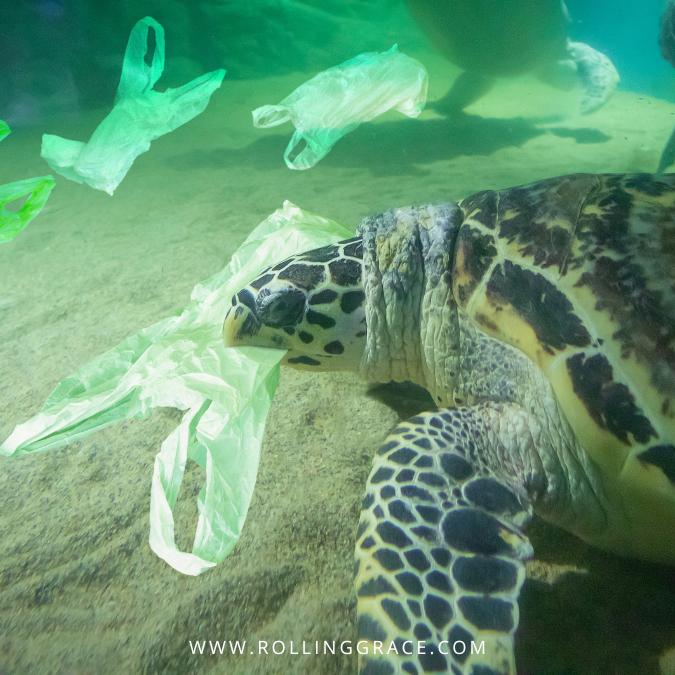
Coral reefs are among the most visibly affected. Excess nutrients from pollution trigger algal blooms that deprive corals of sunlight and oxygen, while heavy metals and persistent organic pollutants directly damage or kill coral polyps. Marine life faces parallel pressures: plastic ingestion, entanglement in discarded fishing nets and chemical exposure cause injury, malnutrition and reproductive issues across fish, sea turtles and marine mammals, with cascading effects through the food chain.
For coastal communities, the consequences are practical as much as ecological. Depleted fish stocks and contaminated seafood threaten both livelihoods and food security, hitting populations that have few alternative income sources hardest.
Economic Consequences
Sea pollution in Thailand carries significant economic consequences for Thailand across multiple sectors. Tourism, a vital contributor to the national economy, is directly affected as polluted beaches and degraded marine ecosystems deter visitors and reduce revenue. The fishing industry faces equally serious pressure, with contaminated waters and depleted fish stocks threatening fishermen’s livelihoods and national food security. Aquaculture, a rapidly growing sector, is also at risk as deteriorating water quality increases the likelihood of disease outbreaks and reduced productivity.
Public health costs add another layer to the economic toll. Exposure to polluted waters is linked to skin infections, respiratory problems and longer-term illness, placing additional strain on the healthcare system and reducing workforce productivity. Beyond these direct impacts, the degradation of coastal ecosystems erodes the natural services they provide, including storm protection, erosion control and nutrient cycling, all of which underpin the sustainability of coastal communities and the economic activities that depend on them.
Government Policies and Initiatives
The Thai government has implemented various policies to address sea pollution in Thailand, most significantly the National Marine Plastic Debris Management Plan (2018-2030), which targets a 50% reduction in marine plastic debris by 2027 through waste management, recycling and public awareness strategies.
Environmental protection is underpinned by the Enhancement and Conservation of National Environmental Quality Act (1992), which established the Pollution Control Department to enforce regulations and monitor pollution levels. More recently, the Ministry of Natural Resources and Environment banned single-use plastic bags in major retail outlets and launched initiatives promoting biodegradable packaging and reusable bags. The Department of Marine and Coastal Resources has run coastal clean-up campaigns and established marine debris monitoring stations to track the types and sources of marine litter.
Thailand is also a signatory to UNCLOS and MARPOL, providing an international framework for marine environmental protection and best practice adoption.
Role of NGOs and Community Efforts
NGOs and community-based initiatives have played a crucial role in addressing sea pollution in Thailand through beach clean-ups, public awareness and advocacy for policy change.
The Sustainable Coastal Resources and Management Association (SCREAM) has mobilised thousands of volunteers for regular beach clean-ups across Thailand’s coastal regions, removing significant amounts of plastic and waste while using the events as educational platforms. Greenpeace Thailand has focused on campaigning against single-use plastics and advocating for stronger regulations on plastic production and waste management through public awareness campaigns, lobbying and collaboration with local communities.
Local community groups have organised their own clean-ups and educational outreach, fostering environmental stewardship at the grassroots level. NGOs have also worked with hotels, restaurants and tour operators to promote sustainable tourism practices and responsible waste disposal among both locals and visitors.

International Cooperation and Agreements
Thailand has actively participated in various international agreements to address marine pollution, recognising its transboundary nature. As a member of the UNEP Global Programme of Action (GPA), Thailand has committed to national programs preventing pollution from land-based sources, with a National Action Plan covering wastewater management, solid waste management, and coastal zone management.
Through ASEAN’s Working Group on Coastal and Marine Environment, Thailand has participated in regional action plans, capacity-building programs, and joint monitoring activities, collaborating with neighbouring countries in the Gulf of Thailand and the Andaman Sea on transboundary pollution.
The country has also entered bilateral agreements, including a Memorandum of Understanding with Indonesia on environmental protection and marine pollution prevention in the Andaman Sea.
Sustainable Solutions to Ocean Plastic Pollution
Addressing sea pollution in Thailand requires a multi-faceted approach that encompasses waste management strategies, recycling and circular economy initiatives, alternative materials, and sustainable tourism practices.
Waste Management Strategies
Implementing effective waste management systems is crucial. This includes improving waste collection and disposal methods, promoting source separation, and investing in proper waste treatment facilities. Thailand should prioritise the development of modern recycling plants and waste-to-energy facilities to reduce the amount of waste ending up in the oceans.
Recycling and Circular Economy Initiatives
Promoting a circular economy can significantly reduce waste generation and environmental impact. This involves encouraging recycling practices, establishing effective recycling infrastructure, and creating incentives for businesses to adopt circular business models. Additionally, raising public awareness about the importance of recycling and proper waste disposal is essential.
Alternative Materials
Encouraging the use of biodegradable and eco-friendly materials can help mitigate plastic pollution. This includes promoting the use of sustainable alternatives to single-use plastics, such as paper, bamboo, or plant-based materials. Providing incentives for businesses to adopt these alternatives and supporting research and development in this area can drive positive change.
Sustainable Tourism Practices
Thailand’s tourism industry plays a significant role in the country’s economy, but it also contributes to coastal pollution. Implementing sustainable tourism practices is crucial. This includes promoting eco-friendly accommodations, encouraging responsible behavior among tourists, and implementing strict regulations to protect coastal areas. Engaging local communities in sustainable tourism initiatives can also help preserve the natural beauty of Thailand’s coastal regions.
Public Awareness and Education
Public awareness and education plays a crucial role in addressing sea pollution in Thailand, with various initiatives undertaken by the government, NGOs, and local communities to promote responsible behaviour and environmental stewardship.
One prominent effort is the Thai Oceans Alive campaign, launched by the Department of Marine and Coastal Resources. Through seminars, workshops, and interactive exhibits, the campaign emphasises reducing plastic waste, proper waste disposal, and protecting marine ecosystems. NGOs like Greenpeace and the Thai Environment Foundation have organised beach clean-up events, educational programs in schools, and community outreach initiatives that provide practical solutions on how to reduce environmental footprint.
Community engagement programs have also proven effective. The Adopt a Beach programme encourages communities to take stewardship of nearby coastal areas, conducting regular clean-ups and promoting eco-friendly practices. In the tourism industry, the Green Hotel programme educates hotel operators and tourists on sustainable practices such as reducing single-use plastics and proper waste disposal.
Social media and digital platforms have extended this reach further, with interactive campaigns and influencer collaborations proving effective among younger audiences.

Case Studies and Success Stories
Phuket Hotels Going Plastic-Free
In 2018, several hotels in Phuket, a popular tourist destination in Thailand, launched a campaign to eliminate single-use plastics from their operations. The initiative aimed to reduce the massive amount of plastic waste generated by the hospitality industry, which often ends up in the ocean.
Participating hotels replaced plastic straws, bottles, and packaging with eco-friendly alternatives, such as paper straws, glass bottles, and biodegradable containers. They also implemented waste sorting and recycling programs, and educated guests on the importance of reducing plastic consumption. As a result, these hotels have significantly reduced their plastic footprint and inspired others in the industry to follow suit.
Coastal Community Clean-up Efforts
Several coastal communities have taken matters into their own hands to combat sea pollution in Thailand. One notable example is the Hin Ngam community in Samut Prakan province, located near the Gulf of Thailand. Residents, led by local leaders and volunteers, organise regular beach clean-ups and mangrove restoration efforts.
They have removed tons of plastic waste and debris from the shoreline and waterways, while also raising awareness about the issue among community members and visitors. Their efforts have not only improved the local environment but also inspired other communities to take similar actions.
Rayong’s Waste Management System
The province of Rayong, situated on the eastern coast of Thailand, has implemented an effective waste management system that has significantly reduced the amount of plastic and other waste entering the ocean. The system involves a comprehensive approach, including waste separation at the source, efficient collection and transportation, and advanced recycling and treatment facilities.
Local authorities have also implemented strict regulations and penalties for littering and improper waste disposal. As a result, Rayong has seen a significant decrease in coastal pollution, and its beaches and waters are now among the cleanest in the country.
Future Outlook and Recommendations
Combating sea pollution in Thailand is a complex challenge that requires sustained efforts from all stakeholders. While progress has been made through various initiatives, several challenges remain, and a long-term strategic approach is crucial.
Challenges
- Inadequate Waste Management Infrastructure: Thailand’s waste management infrastructure is strained, leading to improper disposal of waste, particularly in coastal areas and islands. Upgrading and expanding waste collection, recycling, and treatment facilities is a pressing need.
- Lack of Enforcement and Monitoring: Despite existing regulations, enforcement and monitoring of pollution remain weak, allowing illegal dumping and unsustainable practices to continue.
- Limited Public Awareness and Participation: While awareness campaigns have been conducted, a significant portion of the population remains unaware of the severity of sea pollution in Thailand and its consequences. Engaging the public and fostering a sense of collective responsibility is vital.
- Plastic Dependency and Overconsumption: Thailand’s reliance on single-use plastics and a culture of overconsumption contributes significantly to marine pollution. Transitioning to sustainable alternatives and promoting a circular economy is essential.
Opportunities and Long-term Strategies
- Strengthening Waste Management Infrastructure: Investing in modern waste management infrastructure, including recycling facilities, waste-to-energy plants, and advanced treatment technologies, can significantly reduce the amount of waste entering the ocean.
- Enhancing Enforcement and Monitoring: Strengthening the enforcement of existing regulations, coupled with robust monitoring systems, can deter illegal dumping and promote compliance with environmental laws.
- Promoting Circular Economy Principles: Adopting circular economy principles, such as reducing, reusing, and recycling, can minimise waste generation and promote sustainable consumption patterns.
- Fostering Public Awareness and Participation: Implementing comprehensive public awareness campaigns, incorporating environmental education in school curricula, and encouraging community-led initiatives can empower individuals to take action and adopt sustainable practices.
- Incentivising Sustainable Practices: Providing incentives for businesses and individuals to adopt sustainable practices, such as tax breaks for eco-friendly initiatives or deposit-refund schemes for plastic bottles, can drive positive change.
- International Collaboration and Knowledge Sharing: Collaborating with international organisations, neighbouring countries, and global experts can facilitate knowledge sharing, technology transfer, and the adoption of best practices in combating sea pollution in Thailand.
Recommendations
- Policymakers: Develop and implement comprehensive waste management policies, strengthen enforcement mechanisms, and allocate adequate resources for infrastructure development and public awareness campaigns.
- Businesses: Embrace sustainable practices, invest in eco-friendly technologies, and explore innovative solutions to reduce plastic waste and promote a circular economy.
- Individuals: Adopt a sustainable lifestyle, reduce plastic consumption, properly dispose of waste, and actively participate in community-led initiatives and beach clean-up efforts.
By addressing these challenges of sea pollution in Thailand and seizing opportunities through a collaborative and sustained approach, Thailand can pave the way for a cleaner and healthier marine environment, safeguarding its rich biodiversity and preserving its coastal resources for future generations.
Get the good stuff first. Join Rolling Grace for the restaurants worth crossing a city for, the stays worth the upgrade, and the places to go before everyone else. Free, straight to your inbox.
Leave a Reply