Miri started as an oil town. In 1910, Royal Dutch Shell drilled Malaysia’s first oil well on a limestone ridge overlooking a fishing village, and everything that followed, the markets, the temples, the hawker centres, the malls, grew from that single moment.
More than a century later, Miri is the second-largest city in Sarawak and one of the most underrated entry points into Borneo. We spent several days eating through Chinese hawker centres, walking century-old temples, catching sunsets at Coco Cabana, and using the city as a base for Niah caves and Mulu’s underground rivers.
These are the 10 best things to do in Miri and everything you need to plan the trip.
Read also: 5 Reasons Sarawak Laksa is the Best Breakfast in Borneo
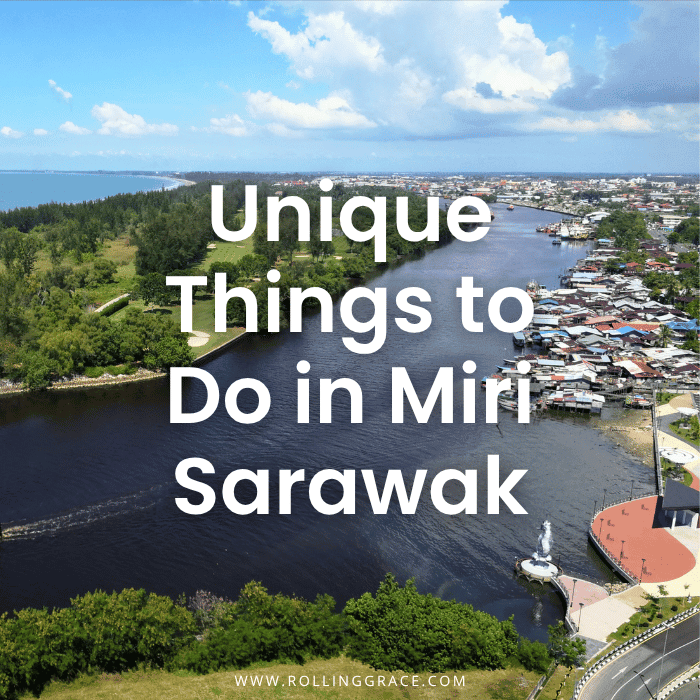
Best Things to Do in Miri
The best things to do in Miri span Chinese heritage temples, a century-old oil well monument, one of the best sunset waterfronts in Borneo, UNESCO-listed caves, and a food scene built on kolo mee, midin fern, and Sarawak laksa. Most are free, family-friendly, and concentrated within a short drive of the city centre.
Read also: 5 Best Markets in Miri, Sarawak Worth Visiting
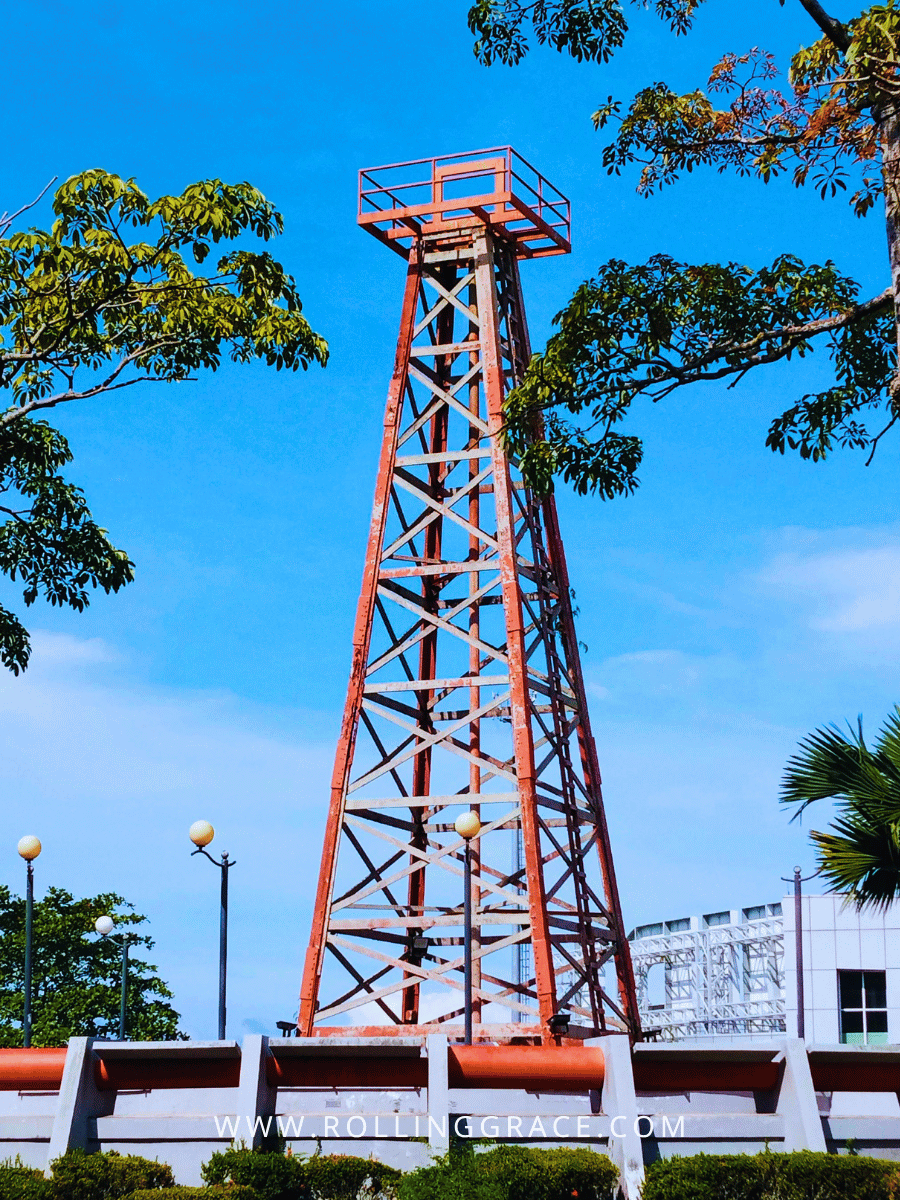
Canada Hill and The Grand Old Lady
Canada Hill is a limestone ridge about 3 km east of downtown Miri and the single best viewpoint in the city. From the top, you look out over the Miri skyline, the South China Sea, the offshore oil rigs, and on a clear day, the Brunei border. The MIRI sign at the summit stands roughly 18 metres tall.
At the peak is The Grand Old Lady, Malaysia‘s first oil well, drilled by Royal Dutch Shell in 1910. The original derrick was destroyed by fire and rebuilt as a 30-metre monument.
The Petroleum Museum next door documents the history of Miri’s transformation from a fishing village to an oil city. Museum hours are Monday to Friday 9 am to 4.45 pm, Sunday 10 am to 4 pm. Closed on Saturdays.
Go at sunset. The light over the South China Sea from Canada Hill is one of the best free things to do in Miri.
Coco Cabana
Coco Cabana at Marina Bay is Miri’s most popular waterfront destination and the best spot in the city to watch the sun go down.
The iconic Seahorse Lighthouse is the visual centrepiece, and the surrounding area is packed with food stalls, a Sunset Bar with wooden interiors, an art gallery, a Maritime Museum, and a gift shop.
For families, Coco Cabana has playgrounds, bouncing castles, bicycle rentals, and open lawns for picnics. Weekend markets and live cultural performances run regularly.
A traditional Dayak longhouse building with hand-carved timber sits on the grounds and is one of the most photographed landmarks in Miri. Entrance is free. Parking is available on site.
Coco Cabana is one of the top things to do in Miri with kids, for couples watching the sunset, and for anyone who wants a relaxed evening by the water.

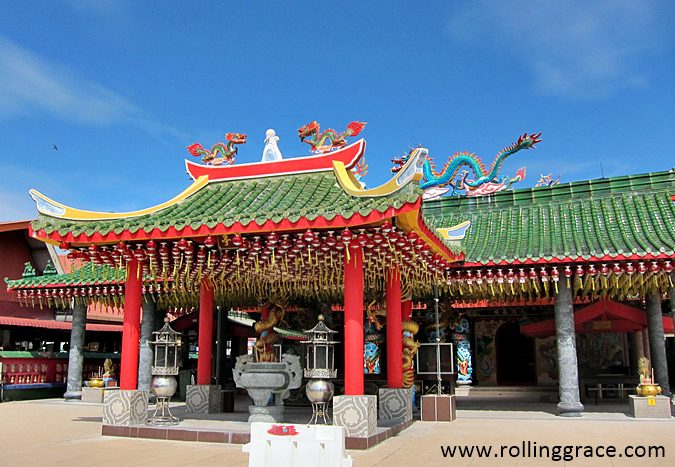
Tua Pek Kong Temple
Tua Pek Kong Temple is the oldest Chinese temple in Miri, founded in 1913 by Chinese migrants working in the newly established oil industry.
The story goes that a monk was called to perform a spirit-pacifying ritual near the Miri River after an epidemic swept through the settlement. When the epidemic subsided, the local Chinese community built the temple in gratitude.
The temple survived Japanese bombing during World War II and was renovated in 1977. It is located at the junction of China Street and Jalan Bendahara, next to the Miri Fish Market. The architecture is ornate, with dragon carvings, vibrant roof decorations, and colourful painted beams. It is open daily and free to enter.
At over 110 years old, Tua Pek Kong is not just a temple. It is the oldest surviving building in the city.
San Ching Tian Temple
San Ching Tian Temple (also known as Lian Hua San Ching Tien) is one of the largest Taoist temples in Southeast Asia.
Opened in 2000 and built at a cost of RM10 million, it covers 1.5 acres in the Krokop 9 area, about 4 km from the city centre. The temple is dedicated to the Three Pure Ones (San Qing), the highest deities in Taoism.
A pair of massive dragon carvings line the entrance, and the interior features towering statues, painted murals, and elaborate wood and stone carvings. Taoist priests maintain the temple and it functions as an active place of worship. Free to enter. The Some Shak Lung Kung Temple next door is also worth a stop but closes its gates at 2 pm.
For context: Tua Pek Kong is a 1913 shopfront temple built by oil workers. San Ching Tian is a 2000-era monumental Taoist complex. Seeing both in the same day tells you everything about how the Chinese community in Miri has grown over the past century.
Unity Food Centre and Chinese Hawker Centres
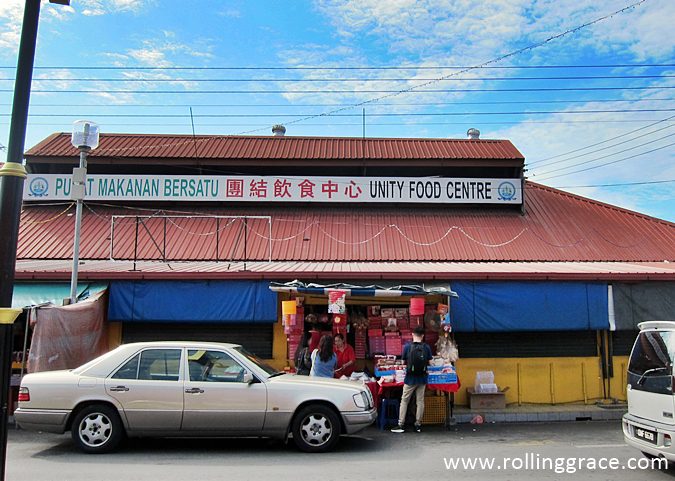
If you want to eat like a local in Miri, Unity Food Centre is one of the best places to start.
This popular Chinese food court in the city centre draws the local Chinese community daily, and the stalls serve dishes that are hard to find outside of Sarawak: pig’s stomach cooked with pineapple, pig blood curd with chives, kolo mee, and Foochow-style noodles.
The Miri United Hawkers Association building nearby is another key spot, with a wet market section and food stalls running from morning until late. Both centres are the heart of Chinese hawker culture in Miri and give you a side of the city that the malls and beachfront restaurants do not.
Approximately 32% of Miri’s population is of Chinese descent, with the largest group tracing their ancestry to Foochow, followed by Hakka and Cantonese. That demographic depth is why the Chinese food in Miri is as good as it is.




Tamu Muhibbah Market
Tamu Muhibbah is Miri’s main outdoor market and one of the most unique things to do in Miri for travellers who want to see the city’s multicultural fabric up close.
The market sells fresh jungle produce, exotic Bornean fruits, wild ferns (including midin), highland rice from Bario, handmade belacan, palm sugar (gula apong), sago products, and traditional handicrafts from the indigenous communities of northern Sarawak.
Behind Tamu Muhibbah, Tamu Khas and Tamu Kedayan extend the market into separate zones for ethnic produce and specialty items. Together, the three markets form the largest local market complex in Miri.

Gong Xi Fa Cai Bazaar
The Gong Xi Fa Cai Bazaar is Miri’s annual Chinese New Year celebration, held for several weeks leading up to the Lunar New Year.
Stalls open daily selling food, drinks, clothing, decorative items, potted plants, paintings, and handicrafts. In the evenings, lion and dragon dances, live music, and karaoke take over the event grounds.
This is one of the hidden gems of Miri and one of the largest Chinese New Year bazaars in Sarawak. If your trip falls between mid-January and mid-February, this is one of the most unique things to do in Miri and a window into how the Chinese community celebrates.

Tusan Beach
Tusan Beach is about 40 km south of Miri and known for its dramatic layered cliff formations that have been carved by centuries of coastal erosion. The cliffs reveal horizontal bands of sedimentary rock in shades of orange, grey, and white, and the beach itself is long, wide, and rarely crowded.
Tusan is also one of the few places in Borneo where bioluminescent plankton can sometimes be seen at night, creating a blue glow along the shoreline. This phenomenon is seasonal and unpredictable, but when it happens, it is one of the most memorable natural sights in Sarawak.
Bring a torch, wear proper footwear, and check local conditions before making the drive after dark.

Niah National Park
Niah National Park is roughly 90 minutes south of Miri and home to some of the most archaeologically significant caves in Southeast Asia.
The Great Cave at Niah contained human remains and tools dating back approximately 40,000 to 65,000 years, making it one of the earliest known sites of human habitation in Borneo.
The walk from the park entrance to the cave mouth takes about 45 minutes along a raised boardwalk through dense rainforest. Inside, the scale of the cave system is staggering. The Painted Cave, deeper inside the complex, holds ancient burial sites and rock paintings. Niah is a manageable day trip from Miri by car or bus (via Batu Niah).

Gunung Mulu National Park
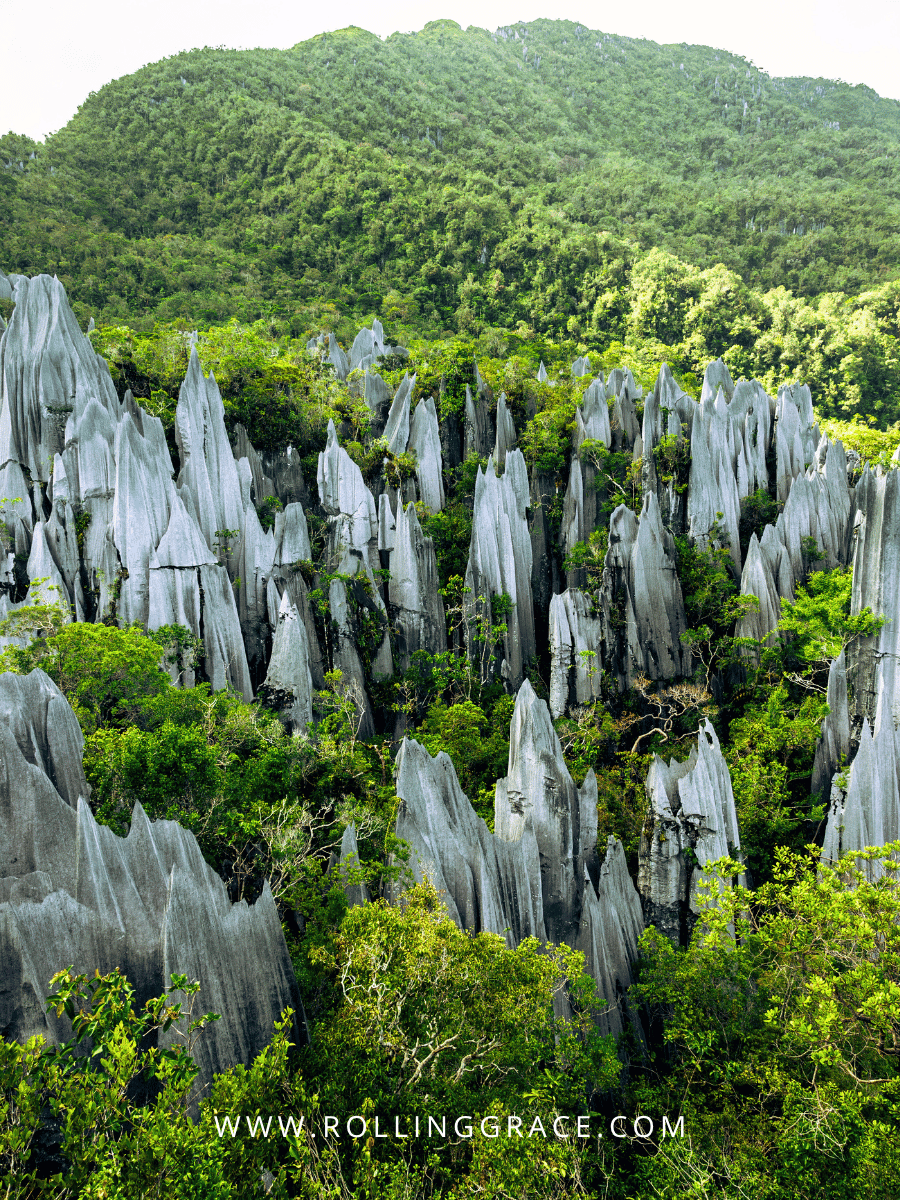
Gunung Mulu National Park is a UNESCO World Heritage Site and one of the most biodiverse and geologically spectacular parks in the world.
The park holds the world’s largest cave passage (Deer Cave), the world’s largest natural chamber (Sarawak Chamber), and the famous Pinnacles, a formation of razor-sharp limestone spires rising from the jungle canopy.
Getting to Mulu from Miri requires a 30-minute flight with MASwings. There is no road access. The park offers guided cave tours, jungle treks, and multi-day summit hikes. Most visitors spend two to three nights. This is not a casual day trip, but it is the single most extraordinary thing you can do from Miri.
What to Eat in Miri
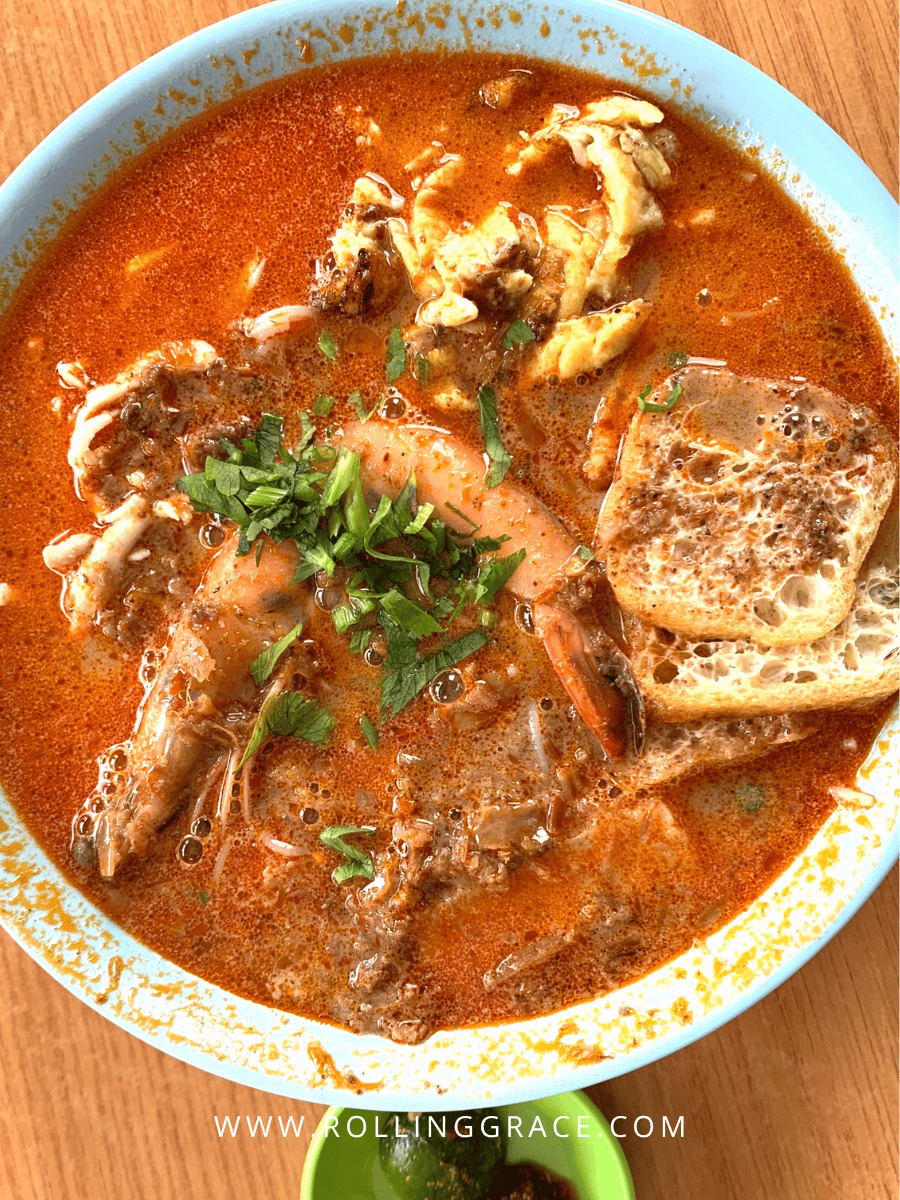
Miri’s food scene runs on kolo mee, midin fern, Sarawak laksa, and some of the best Chinese hawker food in Borneo. The city’s mix of Foochow, Hakka, Cantonese, Malay, and indigenous Dayak cooking traditions makes it one of the most rewarding places to eat in Sarawak.
Read also: Best Sarawak Food: 20 Must-Try Traditional Dishes Guide
Miri’s food scene is one of the most diverse in Sarawak, blending Chinese hawker traditions with indigenous Bornean ingredients and Malay coastal cooking. These are the dishes you should not leave without trying.
- Kolo mee is the signature noodle of Miri and Sarawak: springy egg noodles tossed dry with pork lard, char siu, and crispy pork crackling. Every hawker centre has a version.
- Midin is a wild rainforest fern unique to Borneo, stir-fried with garlic and belacan (shrimp paste). It is crunchier and more flavourful than asparagus and available at most local restaurants.
- Sarawak laksa is a coconut-based noodle soup with sambal, prawns, shredded chicken, and a squeeze of calamansi lime.
- Umai is a traditional Melanau raw fish salad dressed in lime juice and chilli.
- Ayam pansuh is chicken cooked inside bamboo over an open fire, a method used by the indigenous Dayak communities.
- Kek lapis Sarawak (Sarawak layer cake) is a rainbow-coloured layered cake found at every market and bakery, and Miri is one of the best places to buy it fresh.
For the best Chinese food in Miri, head to Unity Food Centre or the hawker stalls inside the Miri United Hawkers Association building. For jungle produce and indigenous ingredients, Tamu Muhibbah is the starting point. For evening street food, Saberkas Weekend Market (Tuesday to Sunday, 4 pm to 9.30 pm) runs hot food, grilled skewers, and local desserts.
Things to Do in Miri with Kids, Family, and Couples
Miri is one of the most family-friendly cities in Sarawak. Coco Cabana is the go-to for kids, with its playgrounds, bouncing castles, bicycle rentals, and open waterfront space.
Miri City Fan Recreation Park has a musical fountain, jogging paths, and open lawns. Canada Hill is a free sunset spot with easy access. Tamu Muhibbah is educational and colourful enough to hold children’s attention.
Read also: What to Buy in Sarawak: 10 Best Souvenirs From Borneo
For couples, sunset drinks at Coco Cabana’s Sunset Bar, a morning walk through the Tua Pek Kong Temple area and the old town, and dinner at a seafood restaurant along the waterfront make for a full evening. Tusan Beach after dark (for a chance at bioluminescence) is one of the most unique things to do in Miri for couples.
For shopping, Imperial Mall and Bintang Megamall are the two largest malls in Miri, both with food courts, cinemas, and international retail. Boulevard Mall and Merdeka Mall offer more local options at lower price points.
Miri Travel Guide: Getting There and Around
Miri is accessible by air (Miri Airport receives daily flights from Kuala Lumpur, Kota Kinabalu, Kuching, and Singapore) and by bus from other Sarawak cities.
The Miri Sentral Bus Terminal serves express routes to Sibu, Bintulu, and Kuching. A cross-border bus route to Bandar Seri Begawan, Brunei launched in March 2026.
Within the city, Grab is the easiest way to move around. Distances between attractions are short and most rides cost under RM10. Renting a car is recommended for day trips to Niah, Tusan Beach, and Lambir Hills. Roads are well-maintained and signposted.
Best Time to Visit
Miri is a year-round destination. The dry season (March to October) is the most comfortable for outdoor activities. The wet season (November to February) brings heavy afternoon rain but rarely disrupts a full day.
Chinese New Year (January/February) is the most festive time to visit, with the Gong Xi Fa Cai Bazaar in full swing.
Get the good stuff first. Join Rolling Grace for the restaurants worth crossing a city for, the stays worth the upgrade, and the places to go before everyone else. Free, straight to your inbox.
Leave a Reply