Sarawak Laksa has been eaten for breakfast in Kuching since 1945, and the city has not grown tired of it yet.
Anthony Bourdain called it the Breakfast of the Gods. He was not wrong, but he also did not explain what makes a bowl of Sarawak Laksa different from every other laksa on the Malaysian peninsula.
That explanation starts in 1945, on a single street in Kuching, with a man named Goh Lik Teck who decided to leave out the curry.
Read also: Limbang Sarawak: 7 Things to Know Before You Visit This Border Town
Table of Contents
Discovering Sarawak Laksa
Sarawak Laksa is the signature dish of Sarawak, Malaysia’s largest state and the part of Borneo that most visitors underestimate.
It is eaten at breakfast, at lunch, and at dinner, by locals who have been ordering the same bowl from the same stall for years. It is on café menus across the state and still best eaten early, when the broth is freshest and the morning crowd has not yet thinned.
What Is Sarawak Laksa
The word laksa traces back to the Sanskrit lakshah, meaning one hundred thousand, a nod to the dish’s layered origins across Southeast Asian trade routes. Malaysia alone has several distinct versions. Sarawak Laksa is the most singular of them.
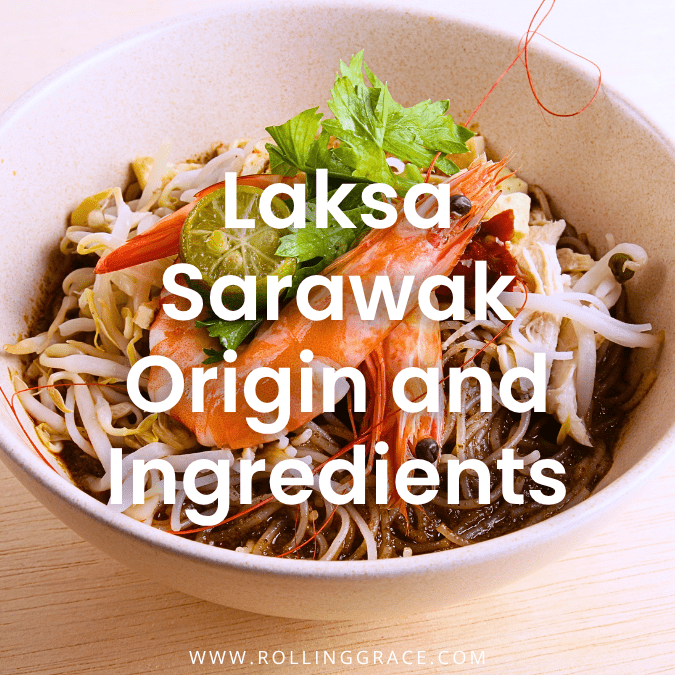
Most laksa in Malaysia is built on a fish-based broth. Sarawak Laksa is not. The soup uses chicken and shrimp instead, cooked in a base of coconut milk and tamarind paste that is simultaneously creamy and tart.
Sarawak Laksa Ingredients
More than 20 ingredients go into an authentic bowl, blended into a thick paste that is the backbone of the entire dish. The paste is what makes it, and the paste is what took decades to get right.
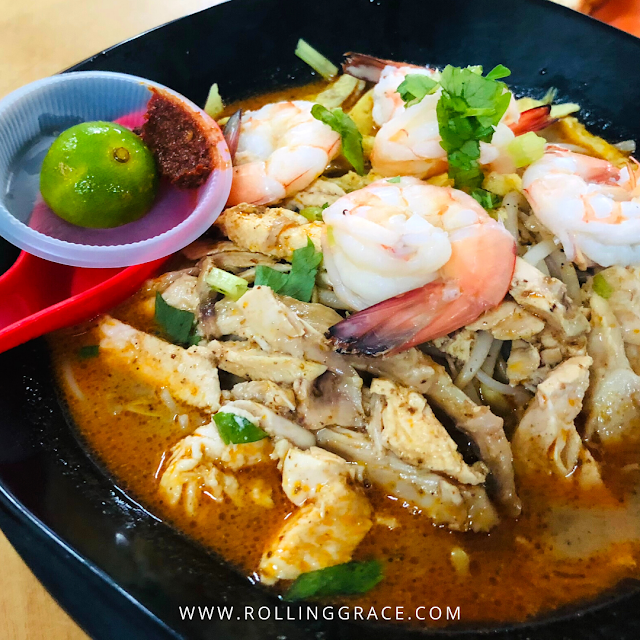
Thin rice vermicelli goes into the bowl first. The soup follows. Toppings include shredded chicken strips, thin omelette strips, fresh coriander, and bean sprouts. A small saucer of spicy shrimp paste sambal and calamansi lime comes on the side. The lime is not optional. It changes the bowl entirely when squeezed in, cutting through the coconut fat and lifting the tamarind.
If the menu lists a special version, order it. The difference is a more generous portion of shrimp and additional toppings.
History of Sarawak Laksa
The origin story traces back to a single hawker on Carpenter Street in Kuching in 1945. A Chinese immigrant named Goh Lik Teck began selling a noodle dish built on coconut milk, tamarind paste, belacan, garlic, chillies, galangal, and lemongrass, without a drop of curry.
In the 1960s, Tan Yong Him, a fruit seller turned laksa entrepreneur, standardised the recipe into a commercial paste sold under the Swallow brand, known locally as Cap Burung Layang Layang. He was not the only hawker making his own version, but he was the first to mass-produce and distribute it at scale. Stalls across Kuching and eventually across Sarawak adopted the paste as their base, each adjusting the ratios and adding fresh aromatics on top.
The Swallow brand has since been discontinued. Tan’s sons went separate directions: Tan Boon Kiat continued with the Swallow name while Barrett Tan Boon Tiang produced Barrett’s paste using the same family recipe. Other bird-branded pastes followed, including Eagle, Parrot, Double Swallow, and Rooster. None of them are identical, and Kuching locals remain divided on which gets closest to the original.

The Two Types of Laksa in Malaysia
Understanding Sarawak Laksa is easier when you know what it is not.
Malaysian laksa divides broadly into two categories. Curry laksa uses a coconut milk base with curry spices, producing a rich, heavy broth that coats the noodles and sits in the stomach. It is the version most visitors encounter first in Kuala Lumpur and Penang.
Asam laksa uses tamarind as its primary flavour driver, producing a sharp, sour broth built on fish. It is the version associated with Penang and is polarising in the best way. Either you want more or you do not finish the bowl.
Sarawak Laksa, or Laksa Sarawak, occupies its own position. It takes the coconut milk from curry laksa and the tamarind from asam laksa, removes the fish and curry entirely, and builds something that does not sit cleanly in either category. That is what makes it worth understanding on its own terms.

Where to Eat Sarawak Laksa in Kuching
Kuching is the starting point. The city has been eating this dish for over 80 years and the stall culture around it is embedded enough that locals have strong opinions about which specific kopitiam gets the paste ratio right.
Carpenter Street, where Goh Lik Teck first sold his version, remains a reference point for the dish’s origins and the surrounding area in Kuching’s old town is the most concentrated area for traditional Sarawak Laksa stalls. Go before 10am. The broth is made in batches and the best bowls go early.
Beyond Kuching, Sarawak Laksa has spread to cafés and hawker stalls across the state. The paste is consistent enough that quality is generally maintained outside the city, but the original stall experience in Kuching is the benchmark.
Sarawak Laksa Outside of Sarawak
The dish has spread to Kuala Lumpur, Singapore, and further, carried by Sarawakians who relocated and brought commercial pastes with them. Barrett’s paste is the most widely distributed successor to the original Swallow brand and is available through specialty Sarawak food retailers in KL, including the Sarawak Product Pavilion in the city centre.
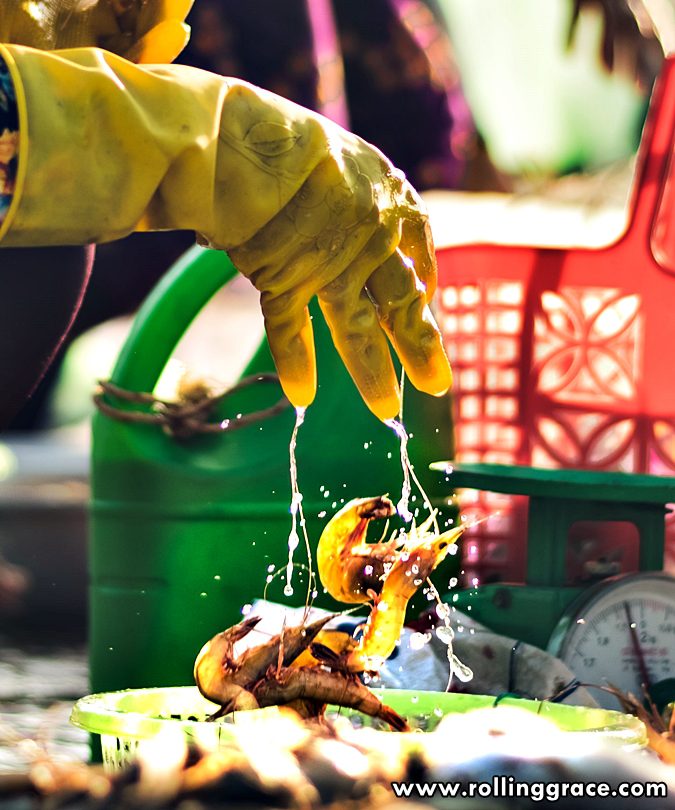
Quality varies. The paste holds up well outside of Borneo. The shrimp is where the gap shows, as freshness at the source is difficult to replicate. If Sarawak is on your itinerary, eat it there first. If it is not, a well-made bowl in KL is still worth ordering. Just know what the original tastes like before you form a view on anything else.
Anthony Bourdain ate his bowl at Choon Hui Café on Ban Hock Road in Kuching, on two consecutive mornings during his 2005 No Reservations visit to Borneo. He called it the Breakfast of the Gods. The café is still there. Tuesday is their off day.
Frequently Asked Questions on Sarawak Laksa
Is Sarawak Laksa halal?
Sarawak Laksa contains shrimp paste (belacan) and is typically made with chicken and shrimp. Most stalls in Sarawak are not halal-certified. Verify with the individual vendor before ordering.
What does Sarawak Laksa taste like?
The broth is simultaneously creamy and sour, with a heat level that builds gradually. The coconut milk softens the tamarind sharpness without neutralising it. The shrimp adds a clean sweetness that cuts through the fat. It is a more complex bowl than it looks.
Can I make Sarawak Laksa at home?
Yes. The Swallow paste is the standard starting point and is available online and in specialty grocers outside of Sarawak. The paste handles the heavy lifting. Add coconut milk, tamarind, fresh shrimp, chicken, and rice vermicelli. The calamansi and sambal on the side are not optional.
What is the difference between Sarawak Laksa and Penang Laksa?
Penang laksa is fish-based and sour, built on tamarind and mackerel. Sarawak Laksa uses chicken and shrimp in a coconut and tamarind broth. The two share tamarind as a common thread but are otherwise entirely different dishes.
Eating Responsibly
Sarawak Laksa is a dish worth knowing and worth eating. At Rolling Grace, we also believe that being mindful about meat consumption is part of engaging honestly with food culture.
The shrimp in this bowl is the star. If reducing your meat intake is something you are working towards, this is a dish where the seafood component carries the flavour and the chicken is largely textural. Order accordingly.
Get the good stuff first. Join Rolling Grace for the restaurants worth crossing a city for, the stays worth the upgrade, and the places to go before everyone else. Free, straight to your inbox.
Leave a Reply