Once a year, when the cool easterly wind sweeps across Malaysia’s smallest state and the last of the paddy has been cut, Perlis throws a party in the fields.
This is Pesta Angin Timur, the East Wind Festival, three days of kite fliers, mud games, food stalls, and cultural shows held on the harvested rice fields of the far north. Here are five top reasons to put Pesta Angin Timur on your calendar.
Read also: Best Guide to Nat Pokok Getah: Perlis Morning Market (2026)
History of Pesta Angin Timur Perlis
The festival takes its name from the seasonal shift the wind announces, the turn from cool weather to the dry, windy stretch that reshapes daily life in Perlis. For the farmers who work these fields, it marks the end of months of hard labour and the start of the celebration.
Pesta Angin Timur Perlis is one of the most distinctive cultural events in the country, and it has grown fast: the 2024 edition drew 369,159 people, with organisers targeting 400,000 for 2025, by which point the festival had reached its 13th year.
It is organised by the Perlis state government together with Malaysia’s Ministry of Tourism, Arts and Culture and the National Department for Culture and Arts.
International Kite Flying
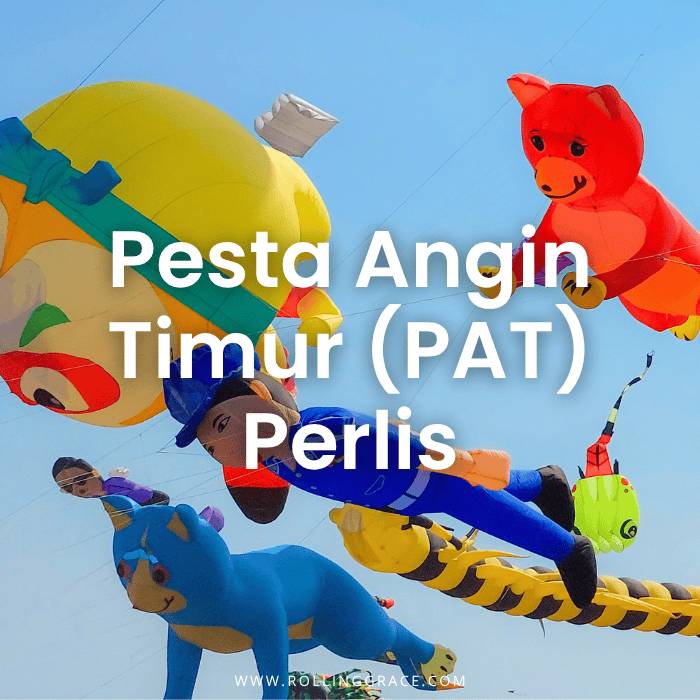
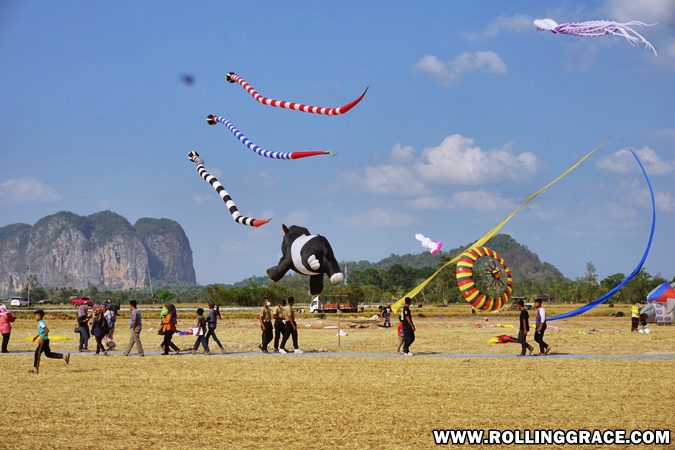
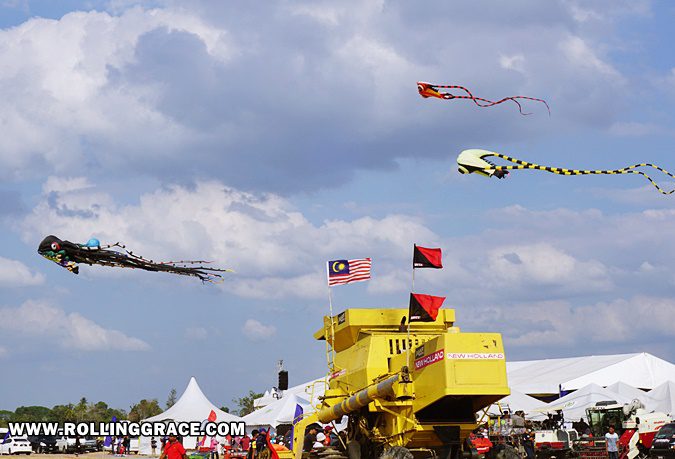
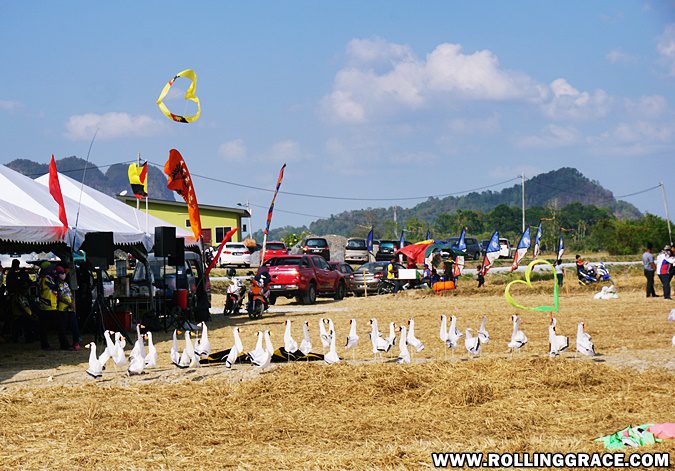
Kite flying is the heart of Pesta Angin Timur Perlis. The strong, steady east wind is perfect for it, and fliers travel from across Malaysia and abroad, including Thailand and Europe, to launch their collections into the Perlis sky.
The combination of big, brightly coloured kites, open harvested fields, and a hard wind makes for a striking sight. Giant display kites hang against the backdrop of the countryside while smaller ones dart overhead.
For photographers, the late afternoon light and the mass of colour above are the reason to come.
Traditional Games and Activities
The games are what set this festival apart, most of them found nowhere else in Malaysia. Entry is free, and they mark the moment farmers and their families let loose after the harvest.
These are the games Perlis communities have played for generations, held on the muddy fields once the paddy is in. Many centre on the land itself: rice hulling, batik painting, and mud-based contests that leave everyone filthy and laughing.
Recent editions have added a Mud Challenge with international teams, a Giant Straw Sculpture Contest, and rice field volleyball. There is a carnival too, so there is plenty for children as well as adults.
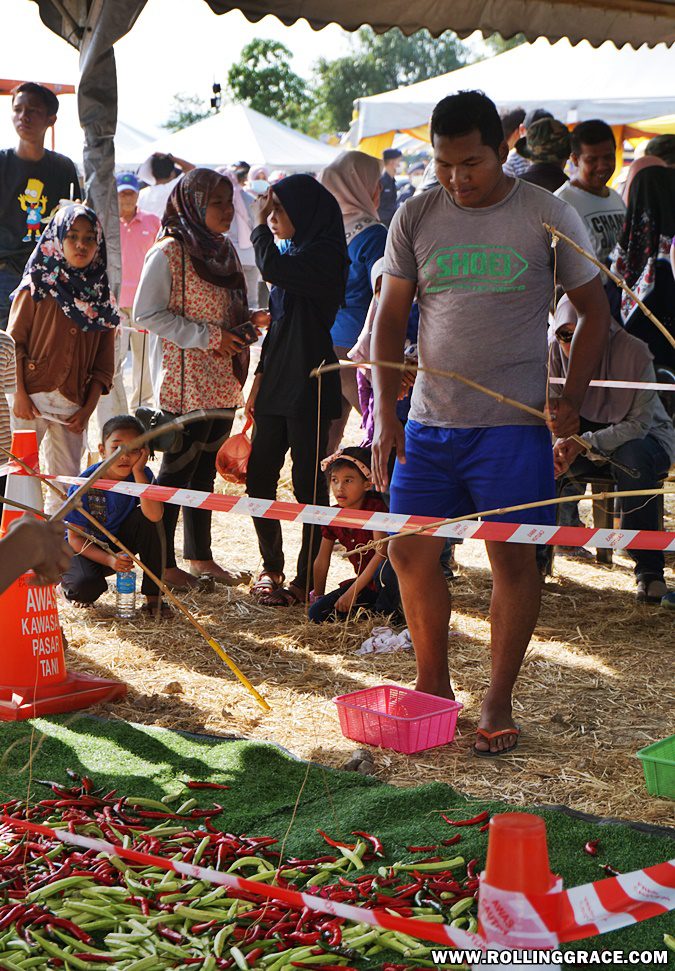
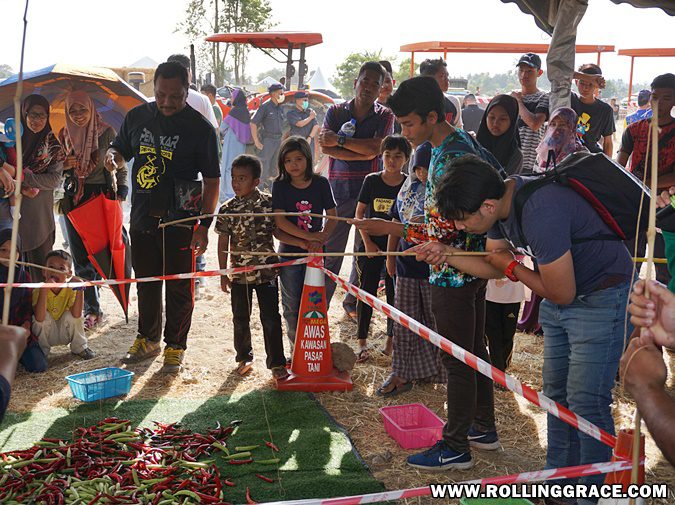
Some of the older games involve catching live ducks and fish by hand in ponds dug for the occasion. We do not support these. Chasing and grabbing live animals for sport causes them real distress, and it has no place in how we think travellers should enjoy this festival.
There is more than enough here to fill a day without them, from the kite fliers to the food market to the mud contests.

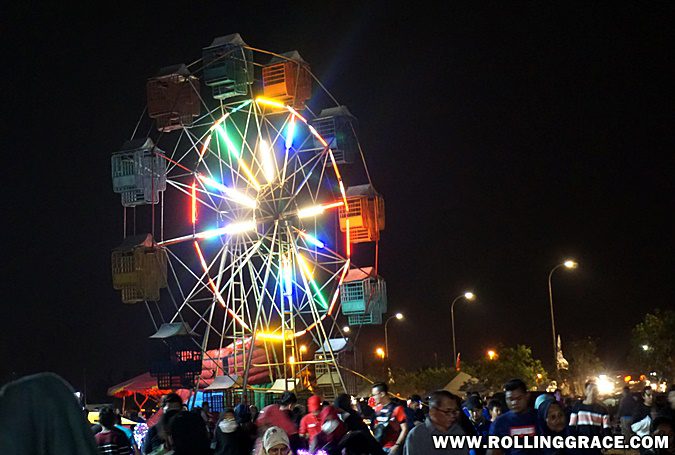
Local Perlis Food Market
When you have played yourself out, the food market is where you recover. This is a chance to taste Perlis dishes that are hard to find anywhere else, many of them built around rice, the staple of the region.
Read also: Warung Tepi Sawah Perlis: Unique Breakfast by Paddy Fields
Look for Laksa Perlis, the local take on the northern classic, and a run of traditional glutinous rice dishes: Pulut Kacau, Pulut Ikan Kering, Pulut Nyok, and Pulut Pelam. Other specialities include Emping, Pek Nga Nyok, and street snacks like deep-fried baby crabs sold by the cup and wet-fried kuey teow.
Slow-cooked soup, simmered for hours with local spices, is worth hunting down. For a lighter bite, steamed chickpeas are sold throughout the market.


Bazaar and Shopping in Perlis
Beyond the food, a sprawling bazaar runs alongside the theme park area, loud and busy and stocked with local goods you will not see elsewhere.
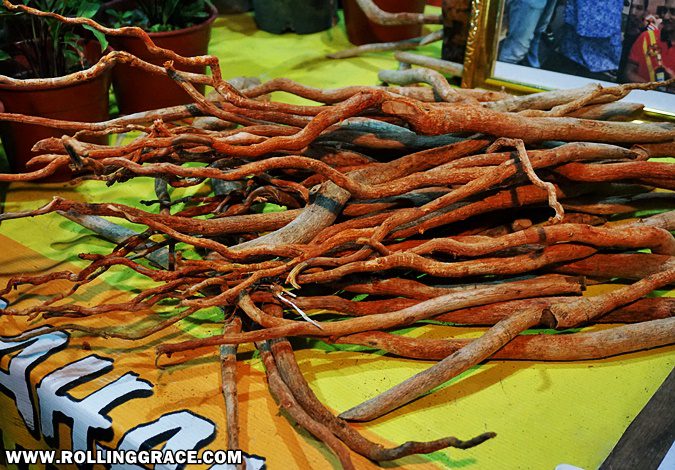
Vendors sell everything from edible roots and raw honey straight from the hive to household goods and local produce. There are stalls of medicinal roots sold as remedies for all manner of ailments.
The bazaar is part of the fun even if you buy nothing, a window into what Perlis makes and grows.

Live Performances and Shows
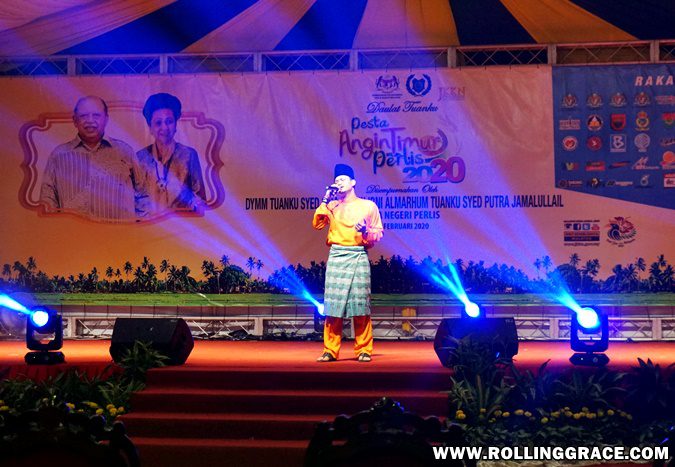
Across all three days, the Pesta Angin Timur Perlis festival’s main stage area hosts a continuous line-up of cultural shows that pull directly from the Malay, Thai, and Chinese heritage of northern Perlis.
Traditional Music and Dance
Expect performances of traditional Malay dance alongside cultural items from the region’s Thai and Chinese communities, a reflection of the mixed heritage that defines this border state.
Local dance troupes, both children and adults, take turns through the day, and the northern Malaysian musical styles you hear here differ from those further south, carrying clear Thai and Kelantanese influence.
Competitions and Pageants
Beyond the dance items, the schedule runs to cultural pageants, singing contests, and community competitions that draw big local crowds.
These are as much about the villages showing off their talent as they are about entertaining visitors, so the atmosphere is warm and partisan.
When to Catch the Best Shows
The headline performances and any celebrity or headline acts are usually reserved for the evening, once the heat has dropped and the crowds have gathered.
Come back after sunset for the fireworks that have featured in recent editions, and plan your evening meal at the food market around the main stage schedule so you are in place when the big acts start. Seating is open and free, so arrive a little early for a good vantage point.
Best Time to Go
Pesta Angin Timur Perlis is held once a year, usually in February, and runs for three days. The dates and location shift between editions, so this is a festival to plan around in advance.
Recent editions have been held in the Kangar and Arau areas of Perlis, on open field sites chosen for the harvest setting. Because the venue changes year to year, confirm the current site before you travel.
How to Get to Pesta Angin Timur Perlis
By Flight
Perlis has no airport of its own, so most visitors arrive through Kedah or Langkawi. The nearest airport is Sultan Abdul Halim in Alor Setar, around an hour’s drive from Kangar, the Perlis state capital.
Langkawi International Airport is a longer option, reached by a ferry from Kuala Perlis followed by a short drive, but it carries more flight connections if you are coming from further afield.
By Train
From Kuala Lumpur, the drive north takes roughly six to seven hours, while the KTM ETS train runs from KL Sentral to Arau, the closest station to most festival sites, in about five to six hours. Arau and Kangar are the two towns to aim for, as recent editions have been held on open field sites nearby.
By Car
The venue moves year to year and public transport to these rural fields is thin, so hire a car, arrange a taxi or e-hailing pickup from Arau or Kangar, or book a local tour operator running a festival package.
Confirm the exact site on the festival’s official Facebook page before you set off, since signage on the day is limited and the fields can be hard to find without directions.
Contact details
- For enquiries, the festival’s official Facebook page carries the latest updates.
- General festival phone lines: +60 4 979 3600 and +60 4 979 3604
Why This Festival Matters
Pesta Angin Timur Perlis is a rare thing: a modern tourism draw that grew straight out of a working farming tradition, not one built for visitors. The games come from the fields, the food from the region’s own kitchens, the timing from the harvest and the wind.
Attending puts money directly into a rural community and helps keep alive customs that might otherwise fade with each generation that leaves the land. Come for the kites, stay for the sense of a place celebrating itself on its own terms.
Get the good stuff first. Join Rolling Grace for the restaurants worth crossing a city for, the stays worth the upgrade, and the places to go before everyone else. Free, straight to your inbox.
Leave a Reply