Obesity in Malaysia is no longer a quiet problem, and the way we talk about it is finally starting to change.
The phrase carries weight in Malaysia. Sayang, kan. Two words that mothers say to children at the dinner table, that aunties say across kopitiam tables, that friends say to friends when something is being wasted, hurt, or misunderstood. It is an expression of regret, of care, of the small ache that comes from watching something matter less than it should.
Read also: Microplastics in Malaysian Food: Hidden Dangers and Health Risks

Obesity Awareness Initiative by Novo Nordisk and Ministry of Health Malaysia
On 11 June 2026, Novo Nordisk Malaysia chose this phrase as the name of a new nationwide initiative on how Malaysians talk about obesity. With more than half of Malaysian adults now living with overweight or obesity, the company is asking the country to rethink a conversation that has long been shaped by judgement instead of medical fact.
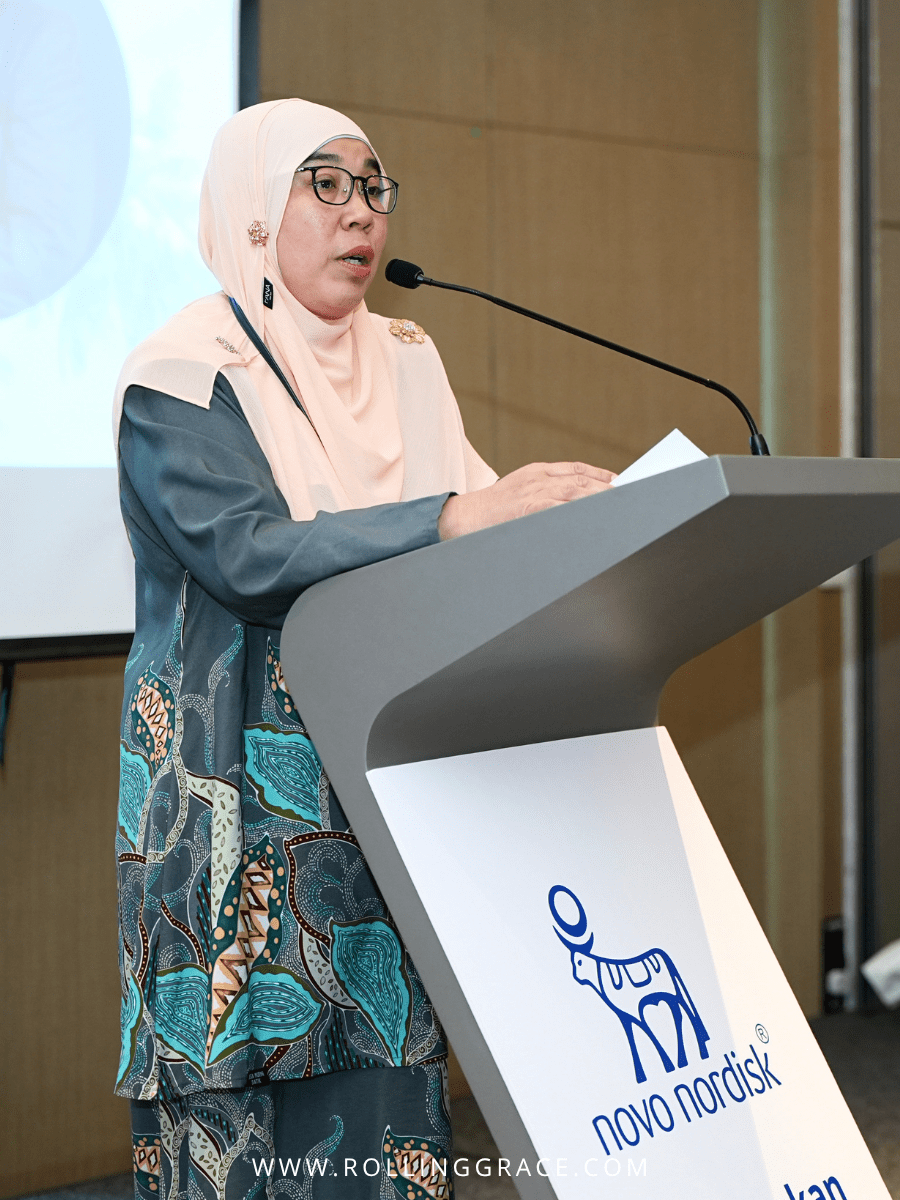
The launch took place in Kuala Lumpur and brought together public health officials, doctors, and one well-known Malaysian chef whose own story sits at the centre of the message.
Obesity in Malaysia Is a Chronic Disease, Not a Willpower Problem
The first message of the Sayang, Kan? initiative is the medical reframe. Obesity is a chronic disease with biological, metabolic, and endocrine drivers, not a category of personal failure. More than half of Malaysian adults are now living with overweight or obesity, and the national conversation remains stuck in a vocabulary of willpower, discipline, and appearance.
“In Malaysia, obesity is still too often reduced to willpower, discipline or appearance. Sayang, Kan? is about shifting that mindset,” said Dr. Praful Chakkarwar, General Manager of Novo Nordisk Pharma (Malaysia) Sdn. Bhd. “Obesity is a chronic disease influenced by biology and is closely linked to cardiovascular health.”
Read also: 5 Easy Vegan Smoothie Recipes You Can Make in 2 Minutes
Dato’ Dr. Noor Lita Adam, Consultant Endocrinologist and Deputy Head of the Endocrine Subspeciality at the Ministry of Health Malaysia, reinforced the medical case. “Obesity is not simply a matter of personal discipline or choice. From an endocrine perspective, it involves complex biological and metabolic processes that can affect appetite regulation, energy balance, and long-term health. That is why earlier recognition matters.”
The shift in language is the foundation everything else stands on. Until the conversation changes, the medical visits do not happen.
Food Noise Is Biological, Not a Discipline Issue
The second message is built around a concept most Malaysians have never been given a name for: food noise. Food noise is a constant, involuntary preoccupation with food driven by biological hunger signals in the brain, not a lack of discipline. It is one of the main reasons that repeated weight-loss attempts often end in weight regain.
People experiencing food noise are not failing willpower tests. Their brains are sending hunger signals that medical research has shown are biological in origin, and that medical support can help manage. The Sayang, Kan? initiative positions food noise as the single concept Malaysians most need to understand if the national conversation around obesity is going to shift.
For chef and television personality Ili Sulaiman, learning about food noise was the turning point. After being diagnosed with a heart condition and managing PCOS, she had spent years being hard on herself for not being able to control her relationship with food. “Over time, I realised that food noise is biological, and that I wasn’t simply failing,” she said at the launch. “Sayang, kan? We’re often so hard on ourselves when sometimes, we just need better understanding and support.”

Where You Lose Weight Matters More Than How Much
The third message changes the metric. Total body weight is not the number that matters most for long-term health outcomes. What matters is whether excess fat is being held around the abdomen and internal organs, the type known as visceral fat, which is strongly linked to diabetes, heart disease, and other non-communicable diseases.
Dr. Reynu Rajan, Consultant Upper Gastrointestinal Surgeon, made this clinical reality plain. “From a clinical perspective, health risks are driven largely by excess fat around vital organs, not just total body weight. It is important to lose excess fat, and not muscle during this weight loss journey. We should look beyond the numbers on a weighing scale during management of obesity.”
The implication for anyone living with obesity is significant. The scale is not the destination. Two people of the same weight can carry very different metabolic risk profiles depending on where their body holds fat, and this is what proper medical assessment can identify and treat.
Talking to a Doctor Early Saves Lives
The fourth message is about the timing of medical care. The Sayang, Kan? initiative wants Malaysians to seek medical advice and support not as a last resort, but as an intentional act of self-care, grounded in science and dignity.
Dr. Noraryana Hassan, Director of the Non-Communicable Disease (NCD) Division at the Ministry of Health Malaysia, was direct about what currently stops Malaysians from doing this. “When people feel blamed or misunderstood, they delay care. Understanding concepts such as food noise and recognising obesity as a chronic disease helps remove stigma. When conversations are grounded in science and compassion, Malaysians are more likely to come forward earlier, which is essential in addressing non-communicable diseases.”
Dr. Sivarajan Ramasamy, Public Health Medicine Specialist and Head of the Cardiorenal Metabolic Control Sector at the Disease Control Division, framed the broader public health stakes. “Obesity is a key driver of many cardiometabolic conditions, including diabetes, heart disease and kidney complications. Addressing it effectively requires a coordinated, whole-of-system approach that brings together early detection, clinical management and sustained public awareness.”
Dr. Reynu Rajan added the clinical evidence. “When care starts early and focuses on reducing harmful visceral fat, whether through lifestyle support, medical treatment or surgery, we see far better long-term outcomes. This is about improving health and quality of life, not cosmetic weight loss.”

Seeking Help Is Self-Care, Not Failure
The fifth message is the cultural one. The Sayang, Kan? initiative is asking Malaysians to reframe the act of asking for medical help as a form of self-respect, not a confession of failure.
Ili Sulaiman’s presence at the launch was the most visible expression of this. For a chef whose career is built on food, publicly speaking about her own medical diagnoses and her struggles with self-blame is a culturally significant act in a country where these conversations are typically held in private. “I’ve learned that seeking help isn’t something to be ashamed of, it’s a way of caring for ourselves,” she said.
Her voice represents a cultural permission that has been missing in Malaysia: the public acknowledgement that a successful, accomplished woman can need medical support for her health, and that asking for it is an act of strength.
What Is Food Noise in Obesity?
Food noise refers to a constant, involuntary preoccupation with food that is biological in origin. It is driven by hunger signals in the brain, not by a lack of willpower or discipline. People experiencing food noise often find that lifestyle changes alone are not enough to manage their hunger long-term, which is why medical guidance and clinical support are increasingly recognised as essential parts of obesity care.
What Is the Sayang, Kan? Campaign by Novo Nordisk?
Sayang, Kan? is a nationwide public awareness initiative launched by Novo Nordisk Malaysia on 11 June 2026, calling for a more compassionate, science-based approach to how Obesity in Malaysia is understood and addressed in Malaysia. The initiative falls under Novo Nordisk’s broader Life, Made Lighter commitment and is aligned with the Ministry of Health Malaysia‘s public health work on non-communicable diseases. Its central ask is for Malaysians to reframe obesity in Malaysia as a chronic disease, understand food noise, and seek early medical support without shame.

About Novo Nordisk Malaysia
Novo Nordisk is a global healthcare company founded in 1923 and headquartered in Denmark. It employs around 72,000 people in 80 countries and markets its products in around 170 countries. Novo Nordisk Pharma Malaysia has been operating in the country since 1992, with a team of 151 employees in 2026, and its products now reach more than 250,000 people in Malaysia. The company’s core focus is on diabetes, obesity, and rare blood and endocrine disorders.
Health Conversations and Obesity in Malaysia
Sayang, kan. The phrase belongs to Malaysia, and the way it is being used here matters. It is not a slogan parachuted in from elsewhere. It is a small, familiar phrase used at home, at the table, at the kopitiam, and Novo Nordisk Malaysia has taken it as the entry point into a conversation that the country needs to have. For Malaysians who have spent years feeling judged, blamed, or quietly ashamed about their weight, the most powerful thing this initiative does is signal that the conversation can change. Choosing care, asking the question, walking into a clinic. These are acts of self-respect, and Sayang, Kan? is asking the country to treat them that way.
This article is based on the official launch event of Sayang, Kan? on 11 June 2026 in Kuala Lumpur, with statements from Novo Nordisk Malaysia, the Ministry of Health Malaysia, and contributing healthcare professionals.
Get the good stuff first. Join Rolling Grace for the restaurants worth crossing a city for, the stays worth the upgrade, and the places to go before everyone else. Free, straight to your inbox.
Leave a Reply