The seed mix came first. A jar of ground pumpkin seeds, white sesame, brown flax, and golden flax, blended together and kept in the cupboard like a kitchen shortcut I could spoon into anything.
The smoothies came second, and they came fast. Two minutes, a blender, and whatever frozen fruit was in the freezer. Four years later, I still make some version of this almost every morning.
Read also: How to Make Smoothie Bowls at Home: 7 Easy Recipes
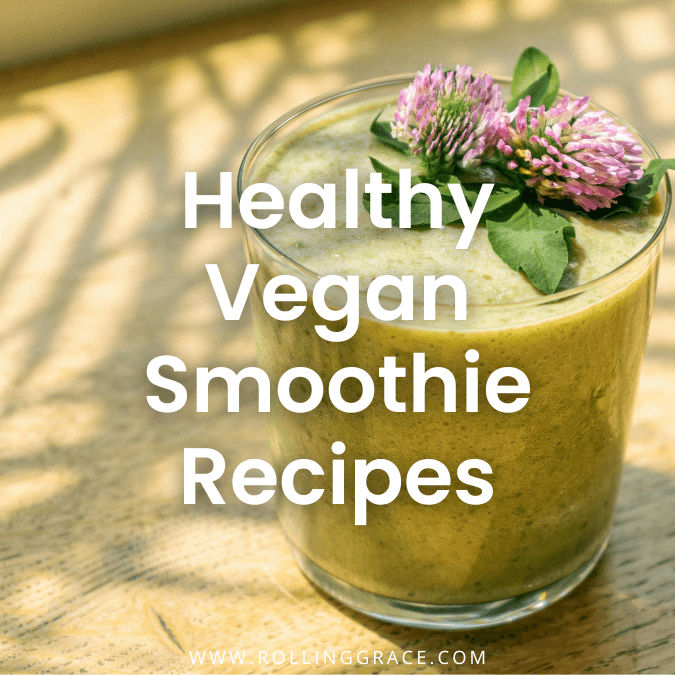
Why These Vegan Smoothie Recipes Work
Most vegan smoothie recipes you find online call for long ingredient lists, specialty powders, and equipment that costs more than the groceries. These do not.
The base formula below uses six ingredients, takes two minutes from start to finish, and produces a smoothie thick enough to eat from a bowl or drink from a glass. The seed mix is the part that makes it worth coming back to. It adds protein, omega-3s, and fibre without changing the taste, and once you have a jar made up, it lasts for weeks.
The Seed Mix
This is the single addition that turns a basic fruit smoothie into something that actually sustains you through the morning. Ground seeds are absorbed more efficiently by the body than whole seeds, and the combination below covers a broad nutritional range.
Ingredients (makes roughly 10 servings):
Equal parts ground pumpkin seeds, white sesame seeds, brown flax seeds, and golden flax seeds. Blend them together in a spice grinder or food processor until you get a fine, slightly oily powder. Store in an airtight jar in the fridge. The mix keeps for up to four weeks.

What each seed brings: Pumpkin seeds are high in magnesium, iron, and zinc. Sesame seeds provide calcium and B vitamins. Brown and golden flax seeds are among the richest plant sources of omega-3 fatty acids and contain both soluble and insoluble fibre.
Together, two tablespoons of this mix deliver a meaningful dose of plant-based protein and healthy fats with almost no effort.
Smoothie Base Recipe
Every variation below follows the same method with different fruit combinations.
Ingredients
2 large frozen bananas, 1 ripe mango (or 1 cup of your chosen fruit), 2 tablespoons instant oats, 2 tablespoons ground seed mix, 1 tablespoon chia seeds, 300ml plant-based milk (unsweetened)
Method
Transfer all ingredients into a blender and blend until thick, creamy, and smooth. This takes roughly 90 seconds in a standard blender, less in a high-powered one.
Pour into a glass to drink as a smoothie, or scoop into a bowl and top with fresh fruit, granola, and seeds for a smoothie bowl.
- Preparation time: 2 minutes
- Difficulty: Easy
The frozen banana is essential. It provides the creamy, thick consistency that makes a vegan smoothie feel substantial rather than watery. Peel and chop your bananas before freezing them in zip-lock bags so they are ready to use each morning.
Easy Vegan Smoothie Recipes
Mango and Banana
Sweet, tropical, and the colour of a Southeast Asian sunset. Use one ripe mango and two frozen bananas with oat milk for the creamiest result. This is the version I make most often, and the one that converts people who think vegan smoothies taste thin or bland. It remains one of the easy vegan smoothie recipes to prepare at home.

Berry and Banana
Swap the mango for a cup of frozen mixed berries (blueberries, strawberries, and raspberries). The berries add tartness that balances the sweetness of the banana, and the colour ranges from deep purple to vivid magenta depending on the berry ratio. Almond milk works well here.
It is often included in lists of vegan smoothie recipes to make at home.

Green Spinach and Banana
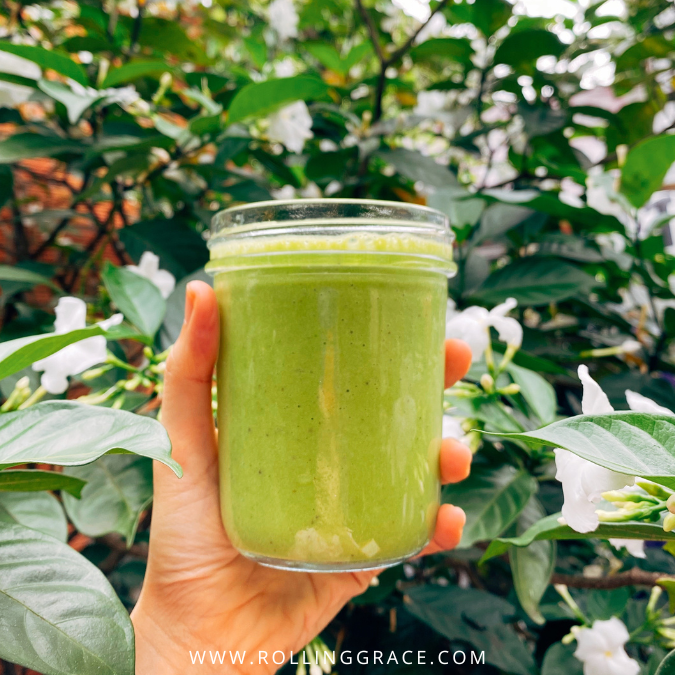
Add a large handful of baby spinach to the base recipe and swap the mango for half an avocado. The spinach disappears completely into the blend. You will not taste it. The avocado adds richness and healthy fats, and the result is a thick, pale green smoothie that is far more filling than it looks. Use unsweetened soy milk for the highest protein content.
Papaya and Coconut
Replace the mango with one cup of ripe papaya and use coconut milk as the liquid. Add a squeeze of fresh lime juice before blending.
This version is lighter and more refreshing than the banana-heavy options, and the coconut milk gives it a distinctly tropical flavour without any added sugar. It is one of the vegan smoothie recipes suitable for a daily routine.

Peanut Butter and Banana
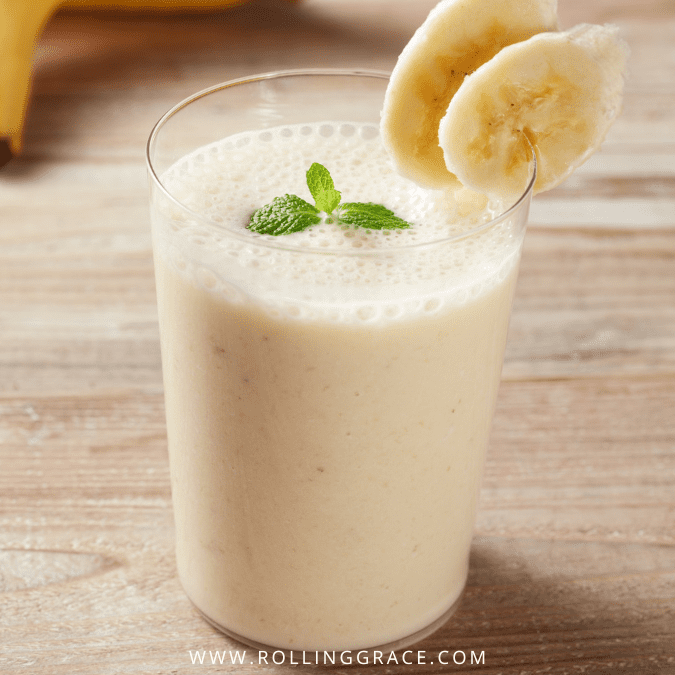
Skip the mango entirely and add two tablespoons of natural peanut butter (or almond butter) to the base. Add a teaspoon of cinnamon before blending.
This is the most filling version on the list and tastes remarkably close to a milkshake. Use oat milk for extra creaminess. It stands among the popular vegan smoothie recipes.
Why the Seed Mix Matters
Most fruit smoothies are high in natural sugars and low in protein and fat, which means they spike your energy quickly and leave you hungry within an hour. The ground seed mix changes that equation. The protein and healthy fats slow down the absorption of the fruit sugars, keeping your blood sugar more stable and your energy more even through the morning.
Chia seeds do something similar. They absorb liquid and expand in the stomach, which increases the feeling of fullness. A tablespoon adds roughly 5 grams of fibre and 2 grams of protein to the smoothie, with almost no impact on the flavour.
If you are new to adding seeds to your diet, start with one tablespoon of the seed mix and one teaspoon of chia seeds per smoothie. Increase gradually over a week or two as your digestion adjusts.
Tips for a Better Smoothie
- Freeze your fruit the night before. Fresh fruit makes a thin, lukewarm smoothie. Frozen fruit gives you the thick, cold consistency that makes the drink satisfying. Bananas, mangoes, berries, and papaya all freeze well. Slice them before freezing.
- Add the liquid first. Pour the plant-based milk into the blender before everything else. This helps the blades engage properly and prevents dry pockets of powder sitting at the bottom.
- Do not add ice. Ice dilutes the flavour and makes the smoothie watery. Frozen fruit does the same cooling job without compromising taste or texture.
- Use unsweetened milk. Sweetened plant milks add unnecessary sugar. The fruit provides all the sweetness you need.
- Make it a bowl. Use less liquid (around 200ml instead of 300ml) for a thicker consistency, scoop into a bowl, and top with granola, sliced fruit, chia seeds, and a drizzle of nut butter. This turns a two-minute smoothie into a proper sit-down breakfast.
Where to Buy Ingredients in Malaysia
Frozen fruit, plant-based milks, and chia seeds are stocked at most major supermarkets in Kuala Lumpur, including Jaya Grocer, Village Grocer, and Ben’s Independent Grocer.
For the seed mix ingredients, bulk bins at BMS Organics and The Hive Bulk Foods offer good value. Online, Shopee and Lazada carry all of the above, often at better prices than in-store. Look for organic options where your budget allows.
Frequently Asked Questions on Vegan Smoothie Recipes
Can I make this smoothie without a blender?
Not easily. A blender is essential for achieving the right consistency with frozen fruit. A food processor can work in a pinch but tends to produce a chunkier texture. A basic blender is sufficient; you do not need a high-end model.
How do I add more protein to a vegan smoothie?
The seed mix and chia seeds already add a solid base of plant protein. For more, use soy milk (which has the highest protein content of any plant milk), add a tablespoon of nut butter, or stir in a scoop of unflavoured plant-based protein powder.
Can I prep smoothies the night before?
You can measure out the dry ingredients (oats, seed mix, chia seeds) into the blender the night before, and keep the frozen fruit in the freezer. Blend fresh each morning. A pre-blended smoothie stored overnight will separate and lose its texture.
Are vegan smoothies good for weight loss?
They can support weight management because of their high fibre content, which helps you feel full. However, fruit smoothies are calorie-dense, so portion control matters. Stick to one serving and avoid adding sweeteners, honey, or sugary granola.
What plant-based milk is best for smoothies?
Oat milk produces the creamiest result. Almond milk is lighter and lower in calories. Coconut milk adds richness and pairs well with tropical fruit. Soy milk has the most protein. All work well; choose based on the flavour profile you want.
These recipes are based on daily home preparation over four years, using ingredients available at most supermarkets in Malaysia and across Southeast Asia.
Get the good stuff first. Join Rolling Grace for the restaurants worth crossing a city for, the stays worth the upgrade, and the places to go before everyone else. Free, straight to your inbox.
Leave a Reply