Microplastics in Malaysian food have quietly entered our seafood, rice, and bottled water, and with them, a hidden threat to human health.
Microplastics, plastic fragments smaller than five millimetres, have become one of the most pervasive pollutants of our time. In Malaysia, they have already entered the food chain, carrying potential risks to human health.
They come from synthetic fibres, cosmetic products, and the slow breakdown of larger plastics. Once they reach waterways and soil, marine life and crops absorb them, and from there they travel onto our plates.
Studies have detected microplastics across Malaysian food, from seafood and rice to fruits, vegetables, and even bottled water. Scientists warn these particles can carry harmful chemicals, disrupt hormones, and trigger inflammation as they build up in the body.
Confronting this hidden threat takes both awareness and action, to protect human health and the culinary heritage Malaysia is known for.
Read also: 10 Sustainable Alternatives to Plastic That Actually Work
Table of Contents
What are Microplastics?
Microplastics are plastic particles smaller than five millimetres, and they fall into two categories. Primary microplastics are intentionally manufactured at that size, commonly found in exfoliating beads and industrial abrasives. Secondary microplastics form when larger plastic items break down through exposure to sunlight, wind, and water. Both types enter the environment as fibres, fragments, pellets, and beads small enough to pass through most filtration systems.
Once in the environment, microplastics move through the food chain in several ways. Marine organisms ingest them directly, mistaking the particles for food, and the contamination accumulates as smaller creatures are eaten by larger ones. On land, microplastics have been detected in agricultural soil and drinking water, meaning exposure is not limited to seafood.
Improper plastic waste disposal accelerates the problem, and Malaysia, as a country with high plastic consumption and ongoing waste management challenges, sits squarely within its reach.
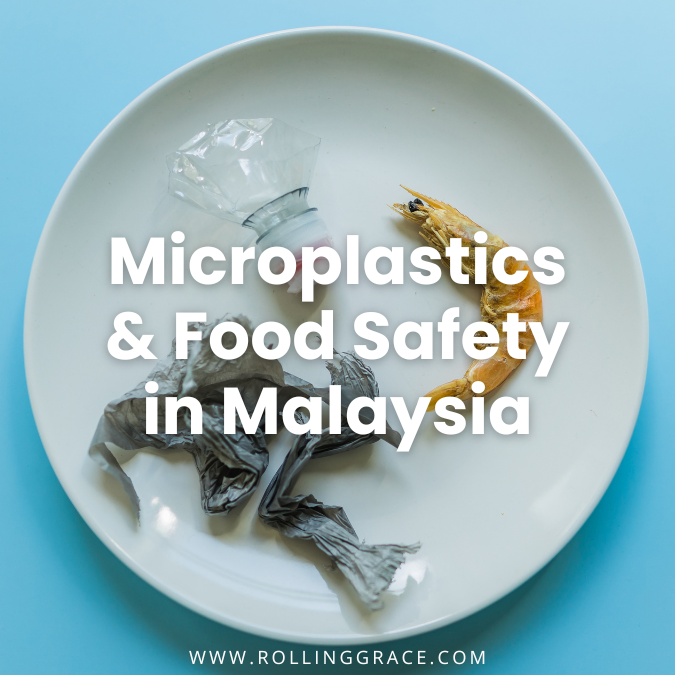
Contamination of Microplastics in Malaysian Food
Malaysia’s culinary heritage now faces an unseen challenge: microplastic contamination. Recent studies reveal troubling findings: 83% of seafood, 71% of tap water, and 92% of freshwater fish tested across the country contain microplastics. Even the air we breathe shows traces, with 75% of urban samples revealing airborne particles.
This growing presence of microplastics in Malaysian food threatens both health and heritage, reminding us that sustainability begins at the source, in how we protect what nourishes us.
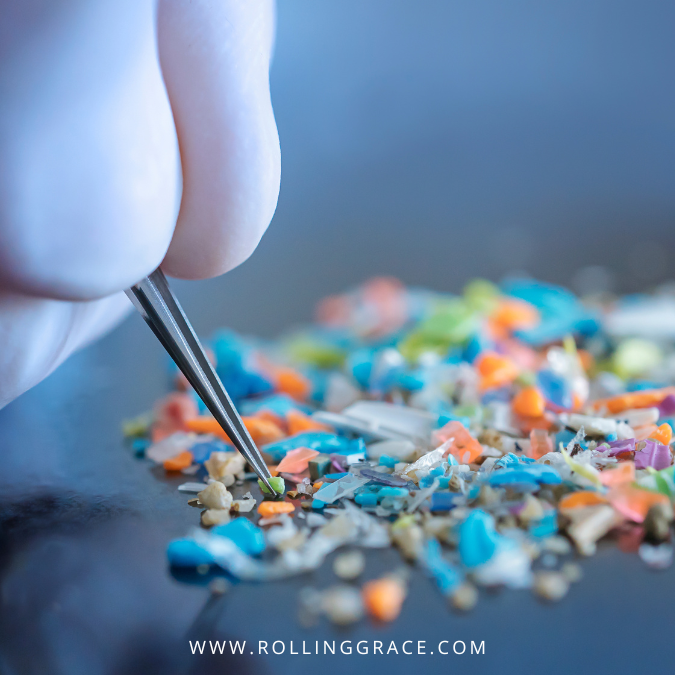
Primary Sources of Microplastics in Malaysia
Seafood
Malaysia’s coastlines feed millions of households, but plastic pollution in surrounding waters means marine life is ingesting microplastics long before it reaches the market. These particles accumulate in the fish and shellfish that end up on our plates.
Bottled Water
Multiple bottled water brands sold in Malaysia have tested positive for microplastic particles, shed during manufacturing or from the degradation of the bottles themselves. The more bottled water Malaysians drink, the higher the cumulative exposure.
Takeaway Packaging
Hawker stalls, food courts, and restaurants across Malaysia rely heavily on plastic containers, utensils, and wrapping. Heat and repeated use cause these materials to shed microplastic fragments directly into food.
Soil and Air
Microplastics are not limited to water. They have been detected in agricultural soil across Malaysia’s Klang Valley and in urban air, meaning fresh produce and grains can carry contamination that washing alone cannot fully remove.

Health Risks of Consuming Microplastics
Microplastics in Malaysian food pose a significant threat to human health due to their ability to accumulate in the body and release harmful chemicals. These tiny plastic particles can enter the human body through various routes, including ingestion, inhalation, and dermal absorption.
One of the primary concerns surrounding microplastic consumption is the potential for toxicity. Microplastics can act as carriers for various toxic substances, such as heavy metals, persistent organic pollutants (POPs), and other harmful chemicals. These contaminants can leach from the plastic and accumulate in the body, leading to adverse health effects.
Furthermore, microplastics themselves can cause inflammation and oxidative stress within the body. When ingested, these particles can irritate and damage the digestive system, potentially leading to inflammatory bowel diseases, stomach ulcers, and other gastrointestinal issues.
Recent studies have also suggested a potential link between microplastic exposure and an increased risk of certain types of cancer. Microplastics may interfere with cellular processes, disrupt gene expression, and contribute to the development of cancerous cells. However, more research is needed to fully understand the carcinogenic potential of microplastics.
Additionally, microplastics can accumulate in various organs, including the lungs, liver, and kidneys, potentially causing organ damage and impairment. The long-term effects of microplastic accumulation in the body are still being investigated, but early research indicates potential risks to the respiratory, cardiovascular, and reproductive systems.
It is crucial to note that the health risks associated with microplastic consumption may vary depending on the type of plastic, the size of the particles, and the specific contaminants present. However, the growing body of evidence highlights the urgent need to address microplastic pollution and minimise human exposure to these harmful particles.
Initiatives by the Malaysia Government
Malaysia’s Single-Use Plastic Roadmap 2018–2030
Malaysia’s central policy is the Roadmap Towards Zero Single-Use Plastics 2018–2030, launched in 2018, which aims to phase out single-use plastics gradually by 2030. There is no nationwide ban in force.
Because Malaysia is a federal system, most rules are set by individual states and local councils, so enforcement varies sharply across the country.
State-Level Plastic Bans and Charges in Malaysia
The strongest measures come from the states. Selangor enforces a daily no-free-bag policy with a RM1 charge per plastic bag. Penang was among the first to impose daily charges, extending them to wet markets. Sabah began a progressive phase-out of single-use plastic bags in 2023.
A “no straw by default” rule applies in many outlets, with plastic straws given only on request.
Why Malaysia’s Plastic Policy Falls Short
The roadmap sets direction, but critics point to weak implementation. Environmental groups note that inconsistent enforcement, reliance on state-by-state rules, and limited public data on progress have blunted its impact.
Without binding federal legislation, analysts warn the targets risk staying aspirational rather than enforced.

Tips to Reduce Microplastic Footprint
As consumers, we hold the power to drive change and reduce our exposure to microplastics through conscious choices and sustainable habits.
By adopting a few simple practices, we can significantly minimise our microplastic footprint and contribute to a healthier, cleaner environment.
- Embrace Reusable Alternatives: Bid farewell to single-use plastics by carrying reusable bags, water bottles, and food containers. These eco-friendly alternatives not only reduce plastic waste but also prevent the release of microplastics into the environment.
- Scrutinise Product Labels: Be a conscious consumer and read product labels carefully. Opt for products that are free from microbeads, which are tiny plastic particles commonly found in personal care items like facial scrubs and toothpaste.
- Support Sustainable Brands: Vote with your wallet by supporting businesses that prioritise sustainability and use eco-friendly packaging materials. Look for products that are packaged in glass, aluminium, or biodegradable materials.
- Invest in Quality Cookware: Replace old, scratched non-stick cookware with high-quality alternatives, such as cast iron, stainless steel, or ceramic-coated pans. Damaged non-stick surfaces can release microplastics into your food.
- Embrace a Plant-Based Diet: Incorporate more plant-based foods into your diet, as they generally have a lower microplastic content compared to animal-based products. Focus on fresh, locally sourced produce to minimise potential exposure.
- Advocate for Change: Raise awareness about the issue of microplastics in food by engaging with local communities, policymakers, and businesses. Support initiatives that promote sustainable practices and advocate for stricter regulations on plastic pollution.
By adopting these practical tips, we can collectively reduce our microplastic footprint and pave the way for a cleaner, healthier future for ourselves and generations to come.
Role of Businesses in Combating Microplastics in Malaysian food
Businesses are a major source of microplastic pollution through their products and packaging, but they also hold real power to cut it.
The most direct move is switching to biodegradable or recycled packaging that breaks down without shedding harmful particles, and where possible eliminating plastic altogether through solutions like dissolvable or edible coatings.
Recycling systems matter too. Clearly labelled bins, staff and customer education, and simple incentives all reduce the volume of plastic waste that ends up degrading into microplastics in landfills and waterways.
Beyond their own operations, companies that invest in research, partnering with scientists to cut plastic use or develop ways to capture microplastics, push the whole industry forward. And transparency seals it: businesses that report their reduction efforts and set measurable targets build consumer trust and pressure competitors to follow.
The takeaway is straightforward. Businesses that treat microplastic reduction as a core responsibility rather than an afterthought protect both the environment and their own long-term standing.
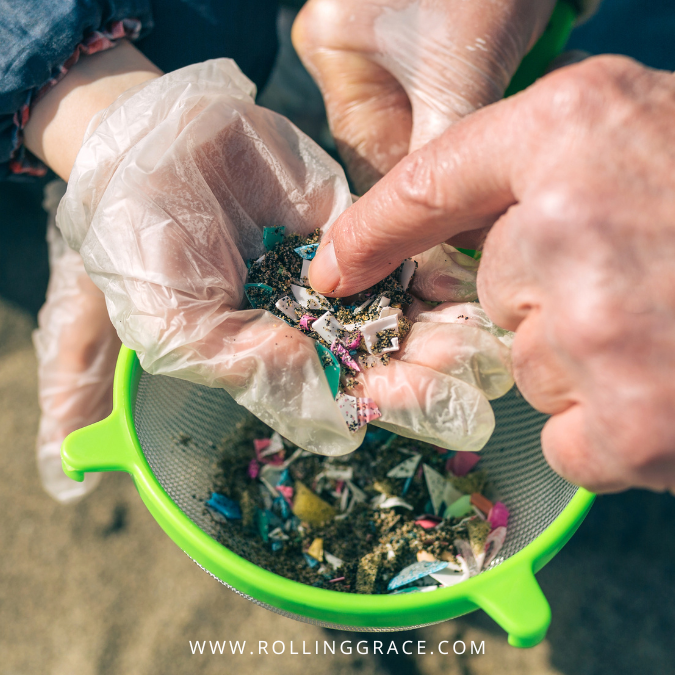
Ending Microplastics in Malaysia
As microplastic contamination in Malaysian food draws growing attention, the focus turns to the solutions that could clean up the food supply chain. The path is difficult, but with coordinated effort across stakeholders, a safer future is within reach.
One promising route is advanced filtration built specifically to strip microplastics from the water used in farming and food processing. Catching particles at this stage would stop them entering the food chain at the source, cutting contamination sharply.
Packaging is the next lever. Moving away from traditional plastic toward biodegradable materials lets food businesses reduce pollution while protecting the people who buy from them.
Farming practices matter just as much. Organic fertilisers and crop rotation improve soil health and lower the microplastics entering the ground, which means fewer particles reaching the crops people eat.
None of this works in isolation. Progress depends on researchers, policymakers, and industry leaders working together, sharing knowledge and building public-private partnerships that keep Malaysia ahead on microplastic mitigation rather than reacting after the damage is done.
Your Call to Action
The pervasive presence of microplastics in Malaysian food is a sobering reality that demands immediate attention and collective action. While the government’s initiatives to combat microplastic pollution are commendable, more needs to be done to safeguard the nation’s food supply and protect public health.
You play a crucial role in this battle against microplastics in Malaysia. By adopting sustainable practices, such as reducing single-use plastic consumption, supporting businesses that prioritise eco-friendly packaging, and advocating for stricter regulations, we can create a ripple effect that drives positive change.
Businesses must also step up and embrace their responsibility as stewards of the environment. Transitioning to biodegradable alternatives, implementing effective waste management systems, and investing in research and development to find innovative solutions are imperative steps in the fight against microplastic pollution.
The government must continue to lead the charge by strengthening existing regulations, enforcing strict penalties for non-compliance, and fostering collaboration with stakeholders across various sectors. Investing in research, raising public awareness, and promoting sustainable practices should be top priorities.
By working together, we can create a future free from microplastics in Malaysian food, ensuring the safety and well-being of our communities for generations to come. The time to act is now, and every effort, no matter how small, can contribute to a cleaner, healthier, and more sustainable Malaysia.
Get the good stuff first. Join Rolling Grace for the restaurants worth crossing a city for, the stays worth the upgrade, and the places to go before everyone else. Free, straight to your inbox.
Leave a Reply