Every culture, on every continent, has found its own way to wrap something delicious inside dough and call it a meal. The best dumplings in the world are not variations on a single idea. They are independent solutions to the same fundamental human problem: how to make a small amount of food feel like enough.
This list covers 20 of the most distinctive and widely loved examples, drawn from first-hand eating across four continents and verified against regional culinary sources. They are listed without ranking because ranking dumplings by country is an argument nobody wins.
Read also: 5 Reasons Sarawak Laksa is the Best Breakfast in Borneo

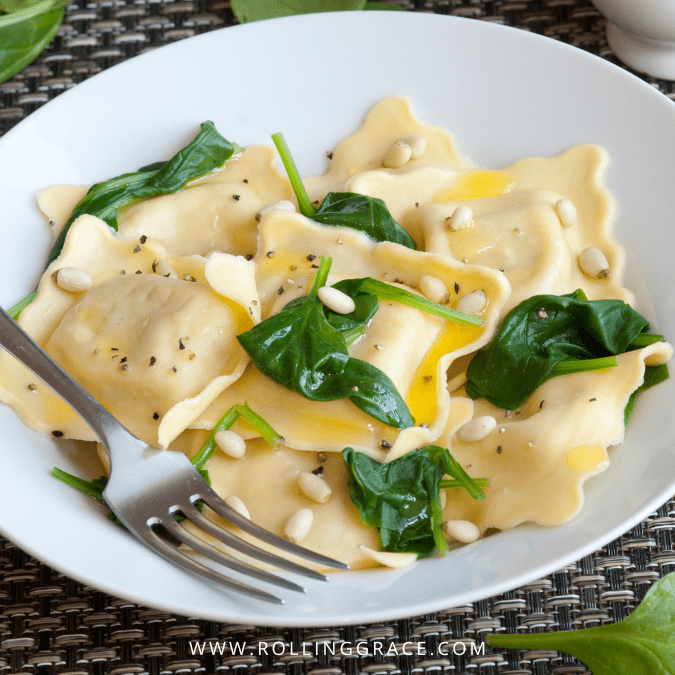
Ravioli, Italy
What It Is
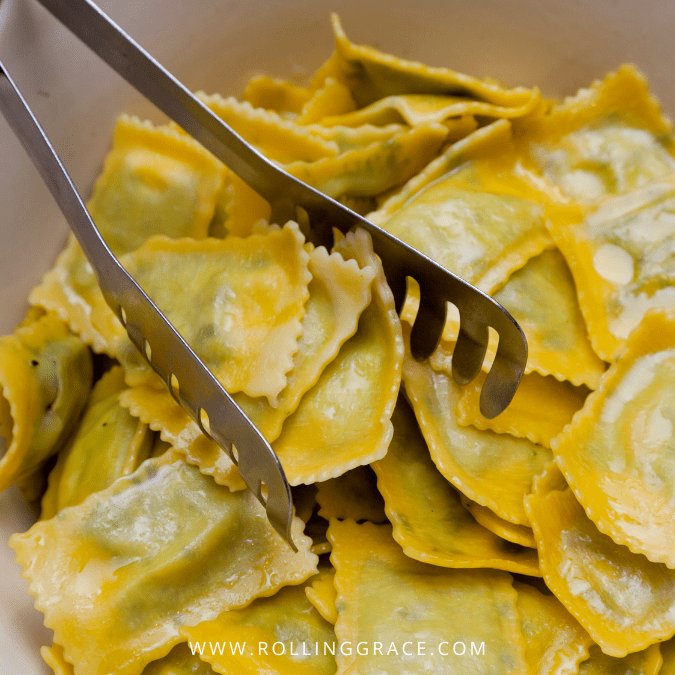
Small pasta parcels, sealed at the edges, filled with combinations that shift dramatically by region. Ricotta and spinach in Rome. Fish and bitter greens along the Ligurian coast. Nettle filling in Tuscany. Ricotta with grated lemon zest in Sardinia. The wrapper is egg-based pasta, rolled thin enough to show the filling through it.
Why It Makes This List
Ravioli is the dumpling that most Western diners encounter first, which has made it easy to underestimate. The regional variation across Italy is wide enough that eating ravioli in Rome and ravioli in Liguria are genuinely different experiences. Seek out the regional versions rather than the generic cheese-filled standard.
It is often included among the most talked about dumplings in the world for its familiar flavours and regional significance.
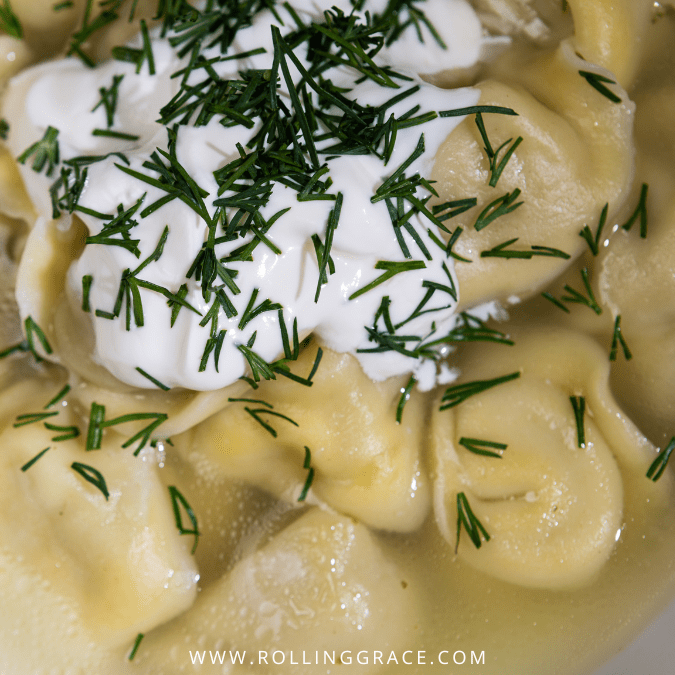
Shishbarak, Lebanon
What It Is
Meat dumplings, typically beef, seasoned with Lebanon’s seven-spice blend: paprika, black pepper, cloves, cardamom, nutmeg, coriander and cumin. The dumplings are cooked directly in a yogurt sauce finished with garlic, mint and coriander, which thickens around them as it simmers.
Why It Makes This List
The combination of spiced meat and fermented dairy is one of the more complex flavour pairings in the dumpling world. The yogurt sauce is not a condiment. It is integral to the dish, absorbed by the dough as it cooks. It stands out within dumplings in the world as a well-known example of comfort food shaped by tradition.
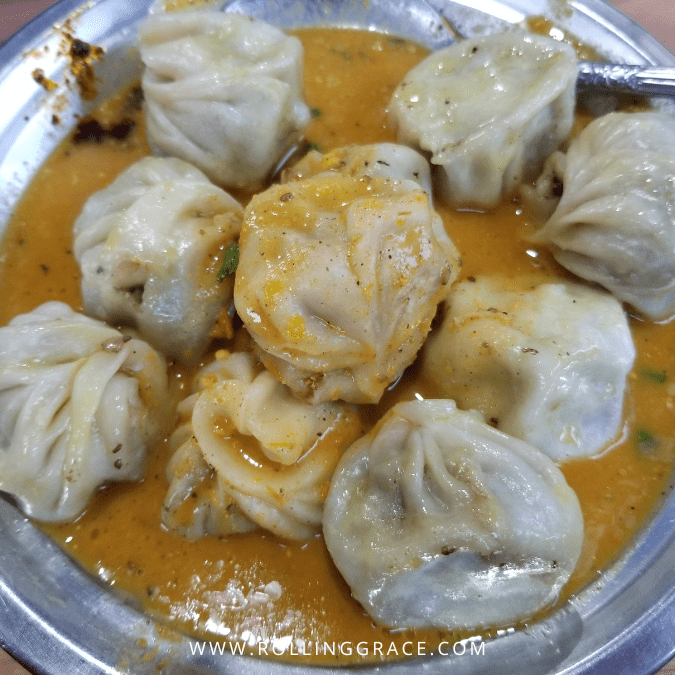
Momo, Nepal and Tibet
What It Is
Steamed dumplings filled with minced buffalo in Nepal, yak meat in Tibet, and beef, pork or vegetable elsewhere. The filling is spiced with turmeric, cumin, coriander, garlic and ginger. Served alongside achar, a Nepali tomato-based dipping sauce that ranges from mild to aggressively hot depending on who makes it.
Why It Makes This List
Momo culture in Kathmandu is as embedded as pizza culture in Naples. Street stalls, restaurants and home kitchens all produce their own version. The achar is non-negotiable and often the best part. It is one of the more recognisable dumplings in the world, appreciated across generations and cultures.
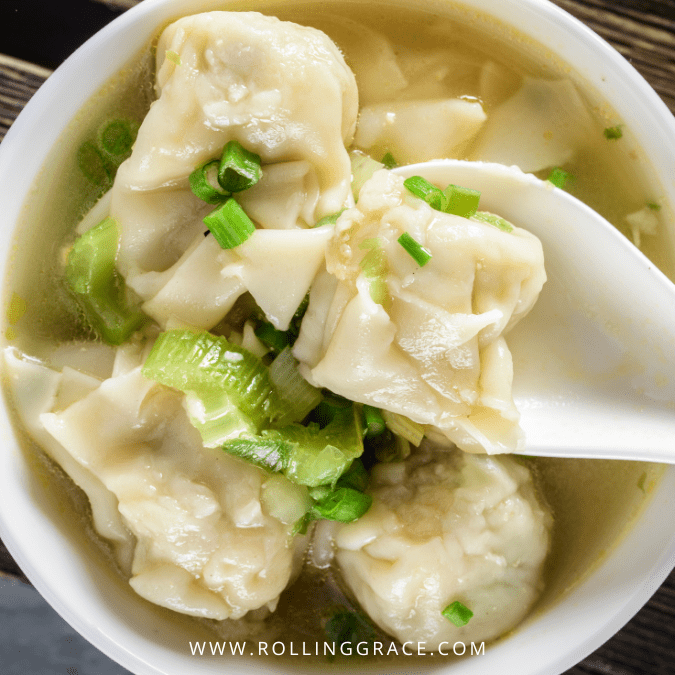
Wonton, China
What It Is
Thin-skinned parcels filled with seasoned pork or prawn, served in clear broth or dressed in chilli oil depending on the regional tradition. The Sichuan version, Chao Shou, is the most aggressive: large wontons submerged in chilli oil infused with Sichuan peppercorn and black vinegar, the kind of heat that numbs before it burns.
Why It Makes This List
The gap between a bland wonton in a shopping centre food court and a proper Chao Shou in Chengdu is one of the larger gaps in global dumpling eating. The Sichuan version is the one worth seeking out specifically.
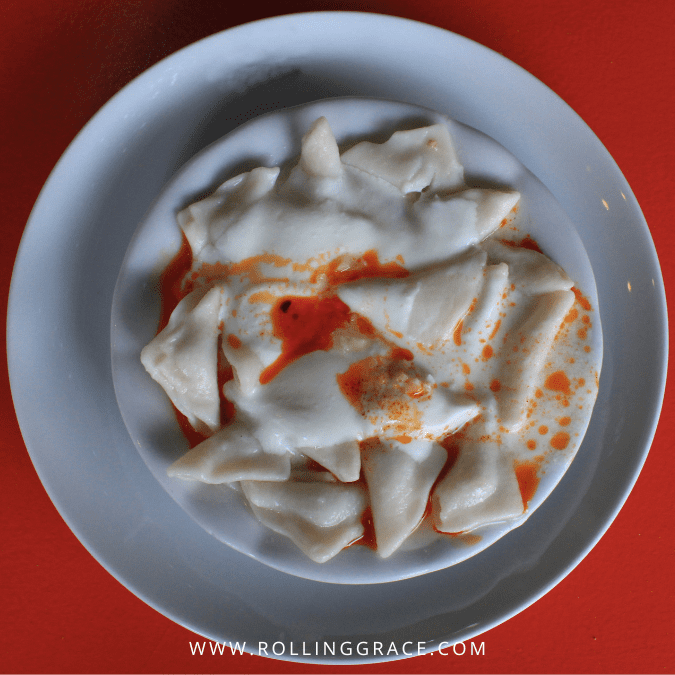
Manti, Turkey
What It Is
Tiny dumplings, each one barely larger than a fingernail, filled with minced lamb, onion and garlic. Served under a thick layer of garlic yogurt and finished with smoked paprika butter poured over the top at the table. Eaten widely across Turkey, Central Asia and parts of Eastern Europe, with the filling and shape varying by country.
Why It Makes This List
The ratio of dough to filling in manti is higher than almost any other dumpling, which makes the texture the point. The yogurt and paprika butter combination is one of the better sauce pairings on this list.
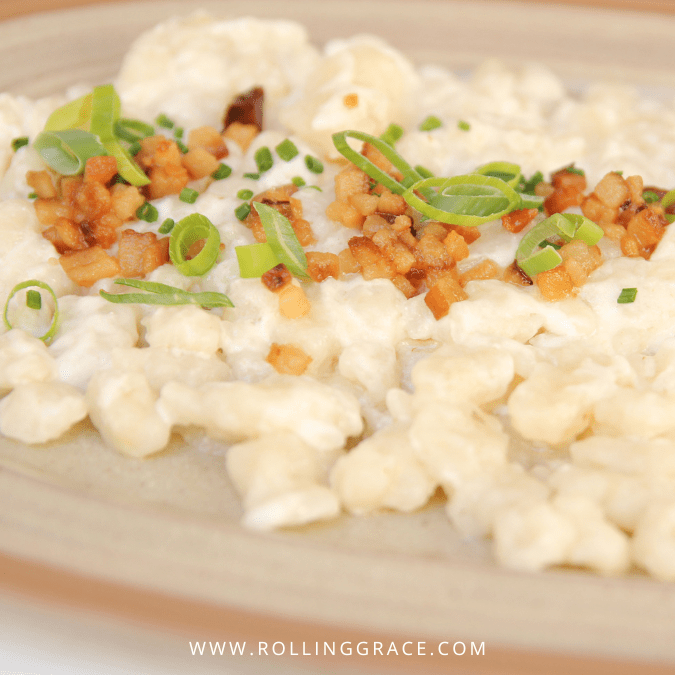
Bryndzové Halušky, Slovakia
What It Is
Slovakia’s national dish: small potato dumplings, irregular in shape, tossed with Bryndza, a sharp local sheep’s milk cheese, and topped with fried bacon. The dumplings are soft and dense, the cheese is pungent, and the bacon fat pulls everything together.
Why It Makes This List
This is the only dumpling on the list that functions as a national identity marker. Bryndza is geographically protected and only produced in Slovakia and parts of Poland. The dish cannot be authentically replicated anywhere else. It is a well-loved addition to conversations around dumplings in the world, often recognised for its cultural roots.
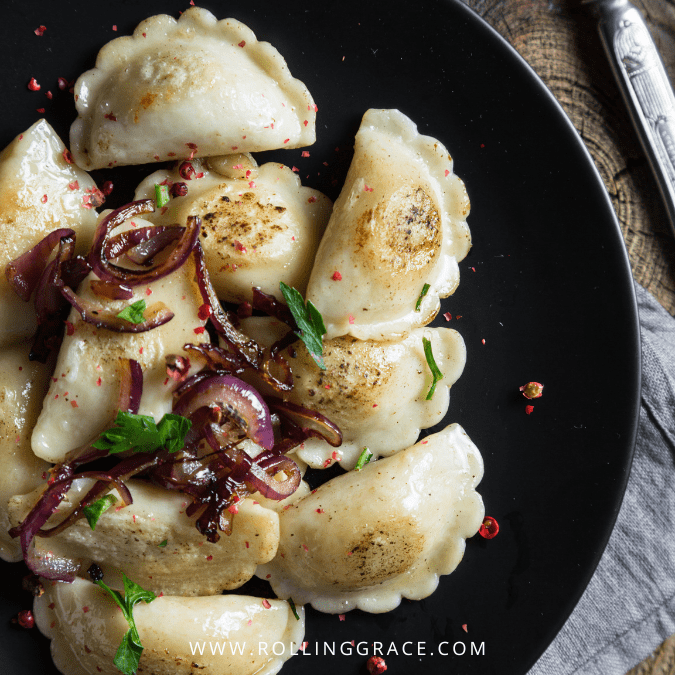
Pierogi, Poland
What It Is
Crescent-shaped dumplings made from unleavened dough, boiled and then either fried or baked. The filling range is wider than any other dumpling on this list: sauerkraut and mushroom, potato and cheese, minced meat, blueberry, chocolate, plum. Sweet and savoury versions are both considered traditional and eaten at different points of the same meal.
Why It Makes This List
The versatility is unmatched. Pierogi are served at weddings, Christmas Eve dinners, street food festivals and school canteens. The fried version, finished in butter with caramelised onion, is the one to order. It continues to rank among notable dumplings in the world, drawing interest from both locals and visitors.
Raspeball, Norway
What It Is
Also known as klubb, komle or coumpa depending on the region, these are large boiled potato dumplings wrapped around smoked ham or bacon. Dense, filling and best eaten in winter, they are traditionally served with buttermilk, swede and additional bacon on the side.
Why It Makes This List
Raspeball is the least-known European dumpling on this list outside Scandinavia, which is precisely why it belongs here. The texture is unlike anything else: heavy, starchy and deeply savoury from the smoked meat at the centre. It is frequently mentioned alongside other iconic dumplings in the world, reflecting its lasting culinary presence.

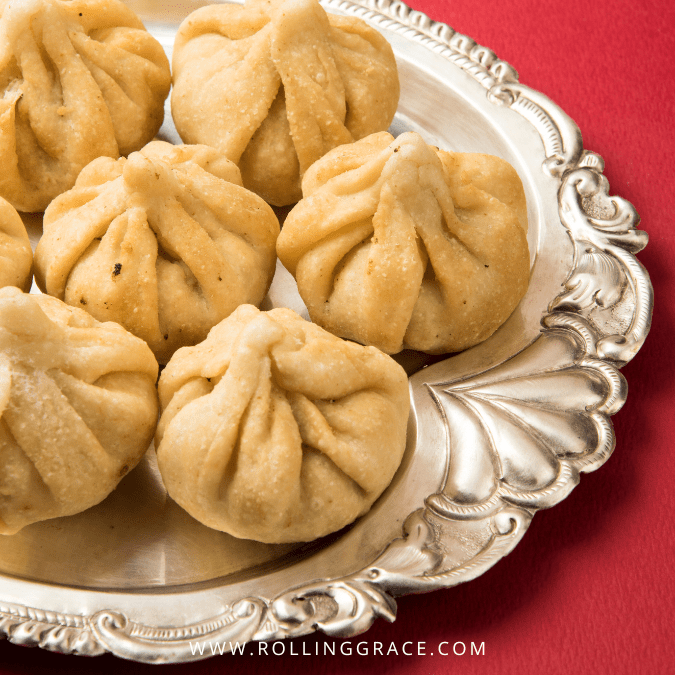
Modak, India
What It Is
Teardrop-shaped dumplings made from rice flour, filled with fresh coconut and jaggery, an unrefined cane sugar with a molasses-like depth. Steamed rather than boiled. In Maharashtra, modak are prepared every August for Ganesh Chaturthi, offered to Lord Ganesh before being distributed and eaten by the household.
Why It Makes This List
Modak is one of the few dumplings on this list with an unbroken ceremonial function. The sweet filling and rice flour wrapper place it in a completely different category from the savoury majority, making it one of the more memorable first encounters.
Pelmeni, Siberia
What It Is
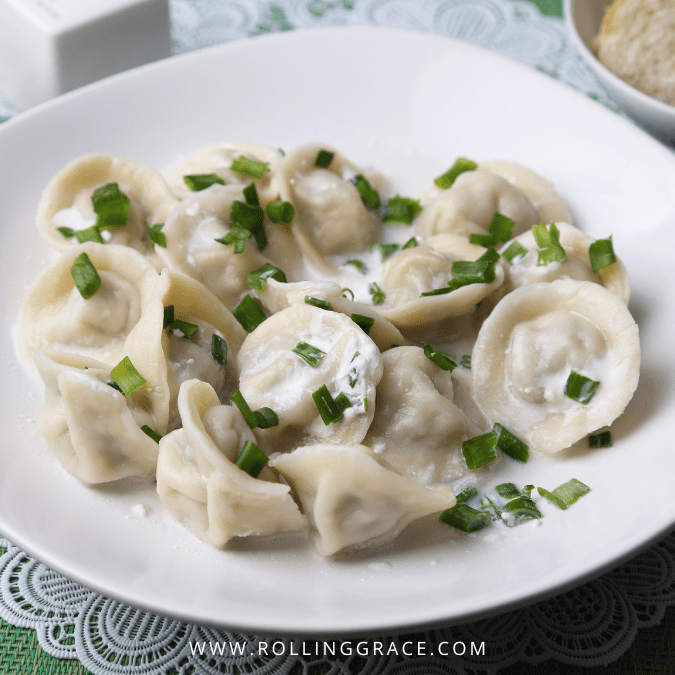
Thick-cased dumplings filled with minced meat, mushrooms, or cheese, boiled and served with sour cream, melted butter and green onions. The casing is deliberately thicker than Chinese or Japanese equivalents, giving the dough a chewiness that holds up to the cold for which Siberia is known. Historically, pelmeni were frozen outdoors in winter and boiled from frozen as needed.
Why It Makes This List
Pelmeni is one of the oldest dumplings on this list, with origins that predate most written Siberian culinary records. The thick wrapper is a feature, not a flaw: it is what makes the dish work in temperatures where anything more delicate would fail.
Gyoza, Japan
What It Is
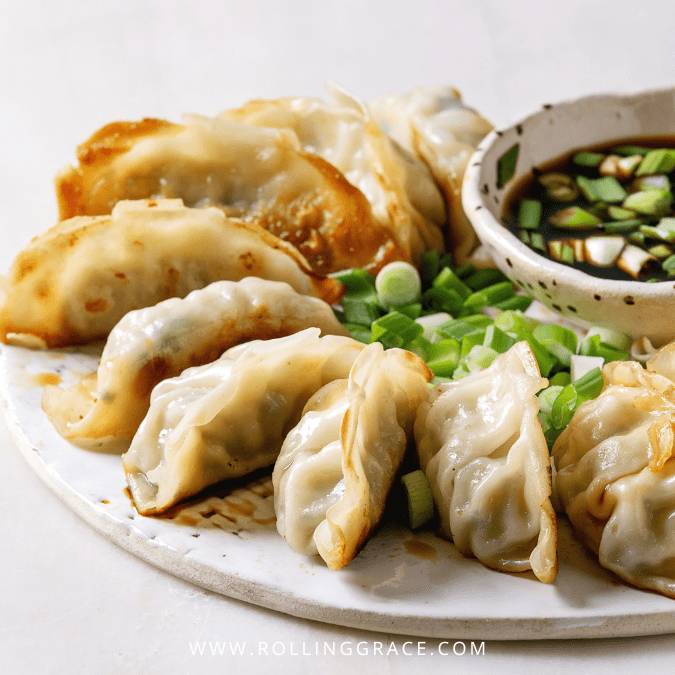
Thin-wrapped dumplings filled with ground pork and finely chopped cabbage, garlic and ginger, pan-fried on one side to a crisp golden base and steamed through the top. Served with a dipping sauce of soy, rice vinegar and chilli oil. The best gyoza in Japan are found at small counters outside train stations, not in restaurants.
Why It Makes This List
The technique is specific: the flat-bottomed fry followed by steam creates a dual texture, crisp below and soft above, that no other cooking method replicates. A well-made gyoza is as technically precise as anything in French cooking. It is widely regarded as one of the classic dumplings in the world, known for its enduring appeal.
Khinkali, Georgia
What It Is
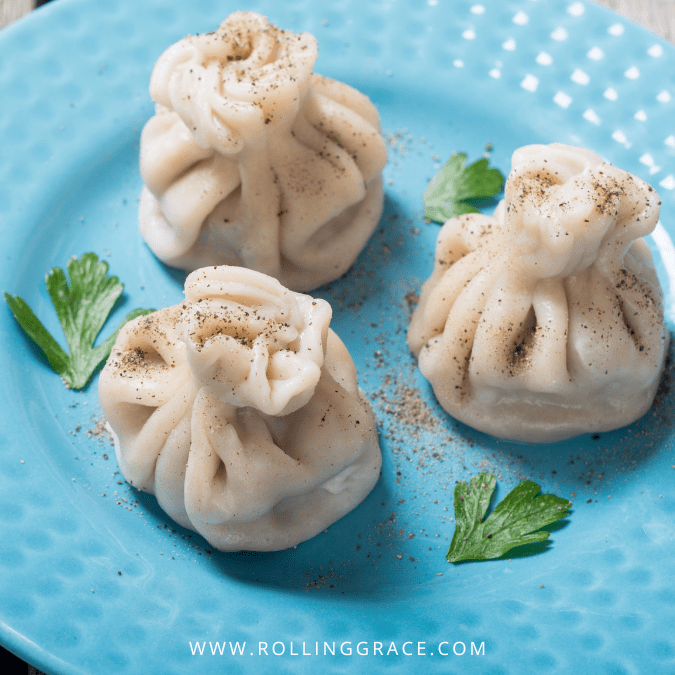
Large pleated dumplings filled with spiced ground beef and pork, chilli, fenugreek and coriander. The filling is mixed with water before being sealed inside, creating a hot broth inside the dumpling as it cooks. Eaten by hand in Georgia: hold the pleated top, bite a small hole in the side, drink the broth first, then eat the rest. Using cutlery is considered poor form.
Why It Makes This List
The internal broth is the defining feature and the reason khinkali must be eaten immediately after cooking. The eating technique is not a novelty. It is the correct method for experiencing the dish as it was designed.
Bánh Bột Lọc, Vietnam
What It Is
Small dumplings made from tapioca flour, filled with shrimp and pork, seasoned with fish sauce and spring onion. Wrapped and steamed in banana leaves, which turn the tapioca translucent during cooking and impart a faint grassy fragrance to the wrapper. The texture is chewy and gelatinous against the firm filling.
Why It Makes This List
The tapioca wrapper places bánh bột lọc in a different textural register from every other dumpling on this list. The banana leaf cooking method is as much about flavour as presentation. Central Vietnamese in origin, it is less well known internationally than pho or bánh mì, which makes it one of the more rewarding finds on a trip to Hue or Da Nang.

Maultasche, Germany
What It Is
Large Swabian dumplings made from pasta dough and filled with spiced minced meat, breadcrumbs, spinach and mixed herbs. Larger than Italian ravioli and with a more heavily seasoned filling. Served either braised in beef broth or pan-fried in butter with onions. Maultasche has protected geographical status in Germany and is specific to the Swabia region of Baden-Württemberg.
Why It Makes This List
The size distinguishes it immediately. A single Maultasche is a meal. The broth preparation produces a softer, more delicate result than the pan-fried version, which develops a crust. Both are worth trying if the opportunity arises.
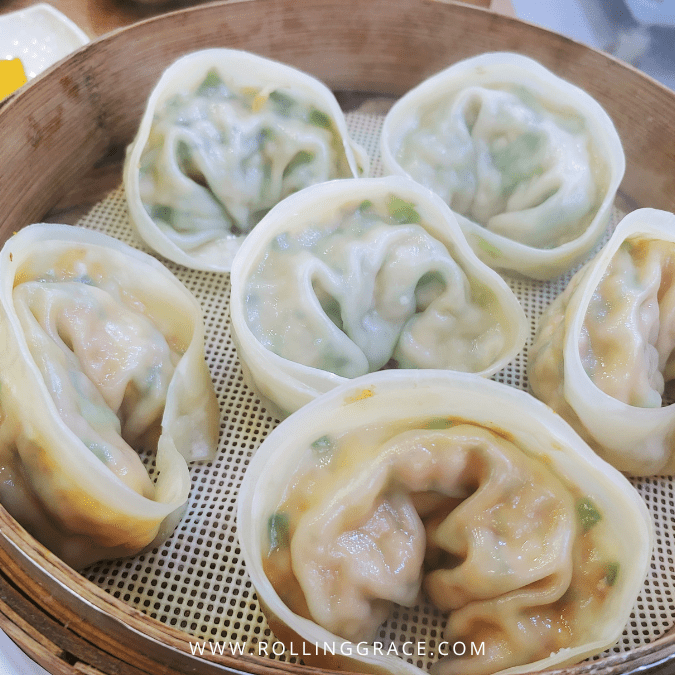
Mandu, Korea
What It Is
Korean dumplings filled with a mixture of kimchi, tofu, carrot, garlic, leeks, spring onion and bean sprouts, seasoned with ginger and a small amount of brown sugar.
Folded into circular pleated shapes. Served fried, steamed or boiled in soup depending on the occasion, with the soup version, tteok mandu guk, traditionally eaten on Korean New Year.
Why It Makes This List
The kimchi filling gives mandu a fermented sourness that no other dumpling on this list replicates. The circular folding technique is regionally specific to Northeast Asia and results in a more even distribution of filling than crescent-shaped alternatives.
It remains one of the more widely recognised dumplings in the world, shaped by generations of local cooking traditions.
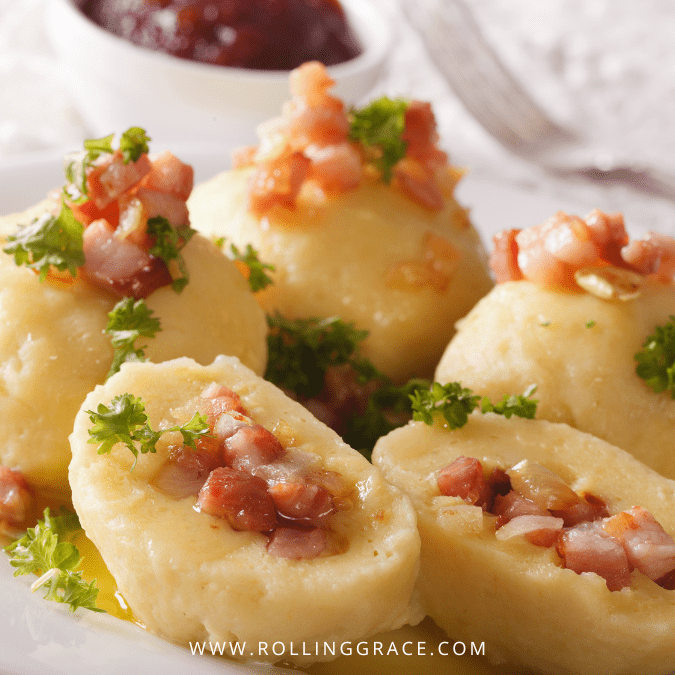
Kroppkaka, Sweden
What It Is
Large Swedish potato dumplings filled with smoked pork, onion and cracked pepper. Boiled until cooked through and served with lingonberry jam and cream.
Less common fillings include smoked eel, goose breast and Baltic herring. The dough is made from a combination of raw and cooked potato, giving it a consistency between a gnocchi and a British suet dumpling.
Why It Makes This List
The lingonberry accompaniment is the detail that elevates this above its Scandinavian neighbours. The sharpness of the berry cuts through the smoked pork and starchy dough in a way that a cream-only serving does not. Regional to the island of Öland, the best versions are found there.
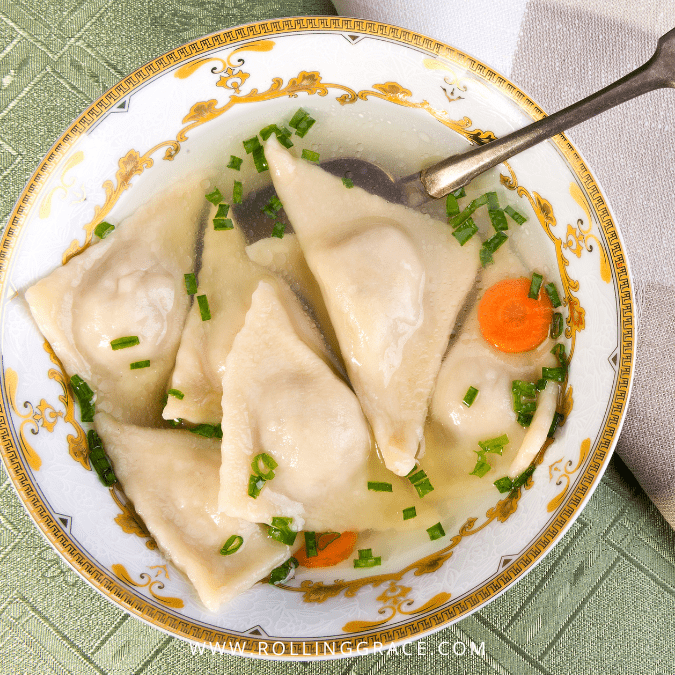
Kreplach, Israel
What It Is
An Ashkenazi Jewish speciality of Eastern European origin: thin pasta dough filled with ground meat and mashed potato, boiled and served in chicken soup or fried until golden. The thinner the wrapper the better, and getting it right is considered a mark of skill. Kreplach are eaten on specific Jewish holidays including Yom Kippur eve, Hoshana Rabbah and Purim.
Why It Makes This List
Kreplach carries cultural and religious significance that most dumplings on this list do not. The dish exists within a specific ritual calendar. Eating it in the right context, at a Shabbat table or on a holiday, is a different experience from eating it in a restaurant.
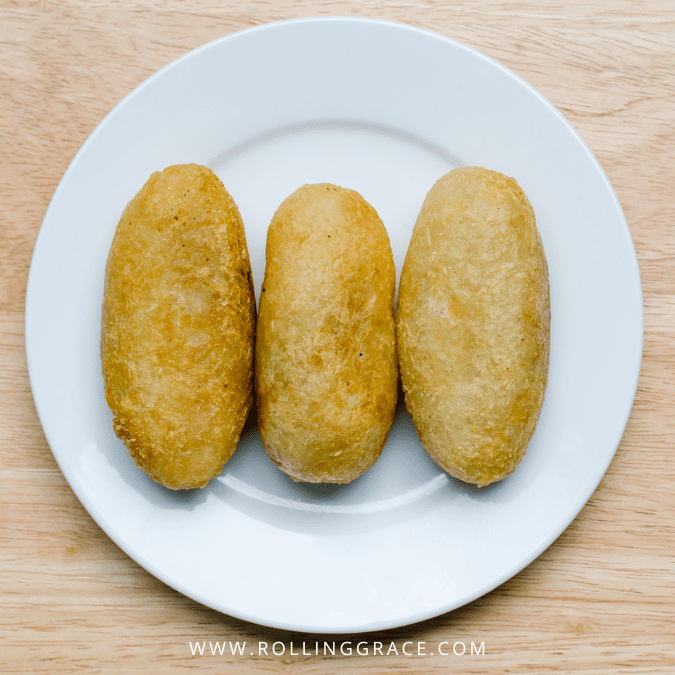
Carimañola, Colombia
What It Is
A Colombian fried dumpling in the shape of a torpedo, made from yuca dough and filled with seasoned ground beef and cheese. Eaten as breakfast or a mid-morning snack in Colombia and Panama, typically served with suero, a fermented milk condiment similar in texture to crème fraîche with a sharper, more acidic flavour.
Why It Makes This List
Yuca dough behaves differently from wheat or potato-based alternatives: it fries to a firm, slightly blistered crust with a dense interior. The torpedo shape is functional, maximising the filling-to-wrapper ratio. Carimañola is the least globally recognised dumpling on this list and among the most immediately satisfying to eat.
Buuz, Mongolia
What It Is
Steamed dumplings filled with ground mutton, onion and garlic, wrapped in dough made from a blend of barley, wheat and buckwheat flour. Larger than most Asian dumplings. Eaten at home on Tsagaan Sar, the Mongolian Lunar New Year, where families prepare hundreds in advance and eat them over several days of celebrations.
Why It Makes This List
The buckwheat and barley flour blend gives the wrapper a earthier, more robust flavour than standard wheat dough. The mutton filling is rarely encountered in international dumpling eating, which makes buuz one of the more distinctive entries on this list for anyone who has worked through the more familiar options.
It stands comfortably among dumplings in the world, appreciated for both its simplicity and regional identity.
Cepelinai, Lithuania
What It Is
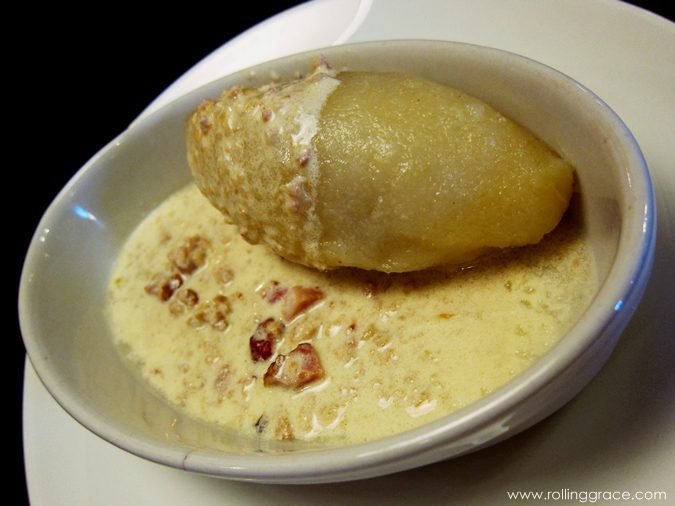
Large stuffed potato dumplings named after the Zeppelin airship, which their elongated shape resembles.
Made from riced raw potato mixed with cooked potato, stuffed with minced meat, and boiled until the exterior sets into a dense, slightly gluey shell. Served with sour cream and pork rinds. Heavy by any standard, and filling in a way that makes a single dumpling a complete meal.
Why It Makes This List
Cepelinai is an honest dish. It makes no concessions to lightness or elegance. The texture is unusual on first encounter and entirely coherent by the second.
It is the kind of food that makes sense in a Baltic winter and holds up well in any season if you are hungry enough. It continues to be discussed among dumplings in the world, especially by those exploring traditional comfort foods across cultures.
Frequently Asked Questions about Dumplings in the World
What are the most popular dumplings in the world?
Gyoza, wonton, pierogi and momo are among the most widely eaten dumplings globally, found well outside their countries of origin in restaurants and home kitchens across every continent.
What is the difference between a dumpling and a ravioli?
Ravioli is a specific Italian pasta dumpling made from egg-based dough. The broader category of dumplings includes any dish where a filling is enclosed in dough, regardless of the flour type, cooking method or cultural origin.
Which country has the best dumplings?
No single country does. China, Japan, Poland, Georgia and Nepal each produce dumplings that are among the most technically refined in the world, and the best version of any dumpling is almost always the one made at home by someone who has been making it for decades.
Are dumplings healthy?
It depends entirely on the filling, the cooking method and the portion. Steamed dumplings with vegetable or lean meat fillings are nutritionally balanced. Fried versions with rich fillings are not diet food. Most are best eaten as part of a larger meal rather than alone.
What is the oldest dumpling in the world?
Jiaozi, the Chinese folded dumpling, is widely considered among the oldest, with written records dating back over 1,800 years. Kreplach and manti also have ancient origins traceable to pre-medieval culinary traditions.
Can dumplings be made without meat?
Yes. Pierogi, modak, bánh bột lọc and gyoza all have widely eaten vegetarian versions. Several, including modak, are traditionally sweet rather than savoury.
Get the good stuff first. Join Rolling Grace for the restaurants worth crossing a city for, the stays worth the upgrade, and the places to go before everyone else. Free, straight to your inbox.
Leave a Reply