I spent three nights in Nida, cycling between the dune viewpoints, eating smoked bream from a roadside hut, and watching the sun drop behind the Curonian Lagoon from the top of Parnidis Dune. Here is everything to know about Curonian Spit, Lithuania.
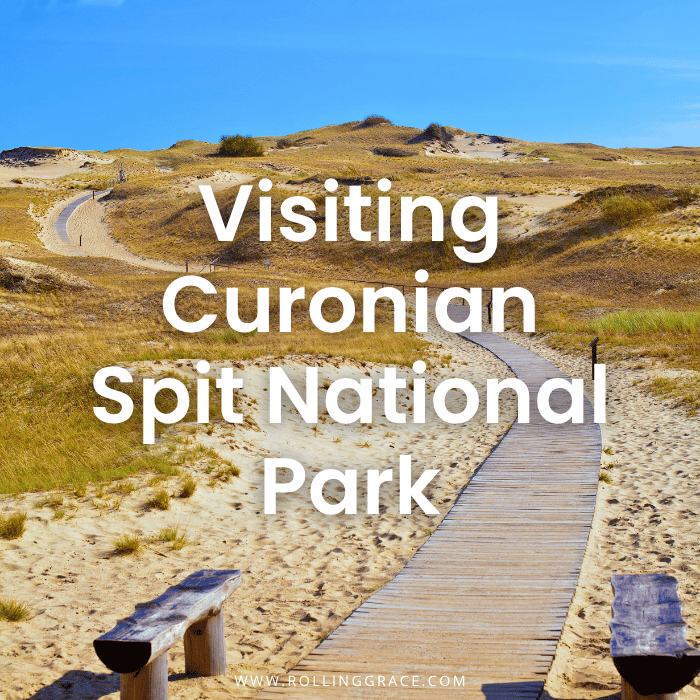
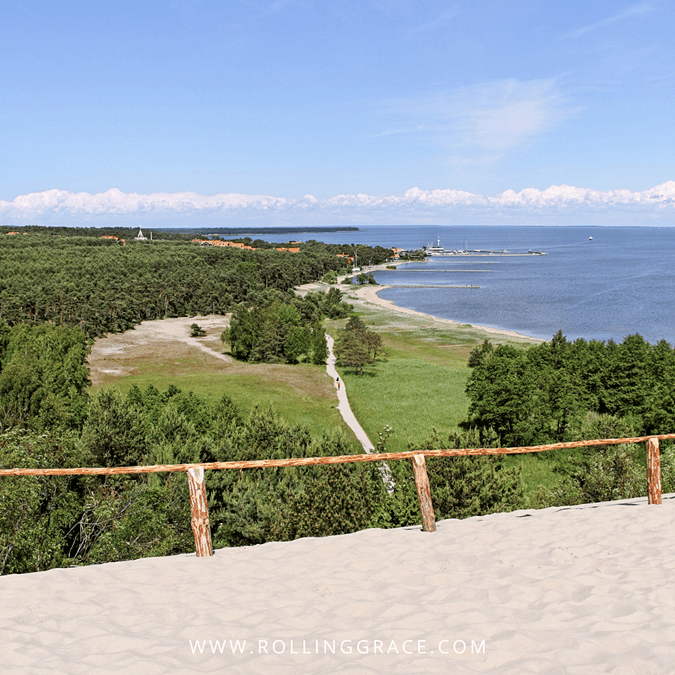
Standing on top of Parnidis Dune at golden hour, you can see the Baltic Sea to one side and the Curonian Lagoon to the other, separated by nothing but 52 metres of wind-sculpted sand. Below, the pine forests thin out into pale grassland. To the south, three kilometres away, the Russian border cuts the spit in half. There is no fence. Just a line of posts and a closed crossing.
The Curonian Spit is a 98-kilometre sand dune peninsula stretching from southwestern Lithuania to Russia’s Kaliningrad Oblast, separating the Baltic Sea from the Curonian Lagoon. It is between 0.4 and 4 kilometres wide at any given point. UNESCO listed it as a World Heritage Site in 2000, describing it as a cultural landscape shaped by the sea, wind, and human activity over the last 5,000 years.
Lithuania owns the northern 52 kilometres of the spit, administered as the Kursiu Nerija National Park since 1991. The Lithuanian side has four settlements: Nida, Juodkrantė, Preila, and Pervalka. Nida, with roughly 1,800 permanent residents, is the largest and the best base for exploring the spit.
Read also: 20 Best Dumplings in the World You Need to Try at Least Once
10 Best Things to Do at the Curonian Spit, Lithuania
Climb the Parnidis Dune
The main attraction on the Curonian Spit Lithuania. Parnidis is a 52-metre active sand dune at the southern edge of Nida, part of the Great Dune Ridge that runs along the length of the peninsula.
“Active” means it still drifts with Baltic winds, moving between 0.5 and 10 metres per year. A wooden boardwalk leads up to a granite sundial at the summit, and from the top you get an unbroken panoramic sweep of the Curonian Lagoon, the dune valleys, and the Baltic Sea.
Book Curonian Spit One-day Heritage & Sand Dune Tour
The dune once stood at 60 metres but has lost height over the past three decades due to erosion. Visitors are warned that a single footstep off the boardwalk can dislodge tonnes of sand. Come at sunrise or sunset for the best light.
Eat Smoked Fish from Roadside Huts
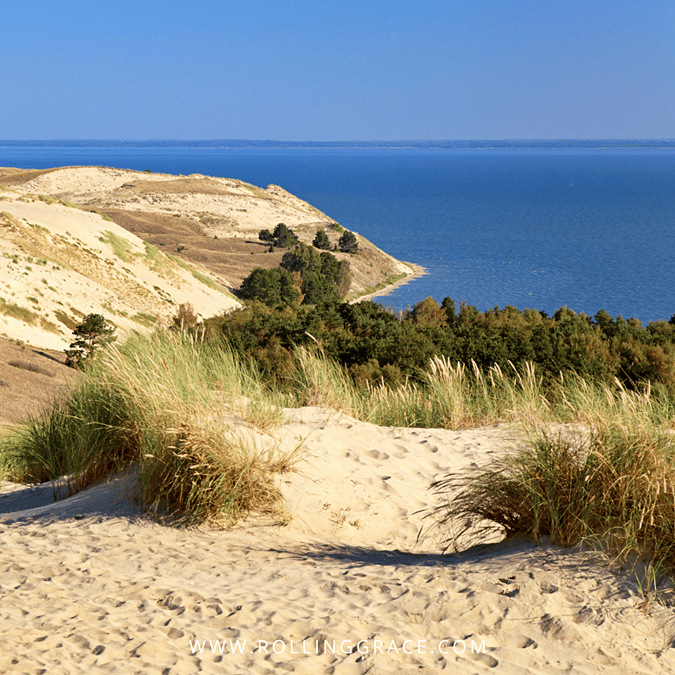
Roadside fish-smoking huts dot the lagoon side of the spit, marked with handwritten signs reading “Rūkyta Žuvis” (smoked fish). The typical offering is smoked bream, pike, or eel, freshly caught from the Curonian Lagoon and smoked over alder wood. Prices are low and the fish is sold whole, still warm.
Smoked eel from the Curonian Lagoon is the local speciality. Pair it with dark rye bread and a cold Baltic beer at any village cafe for what amounts to the signature meal of the spit.
Walk Through Nida Village
Nida is small enough to cover on foot in an afternoon. The main street is lined with traditional fishermen’s houses painted in the characteristic Curonian yellow and blue palette, originally a navigational code that allowed fishermen to identify their home village from the water.
Most of these buildings now house guesthouses, restaurants, and small shops, but the architecture is protected and unchanged in form.
The harbour on the lagoon side has a small promenade. The Nida Cemetery is worth a detour for its krikštai, traditional Lithuanian wooden grave markers carved with geometric and nature motifs.

Visit the Thomas Mann House Museum
German Nobel laureate Thomas Mann had a summer house built in Nida in 1929, the same year he won the Nobel Prize in Literature.
It is a simple white-painted timber building on a hill overlooking the Curonian Lagoon, now a museum open from May to October, with entry around €4. Mann spent three consecutive summers here from 1930 to 1932, working on his Joseph tetralogy. After the Nazis came to power in 1933, the family left Germany and never returned to Nida.
The house is a 15-minute walk from Nida’s centre and the view from its garden over the lagoon is one of the best in the village.
Read also: Your Complete Plitvice Lakes National Park Guide
Hike the Dead Dunes Trail in the Nagliai Nature Reserve
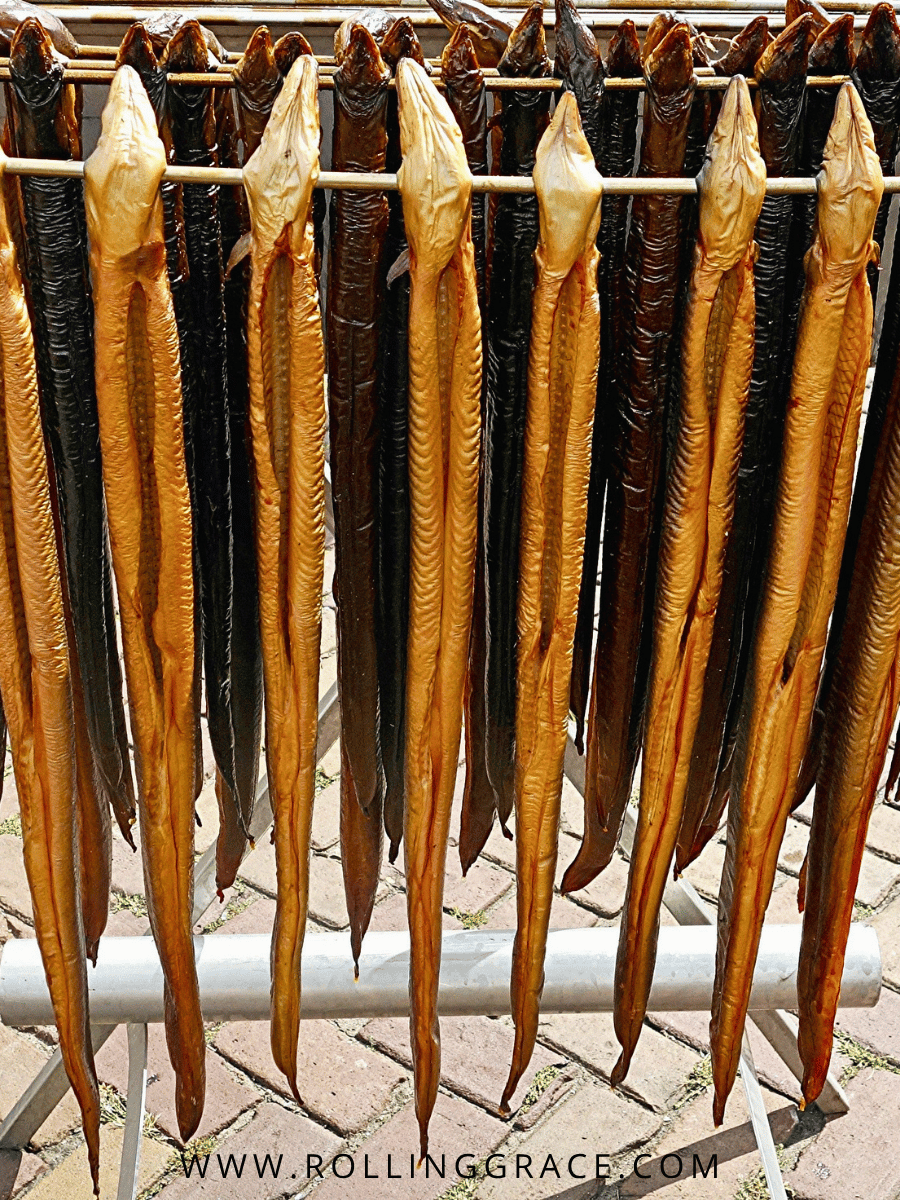
The Nagliai Strict Nature Reserve sits between Nida and Juodkrantė and contains one of the best-preserved sections of active dune landscape on the Curonian Spit. A 1.8-kilometre educational boardwalk trail crosses through the dunes with information panels explaining the geology and the ongoing battle between sand and forest.
This is the most untouched stretch of the Lithuanian spit. Entry is free but visitors must stay on the boardwalk to protect the dune system.
Cycle the 52-Kilometre Spit Path
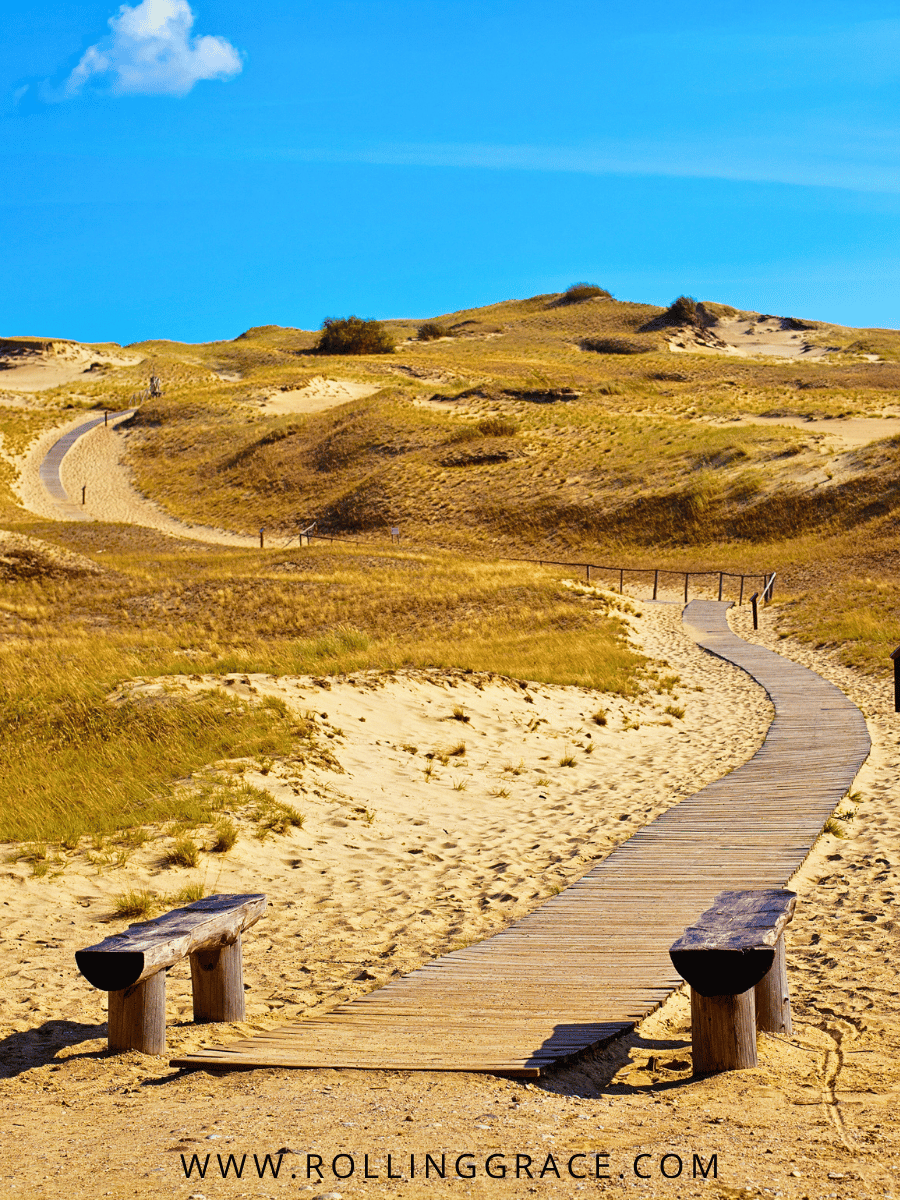
A dedicated cycle path runs the full length of the Lithuanian side of the Curonian Spit, from Nida in the south to Smiltynė in the north.
The terrain is flat, the route passes through dense pine forests, and the entire ride can be done in a day at a relaxed pace. Bike hire is available in Nida, Juodkrantė, and at the Smiltynė ferry terminal.
Most cyclists ride from Nida to Juodkrantė (about 22 km one way) and back in half a day, stopping at the viewpoints and beaches along the route. Roughly 70 percent of the Curonian Spit is covered in pine forest, and the canopy keeps the path shaded for most of the ride.
Read also: Tiger Leaping Gorge Hiking Guide: 9 Important Things to Know
Swim at the Baltic Sea Beaches
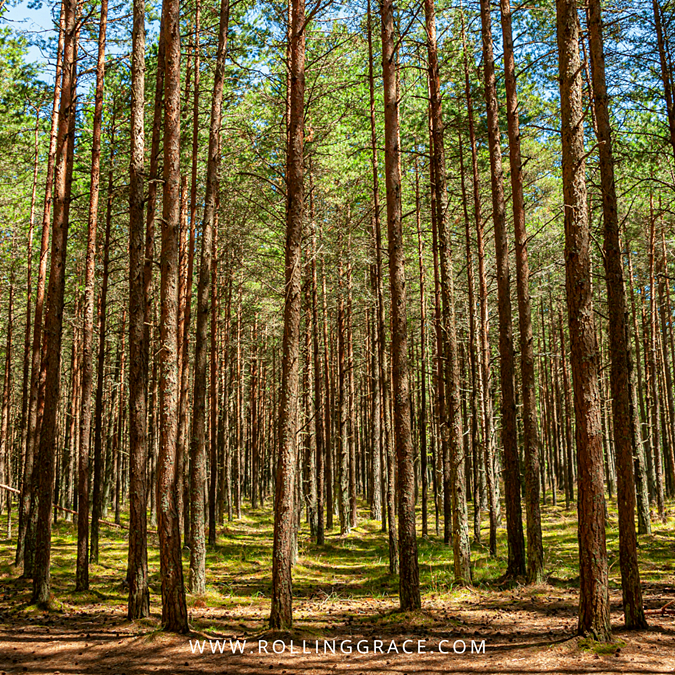
The entire western edge of the Curonian Spit is one continuous stretch of white sand beach facing the open Baltic Sea. The sand is fine and pale, the water is cold even in summer (typically 17-20°C in July and August), and the beaches are never crowded outside of peak Lithuanian holiday weekends.
Nida’s main Baltic beach is a 15 to 20-minute walk through the pine forest from the village centre. There are no facilities on most stretches, which is part of the appeal.
Book Curonian Spit One-day Heritage & Sand Dune Tour

Watch the Sunset from the Curonian Lagoon
The Curonian Lagoon side of the spit faces west, which means the sunsets are directly over the water. Nida’s harbour promenade is the most popular spot, but the stretch of lagoon shoreline south of the village, near the foot of Parnidis Dune, is less crowded and has a cleaner sightline.
The lagoon is shallow, warm, and sheltered from wind, making it a better swimming option than the Baltic for families with young children.
Walk the Hill of Witches in Juodkrantė
A sculpture trail carved from oak and pine by Lithuanian folk artists in 1979 and 1980. Over 80 wooden carvings of witches, devils, dragons, and characters from Lithuanian mythology line a forested hillside path near Juodkrantė, roughly 22 kilometres north of Nida. The trail takes about an hour to walk and is popular with families.
Juodkrantė is also home to a large grey heron and great cormorant nesting colony visible from the road on the edge of town, one of the largest breeding colonies in Lithuania.
Visit the Lithuanian Sea Museum in Smiltynė
Located at the northernmost tip of the Curonian Spit, inside the ruins of a 19th-century Nerija fortress, the Lithuanian Sea Museum houses aquariums, maritime exhibits, and a dolphinarium with regular shows featuring Black Sea bottlenose dolphins and California sea lions. It is the most visited attraction on the entire Curonian Spit.
The museum is in Smiltynė, accessed via the ferry from Klaipėda, not from Nida. If you are staying in Nida, it is a 50-kilometre drive or cycle north. Plan a half-day minimum. The museum is open Tuesday to Sunday from June to August, with reduced hours the rest of the year.

How to Get to the Curonian Spit
Address: L. Rėzos st. 8, Juodkrantė, Neringa
The Curonian Spit is accessed by ferry from Klaipėda, Lithuania’s main port city on the Baltic coast. There are two terminals.
Old Ferry Terminal
Located in Klaipėda’s Old Town. Passenger-only ferries cross to Smiltynė (the northern tip of the spit). The crossing takes about 10 minutes. Foot passengers ride free. Departures run frequently throughout the day.
New Ferry Terminal
Located several kilometres south of the Old Town. This terminal takes both cars and passengers. The car ferry costs approximately €23 per vehicle. From Smiltynė, it is a 50-kilometre drive south along the spit to Nida. The road is a single two-lane highway that runs the full length of the Lithuanian section.
Buses also run between Klaipėda and Nida via the ferry, with several departures daily in summer and reduced service in winter.
From Vilnius
Klaipėda is approximately 310 kilometres west of Vilnius. Direct buses take around four hours. Trains also run between the two cities.
Best Time to Visit the Curonian Spit
The best time to visit is between mid-May and mid-September. July and August are peak season: the weather is warmest, the Baltic is swimmable, and all guesthouses, restaurants, and museums are open. Book accommodation weeks or months ahead for peak summer.
Book Curonian Spit One-day Heritage & Sand Dune Tour
May, June, and September are ideal for fewer crowds with pleasant temperatures. The spit is at its most atmospheric in the shoulder months, when the pine forests and dunes are empty and the light is softer.
Winter visits (December to February) are stark and beautiful but most guesthouses in Nida close for the season. Only a handful of accommodation options remain open year-round.

Where to Stay on the Curonian Spit, Lithuania
Nida is the strongest base. It has the widest selection of guesthouses, hotels, and restaurants, and is walking distance from the Parnidis Dune, the lagoon harbour, and the Baltic beach.
Juodkrantė is smaller and closer to the ferry terminal, making it a better option for day-trippers or those who want proximity to the Hill of Witches and the cormorant colony.
Smiltynė is where the ferry arrives but has limited accommodation. Most visitors pass through on the way south.
Preila and Pervalka are the two smallest settlements, with only a handful of private rentals. They suit travellers who want near-total solitude.
Important: The Russia-Lithuania Border Crossing Is Closed
The original Curonian Spit historically extended into Russia’s Kaliningrad Oblast, with a land border crossing roughly three kilometres south of Nida.
As of 2026, this crossing is closed to tourist transit. There is no public access between the Lithuanian and Russian sections of the spit. Travellers cannot cross into Kaliningrad from the Curonian Spit.
Frequently Asked Questions About the Curonian Spit, Lithuania
Is There an Entry Fee for the Curonian Spit?
Walking, cycling, and arriving by public bus is free. If you are entering by car, you pay the ferry crossing from Klaipėda (approximately €23 return per vehicle) plus a separate local ecological toll collected at the Alksnynė checkpoint once you are on the spit.
The toll varies by season and rises sharply in summer. Individual attractions such as the Thomas Mann House (around €4) and the Lithuanian Sea Museum have their own admission charges. Check visitneringa.com for current toll rates before you travel.
Is the Curonian Spit Worth Visiting?
Yes. It is one of the most unusual landscapes in Europe: a 98-kilometre sand dune peninsula between the Baltic Sea and a freshwater lagoon, covered in pine forest, with four small villages and almost no commercial development. UNESCO listed it in 2000. If you are anywhere in the Baltics, it is worth the detour.
How Many Days Do You Need at the Curonian Spit?
Two to three nights in Nida is ideal. One night is enough to see the Parnidis Dune and walk through the village. Two nights lets you cycle to Juodkrantė and back. Three nights gives you time to visit the Lithuanian Sea Museum in Smiltynė and spend a full day on the Baltic beaches.
Can You Drive on the Curonian Spit?
Yes. A single two-lane road runs the full length of the Lithuanian section, from Smiltynė to Nida. Cars cross to the spit via the New Ferry Terminal in Klaipėda (approximately €23 per vehicle). Parking is available in all four settlements.
Is the Curonian Spit Good for Families?
Yes. The Baltic beaches are clean and shallow near the shore. The Hill of Witches sculpture trail in Juodkrantė is a hit with children. The Lithuanian Sea Museum has dolphin and sea lion shows. Cycling the spit path is flat and manageable for older children. Nida has playgrounds and mini golf.
How Was the Curonian Spit Formed?
UNESCO states the Curonian Spit was formed approximately 5,000 years ago from sand deposited on moraine islands by Baltic Sea currents.
Forest originally covered the dunes, but intensive logging in the 17th and 18th centuries stripped the vegetation and the dunes began moving inland, burying entire villages. Reforestation and dune stabilisation projects that began in the 19th century saved the spit from disappearing.
Can You Cross into Russia from the Curonian Spit?
No. The Lithuania-Russia (Kaliningrad) border crossing on the Curonian Spit is closed to tourist transit as of 2026.
Get the good stuff first. Join Rolling Grace for the restaurants worth crossing a city for, the stays worth the upgrade, and the places to go before everyone else. Free, straight to your inbox.
Leave a Reply