Things to do at Tanah Lot Bali centre on the sea temple, which can be reached on foot at low tide and is cut off by water when the tide comes in.
A temple on a rock in the sea. That is the simplest way to describe Pura Tanah Lot, and it is also why roughly three million people visit it every year.
In Balinese, Tanah Lot translates to “Land in the Sea,” and the name is precise: at high tide, the ocean encircles the rock completely, cutting the temple off from the mainland. At low tide, a narrow stone pathway emerges, and for a few hours each day, you can walk across to the base of a shrine that has stood here since the 16th century.
Read also: 10 Must Try Dishes in Bali Indonesia You Should Actually Eat

History of Tanah Lot Temple in Bali
Tanah Lot is located in Beraban village, Tabanan Regency, on the southwestern coast of Bali. It is one of seven sea temples that form a chain along the Balinese coastline, each built within sight of the next.
The temple was founded by the Hindu priest Dang Hyang Nirartha, who arrived in Bali from Java on a mission to spread Hinduism across the island. According to local tradition, Nirartha was drawn to the rock by a divine light and, after meditating there, instructed the local fishermen to build a temple on the site to honour Dewa Baruna, the Balinese god of the sea.
Over the centuries, erosion has taken its toll on the rock face, and sections have been reconstructed to preserve the formation.
For the full picture on planning your trip, see our Indonesia Travel Guide.

Explore the Temple Grounds
The Tanah Lot complex is made up of three temples, and the surrounding grounds are larger than most visitors expect.
From the entrance, a 10 to 15 minute walk through the Pasar Seni (art market) leads you to the coastal viewing areas and the temple itself. During low tide, a natural stone path allows you to walk down to the base of the main temple rock. This is the closest non-Hindus can get. Entry into the temple itself is reserved for Balinese worshippers only.
From the base, you can visit the freshwater spring beneath the rock, where priests offer a traditional blessing with holy water.
The upper walkways and clifftop paths offer views of the surrounding coastline and the neighbouring Batu Bolong Temple perched on a separate rock formation nearby. Budget 1.5 to 2 hours for a full visit.
Observe the Piodalan Ceremony
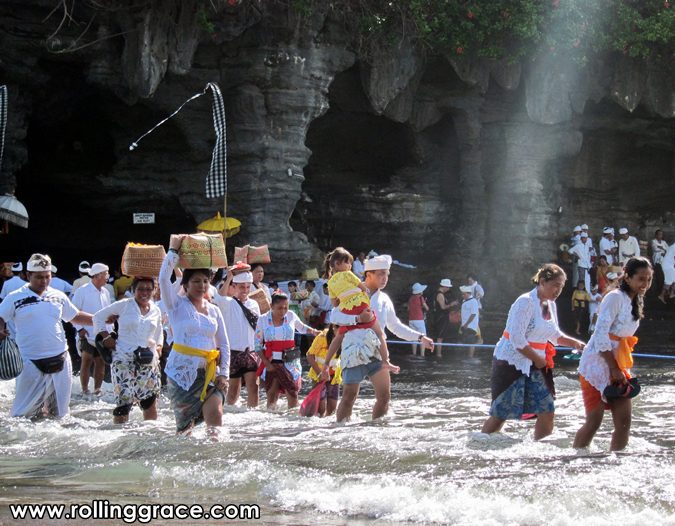
The Piodalan ceremony at Tanah Lot is one of the most significant religious events on the Balinese calendar. It takes place every 210 days (following the Balinese Pawukon calendar cycle) and draws thousands of Hindu worshippers from across the island.
Read also: Nyepi Day in Bali: 9 Reasons to Experience the Day of Silence
During the ceremony, rows of Balinese women carry towers of offerings on their heads in procession towards the temple. Sacred objects are purified with holy water drawn from the spring beneath the rock, followed by prayers, offerings, and ritual performances.
Visitors are welcome to observe from the public areas, though the inner ceremonies are for worshippers only. If you happen to visit during Piodalan, expect the temple to be at full capacity. If you prefer a calmer experience, check the Piodalan dates in advance and plan around them.
It is one of the most popular things to do at Tanah Lot Bali, especially during sunset when the tide frames the temple in shifting light.

See the Sacred Sea Snakes
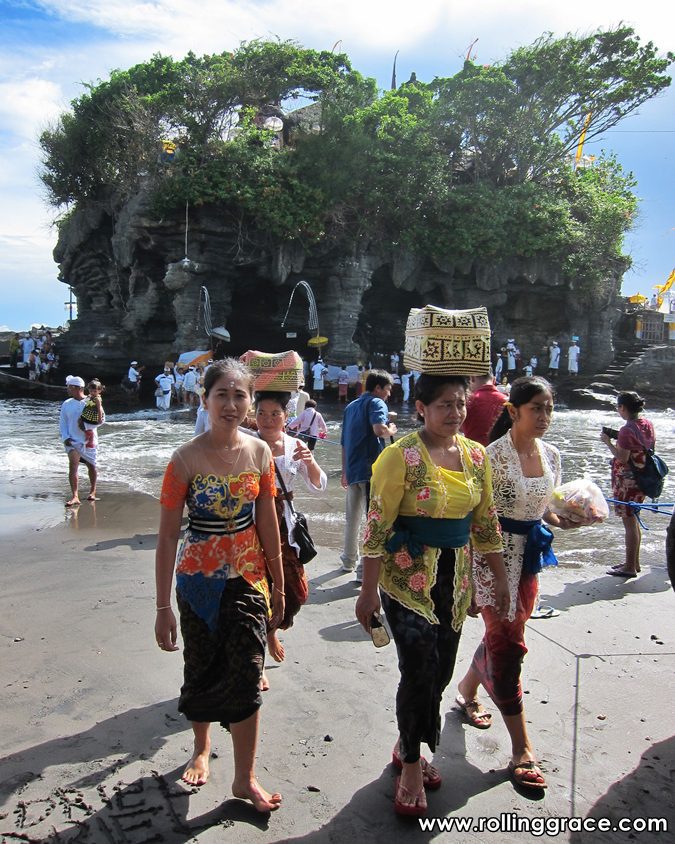
In the rocky crevices around the base of Tanah Lot, black and white striped sea snakes live in the tidal pools.
According to Balinese legend, these snakes were created by Dang Hyang Nirartha to guard the temple from evil spirits. A larger, mythical serpent is said to live within the rock itself. The snakes are real, mildly venomous but not aggressive, and snake handlers at the site offer visitors the chance to see and photograph them up close.
Stay mindful of where you step when walking across the wet rocks at low tide. It stands out among things to do at Tanah Lot Bali as a place for quiet coastal walks and temple views.
Watch the Sunset
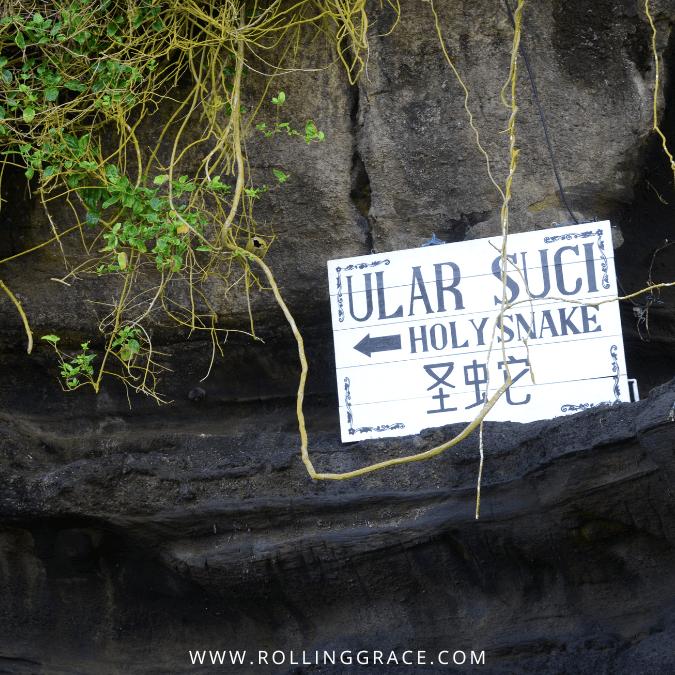
This is the main event for most visitors, and for good reason. Tanah Lot faces west across the Indian Ocean, and as the sun drops, the temple and its rock turn into a dark silhouette against a sky that shifts from gold to copper to deep violet. It is one of the most photographed sunsets in Bali.
The best viewing spots are the clifftop walkways north of the main temple and the elevated terraces near the restaurants and warungs above the beach. Arrive before 5pm to secure a spot, as the area fills up quickly from late afternoon onwards. Weekdays are noticeably less crowded than weekends.
After the sun sets, turn around and look back at the temple from the path as you leave. The silhouette against the last light is often more striking than the sunset itself. It is a well-loved experience within things to do at Tanah Lot Bali, drawing steady crowds throughout the day.

Watch the Kecak Dance Performance
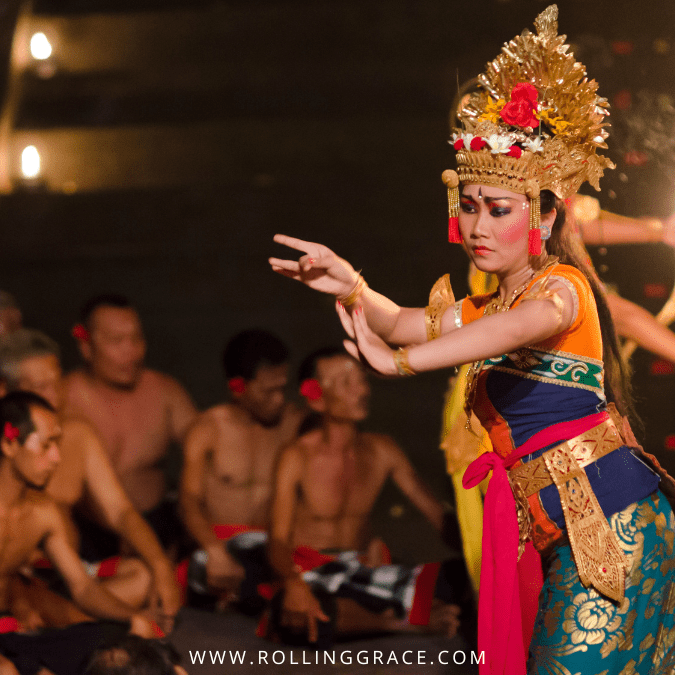
After sunset, a Kecak Dance performance runs most evenings at around 6.30pm within the temple grounds. The performance tells the story of the Ramayana through chanting, fire, and choreographed movement, with one of the characters, Hanuman, providing moments of physical comedy and audience interaction.
Tickets for the Kecak Dance are sold separately at the temple ticket booth and are not included in the general entrance fee. It remains a favourite among things to do at Tanah Lot Bali, particularly for first-time visitors to the island.
Read also: History of Puputan War in Bali: 5 Important Things to Know
Important Information for Visitors
Entrance Fee
IDR 75,000 for foreign adults. IDR 40,000 for foreign children (ages 5 to 10). Children under 5 enter free. Tickets are cash only, purchased at the booth near the main entrance.
Parking is charged separately: IDR 5,000 for cars, IDR 3,000 for scooters. Same-day re-entry is usually permitted, but confirm at the gate on arrival.
Opening Hours
7am to 7pm daily. The temple grounds are accessible throughout operating hours, but the path to the base of the temple rock is only passable during low tide. Check tide charts before your visit to time your arrival.
What to Wear
Unlike many Balinese temples, Tanah Lot does not strictly require a sarong for general visitors exploring the outer grounds and viewing areas.
Modest clothing (shoulders and knees covered) is respectful and recommended. Comfortable, closed-toe shoes are a good idea for the rocky paths near the shoreline, which can be slippery when wet. Sarongs are available to rent at the entrance if needed.
How to Get to Tanah Lot
Tanah Lot is roughly 30 minutes from Canggu, 45 minutes to 1 hour from Seminyak and Kuta, and 1 to 1.5 hours from Ubud, depending on traffic. There is no direct public transport.
Most visitors arrive by private driver (the most popular option), taxi, or rented scooter. Many guided island tours include Tanah Lot as a stop, typically timed for sunset. If driving yourself, aim to arrive no later than 4.30pm on busy days to secure parking.
Frequently Asked Questions
Can non-Hindus enter the temple?
No. The inner temple is reserved for Balinese Hindu worshippers. Visitors can explore the surrounding grounds, walk to the base of the rock during low tide, visit the freshwater spring for a blessing, and view the temple from the clifftop paths and viewing areas.
When is the best time to visit Tanah Lot?
Late afternoon, between 4pm and 6pm, for the sunset. If you want to avoid crowds, visit on a weekday morning between 8am and 10am, when the light is softer and the grounds are calmer. Low tide in the morning also gives you the best access to the base of the rock.
Is Tanah Lot worth visiting?
Yes. Even with the crowds, the setting is striking. The combination of the offshore rock, the temple silhouette, the crashing waves, and the sunset is difficult to replicate anywhere else in Bali. Arrive early, time the tides, and stay past sunset for the best experience.
How long should I spend at Tanah Lot?
1.5 to 2 hours is enough to walk the grounds, visit the base at low tide, explore the art market, and watch the sunset. Add another 30 to 45 minutes if you plan to stay for the Kecak Dance.
Is there a curse at Tanah Lot?
Local legend says that unmarried couples who visit Tanah Lot will not stay together. The story is widely known among travellers to Bali and is treated with varying degrees of seriousness. Most visitors, couples included, are not deterred.
This guide is based on a personal visit to Tanah Lot, with all details verified at the time of writing.
Get the good stuff first. Join Rolling Grace for the restaurants worth crossing a city for, the stays worth the upgrade, and the places to go before everyone else. Free, straight to your inbox.
Leave a Reply