The Rolling Grace Indonesia Travel Guide covers everything you need to plan an informed trip, from Jakarta’s urban sprawl to the temples of Java and the beaches of Bali.
Indonesia spans more than 17,000 islands across the equator, shaped by volcanic ridgelines, dense rainforest and seas linking the Indian and Pacific Oceans. The country shifts dramatically from one region to the next. High-rise districts in Jakarta give way to temple complexes in Central Java, while fishing villages and coral reefs define large parts of the eastern provinces. A single journey can move from traffic-heavy urban centres to sparsely populated islands within days.
Its character emerges in everyday experience. Smoke from roadside warungs gathers at dusk, sambal builds heat beside grilled fish, and multilane highways narrow into village roads bordered by rice paddies and coconut trees. This Indonesia travel guide brings together where to go, what to eat, when to visit and how to plan your route across a nation defined by distance, geography and cultural diversity.
Where to Go in Indonesia
Indonesia’s leading destinations reflect the country’s vast archipelago and regional diversity. Bali remains a primary entry point, combining temple complexes, surf beaches and inland rice terraces. Yogyakarta draws visitors to Borobudur and Prambanan, two of Southeast Asia’s most significant temple sites, while Jakarta functions as the country’s political and financial centre.
Komodo National Park in East Nusa Tenggara offers access to protected marine ecosystems and the Komodo dragon habitat, and Raja Ampat in West Papua is internationally recognised for coral reef biodiversity. Each destination is geographically distinct, requiring deliberate planning due to distance between islands.

Indonesia Travel Guide: Top Destinations
Indonesia’s leading destinations reflect the country’s vast archipelago and regional diversity. Bali remains a primary entry point, combining temple complexes, surf beaches and inland rice terraces. Yogyakarta draws visitors to Borobudur and Prambanan, two of Southeast Asia’s most significant temple sites, while Jakarta functions as the country’s political and financial centre.
Komodo National Park in East Nusa Tenggara offers access to protected marine ecosystems and the Komodo dragon habitat, and Raja Ampat in West Papua is internationally recognised for coral reef biodiversity. Each destination is geographically distinct, requiring deliberate planning due to distance between islands.
Best places to visit in Indonesia

5 Breathtaking Things to Do at Tanah Lot Bali, Indonesia
Things to do at Tanah Lot Bali centre on the sea temple, which can be reached on foot at low tide and is cut…

Nyepi Day in Bali: 9 Reasons to Experience the Day of Silence
Nyepi Day in Bali marks the Balinese New Year according to the Saka calendar. For 24 hours, the entire island embraces silence. No flights.…
Where to Eat in Indonesia
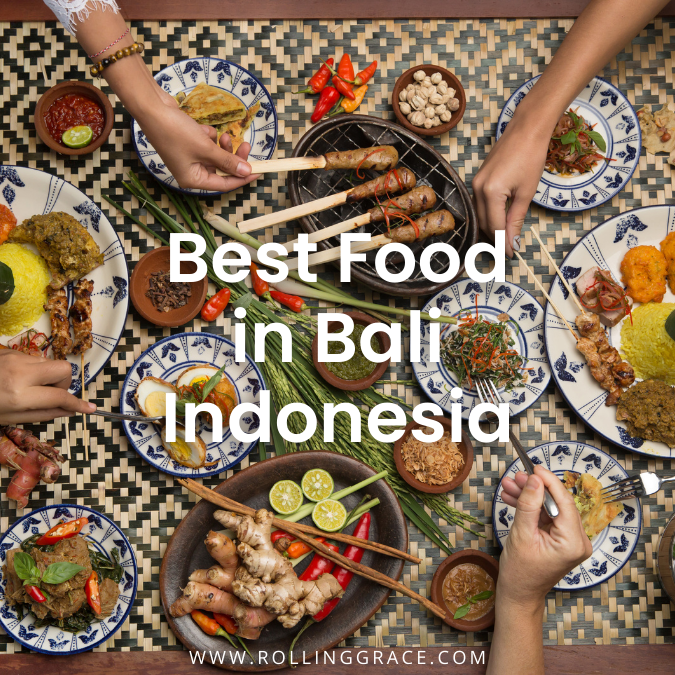
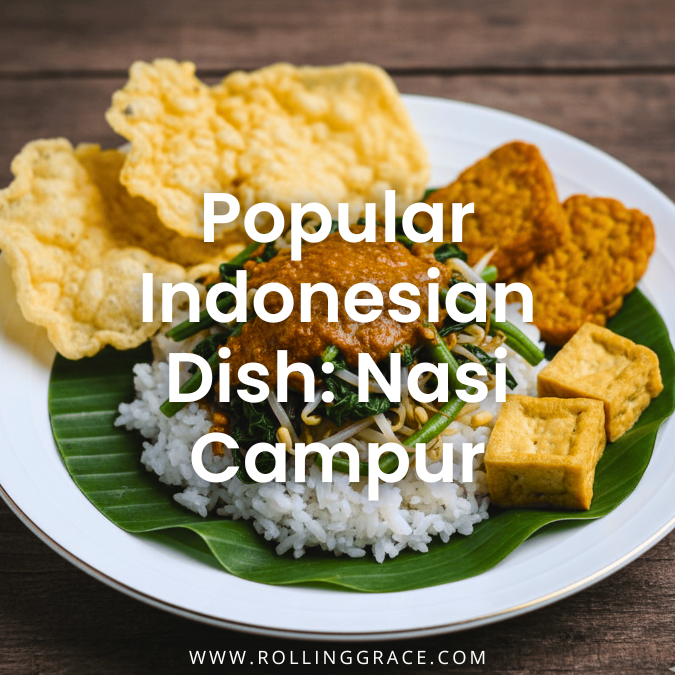
Indonesia’s food culture is shaped by geography, trade and regional autonomy. With more than 17,000 islands, ingredients and techniques shift dramatically from one province to the next. West Sumatra builds intensity through slow-cooked rendang and coconut-based curries, Java balances sweetness and spice in everyday rice dishes, while eastern Indonesia leans into seafood, sago and forest produce. Dutch colonial influence remains visible in certain baked goods and stews, yet most daily meals are anchored in local markets, family kitchens and regional agriculture. There is no singular Indonesian cuisine, only a network of distinct culinary identities.
At Rolling Grace, our Indonesia food guides focus on kitchens that represent their regions with integrity. We pay attention to warungs that specialise in one dish perfected over years, morning markets where ingredients still arrive directly from small producers, and neighbourhood eateries that stay busy beyond tourist seasons. We look at sourcing, technique and consistency, distinguishing between places built for convenience and those that justify planning your route around a single meal.
Best Time to Visit Indonesia
Indonesia sits on the equator and receives rain throughout the year, but timing shapes what is accessible and when. The country spans over 17,000 islands across three time zones, and weather patterns vary significantly by region.
Bali and Lombok follow a clear seasonal pattern. The dry season runs from April to October, with July and August marking the peak of both good weather and visitor numbers. The wet season runs from November to March, bringing daily rainfall, though mornings are often clear and travel remains practical.
Java follows a similar pattern. The dry season between May and September is the most reliable window for visiting Yogyakarta, the Bromo-Tengger-Semeru complex, and the temples of Borobudur and Prambanan. Rain during the wet season can affect highland trails and visibility at crater sites.
Komodo and Flores are most reliably visited between April and August. Sea conditions in the Komodo National Park can be rough between December and February, and some dive operators limit access during this period.
Sulawesi and Maluku receive rain in patterns less tied to a single monsoon cycle. The Togean Islands and the Banda Sea are best approached between October and April, when the eastern monsoon keeps conditions stable.
Indonesian public holidays and school breaks drive domestic travel surges. Lebaran, the period around Eid al-Fitr, sees mass movement across the archipelago and significantly affects transport and accommodation availability. Booking well ahead is necessary during this window.

Indonesia Travel Guide & Tips
- Currency: Indonesian Rupiah (IDR). Cards are accepted at hotels, malls, and larger restaurants. Cash is necessary at local warungs, markets, street food stalls, and smaller islands where card machines are rarely available.
- Language: Bahasa Indonesia is the national language. English is spoken in tourist centres such as Bali, Yogyakarta, and parts of Jakarta. Outside these areas, communication requires patience and slower speech.
- Religion: Islam is the official religion and practised by the majority of the population. Bali is predominantly Hindu, with a distinct calendar of ceremonies that affects daily rhythms and road access. During Ramadan, eating in public during fasting hours requires awareness of location and context.
- Electricity: 230V, 50Hz, with Type C and Type F round two-pin plugs. UK and Australian plugs require an adaptor.
- Mobile and connectivity: SIM cards from Telkomsel, XL Axiata, and Indosat Ooredoo are available at airports and convenience stores including Indomaret and Alfamart. Telkomsel has the widest coverage and is the recommended choice for travel beyond the main islands. Signal drops off significantly in remote areas, smaller islands, and parts of Papua.
- Tipping: Not formally expected but common in tourist areas. Rounding up or leaving small change is standard. Some restaurants in Bali and Jakarta include a service charge.
Travelling Responsibly in Indonesia
Indonesia contains some of the most biodiverse marine and terrestrial ecosystems on the planet, many of which are under sustained pressure from tourism, fishing, and land conversion. In protected areas including Komodo National Park, Raja Ampat, and Gunung Leuser, follow ranger instructions and access restrictions without exception.
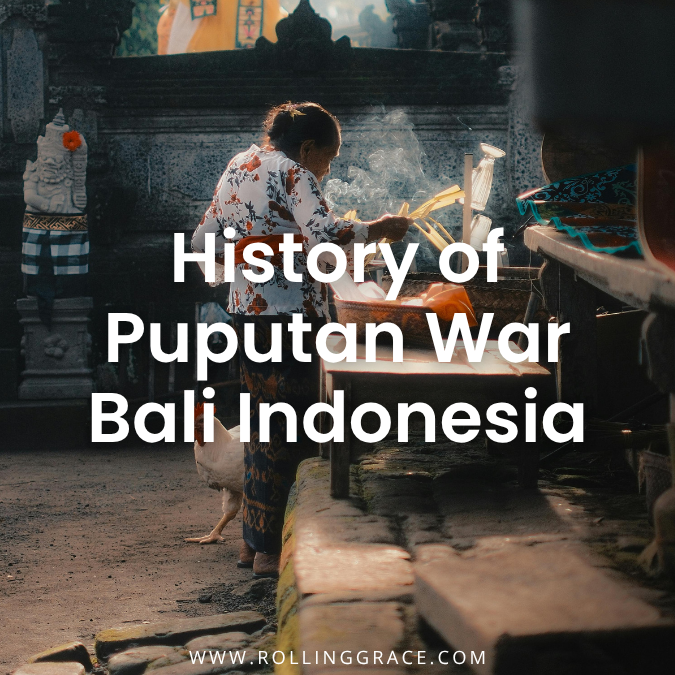
Bali’s Hindu ceremonies are embedded in the everyday life of the island and are not arranged for visitors. If you encounter a procession or temple ritual, observe quietly, dress appropriately, and move aside. Entering a temple requires a sarong, which is available at the entrance of most sites.
Wildlife tourism in Indonesia requires the same caution as elsewhere in the region. Programmes offering direct contact with orangutans, elephants, or marine animals rarely operate in ways that serve the animal. Responsible encounters involve distance, certified guides, and no guarantees of sighting.