Here are the dishes to try in Myanmar that tell you the most about how the country actually eats, from dawn mohinga stalls in Yangon to Shan noodle shops that open before the rest of the street is awake.
Myanmar traditional food is built around rice, fermented ingredients, and layered flavour profiles that shift noticeably from one ethnic group to the next. The eight dishes below represent the most widely eaten and most regionally significant Burmese food you will encounter across the country.
Read also: 6 Best Vegetarian Thai Dishes You Must Try
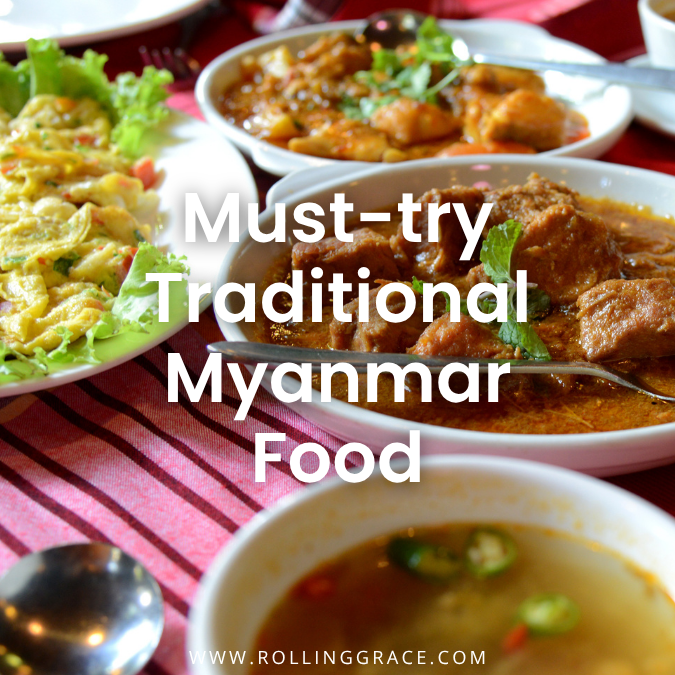
Mohinga
Mohinga is the dish most closely associated with everyday life in Myanmar. Round rice noodles arrive in a fish-based broth cooked with lemongrass, ginger, and banana stem. Toppings vary by vendor but typically include fried bean fritters, boiled egg, and sliced onion. Fish sauce, dried chilli, and lime sit on the side for adjustment.
It is sold almost universally at breakfast, though vendors in busier cities keep it going through the afternoon. In Yangon, mohinga stalls set up before dawn and sell out by mid-morning. The broth is herbal rather than rich, which makes it more approachable than it might appear on first encounter. It is one of the dishes to try in Myanmar for visitors exploring local cuisine.

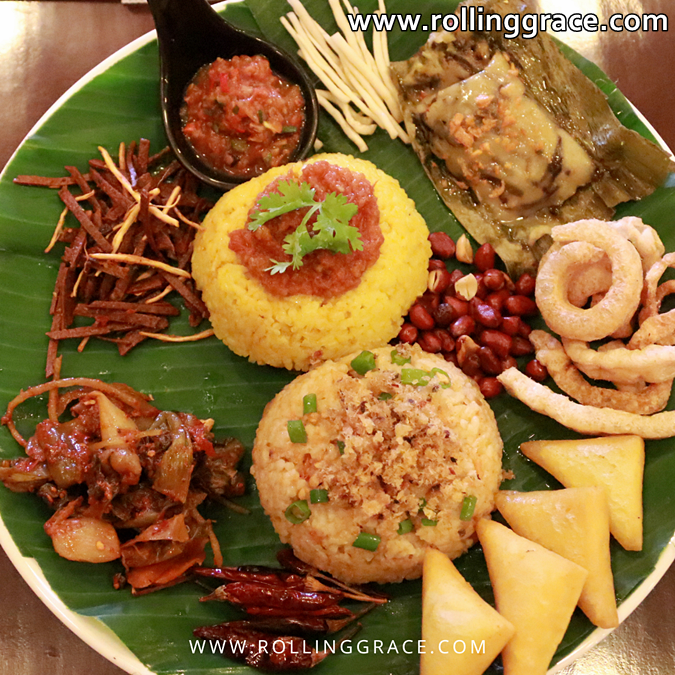
Nga Htamin Chin (Shan-Style Rice)
Nga Htamin Chin comes from the Shan ethnic group and reflects the distinct culinary tradition of the highland states. Cooked rice is fermented briefly, then kneaded together with tomato, potato, and fish into dense round balls. The texture is firm and slightly sour. Fried onion, garlic, and tamarind sauce are the standard accompaniments.
This dish does not travel widely outside the Shan region, which makes it one of the more specific finds on this list. If you are travelling through Inle Lake or Taunggyi, it is worth seeking out from a local market rather than a tourist-facing restaurant. It remains one of the dishes to try in Myanmar for those visiting the country.
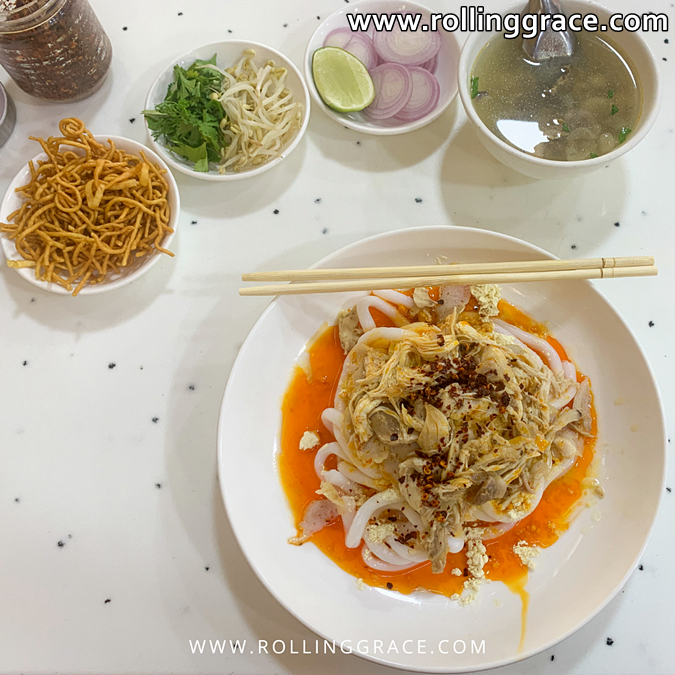
Nan Gyi Thote (Thick Rice Noodle Salad)
Nan Gyi Thote is a noodle salad built around thick, round rice noodles tossed with chicken curry, boiled egg, lime, crispy fritters, onion, and coriander. The curry coating on the noodles keeps the dish from being a straightforward salad; it is closer to a dressed noodle bowl with dry and wet elements combined.
Like mohinga, it appears most often at breakfast, though it works equally well as a lunch dish. The balance of sour lime against the curry and the crunch of the fritters gives it more textural range than a bowl of plain noodle soup. It is one of the more filling options you will find at a Burmese morning market.
Lahpet Thoke (Tea Leaf Salad)
Tea leaf salad is one of the most distinctive dishes in Burmese cuisine because the core ingredient, fermented tea leaves, is not used as food anywhere else in the region with the same regularity. The leaves are slightly bitter and soft. They are mixed with shredded cabbage, tomato, fried garlic, dried shrimp, peanuts, sesame seeds, and chilli.
The combination of textures is what makes it worth trying: soft fermented leaf, crunchy nuts, crisp cabbage, and yielding tomato all in one forkful. It functions as a snack, a side dish, or a light meal over rice. Lahpet thoke is sold in tea shops, at market stalls, and in most Burmese restaurants as a standard menu item. It stands among the dishes to try in Myanmar for travellers.

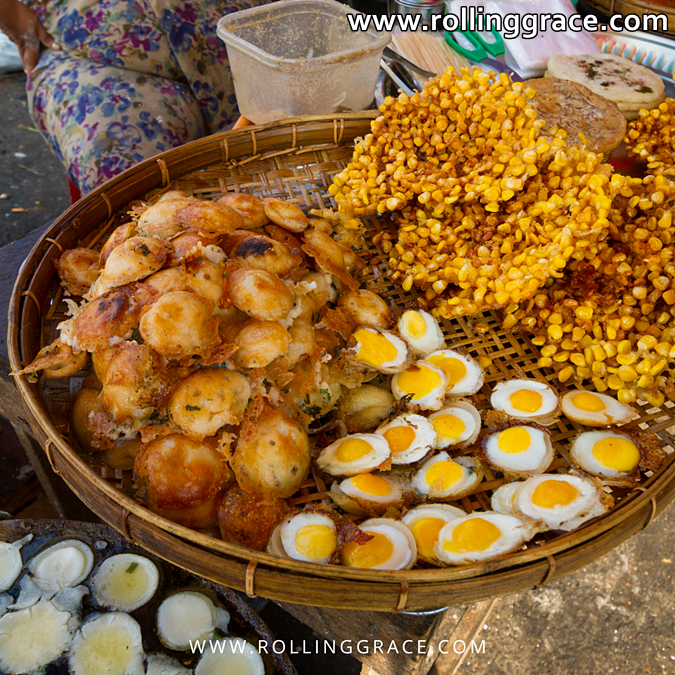
A Kyaw Sone (Assorted Fritters)
A Kyaw Sone refers to the range of deep-fried snacks sold from street stalls throughout Myanmar. The selection changes by vendor but commonly includes potato, tofu, onion, shrimp, and split pea fritters. Banana fritters appear at sweeter stalls. Everything is fried to order and served with chilli sauce.
Street stalls selling A Kyaw Sone tend to cluster near markets, bus stations, and school exits in the afternoon. They are cheap, fast, and consistent across most of the country. The pea fritters, in particular, are worth trying if they are available; they have a denser texture than the others and hold the dipping sauce well. It is one of the dishes to try in Myanmar worth trying during a visit.
Burmese Curry
Burmese curry covers a broad category of dishes in which protein or vegetables are cooked in a base of oil, onion, garlic, ginger, and turmeric. The result is oilier and less spiced than Indian curry and uses fewer aromatics than Thai curry. Pork, chicken, fish, and mutton are the most common proteins. Tofu and vegetable versions are available at most restaurants.
A standard Burmese meal in a local restaurant involves rice, a curry, and several smaller side dishes served simultaneously. The oil that rises to the surface of a well-made Burmese curry is intentional and considered a mark of correct preparation, not excess. Ordering in a local tea shop will usually get you a small bowl of curry alongside rice for a fixed low price. It continues to be one of the dishes to try in Myanmar for first time visitors.

Shan Khao Swe (Shan-Style Noodles)
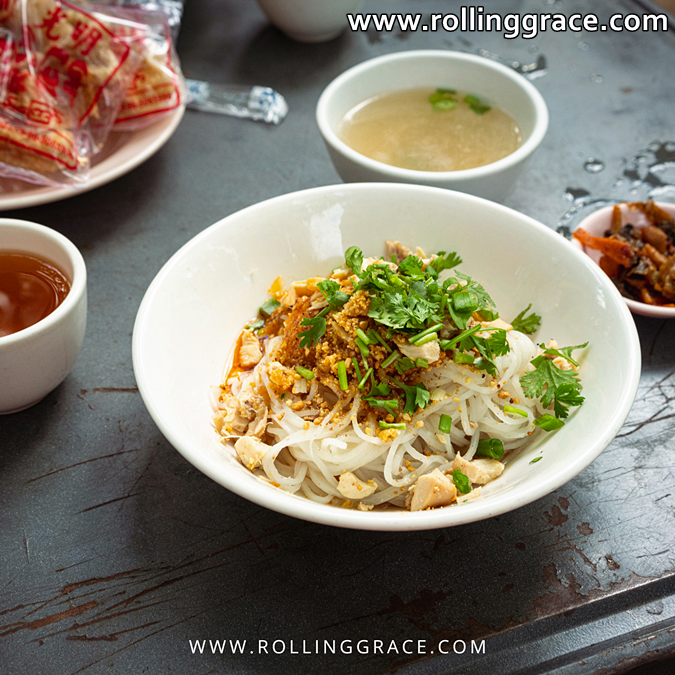
Shan Khao Swe uses thin, flat rice noodles served in a clear, lightly spiced broth with chicken or pork cooked in tomato. The dish originates from Shan State, which shares borders with China, Thailand, and Laos, and the flavour profile sits between the noodle traditions of all three. It is lighter than most Burmese food and relies on pickled mustard greens and fresh coriander for its secondary flavour.
It is widely available across Myanmar, not only in the Shan region. In Mandalay and Yangon, Shan noodle shops tend to open early and attract a regular local crowd. The broth is clear enough to drink independently, and most people do. It is one of the dishes to try in Myanmar that reflects local cooking traditions.
Bein Mont (Burmese Pancakes)
Bein Mont are thick, round pancakes made from rice flour, palm sugar, grated coconut, and peanuts. They are cooked on a flat griddle and sold hot from street carts. Poppy seeds appear on some versions. The outside crisps slightly during cooking while the inside stays dense and chewy.
They are sweet rather than savoury and function as a snack or a light breakfast. Vendors are most common in the morning at outdoor markets. The combination of palm sugar and coconut gives them a flavour closer to Southeast Asian kue than to Western-style pancakes. They are filling enough that one or two is usually sufficient.

What Is Burmese Food Similar To?
People who are familiar with Thai or Indian food often ask what Burmese food is similar to, given Myanmar’s position between the two culinary traditions. The honest answer is that it sits alongside both without fully resembling either. Burmese food shares some aromatics with Thai cuisine, particularly lemongrass, coriander, and fish sauce, but uses considerably less coconut milk and far more oil. Compared to Indian food, Burmese curries are milder, less complex in their spicing, and built on a simpler base.
The strongest parallel is perhaps with the food of Bangladesh and eastern India, where mustard oil cooking, fermented ingredients, and fish-forward dishes create a similar register. Shan food, specifically, has clear overlaps with Yunnan cuisine from southern China, particularly in its use of rice noodles and clear broths. If you have eaten across Southeast Asia and South Asia, Myanmar traditional food will feel familiar in parts and entirely its own in others.
Is Burmese Food Spicy?
Is Burmese food spicy? Moderately, and variably. Chilli appears in most dishes, either dried, fresh, or as a condiment on the side, but the base heat level across Myanmar traditional food is lower than in Thai or Sichuan cooking. The spiciest dishes tend to come from the Shan and Chin regions, where chilli is used more aggressively than in central Burmese cooking.
Most restaurants and street vendors calibrate heat for local tastes, which means the food can be considerably spicier than what tourists are used to. Asking for less chilli is straightforward and well understood at most stalls. Condiments are almost always served separately, which gives you control over the final heat level of any dish.
Frequently Asked Questions on Dishes to Try in Myanmar
- What is the most popular food in Myanmar? Mohinga is widely considered the national dish. It is eaten at breakfast by people across all income levels and is available in cities, towns, and villages throughout the country.
- What is Myanmar traditional food known for? Myanmar traditional food is known for its use of fermented ingredients, fish-based broths, and dishes that vary significantly between ethnic groups. The Shan, Bamar, Karen, and Chin culinary traditions each produce distinct flavour profiles within the broader category of Burmese food.
- Can vegetarians eat in Myanmar? Yes, with some planning. Vegetable curries, tofu dishes, and rice-based dishes are available. Informing the vendor or restaurant in advance is advisable, as fish sauce and shrimp paste appear in many dishes without being listed explicitly.
- What do people eat for breakfast in Myanmar? Mohinga and Nan Gyi Thote are the two most common breakfast dishes. Tea shops across the country also serve roti with curry dipping sauce, a reflection of the Indian community’s long presence in major Burmese cities.
For more food and travel content across Asia, visit our Malaysia Travel Guide or explore the Rolling Grace food archive.
Get the good stuff first. Join Rolling Grace for the restaurants worth crossing a city for, the stays worth the upgrade, and the places to go before everyone else. Free, straight to your inbox.
Leave a Reply