The first bowl of Dan Dan Mian you order in Chengdu will arrive with more chilli oil than you expected, and you will finish every drop.
Chengdu holds a UNESCO Creative City of Gastronomy designation, and that title is earned through daily life. Street stalls, neighbourhood hotpot shops, and hole-in-the-wall noodle counters are where the real eating happens.
The cuisine draws on the mala flavour profile, a combination of chilli heat and the distinctive numbing tingle of Sichuan peppercorn, though not every dish on this list will set your mouth on fire. Some are cold. Some are subtle. All of them are worth ordering.
Read also: Top Attractions and Food in Shangri-La Yunnan, China in 2026
Table of Contents
Discovering What to Eat in Chengdu
Chengdu’s food scene runs on small, independent operations. The best bowls of Dan Dan Mian and the most properly made Mapo Tofu tend to come from family-run shops where the menu is short and the kitchen has been making the same things for decades. Seek those out over the large tourist-facing restaurants clustered around Jinli Street. The food will be cheaper and significantly better.
Many Chengdu restaurants source ingredients locally, and the dried chillies, peppercorns, and fermented pastes that define the cuisine come from within Sichuan province. This is worth knowing when you eat. The flavour of Sichuan peppercorn tastes different when it has not been sitting in a container for six months.

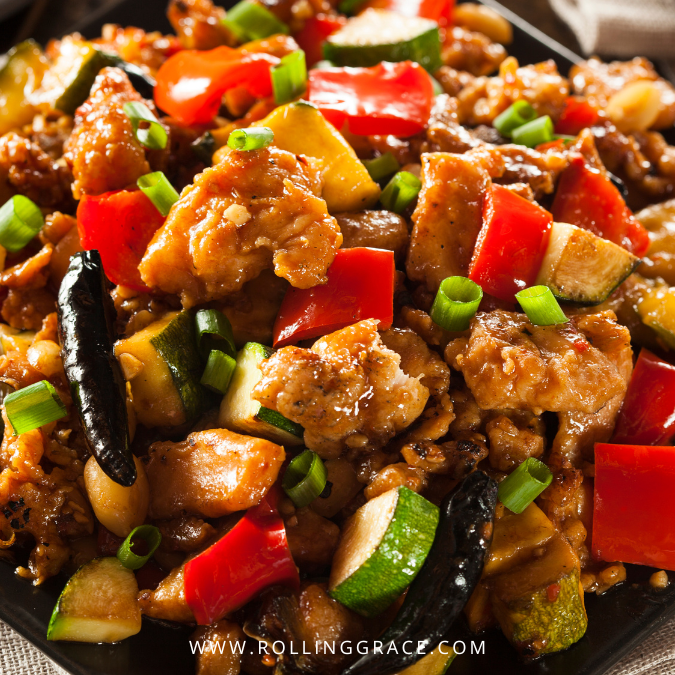
Kung Pao Chicken
The version you have eaten outside China is probably a reasonable approximation, but the original is sharper and more complex. Kung Pao Chicken in Chengdu combines diced chicken that has been flash-fried at high heat with dried chillies, roasted peanuts, and a sauce built from dark vinegar, soy, and sugar. The peanuts carry weight here. They are added late and retain a proper crunch. The balance between sour, sweet, salty, and spicy is precise, not accidental.
Order it in a local restaurant rather than a tourist-facing spot and the sauce will have more vinegar bite than the adapted versions served elsewhere. It is one of the dishes to include when deciding what to eat in Chengdu.

Chengdu Hotpot
Hotpot is technically considered a Chongqing specialty by many locals, but it has been fully absorbed into Chengdu’s food culture and eaten here at every hour of the day. A large pot of spiced oil, loaded with dried chillies, Sichuan peppercorns, and fermented black bean paste, is brought to a boil at the table. Thinly sliced raw ingredients, beef, lamb, lotus root, tofu skin, mushrooms, leafy greens, are cooked directly in the broth.
Most pots arrive divided: one side with the mala base, one side with a milder bone broth. The divided pot is genuinely useful and not a tourist concession. Even seasoned eaters often switch between sides depending on what they are cooking. It remains one of the best options for those exploring what to eat in Chengdu.
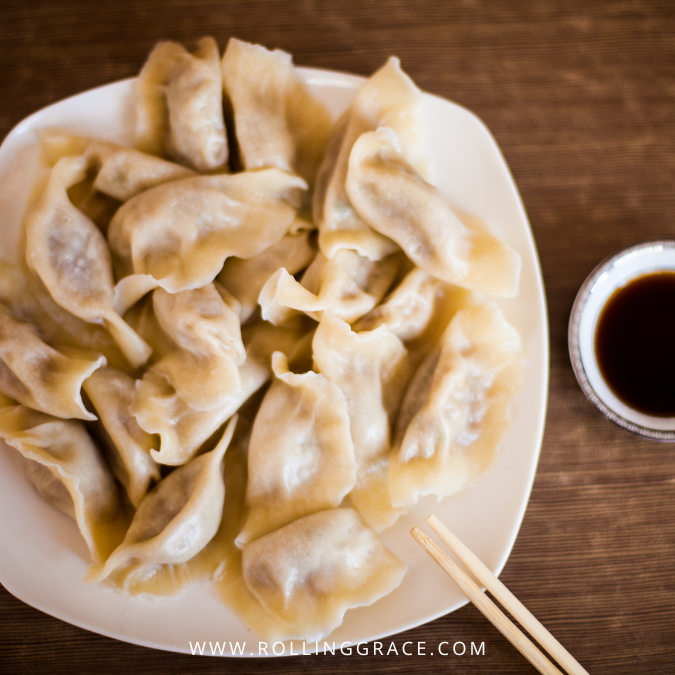
Sichuan Dumplings (Chao Shou)
Chao Shou translates loosely as “folded hands” and refers to the way the wonton wrapper is pinched closed. The dough is thinner than northern Chinese dumpling skins, and the pork-and-vegetable filling is lighter than what you might find in a bowl of Cantonese wonton soup. They are served in broth, either a clean stock or a spiced chilli version, and the wrapper takes on the flavour of whatever surrounds it.
The spicy version, dressed in chilli oil with a splash of black vinegar and topped with minced pork, is the one to order. It bears almost no resemblance to wonton soup as served in most Western Chinese restaurants.
La Zi Ji
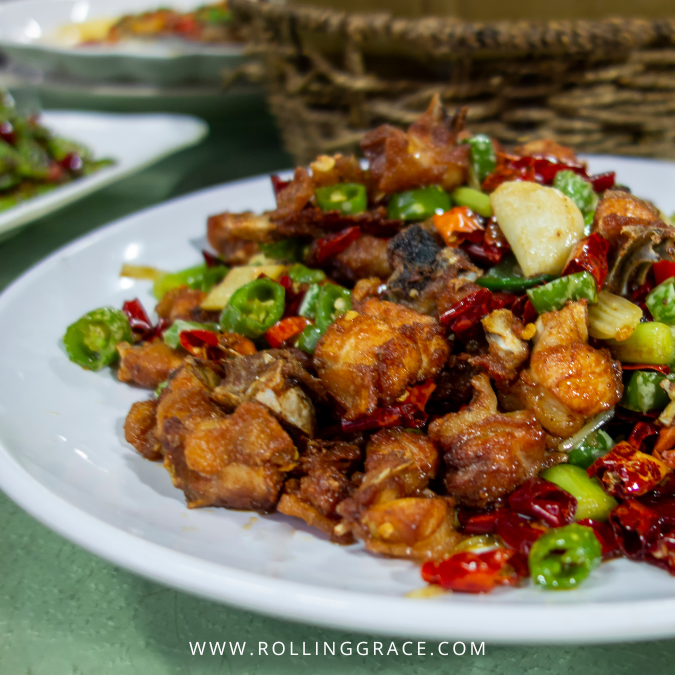
La Zi Ji looks alarming. The dish arrives as a deep bowl filled almost entirely with dried chillies, with pieces of fried chicken buried somewhere beneath them. The chillies are not all meant to be eaten. They exist to perfume the oil and cook the chicken, though the Sichuan peppercorns scattered throughout are worth seeking out for their numbing effect.
The chicken is marinated, coated, and deep-fried before going into the wok with garlic, ginger, spicy bean paste, and the chillies. It is served crisp, fragrant, and considerably less terrifying than it looks. It is often listed when discussing what to eat in Chengdu.
Sichuan Mao Chai
Mao Chai occupies a middle ground between hotpot and a noodle dish. It is a stew of vegetables, meat or seafood, and cold noodles made from sweet potato starch, all cooked in a mala broth and served already prepared rather than cooked at the table. Common additions include beef, lotus root, potato slices, tofu, wood ear mushroom, and bamboo shoots.
It is street food in format: faster and cheaper than sitting down to a full hotpot, and available from small shops and market stalls throughout the city. The broth varies by vendor and tends to be intensely seasoned, so a portion of plain steamed rice on the side is a sound idea.


Mapo Tofu
Mapo Tofu is the dish most likely to convert someone who does not usually eat tofu. Silken tofu is simmered in a sauce built from fermented black beans, ground beef, ginger, garlic, and doubanjiang, a fermented chilli and broad bean paste that forms the backbone of much of Sichuan cooking. The texture of the tofu is smooth against the coarseness of the meat, and the sauce leaves a slow, building numbness on the tongue from the Sichuan peppercorns.
It is served as a main dish or alongside steamed rice. Eaten properly, it should be too hot to rush. It is one of the choices to consider when planning what to eat in Chengdu.
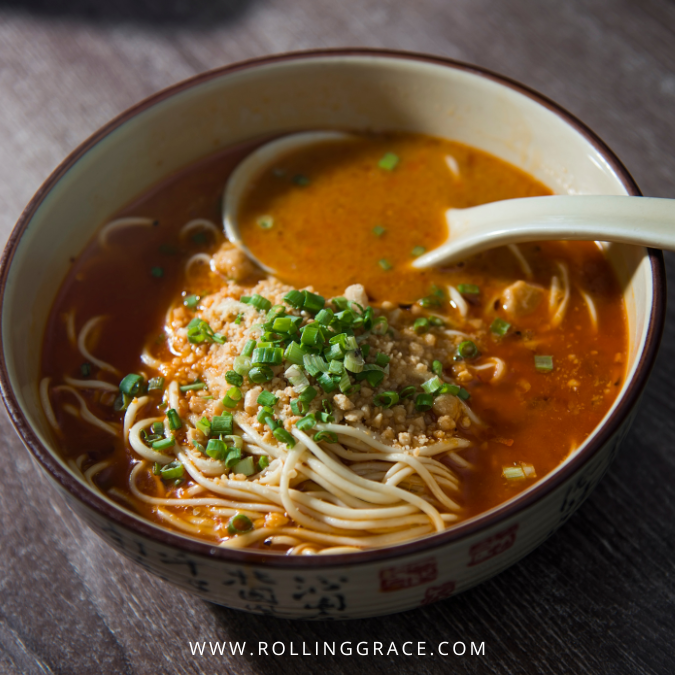
Dan Dan Noodles (Dan Dan Mian)
The name comes from the bamboo shoulder poles that street vendors once used to carry two buckets through Chengdu’s streets, one containing the noodles, one containing the sauce. The dish is served either dry or in a small amount of broth. The sauce combines sesame paste, chilli oil, minced pork, Yibin yacai (preserved vegetables), and Sichuan peppercorns.
Dan Dan Mian is a snack-sized portion by default, and it is common to order two. The dry version allows the sauce to coat every strand of noodle more thoroughly and is worth trying before the broth version. It stands among the dishes people look for when deciding what to eat in Chengdu.

Bang Bang Chicken
Bang Bang Chicken is a cold dish and one of the more compositionally interesting things on this list. Poached chicken is shredded and dressed with a sauce of Sichuan pepper oil, sesame, fermented vinegar, soy, garlic, and sugar. Spring onions go on top. The dish traces its origins to the Ming and Qing dynasties and the name references the wooden stick used to tenderise the chicken before shredding.
It is served cold, which makes it a good opener before anything from the hotpot. The mala heat is present but not dominant, sitting underneath the sesame and vinegar rather than leading. It is one of the local dishes to try when deciding what to eat in Chengdu.
Frequently Asked Questions on Eating in Chengdu
- Is all Chengdu food very spicy? Not all of it. Bang Bang Chicken and Chao Shou can be ordered in mild versions. Mapo Tofu has heat, but the numbing effect of the peppercorn changes how you experience it. If you are sensitive to spice, ask for a reduced chilli level and most local restaurants will accommodate this.
- What is mala? Mala refers to the combination of spicy heat (la) and the mouth-numbing effect (ma) produced by Sichuan peppercorns. It is the defining flavour profile of Chengdu cooking.
- What is the best area to eat in Chengdu? The Kuanzhai Alley area and the streets surrounding Tianfu Square have a high concentration of local restaurants. Avoid the polished tourist versions of classic dishes and look for shops with laminated menus and low plastic stools.
- Can vegetarians eat well in Chengdu? Yes, with some navigation. Mapo Tofu is often made with meat but can be requested without. Mao Chai is highly adaptable. Chao Shou is available with vegetable fillings. The hotpot format works well for vegetarians who stick to the vegetable and tofu options.
Get the good stuff first. Join Rolling Grace for the restaurants worth crossing a city for, the stays worth the upgrade, and the places to go before everyone else. Free, straight to your inbox.
Leave a Reply