Discover the best attractions, Tibetan food, best time to visit and practical tips when travelling in Shangri-La Yunnan
Known locally as Zhongdian and pronounced Xiang Ge Li La in Mandarin, Shangri-La sits high in the north of Yunnan Province, close to the borders of Sichuan and Tibet. At over 3,200 metres above sea level, the town feels removed from southern China both geographically and culturally, shaped by Tibetan Buddhism, alpine weather, and a slower pace of daily life.
Shangri-La’s appeal lies in altitude, culture, and continuity. Yaks graze across open grasslands, monasteries anchor communities rather than dominate them, and the air carries a clarity that sharpens attention rather than overwhelming it.
Read also: Top 8 Most Popular Casinos in Macau

History of Shangri-La, China
The name Shangri-La entered global consciousness through Lost Horizon, a novel written by British author James Hilton. The book imagined a hidden Himalayan valley where life unfolded slowly, shaped by spiritual calm and isolation from the modern world. Although entirely fictional, the idea became deeply influential and shaped how Western audiences romanticised high-altitude regions across Tibet and western China.
Historically, the town now known as Shangri-La was called Jiantang. It formed part of a wider Tibetan cultural region that included Batang in present-day Tibet and Litang in Sichuan, territories once governed by the sons of a Tibetan king. Locally, Tibetans describe the area as “sun and moon in the heart”, a phrase that reflects balance rather than fantasy.
In 2002, Jiantang was officially renamed Shangri-La, reshaping its outward identity as a destination, even as everyday life remains grounded in geography, religion, and altitude rather than myth.


Where is Shangri-La in China
Shangri-La is located in the Diqing Tibetan Autonomous Prefecture in northwestern Yunnan, around one hour by flight or eight to ten hours by road from Kunming, the province’s main transport hub. Its elevation places it firmly on the edge of the Tibetan Plateau, resulting in strong UV exposure, cool temperatures, and wide grasslands more commonly associated with western China.
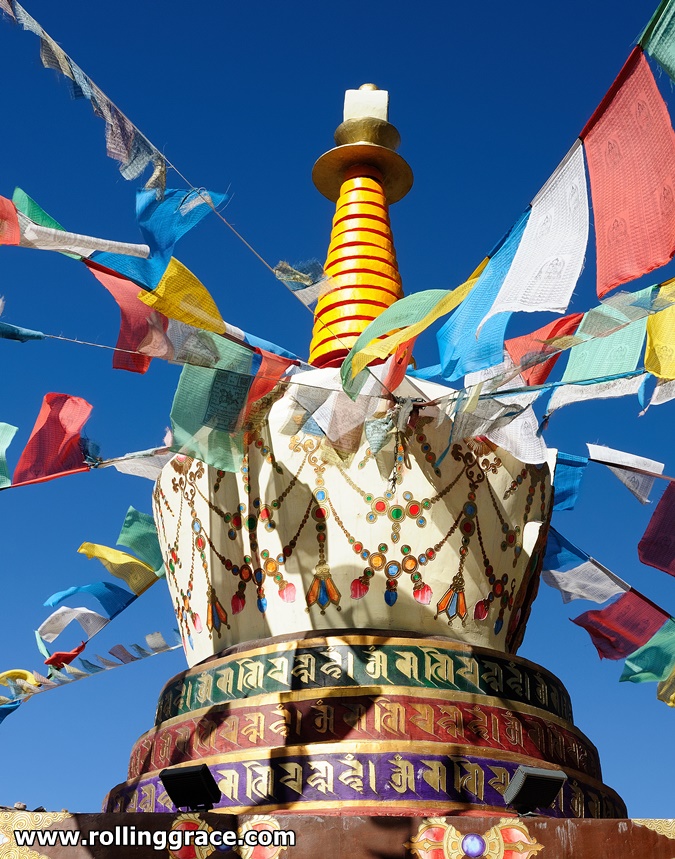
White stupas appear across hillsides and roadsides, acting as both spiritual markers and quiet navigational points through the landscape.
Top Attractions in Shangri-La
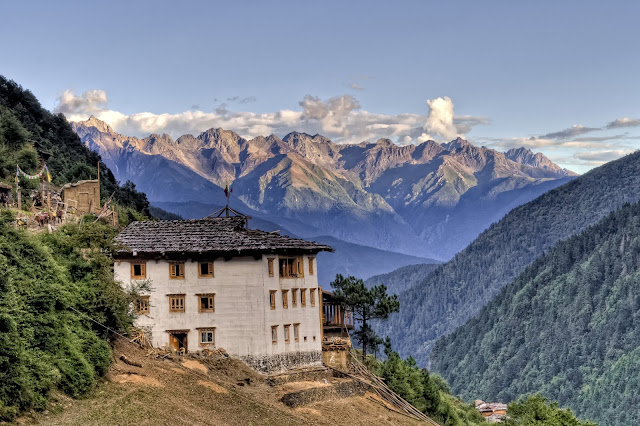
Shangri-La’s surroundings are defined by scale and openness. Wildlife such as yaks, musk deer, and golden monkeys move freely across grasslands and forest edges, while villages remain dispersed rather than clustered.
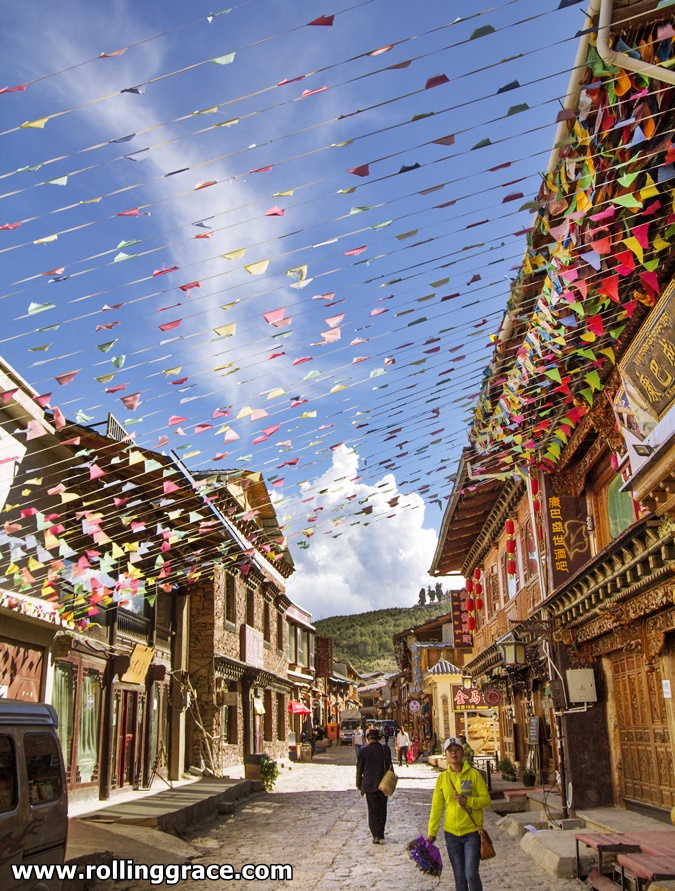
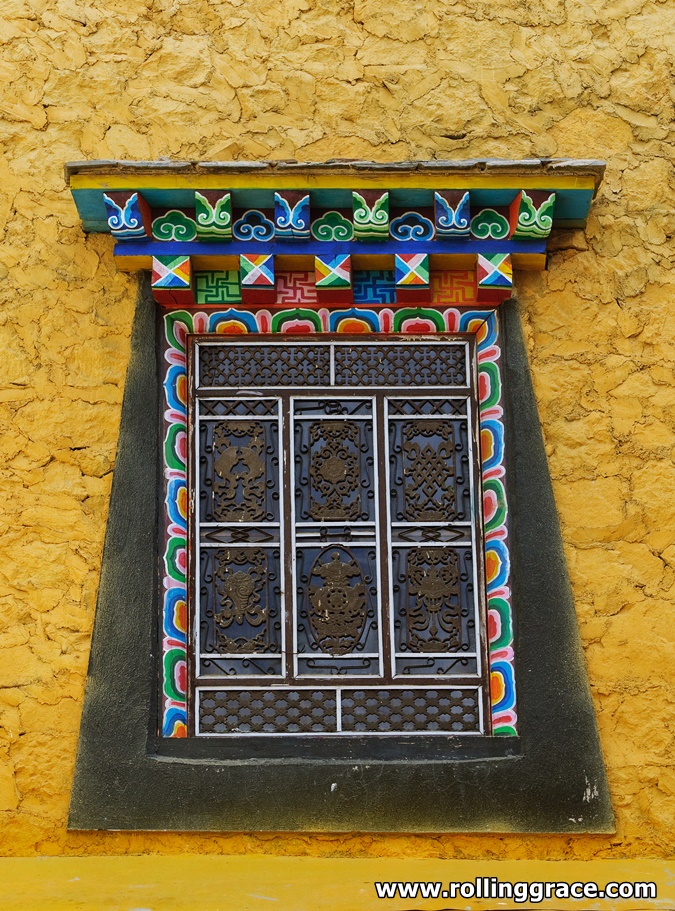
Architecture here is functional and enduring. Timber houses, monasteries, and watchtowers are built to withstand cold winters and thin air, creating a visual language that feels consistent across town and countryside.
- Songzanlin Monastery: Largest Tibetan Buddhist monastery in Shangri-La, Yunnan, located 5 km from town. Hilltop complex with golden roofs, prayer halls, resident monks, and a 146-step pilgrimage climb at high altitude.
- Giant Prayer Wheel, Guishan Park: Ten-metre prayer wheel overlooking the old town. Turned clockwise in odd numbers. Evenings draw local families, music, and informal dancing.
- Dukezong Ancient Town: Historic Tibetan quarter with stone lanes, timber houses, prayer flags, small temples, and daily local activity. Best explored early morning.
- Bita Lake: Alpine lake 25 km from Shangri-La at over 3,500 m elevation. Boardwalk trails, seasonal wildflowers, forest scenery. Access via shuttle only.
- Baishuitai: Sacred white limestone terraces formed by mineral springs. Shallow pools and stepped formations. Requires half-day trip.
- Meili Snow Mountains: Sacred mountain range viewed from designated viewpoints. Sunrise views are weather dependent. No climbing permitted.
- Grasslands and Villages around Shangri-La: Open plateaus with grazing yaks, scattered villages, and roadside stupas. Best experienced by short drives outside town rather than fixed landmarks.
Tibetan Yak Butter Tea
Yak butter tea, known locally as pho cha, is consumed daily across Himalayan regions including Tibet, Bhutan, Nepal, and northern India. Brewed with tea leaves, yak butter, salt, and water, it is designed to provide warmth and sustained energy in high-altitude conditions.
The flavour is rich and oily, practical rather than indulgent. While unfamiliar to many visitors, it reflects the realities of life at elevation and remains an essential part of local diet. Outside the region, it is rarely found, making it worth trying while in Shangri-La.

Yak Momo and Local Food
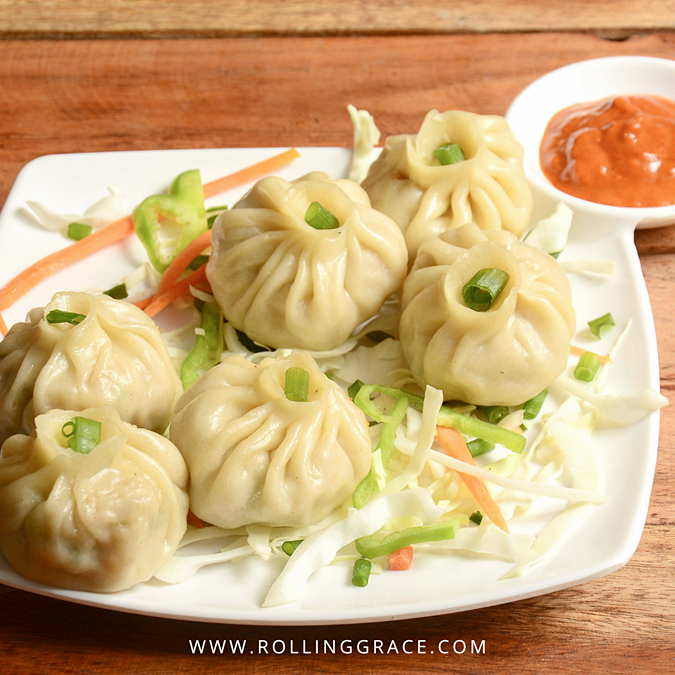
Momo are Tibetan dumplings found across South Asia, particularly in Tibet, Nepal, Bhutan, and northern India. While visually similar to East Asian dumplings, their seasoning reflects South Asian influences through herbs and spices rather than soy-based sauces.
In Shangri-La, momo are typically filled with yak meat, shaped by geography and livestock rather than novelty. Chicken and pork versions are more common outside the region, but yak momo offer a closer connection to local food culture.
Giant Prayer Wheel at Guishan Park
The giant prayer wheel at Guishan Park sits on a hill directly above Dukezong Ancient Town and functions as both a religious object and a public gathering point. Measuring roughly ten metres in height, it is one of the largest Tibetan prayer wheels in the region and can be seen from much of the old town.
The wheel is turned clockwise, following Tibetan Buddhist practice, with visitors often joining locals in rotating it in odd numbers. The act is believed to accumulate merit through the repetition of mantras inscribed within the wheel. In the early evenings, Guishan Park becomes a social space, with residents gathering for music and communal dancing, reflecting how religious sites in Shangri-La continue to serve everyday community life rather than existing solely as landmarks for visitors.
Address: Guishan Park, Dukezong Ancient Town, Shangri-La

Songzanlin Monastery
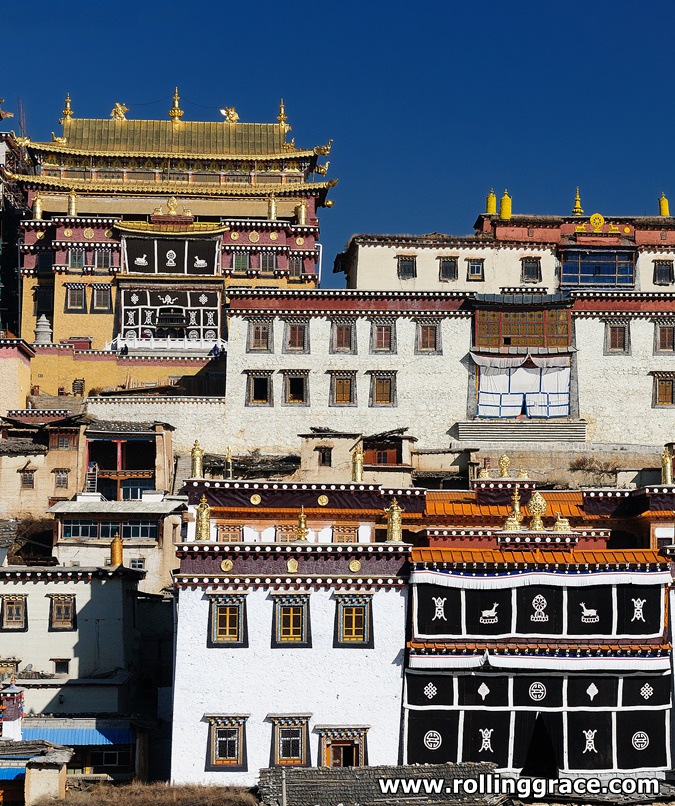
Located around five kilometres from the town centre, Songzanlin Monastery is the largest Tibetan Buddhist monastery in Yunnan and the most significant religious site in the Shangri-La region. Covering approximately 30 hectares, the monastery complex is home to more than 700 monks and lamas.
Architecturally inspired by the Potala Palace in Lhasa, the monastery sits on a hillside overlooking a lake, with layered prayer halls and watchtowers rising above the surrounding plateau. Visitors ascend 146 stone steps at roughly 3,300 metres above sea level to reach the main prayer hall, following the same approach traditionally used by pilgrims, making the climb as much a physical experience as a visual one.
Address: Songzanlin Monastery, Jiantang Town, Shangri-La

Bita Lake
Bita Lake is located within Pudacuo National Park, approximately 32 kilometres east of Shangri-La’s old town. It is one of the highest plateau lakes in Yunnan, surrounded by alpine forest and meadow, with raised boardwalks designed to protect the fragile ecosystem while allowing visitors to walk the perimeter.
Entry to Bita Lake is managed through Pudacuo National Park. As of 2026, the standard entrance ticket is approximately CNY 138 per person, which includes admission and use of the park’s internal eco-bus system connecting key areas such as Shudu Lake and Bita Lake. Optional activities, such as a short boat ride on the lake, are available for an additional fee and are paid on site.
From Shangri-La town centre, the journey to the park entrance takes around 30 minutes by car or shuttle bus. Once inside the park, visitors typically spend two to three hours walking the boardwalks around Bita Lake at a steady pace, allowing for rest stops due to altitude. Travellers visiting multiple areas within Pudacuo National Park should plan four to five hours in total.
Address: Bita Lake, Pudacuo National Park, Shangri-La
How to Get to Shangri-La
By Air
Shangri-La is served by Diqing Shangri-La Airport, with direct domestic flights from Kunming, Chengdu, Chongqing, and Lhasa. International travellers typically transit through Kunming or Chengdu, as there are no international flights into Shangri-La. The airport sits at over 3,200 metres above sea level, so it is advisable to keep arrival day activities light.
By Train
Rail services currently end at Lijiang. From Lijiang Railway Station, travellers continue to Shangri-La by long-distance bus or private car. The road journey takes approximately four to five hours, depending on weather and traffic, and passes through mountainous terrain.
By Bus or Car
Long-distance buses operate from Lijiang and Kunming, with Lijiang being the most practical departure point. Driving from Lijiang to Shangri-La takes around four to five hours on winding mountain roads. Private transfers offer more flexibility and allow for stops at viewpoints or small villages along the way.
Best Time to Visit Shangri-La
The most favourable time to visit Shangri-La is between March and August. Spring and summer bring milder temperatures, open roads, and alpine flowers across the surrounding grasslands. These months are well suited for walking, monastery visits, and exploring markets.
Autumn offers clearer skies but colder nights, while winter brings snow and limited access to surrounding villages.
Practical Travel Tips for Shangri-La
- Prepare for strong UV exposure. Sunscreen, sunglasses, and long-sleeved clothing are essential.
- Altitude sickness is common. Rest on arrival, stay hydrated, and avoid rushing your itinerary.
- Weather changes quickly. Layered clothing works best year-round.
- Distances take time. Roads are winding and slower than maps suggest.
Nearby Places Worth Visiting
Beyond the town, destinations such as Lake Bita, Baishuitai, Yubeng Village, and the Meili Snow Mountains offer striking landscapes but require additional travel planning. These sites are spread across the region and are better approached with extra time rather than as rushed add-ons.
Shangri-La is best approached with patience. It is a place where altitude shapes behaviour, food reflects environment, and culture continues without performance. For travellers drawn to restraint, landscape, and continuity rather than excess, it remains one of Yunnan’s most compelling destinations.
Get the good stuff first. Join Rolling Grace for the restaurants worth crossing a city for, the stays worth the upgrade, and the places to go before everyone else. Free, straight to your inbox.
Leave a Reply