Last updated: November 2026
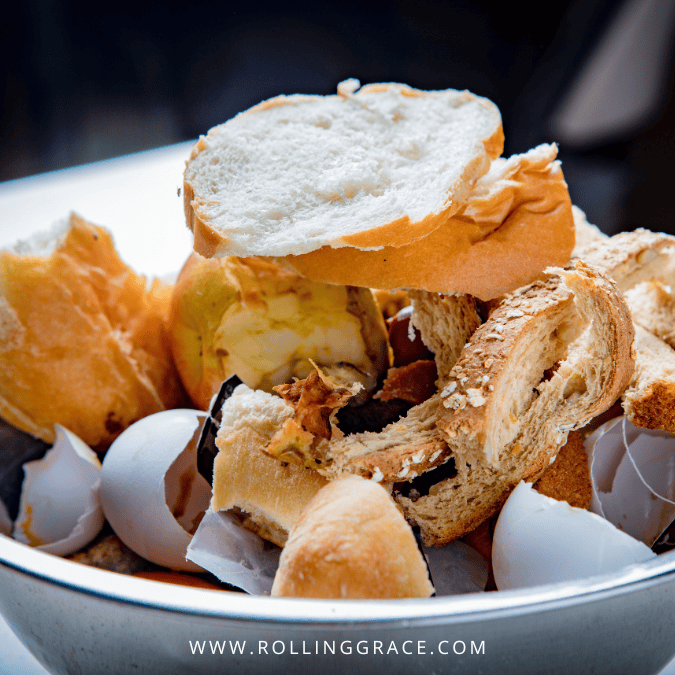
Malaysia throws away roughly 17,000 to 18,000 tonnes of food every day, and about 81 kilograms per person each year, one of the highest rates in Southeast Asia.
Food waste in Malaysia is now a national problem with a real cost, more than RM2 billion a year to manage. This guide covers the latest statistics, the causes, the environmental impact, and the practical ways to cut it, at home and across the food industry.
Read also: Microplastics in Malaysian Food: Top 4 Alarming Health Risks
How much food does Malaysia waste?
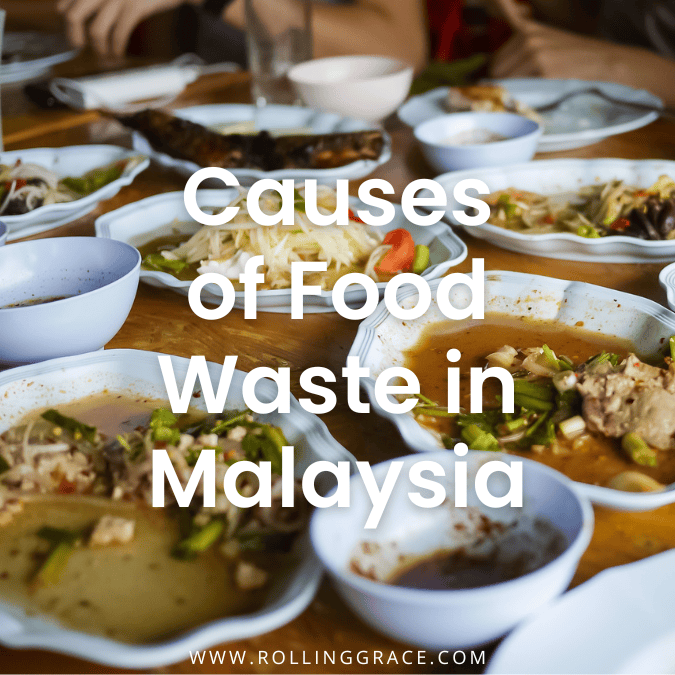
Malaysia generates about 17,000 to 18,000 tonnes of food waste a day, roughly 44.5 per cent of its daily solid waste, and around 6.45 million tonnes a year. Per person, Malaysians waste about 81 kilograms of food annually, the fourth highest in Southeast Asia, according to the UNEP Food Waste Index 2024.
About 6,000 tonnes of that daily total is still edible, up from around 5,000 tonnes in 2024. A 2025 government household survey by the Department of Statistics Malaysia put household food waste at between 31.9 and 97.3 kilograms per person a year, and found that nearly 80 per cent of households throw food waste in with the rest of their rubbish instead of separating it.
Related articles


What causes food waste in Malaysia?
Food waste in Malaysia builds up at every stage, from the farm to the table. The main sources are households, retailers and the supply chain, and the hospitality trade.
Household food waste in Malaysia
Homes are the biggest single source. We over-buy at the market, tempted by bulk deals, then let food spoil before we can eat it. Poor storage makes it worse: tropical fruit left to chill in the fridge, rice and bread going stale.
The 2025 government survey put household food waste at up to 97 kilograms per person a year, most of it cooked or processed food, not raw ingredients.
Retail and supply chain waste
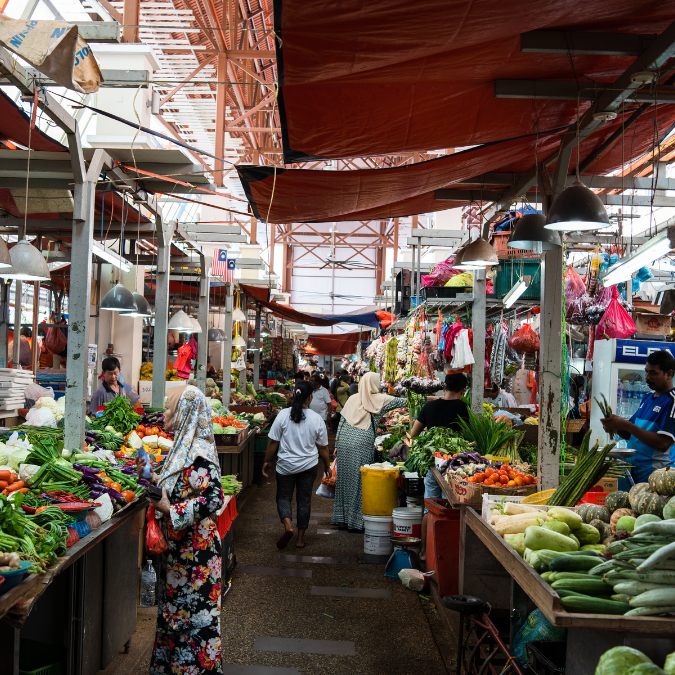
Supermarkets order more stock than they can sell to keep shelves looking full, and perishables that do not move end up binned.
A lot of fruit and vegetables never reach the shelf at all, rejected for a blemish, an odd shape or the wrong size. This is waste built into how food is bought and sold, before anyone gets to eat it.
Commercial food waste management in Malaysia
Buffets and large restaurant portions are a major source. All-you-can-eat spreads lead to over-serving and big leftovers, and generous plating at local eateries leaves plenty uneaten.
Better commercial food waste management in Malaysia, smaller portions, tighter ordering and composting kitchen scraps, cuts both waste and cost. Three Pavilion malls, for example, diverted more than 188 tonnes of kitchen food waste into compost in 2025 alone.
Environmental impact of food waste in Malaysia
Food waste in landfill
Most of Malaysia’s food waste ends up in landfill, where it rots and releases methane, a powerful greenhouse gas.
Food waste is responsible for an estimated 8 to 10 per cent of global greenhouse gas emissions. Rotting waste also produces leachate that can contaminate soil and groundwater, and the water, land and energy used to grow food that is never eaten are lost too.
There is a social cost as well. Many Malaysians struggle to afford enough food, so throwing away edible meals is both an environmental and an inequality problem.
How to reduce food waste in Malaysia
Cutting food waste takes action at home, in business and in policy. Here are the solutions to food waste in Malaysia that work.
Start at home, including composting
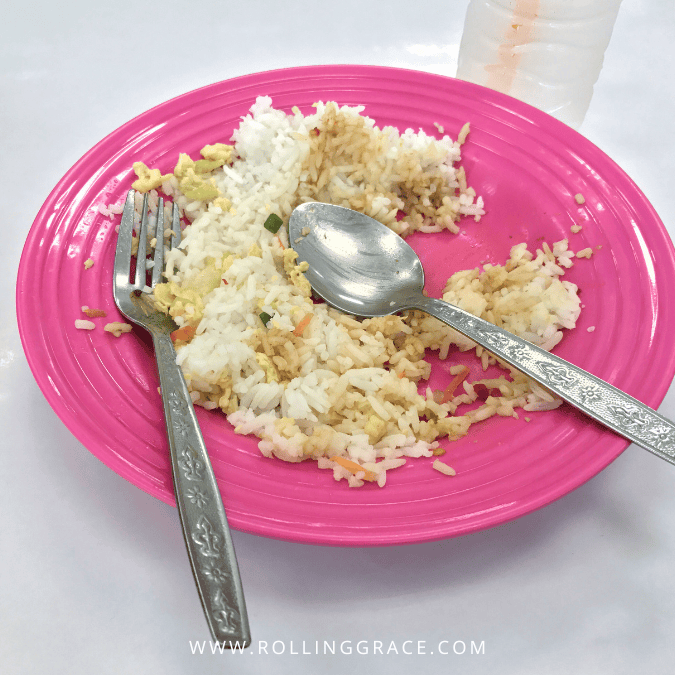
The easiest wins are at home: buy only what you will eat, store food properly, and use up leftovers. Composting is the next step.
Food waste composting in Malaysia turns kitchen scraps into soil for your garden or pot plants, and local firms like Maeko supply home and commercial composting machines. Separating food waste from your other rubbish, which most households still do not do, makes all of this easier.
Food banks and rescue apps
Surplus food can feed people instead of landfill. The Lost Food Project, Malaysia’s pioneering food bank, rescues quality surplus food from suppliers and redistributes it to charities, having delivered close to two million meals.
Yayasan Food Bank Malaysia, set up in 2019, runs similar redistribution. On the app side, a food rescue app in Malaysia like OLIO or What A Waste connects neighbours and businesses so spare food gets shared instead of binned.
Government and the law
Food waste management in Malaysia runs on the Solid Waste and Public Cleansing Management Act 2007 (Act 672). Mandatory separation of waste at source began on 1 September 2015 in several states, with penalties following from mid-2016, to divert waste from landfill.
SWCorp audits disposal at markets and food businesses, and the government is working towards the global target of halving food waste by 2030.
The circular economy
The bigger shift is treating food waste as a resource, not refuse, the circular economy approach.
Food scraps become high-protein animal feed, compost or biogas for renewable energy, and food processors turn by-products into new goods. These loops keep value in the system and keep waste out of landfill.
Is waste separation mandatory in Malaysia?
Yes. Under the Solid Waste and Public Cleansing Management Act 2007, separating solid waste at source has been mandatory since 1 September 2015 in participating states and federal territories, with fines for non-compliance from mid-2016. Compliance is still low, but the rule stands and enforcement continues.

What can travellers and diners do?
Eating well in Malaysia does not mean wasting food. Order what you can finish, say yes to smaller portions, skip the buffet pile-up, and take leftovers home.
These small, sustainable food practices in Malaysia add up, and they let you enjoy the country’s food scene while leaving less behind.
Related articles



Get the good stuff first. Join Rolling Grace for the restaurants worth crossing a city for, the stays worth the upgrade, and the places to go before everyone else. Free, straight to your inbox.
Leave a Reply