The gulai jering arrived in a clay pot, thick with coconut gravy and sharp with the unmistakable funk of raw jering beans. It is the kind of dish most hotel buffets would never touch. Too polarising, too regional, too difficult to explain to a guest who has never eaten it before. Makan Kitchen DoubleTree put it on the line alongside ikan pekasam and singgang ikan.
From 21 August to 26 September 2026, Makan Kitchen at DoubleTree by Hilton Putrajaya Lakeside is running a Tribute to Malaysian Heritage Dinner Buffet every Saturday and Sunday evening.
The spread pulls from Kelantanese, Javanese, Kedahan, and broader Malay kampung cooking traditions, with nine highlighted dishes that go well beyond the safe rotation most hotel kitchens default to.
Read also: 10 Best Halal Dim Sum in KL for a Pork-free Chinese Feast

Makan Kitchen at DoubleTree by Hilton Putrajaya
Makan Kitchen DoubleTree is the signature all-day dining restaurant at DoubleTree by Hilton Putrajaya Lakeside, located at 2 Jalan P5/5, Presint 5, Putrajaya.
The restaurant covers six Malaysian cuisines from three open kitchens: Malay, Chinese, Indian, Peranakan, Kristang (Portuguese-Eurasian), and Iban. Each kitchen is live and interactive, with chefs preparing dishes in front of guests.
Read also: Foie Gras in Fine Dining: 7 Truths Restaurants Cannot Ignore
The restaurant overlooks the Putrajaya lake and has built a reputation over multiple years for themed buffet spreads that rotate seasonally. The Tribute to Malaysian Heritage Dinner Buffet is the latest in a line of curated weekend events designed to spotlight specific regional traditions within Malaysian cooking.
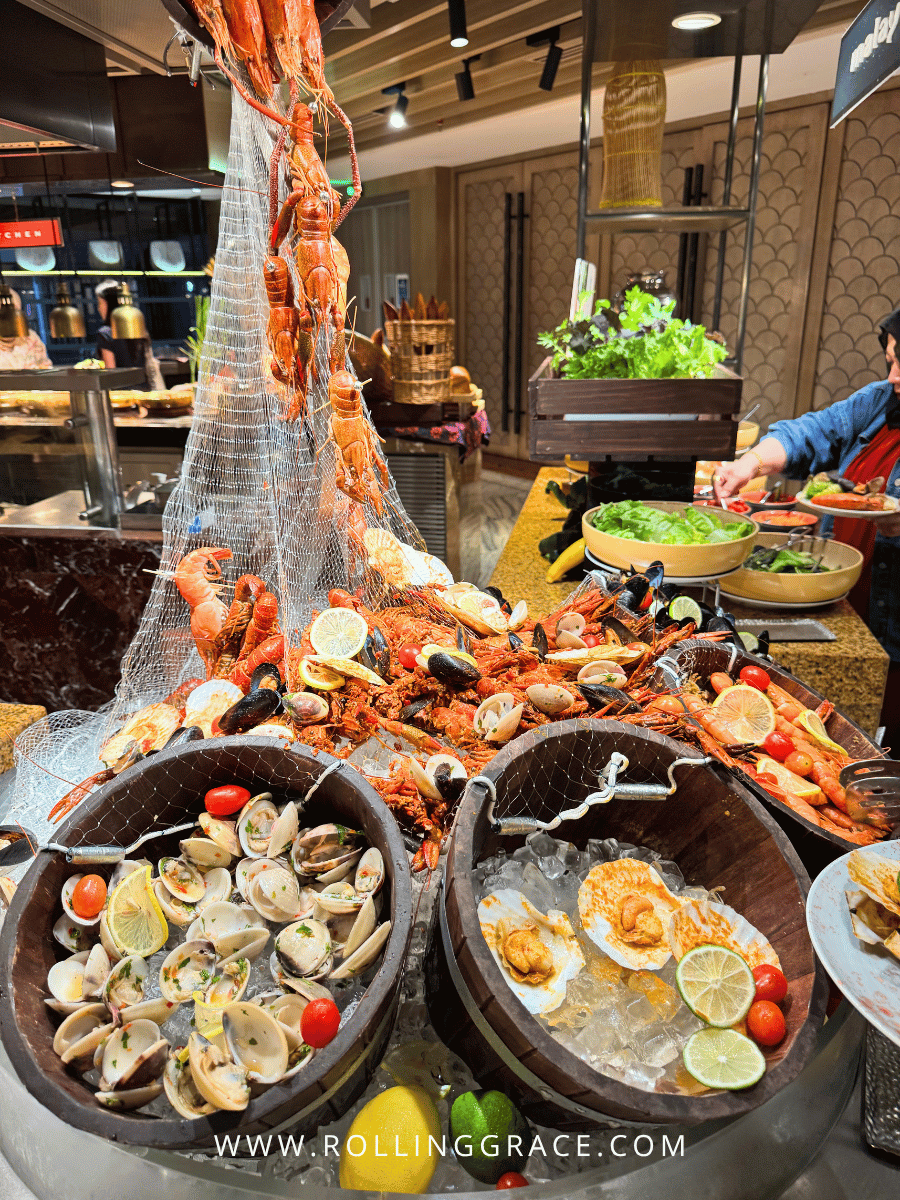
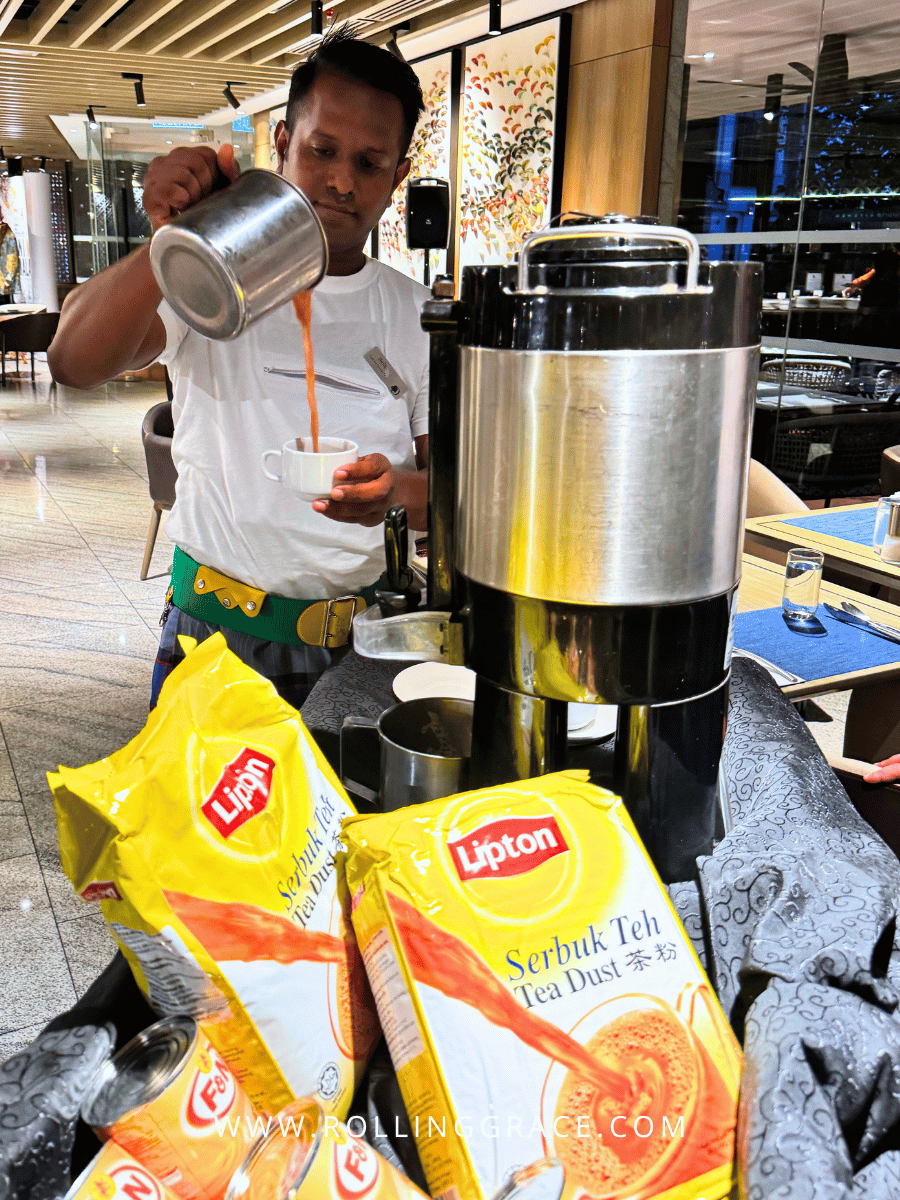
Tribute to Malaysian Heritage Dinner Buffet
Nasi Tumpang
A Kelantanese cone of layered rice, omelette, meat floss, fish or shrimp gulai, and sambal, wrapped tightly in banana leaf. Known as nasi tupe in the Kelantanese dialect, this was originally a portable meal for farmers and fishermen heading out for the day.
The layering is what makes it: each bite pulls a different combination of sweet sambal, savoury floss, and rich gulai depending on which section you break into. It is extremely rare to find at a hotel buffet anywhere outside Kelantan.
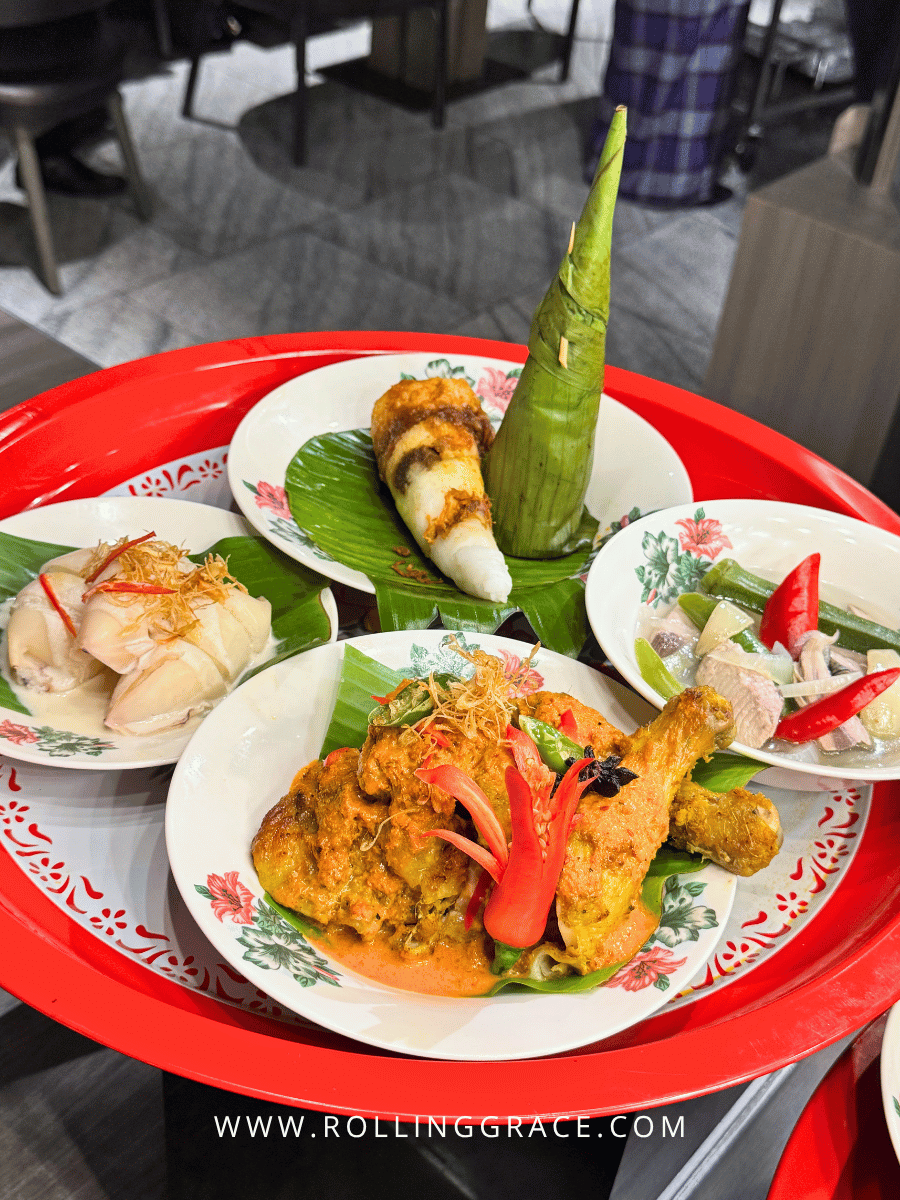
Singgang Ikan
An east coast fish soup originating from Terengganu and Kelantan, made with fresh fish (typically mackerel or tuna), ginger, turmeric, lime leaves, and tamarind.
The broth is light, sour, and clean, with no coconut milk. Singgang is the opposite of a heavy curry: it is built for tropical heat, designed to refresh and settle. The simplicity of the preparation makes the quality of the fish impossible to hide.
Ayam Percik Kelate
Kelantanese grilled chicken basted repeatedly in a thick coconut and chilli marinade. The coconut gravy is spiced with turmeric, lemongrass, galangal, and ground chilli, and the chicken is grilled slowly so the marinade caramelises into a sticky, charred coating.
Ayam percik varies between states (Terengganu’s version uses a different spice ratio), but the Kelantanese preparation is the most widely known and the one served here.
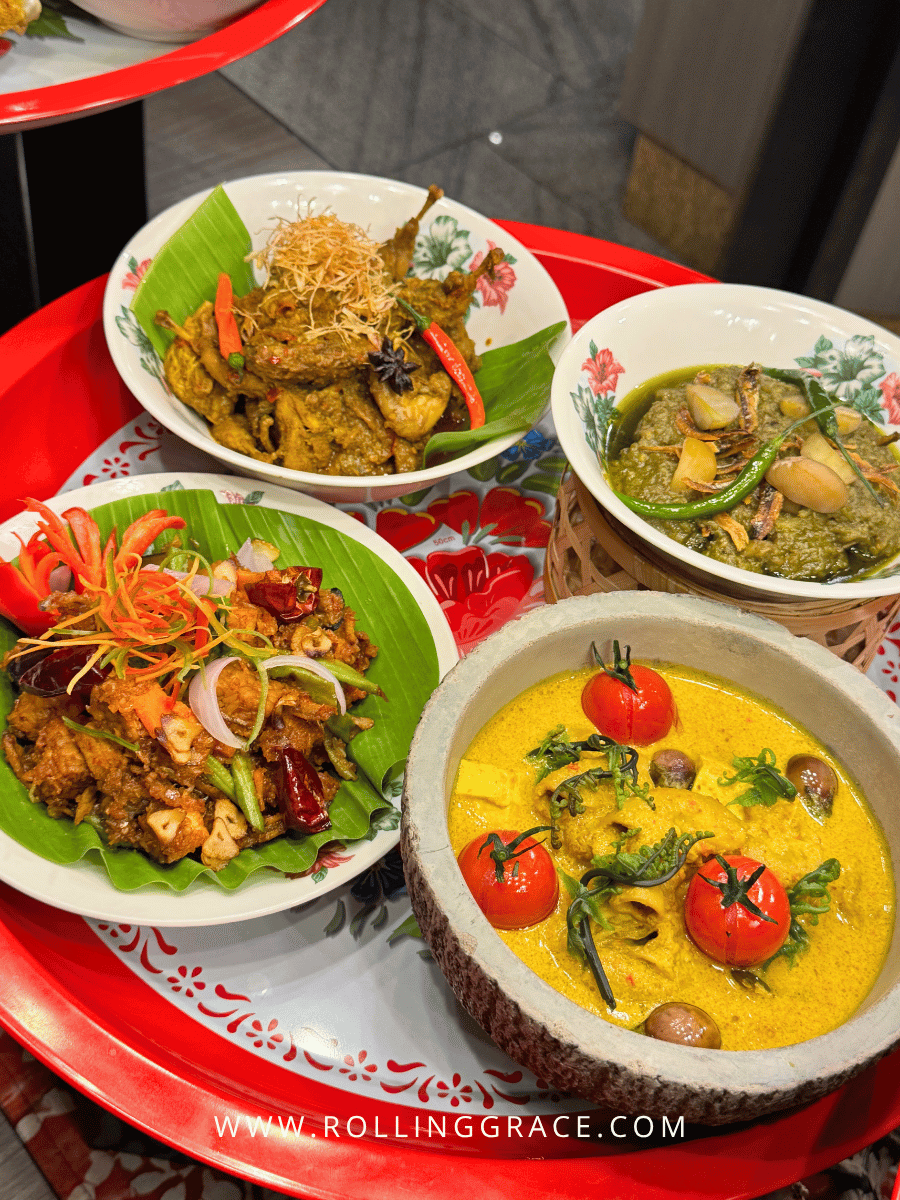
Sambal Goreng Jawa
A Javanese-origin dry stir-fry of tempeh, tofu, or long beans, cooked down in a thick, sweet-savoury sambal. Javanese cooking in Malaysia tends to run sweeter than Malay cooking, and sambal goreng Jawa is a good example of that: the sweetness comes from palm sugar balanced against the heat of fresh chillies.
It is a common dish in Javanese-Malay households but rarely appears on restaurant menus in this form.
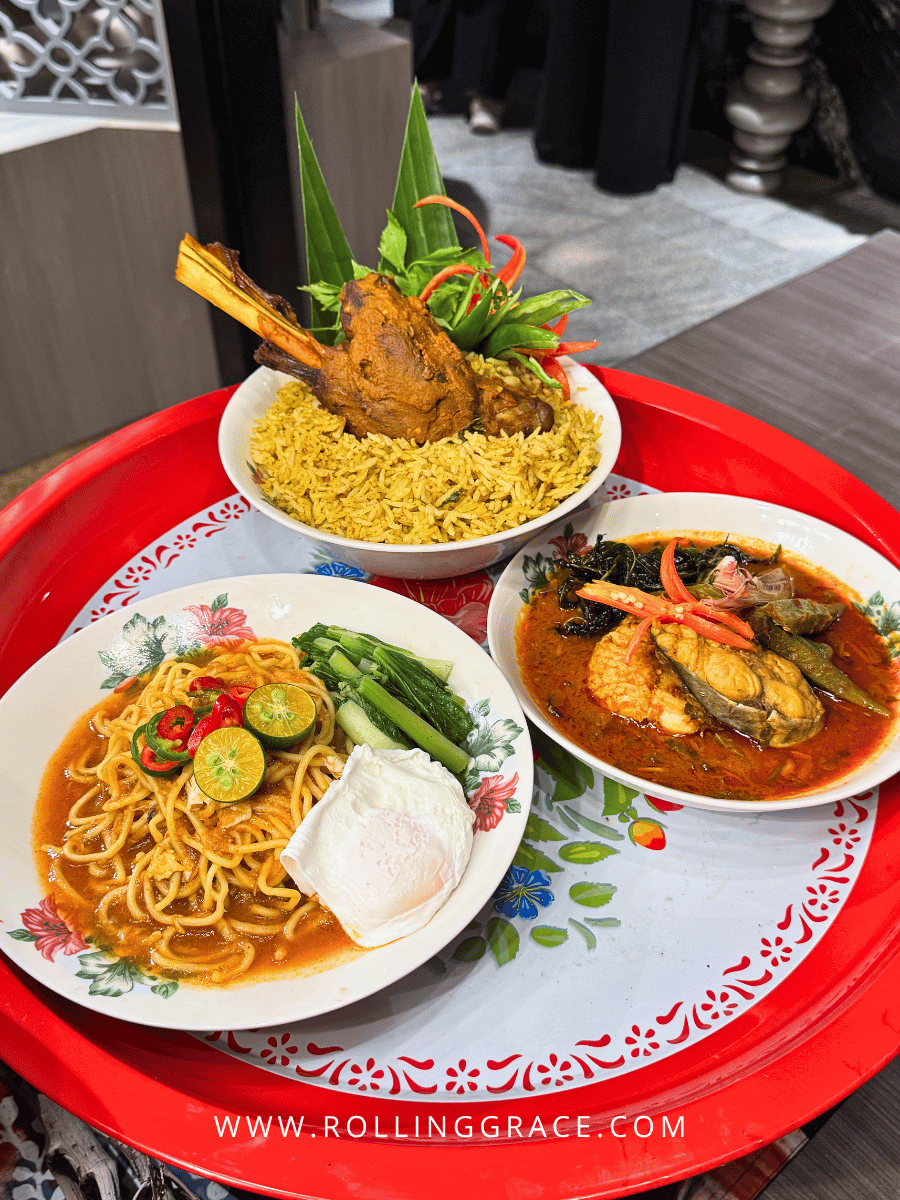
Gulai Jering
Jering (djenkol beans) cooked in a rich coconut-based curry. The beans have a strong, sulphuric aroma that divides opinion sharply. This is not a dish for beginners or the undecided, and its inclusion on the buffet is a statement of intent: this spread is for people who eat Malaysian food seriously.
Gulai jering is a kampung staple that most urban Malaysians associate with home cooking and village markets, not five-star hotels.
Nasi Briyani Gam
A Johor-origin briyani where the rice and meat are cooked together in one pot from start to finish, producing a wetter, more intensely spiced result than standard biryani.
Johor’s briyani gam uses basmati rice, ghee, saffron, and a heavy hand with whole spices. The “gam” refers to the stickiness of the rice from absorbing the full stock of the meat.
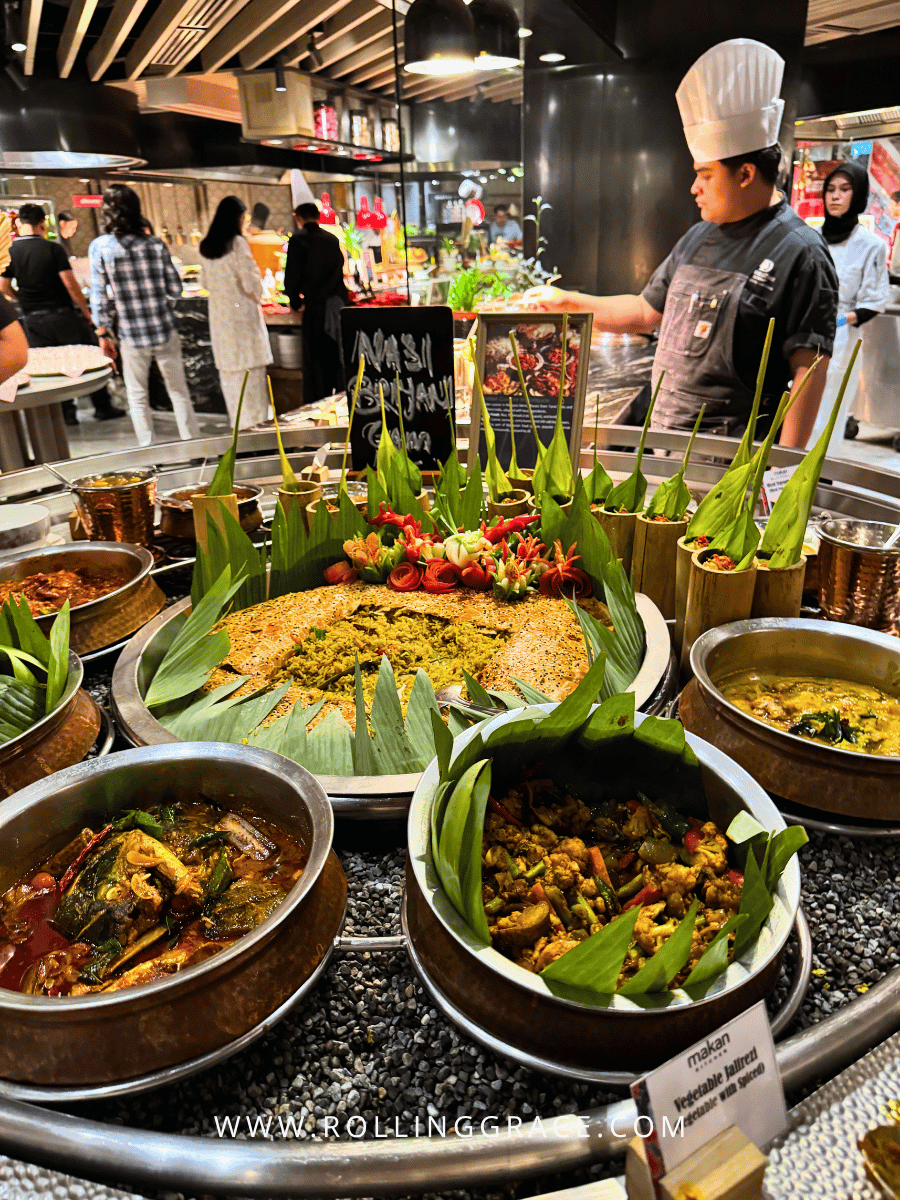
Assam Pedas
A sour and spicy tamarind-based fish stew found across Malaysia but rooted in Melaka and the southern states. The gravy is thin, tangy, and loaded with dried chilli, tamarind paste, torch ginger flower (bunga kantan), and lady’s fingers (okra).
The tartness of the tamarind cuts through the oiliness of the fish, making it one of the most appetite-driving curries in the Malaysian repertoire.
Ikan Pekasam
Fermented freshwater fish, typically made from freshwater fish such as lampam, sepat, or puyu, preserved in salt and roasted rice for several weeks before being fried or grilled.
The fermentation gives the fish a deep, funky, umami-rich flavour that is nothing like fresh fish. Ikan pekasam is one of the oldest preservation techniques in Malay cooking, predating refrigeration entirely, and remains a staple in Perak, Pahang, and the northern states. Finding it on a hotel buffet line is unusual.
Laksa Kedah
A fish-based laksa from the northern state of Kedah, built on a thick, slightly sweet curry broth with shredded fish, rice noodles, and a heavy dose of daun kesum (laksa leaf).
Kedah laksa is distinct from Penang assam laksa (which is sour) and curry laksa (which uses coconut milk). The Kedah version sits somewhere between, with a creamier body and a more pronounced sweetness.
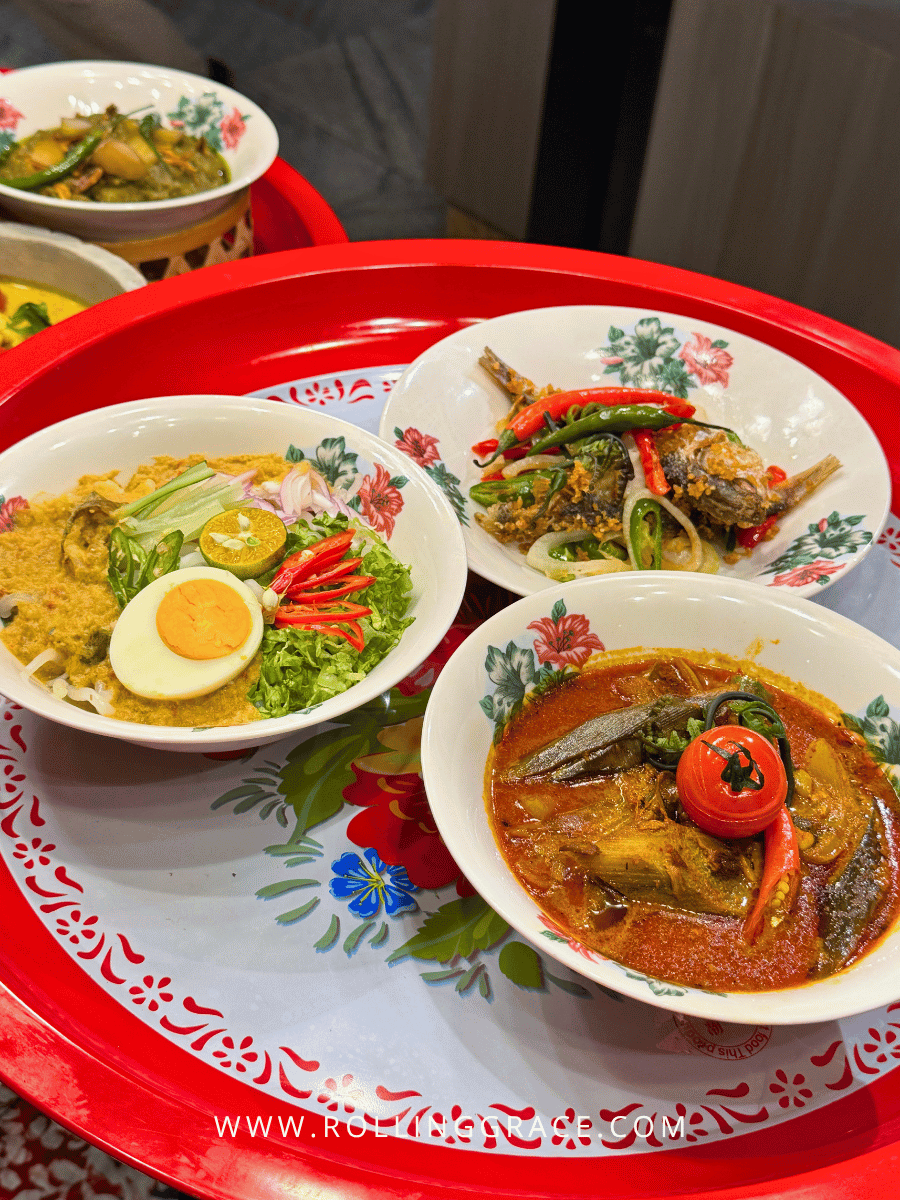
The Kraftangan Malaysia Artisan Showcase
The buffet includes a live artisan demonstration in collaboration with Kraftangan Malaysia, the Malaysian Handicraft Development Corporation. Kraftangan operates under the Ministry of Tourism, Arts and Culture and is responsible for preserving and promoting traditional Malaysian handwork across textiles, woodwork, metalwork, and forest-based products.
Read also: Hilton PJ Chinese New Year Set Menu 2026 at Toh Yuen
The showcase brings working artisans into the dining room, demonstrating traditional techniques alongside the food. This ties the buffet to a broader cultural experience and is part of Makan Kitchen DoubleTree’s collaboration with Visit Malaysia 2026, which has placed increased emphasis on linking food, tourism, and heritage preservation.
Pricing and Other Information
| Detail | Information |
|---|---|
| Buffet Name | Tribute to Malaysian Heritage Dinner Buffet |
| Dates | 21 August to 26 September 2026 |
| Days | Fridays and Saturdays only |
| Time | 6:30 pm to 10:00 pm |
| Adult Price | RM148 nett per person |
| Child Price | RM74 nett per person |
| Address | Makan Kitchen DoubleTree by Hilton Putrajaya Lakeside, 2 Jalan P5/5, Presint 5, Putrajaya 62200 |
Hilton Honors Discounts
Hilton Honors members receive discounts on food and drinks at Makan Kitchen DoubleTree. Signing up for Hilton Honors is free and can be done online before arriving.
- Base and Silver members: 10% off
- Gold and Diamond members: 25% off
Is Makan Kitchen Halal?
DoubleTree by Hilton Putrajaya Lakeside is a halal-certified hotel. All food served at Makan Kitchen DoubleTree is halal.
How to Make a Reservation
Reservations can be made through the hotel directly or via SevenRooms (the hotel’s online booking platform).
Walk-ins are accepted but weekends fill up, especially during the final weeks of a limited-run buffet. Booking ahead is strongly recommended for Saturday evenings.
- Contact number: +603 8890 0000
- Address: DoubleTree by Hilton Putrajaya Lakeside, 2, Jalan P5/5, Presint 5, 62200 Putrajaya
Get the good stuff first. Join Rolling Grace for the restaurants worth crossing a city for, the stays worth the upgrade, and the places to go before everyone else. Free, straight to your inbox.
Leave a Reply