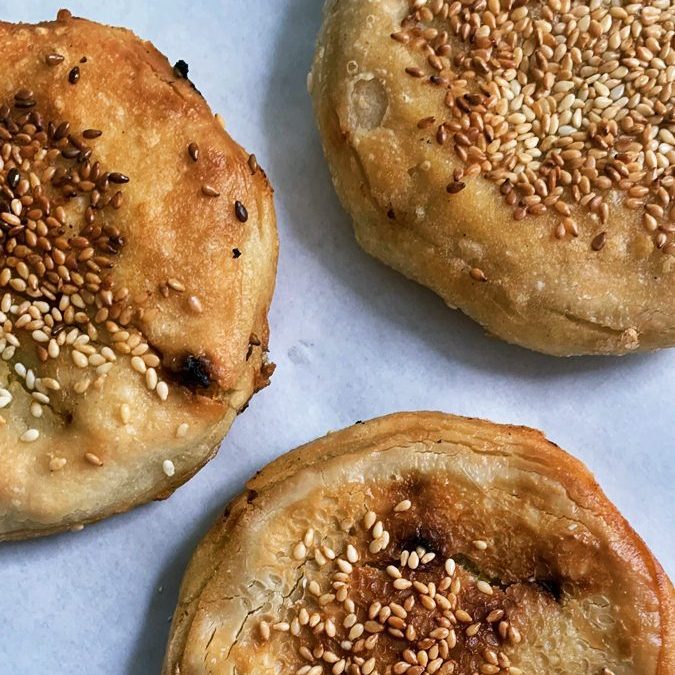
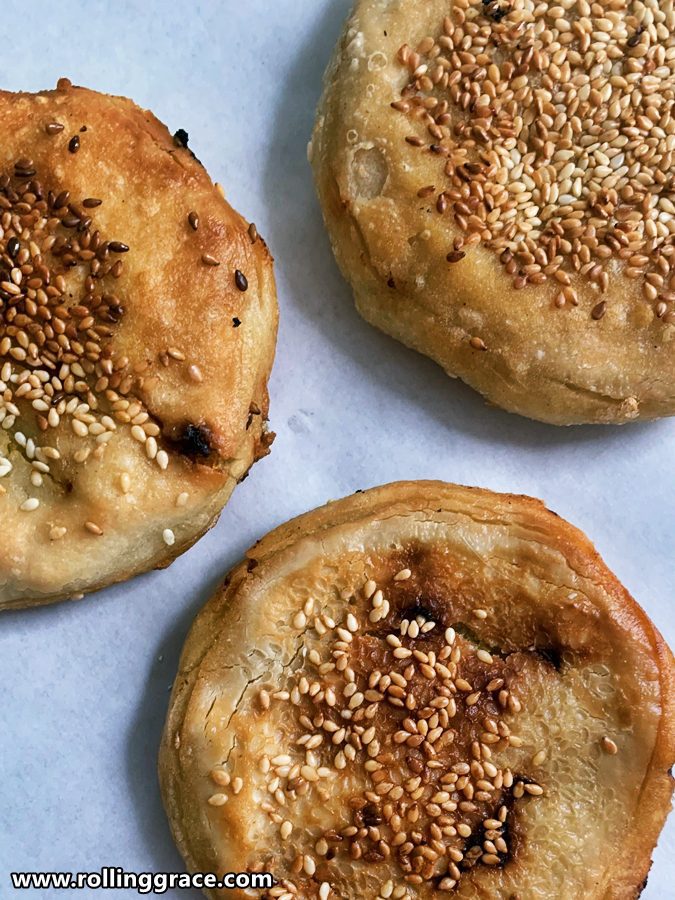
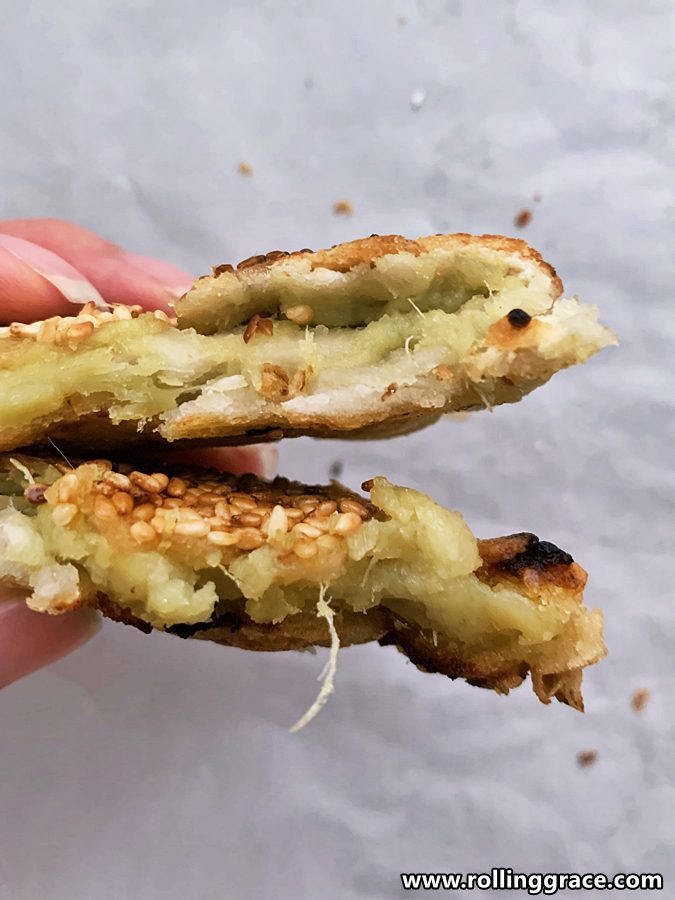
Pull one of these apart and the filling moves. Golden, just warm enough, and scented with that particular sweetness that only a proper Japanese sweet potato can produce. Chinese sweet potato pancakes are not technically complicated, but they demand patience in the dough stage.
This version uses Beni Nagomi (極甘) sweet potatoes sourced from Ibaraki, Japan. The difference in quality between these and a standard supermarket sweet potato is not marginal. It shapes the entire result.
Read also: Zesty Thai Spicy Noodle Salad Recipe: Ready in 30 Minutes
Beni Nagomi Sweet Potatoes
Origin and the Process
Beni Nagomi (極甘) is a Japanese sweet potato variant cultivated in the warm agricultural regions of Ibaraki Prefecture, northeast of Tokyo. Ibaraki is one of Japan’s foremost sweet potato-producing regions and has been growing the Beni Azuma variety, a Kanto classic, since the 1980s. The Beni Nagomi is a premium variant out of this same tradition.
How They Are Prepared
The Yakiimo version of Beni Nagomi goes through a two-stage process before it reaches the shelf. The potatoes are first aged in a temperature-controlled warehouse for over three months, allowing the natural starches to convert into sugar and intensify in sweetness.
They are then baked in a far-infrared oven to optimise flavour without any artificial additives, colourings or flavourings. If you are buying the raw variety to cook at home, you are working with the base ingredient before this secondary baking step, which is precisely why your cooking method matters.
Where to Find Them in Malaysia
In Malaysia, Beni Nagomi is distributed through Secai Marche, a Tokyo-based farm-fresh platform that links Japanese farmers directly with chefs and consumers across the region.
Check Jaya Grocer and AEON Big outlets for availability, though stock varies by season.

Nutritional Case for Sweet Potatoes
Vitamins and Minerals
Sweet potatoes are a solid source of Vitamin A in its raw form, with Vitamin C content increasing once cooked due to micronutrient changes during heat preparation.
They also contain potassium, iron, and phytonutrients, and have been ranked by the US Center for Science in the Public Interest as among the healthiest vegetables you can eat, a claim that has circulated in nutritional writing for decades and holds up in most comparative analyses.
Fibre Content
A single Japanese sweet potato delivers approximately 4.6 grams of dietary fibre, which supports healthy digestion and contributes to satiety. This is higher than a medium white potato by a meaningful margin.
Glycemic Index
Sweet potatoes are frequently described as low-GI, and this is true when steamed or boiled, where the glycemic index falls around 44 to 46. Baked or roasted, the GI climbs to the medium-to-high range (64 to 82) as the cooking process breaks down resistant starches.
In this Chinese sweet potato pancakes recipe, the filling is steamed before use, which preserves the lower GI profile of the sweet potato component. The deep-fried glutinous rice skin adds carbohydrates, so treat this as a treat, not a daily health food.
Protein and Fat
Sweet potatoes contain a useful amount of protein relative to their calorie count and are naturally free from saturated fats. They provide complex carbohydrates that release energy gradually, which is useful if you have eaten three of these in one go and need to justify it.
Preparing the Dough
Why Glutinous Rice Flour Behaves Differently
Glutinous rice flour produces a dough that is far stickier and more hydrophilic than wheat flour. It absorbs water unpredictably depending on humidity, brand, and water temperature. Room-temperature water, added gradually and worked in with a spatula before using your hands, gives you the most control.
The goal is a dough that is moist and pliable. Not dry, not wet enough to stick to your hands, and it will feel slightly tacky throughout. That is correct. Do not add more flour chasing a drier result.
The Kneading Stage
There is no shortcut here. The dough needs to be worked until it becomes cohesive and smooth. Rushing this step produces pancakes that crack at the edges when pressed flat. Budget ten minutes.

Making the Filling
Once you have steamed the sweet potato, mashed it with sugar and vegetable oil, and divided it into eight balls, the refrigerator step is not optional.
Cold filling is significantly easier to enclose inside the dough without it splitting or leaking through the skin. Aim for at least 20 minutes in the fridge before you assemble.
Three tablespoons of white sugar with 250 grams of Beni Nagomi sweet potato produces a filling that is sweet without being cloying. The natural flavour of the potato is pronounced enough that you do not need to add vanilla or any other flavouring agent.
If you prefer a subtler sweetness, reduce to two tablespoons and taste before dividing.

Frying Method
Oil Temperature and Timing
Medium heat, with the oil given five minutes to come up to temperature before the first pancake goes in.
If you are unsure, test a small piece of leftover dough: it should rise to the surface within a few seconds and begin colouring. Too hot and the sesame seeds darken before the dough has cooked through. Too cool and the pancakes absorb oil rather than fry in it, producing a greasy result.
Sesame Seed Coating
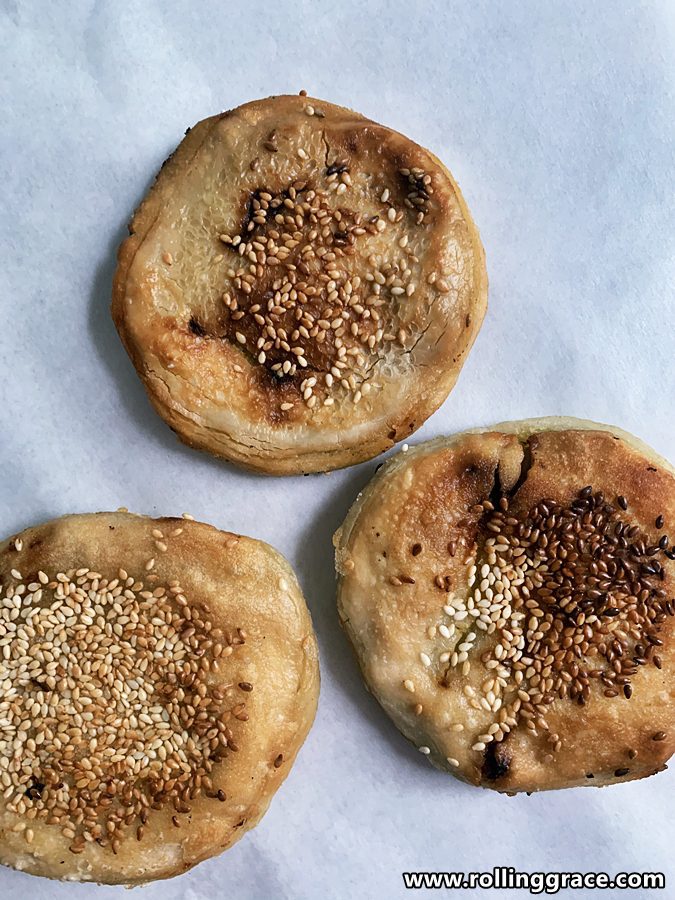
Press the sesame seeds into the surface of each flattened pancake with your palm before frying, not after. Once the pancake is in the oil, the seeds are locked in place by the heat. Adding them post-fry means they fall off within seconds.
Serving
These are best eaten within ten minutes of coming out of the oil. The contrast between the crisp sesame exterior and the soft filling is at its peak when the pancakes are still warm. A pot of lightly brewed Chinese tea alongside cuts through the sweetness well.

Recipe for Chinese Sweet Potato Pancakes
Preparation time: 30 minutes (plus 20 minutes chilling) Cooking time: 10 minutes Makes: 8 pancakes
Ingredients
For the skin:
- 250g glutinous rice flour
- 200ml water, room temperature
- White sesame seeds, for coating
For the filling:
- 1 large Beni Nagomi sweet potato, approximately 250g
- 3 tbsp white sugar (reduce to 2 tbsp for a less sweet result)
- 2 tbsp vegetable oil
Method
Step 1: Make the filling Steam the sweet potato for 15 minutes or until completely soft when pierced. Remove the skin and leave to cool for five minutes.
Step 2: Mash and chill In a bowl, mash the warm sweet potato together with the sugar and vegetable oil until fully combined and smooth. Leave to cool completely, then divide into eight equal balls and refrigerate for at least 20 minutes.
Step 3: Make the dough Measure the glutinous rice flour into a bowl. Add the water a little at a time, mixing with a spatula after each addition, until a moist and pliable dough forms. Knead for approximately ten minutes until smooth and cohesive. The dough will feel slightly tacky.
Step 4: Assemble Divide the dough into eight pieces. Flatten one piece in your palm, place a cold sweet potato ball in the centre, and gather the edges of the dough up around it, sealing it into a ball. Place the sealed ball between two sheets of baking paper and press gently with your palm, then use a rolling pin to flatten it into a thin, even disc.
Step 5: Add sesame seeds Scatter sesame seeds onto a flat surface and press the disc into them on both sides, then press gently with your palm to ensure they adhere.
Step 6: Fry Heat vegetable oil in a pan over medium heat for five minutes. Deep-fry the pancakes in batches, turning once, for approximately three minutes per side or until the skin is golden and crisp.
Step 7: Serve Serve warm, ideally within ten minutes of frying.
Note on the Ingredient
Beni Nagomi sweet potatoes are grown using specific cultivation and post-harvest methods that differ from mass-produced sweet potato varieties.
Buying through a farm-fresh platform like Secai Marche, which sources directly from verified farms, is also a more transparent supply chain than buying from distributors where origin and handling are less traceable. It is useful to know what you are paying for when the price difference shows up at the checkout.
Frequently Asked Questions on Chinese Sweet Potato Pancakes
Can I use a different type of sweet potato?
Yes, but the result will be different. Beni Nagomi has a particularly dense, naturally sweet flesh that holds well once mashed and chilled.
Standard orange-fleshed sweet potatoes available at most Malaysian supermarkets are more watery and may need longer to dry out during steaming. The flavour will be milder.
Can I bake these instead of frying?
You can, but the exterior will not achieve the same crispness. Brush with a light coat of oil and bake at 200°C for 15 to 18 minutes, turning halfway. The sesame seeds toast in the oven and the result is pleasant, though texturally it is a different thing entirely from the fried version.
How do I store leftover Chinese sweet potato pancakes?
These do not store particularly well. The skin loses its texture within a few hours. If you need to make them ahead, keep the assembled, unfried pancakes on a tray in the refrigerator for up to two hours, then fry just before serving.
Is the glutinous rice flour dough supposed to feel this sticky?
Yes. Glutinous rice flour dough is stickier than wheat dough and will remain slightly tacky even when properly made. Lightly oiling your hands during the assembly step helps with handling. Do not compensate by adding more flour.
Are these pancakes suitable for people with diabetes?
The filling is made from steamed sweet potato, which has a lower glycemic index than baked or fried preparations. However, the glutinous rice skin adds a significant carbohydrate load.
If you are managing blood sugar, keep portions small and pair with protein. Always consult your own healthcare provider for dietary guidance specific to your situation.
This recipe guide for Chinese sweet potato pancakes is based on firsthand kitchen testing and direct research into Beni Nagomi sweet potato sourcing, cultivation methods, and nutritional data from verified producers and food science sources.
Get the good stuff first. Join Rolling Grace for the restaurants worth crossing a city for, the stays worth the upgrade, and the places to go before everyone else. Free, straight to your inbox.
Leave a Reply