EV chargers in Malaysia are finally appearing in enough places to make owning an electric vehicle practical.
As of late 2025, over 5,360 public charge points had been licensed nationwide, with DC fast chargers along major highways now making interstate travel viable in a way that was not possible two years ago.
EV registrations jumped 113.7% year-on-year in the first quarter of 2026, and the charging infrastructure is building out to match. This guide covers the four networks worth knowing, the charger types you will encounter, verified pricing, and what to sort out before your first trip.
Read also: Petrol vs Electric Cars: Which Is Better for Environment?

Why Malaysians Are Switching to EVs
Running Costs Have Changed the Calculation
Rising fuel prices have shifted the numbers decisively. RON97 and diesel have both broken the RM5.00 per litre mark in 2026, while the cost of running an EV is at least 50% lower than petrol for households with access to a home wallbox charger.
EV maintenance costs run approximately 35% lower than petrol vehicles due to fewer moving parts. The upfront cost remains higher, but the lifetime running cost argument now wins clearly.
Road Tax Structure Has Changed
From January 2026, the zero road tax exemption for EVs has ended. The new structure, calculated based on motor power output in kilowatts rather than engine capacity, is estimated to cost an average of 85% less than the old pre-2022 petrol-equivalent rates. It brings EV road tax broadly in line with comparable ICE and hybrid vehicles.
EV Cars Are More Accessible
The Proton e.MAS 5 was the most registered EV in Malaysia in Q1 2026 with 6,701 units, followed by the BYD Atto 3 and Proton e.MAS 7.
Affordable local options now sit alongside BMW, Mercedes-Benz and Porsche in the market, covering mass market to luxury across sedan and SUV formats.

Types of EV Chargers in Malaysia
Level 1 Chargers
Standard three-pin household socket charging at 120V. Adds approximately 3 to 5km of range per hour. Suruhanjaya Tenaga guidelines now strictly regulate Mode 1 charging due to fire risks, and it is not recommended as a primary charging method.
Level 2 Chargers
Operates on 208 to 240V AC power via a dedicated wallbox unit. Adds around 30km of range per hour. A full charge takes 6 to 12 hours depending on battery size.
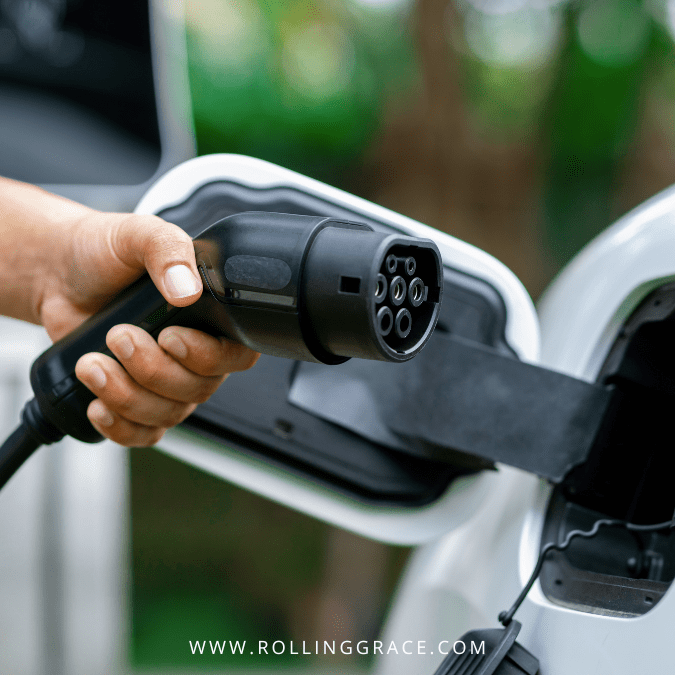
The standard for home charging and public locations including malls, hotels and offices. Uses the Type 2 connector, which is the universal AC standard in Malaysia.
DC Fast Chargers
The standard for highways and anywhere a quick top-up is needed and can boost a battery to 80% in 30 to 45 minutes depending on the vehicle. Uses the CCS2 connector, which is now the standard for almost all modern EVs in Malaysia.
CHAdeMO is an older connector still found on early Japanese models like the Nissan Leaf but is increasingly rare at new installations.
What Do EV Chargers Cost in Malaysia?
AC charging runs between RM0.60 and RM1.15 per kWh depending on the operator and charger speed. DC fast charging ranges from RM1.20 to RM2.80 per kWh, with highway locations and premium operators priced at the higher end.
On average expect to pay around RM1.09 per kWh for AC and RM1.39 per kWh or more for DC. Always confirm the rate in the relevant app before starting a session as prices vary by location within the same network.
4 Best EV Charging Networks in Malaysia
JomCharge
Malaysia’s largest EV charging company with over 1,200 charge points across more than 400 locations nationwide. Stations are positioned at major malls, hotels, parking garages and highway rest stops across Kuala Lumpur, Penang, Johor Bahru and beyond.
JomCharge also has a cross-border agreement with Singapore’s SP Mobility, allowing JomCharge app users to charge at SP stations in Singapore and vice versa. Manage sessions and payments through the JomCharge app, available on iOS and Android.
It stands out among EV chargers in Malaysia for its accessibility and growing presence across the country.

chargEV
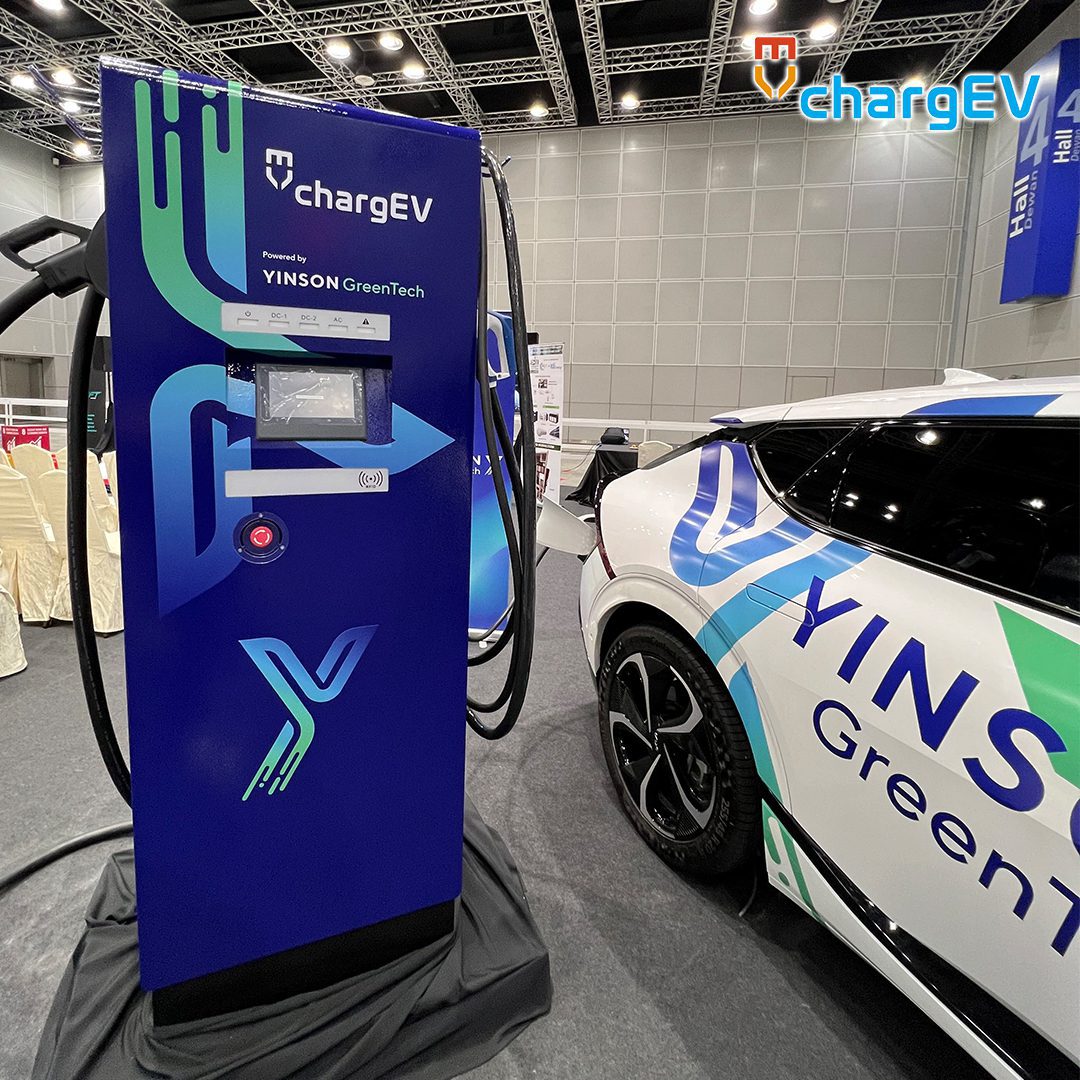
One of Malaysia’s most established charge point operators with over a decade in the market, operating across Malaysia, Singapore, Brunei and Cambodia.
Stations are concentrated at malls, commercial areas and highway rest stops in major cities. The Yearly Essential Plan offers 50% off AC and DC charging plus RM50 in free credits monthly, priced at RM788 per year. Pay-per-use rates are displayed per station in the chargEV app. Use the chargEV app to locate stations and start sessions.
It is one of the more recognised EV chargers in Malaysia, frequently used by drivers travelling between major cities.
Gentari
Petronas’ EV charging arm operating over 540 stations across Malaysia including Sabah and Sarawak.
AC charging at 7kW stations is priced at RM1.00 per kWh. AC at 11kW to 22kW runs at RM1.15 per kWh. DC fast chargers along major highways including the North-South Expressway and LPT are priced at RM1.70 per kWh. From 30 March 2026, idle fees apply at all Gentari stations to prevent charger hogging, excluding hotel and resort locations.
Note: the annual Power Pass subscription was discontinued as of January 2026, replaced by the one-time Power Pass Lite at RM250 for three months. Use the Gentari Go app to check real-time availability and pricing before arrival.
It is a widely used name among EV chargers in Malaysia, known for supporting longer intercity journeys.

Shell Recharge
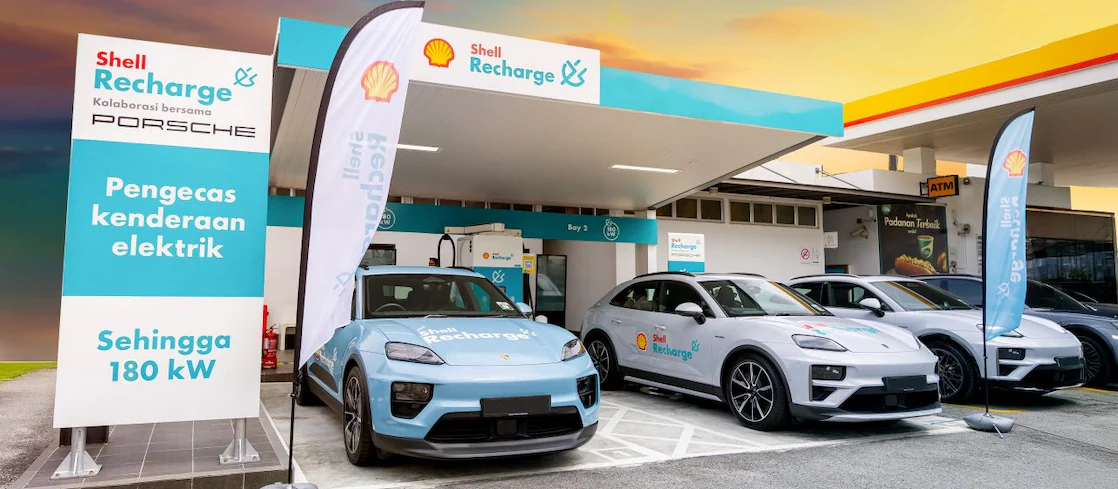
Positioned at Shell petrol stations nationwide, making it the most instinctively locatable network for drivers already familiar with Shell forecourts.
Over 200 charging locations across West Malaysia. Shell Recharge is currently the most expensive charge point operator in Peninsular Malaysia, with DC charging running up to RM2.80 per kWh and AC charging at RM1.30 per kWh.
The Genting Hub location supports up to 360kW DC charging, the highest available at any Shell Recharge site. Sessions are managed through the Shell Recharge app. Factor the price premium into your route planning on longer drives.
What to Know Before You Buy an EV in Malaysia
Install a Home Charger
If your property allows it, install a home wallbox before or at the point of purchase. Professional installation costs between RM2,000 and RM6,000 depending on wiring complexity. A tax relief of RM2,500 is available for EV charger purchase and installation, extended to the 2027 assessment year.
Overnight home charging is significantly cheaper than relying on public DC fast chargers for daily use.
Map Your Routes Before Committing
Before buying, confirm the network has stations along the routes you actually drive. Interstate travel is now viable along major corridors including Kuala Lumpur to Kota Bharu, Penang to Kota Bharu, and Kuching to Miri, but coverage outside major urban centres is still uneven.
Move Your Car When Charging Is Done
Idle fees are now standard across most networks. Gentari charges idle fees at all stations from March 2026. Shell Recharge charges RM8.00 every 15 minutes after a grace period. Move your vehicle once charging is complete, particularly at busy highway locations.
Download EV Charging Apps
The essential apps are JomCharge, chargEV, Gentari Go and Shell Recharge. Download and set up payment methods before your first trip, not at the charging station.

Future of EV in Malaysia
Malaysia’s target of 10,000 public charge points by end-2025 was not met, with 5,360 licensed as of November 2025. The revised AC charger target is now 8,000 units by Q3 2026.
The DC fast charger rollout has exceeded its own targets, and providers like Gentari, JomCharge and chargEV are deploying fast chargers along key highways and into secondary towns at a pace that is making range anxiety increasingly manageable.
The infrastructure is not complete. It is however moving in one direction.
Frequently Asked Questions on EV chargers in Malaysia
Which is the best EV charger network in Malaysia?
JomCharge has the widest coverage nationally. chargEV has strong presence in major cities and across borders. Gentari is the strongest along major highways. Shell Recharge is the most convenient for drivers near Shell stations but is the most expensive option.
The best network depends on where you drive most regularly.
How much does EV charging cost in Malaysia in 2026?
AC charging runs between RM0.60 and RM1.15 per kWh. DC fast charging ranges from RM1.20 to RM2.80 per kWh depending on the operator.
Shell Recharge is the most expensive. Gentari and JomCharge are mid-range. Always check pricing in the app before starting a session.
How long does it take to charge an EV in Malaysia?
A DC fast charger brings a battery to 80% in approximately 30 to 45 minutes. A Level 2 home wallbox adds around 30km per hour and fully charges most EVs in 6 to 12 hours overnight.
Are there EV chargers on Malaysian highways?
Yes. JomCharge, Gentari and Shell Recharge all have stations at highway rest stops. Coverage is strongest along the North-South Expressway and LPT corridors.
Do I need a membership to use EV chargers in Malaysia?
No. All major networks support pay-per-use without membership. Membership plans reduce per-kWh rates and are worth considering if you charge publicly more than once or twice a week.
What apps do I need for EV charging in Malaysia?
JomCharge, chargEV, Gentari Go and Shell Recharge. Download and register payment details before your first trip.
Can EVs travel interstate in Malaysia?
Yes. Routes including Kuala Lumpur to Kota Bharu, Penang to Kota Bharu and Kuching to Miri are now viable thanks to DC fast charger deployment along these corridors. Plan charging stops in advance using the relevant network apps.
Get the good stuff first. Join Rolling Grace for the restaurants worth crossing a city for, the stays worth the upgrade, and the places to go before everyone else. Free, straight to your inbox.
Leave a Reply