Kampung Bagan Hailam in Port Klang is one of the few places in the Klang Valley where you can eat grilled crab over a river, walk through a village built on stilts ten metres above the water, and be back in Kuala Lumpur before midnight.
Read also: 5 Best Malay Restaurants in Klang, Selangor Worth the Trip

History of Kampung Bagan Hailam
Founded by Hainanese Immigrants
Kampung Bagan Hailam, known locally as Hailam Choon or Hainanese Village in Hokkien, was founded by Hainanese immigrants who arrived in Malaya during the mass migration of the 19th and early 20th centuries.
The name Bagan Hailam translates simply as Hainanese Landing, a reference to the community that built it and the riverbank they built it on. The village is located at the North Port of Klang, along the banks of the Klang River overlooking the estuary.


From Tin Mining to Fishing Village
The village’s economic identity has shifted dramatically across a century. During the colonial era, the broader Klang region was one of Malaysia’s most productive tin-mining areas. Between the 1960s and 1990s, the area was home to the world’s largest tin dredger, and the Chinese population of surrounding villages reportedly reached between 7,000 and 10,000 residents at its peak.
As tin mining declined, Bagan Hailam transitioned into a fishing community. Today, only around 400 villagers remain, and while a handful of families still fish daily, the village is now better known for its seafood restaurants than its catch.

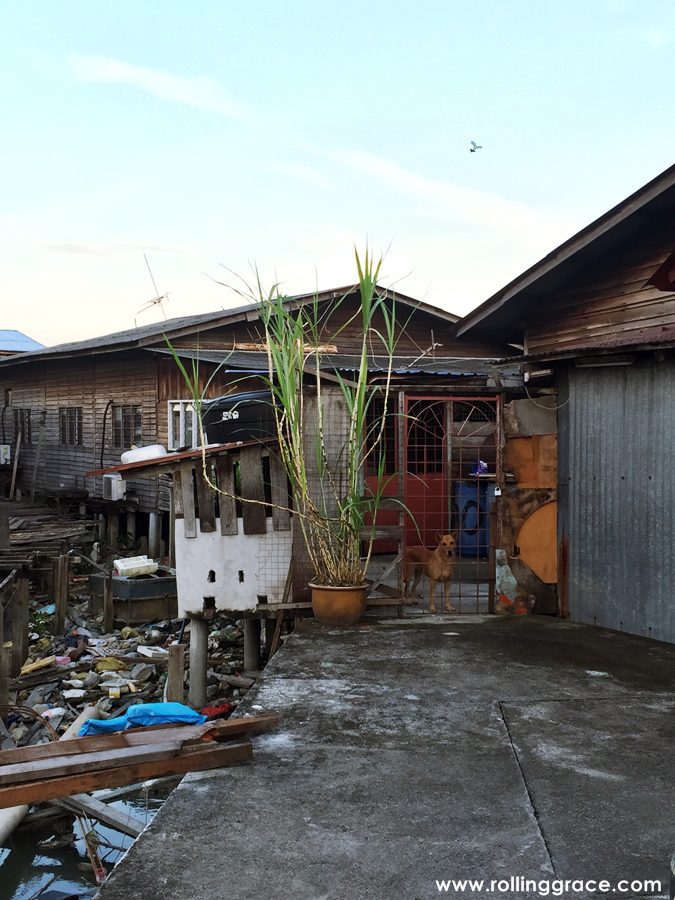
Century-Old Village Frozen in Time
The wooden stilt houses that define Bagan Hailam were not preserved for tourism. They simply were not replaced. Buildings stand on stilts up to ten metres above the water, connected by concrete walkways and wooden planks worn smooth by decades of use.
The village is approximately 1.5 kilometres long and sits on a peninsula rather than a true island, accessible entirely by road without a boat transfer. The young have largely left for Kuala Lumpur and beyond. The elderly have stayed.
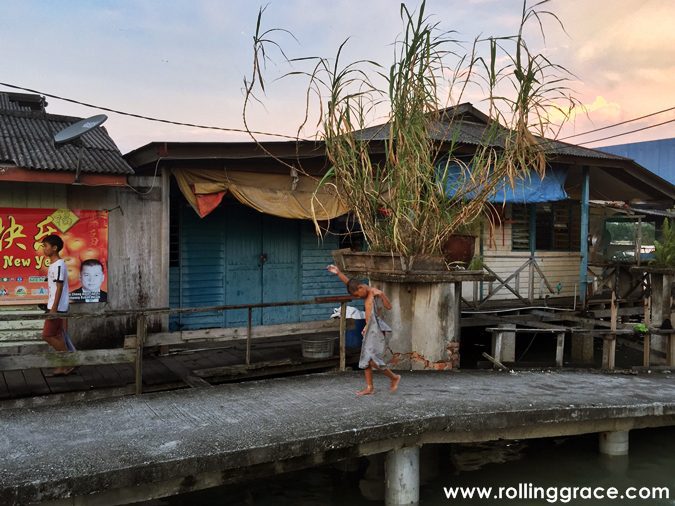
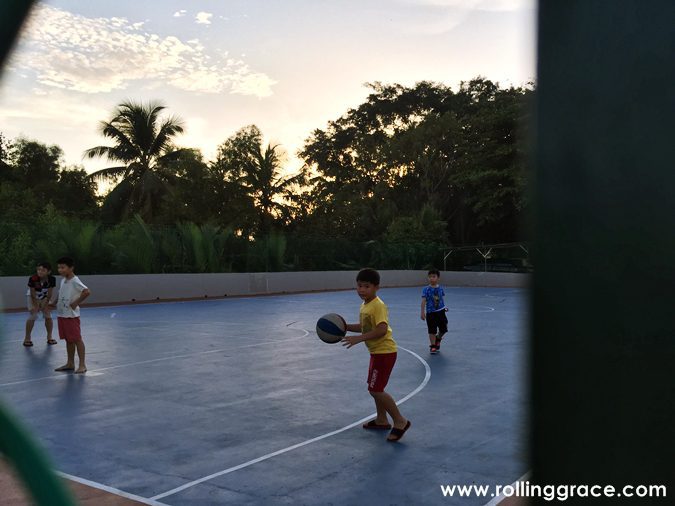

What Kampung Bagan Hailam Looks Like Today
Stilt Houses and Narrow Alleys
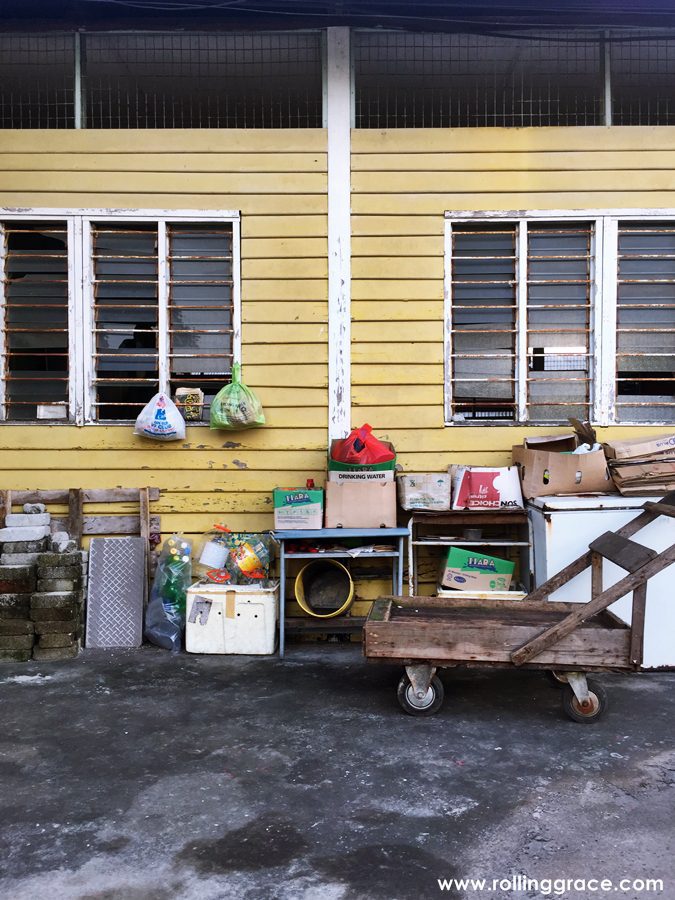
The architecture is the first thing that registers. Wooden houses rise on stilts above the mudflats of the Klang River, their facades darkened by coastal humidity, their interiors glimpsed through open doorways as you pass. Narrow alleyways run between them, wide enough for two people side by side and no more. Stray dogs move through the lanes with the confidence of residents, which in every practical sense they are.
Chinese temple decorations, red lanterns and ancestral shrines appear throughout, a visible map of the community’s Hainanese identity.
River Pollution
The creeks running beneath and between the stilt houses carry both the beauty and the problem of Bagan Hailam in the same frame. The water view is striking, particularly at sunset. The water quality is not.
Visible rubbish collects along the creek edges and beneath the walkways. Residents have made efforts over the years to improve the condition of the village, and the main areas are noticeably better maintained than they once were, but the pollution is still there.
It does not define the place, but it is part of an honest account of it.

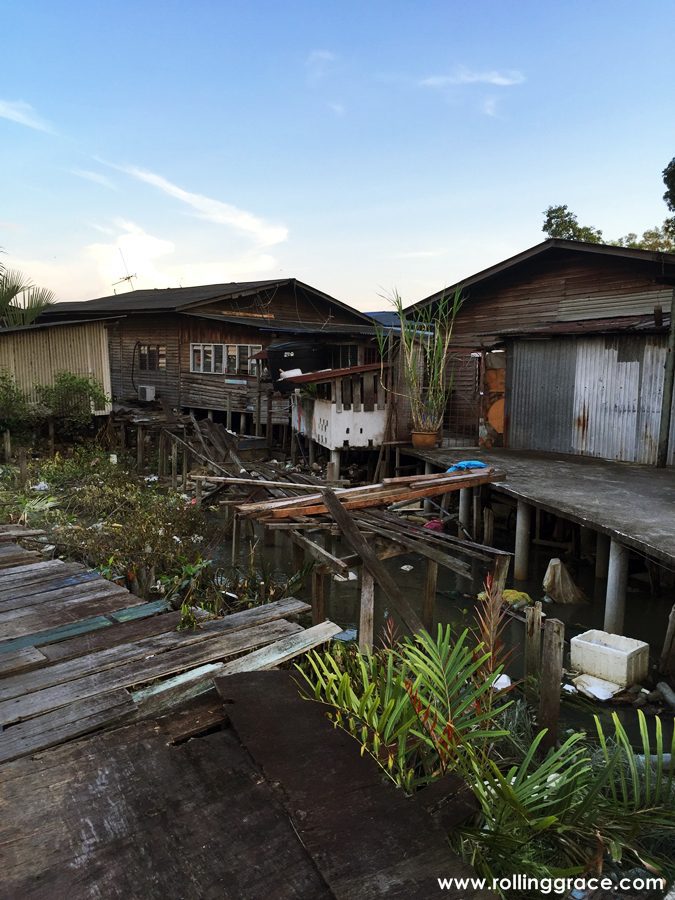
A Film Location in Plain Sight
Bagan Hailam has been used as a location for Malaysian film productions, chosen precisely because it looks like a version of Malaysia that no longer exists anywhere else near Kuala Lumpur.
The wooden houses, the riverine setting and the absence of modern infrastructure make it a convincing stand-in for village scenes set in earlier decades.
What to Do at Bagan Hailam Klang
Walk the Village Before Sunset
Arrive in the early evening, around 5pm, before the light drops. The best version of Bagan Hailam is the one seen from inside the alleyways, not from a car window. Walk slowly. The village is small enough that you will have covered the main areas in under an hour.
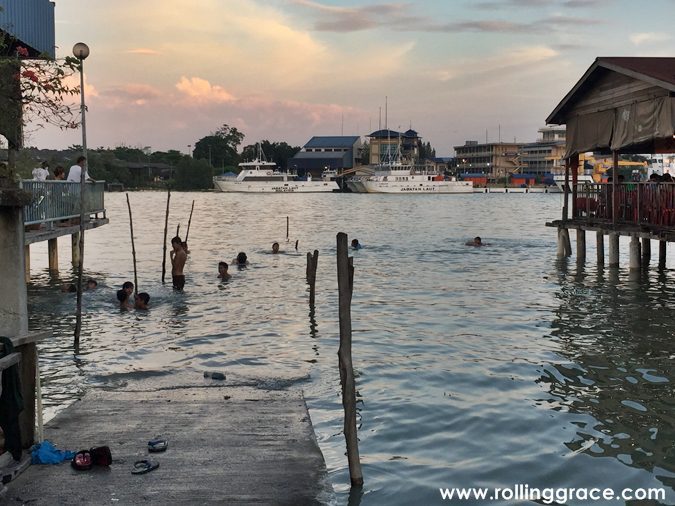
The jetty at the edge of the village is where families gather in the early evening, children in the water, adults on the floating platforms, everything turned gold by the hour before sunset.

Visit the Temple of the Nine Emperors
The Temple of the Nine Emperors is a riverside Chinese temple that becomes one of the most visually striking sights in the area when the tide is high and the building appears to float.
During festival periods, particularly the Nine Emperor Gods Festival celebrated over nine days in October, the temple is decorated with lanterns and lion dances are performed along the waterfront.
Visiting during this period is the most immersive time to see the village’s Hainanese cultural identity on full display.

Eat Seafood at the River Restaurants
The restaurants at Bagan Hailam are not destination dining in the conventional sense. They are open-air, river-facing, and serving food that has not been adjusted for outside audiences.
The seafood is fresh because the fishermen are neighbours. This is the primary reason most visitors come, and it is worth coming for.
Stop at Esplanade Tanjung Harapan
A short drive from Bagan Hailam, Tanjung Harapan is a waterfront esplanade with seafood restaurants, a replica Bugis schooner that has become a popular photography backdrop, and a recreational park for fishing. It extends the evening naturally if you want to walk off dinner along the coast.
What to Eat at Bagan Hailam
Hainanese Grilled Crab
The dish Bagan Hailam is known for. Mud crab, barbecued with soy sauce and minimal seasoning, served with the shell cracked open at the table. The restraint in the preparation is deliberate: the point is the freshness of the crab, not what is done to it.
FK Hailam Seafood Restaurant at No. 77 Jalan Bagan Hailam is the most consistently recommended option, open daily except Mondays from 10am to 2.30pm and 5pm to 10pm.
Hailam Noodles
A Hainanese noodle dish specific to this community, distinct from the more commonly known Hainanese chicken rice. The noodles are prepared simply and served with a broth that carries the flavour depth of a kitchen that has been cooking the same dish for decades. Order it as a starter before the seafood arrives.
Lala Fried Bee Hoon
Thin rice vermicelli wok-fried with lala clams, the shells still on, the clam meat pulled open by the heat of the wok. The version here carries the flavour of the river in the best possible sense. It is a consistent recommendation across reviews of every restaurant in the village.
Butter Mantis Prawn
Mantis prawns, crumbed and fried in a butter sauce that stays on the right side of the line between rich and overwhelming. The texture is firm, the flavour is clean, and the portion sizes at Bagan Hailam restaurants tend to be more generous than city equivalents at a lower price point.
Kam Heong Crab
Crab cooked in a thick, dark, mildly spiced sauce built on dried shrimp, curry leaves, garlic and oyster sauce. A different profile from the grilled version and worth ordering alongside it for comparison. The sauce is the kind that makes plain white rice essential.
How to Get to Kampung Bagan Hailam
By Car
The most practical option. Bagan Hailam is approximately 53 kilometres from central Kuala Lumpur, roughly 45 to 50 minutes by car via the New Klang Valley Expressway (NKVE) or the Federal Highway.
Set your GPS to Jalan Bagan Hailam, Port Klang. The road into the village passes through an industrial area with heavy vehicle traffic. This is normal. Follow it through.
By Public Transport
Take the KTM Komuter Port Klang Line to Pelabuhan Klang station, the final stop on the line. From there, a Grab or taxi to Jalan Bagan Hailam takes approximately ten minutes. There is no direct bus service into the village.
Parking
Parking is available along Jalan Bagan Hailam. Arrive early evening on weekdays to find space easily. Weekend evenings are busier, particularly when the seafood restaurants are full.

Best Time to Visit Kampung Bagan Hailam
Early evening, between 5pm and 7pm, is the most rewarding time. The light is good for the village and the jetty. The restaurants open for dinner service. The heat of the afternoon has dropped. If you plan to eat, aim to be seated by 6.30pm on weekends, as the better-known restaurants fill quickly without reservations.
The Nine Emperor Gods Festival in October is the best time to visit if you want to see the village at its most culturally active. Lion dances, lantern lighting and temple ceremonies run across nine days.
Tips for Visitors
Is Bagan Hailam the same as Pulau Ketam?
No. Pulau Ketam is an island accessible only by ferry from Port Klang and is better known internationally. Bagan Hailam is accessible by road, smaller, and receives significantly fewer visitors. The stilt house architecture is similar but Bagan Hailam is quieter and less developed for tourism.
Is the food at Bagan Hailam halal?
The seafood restaurants at Bagan Hailam are Chinese-operated and non-halal. This is consistent across the village.
Is there an entrance fee to Bagan Hailam?
No. The village is open to visitors at no charge.
How long should you spend there?
Two to three hours covers a walk through the village, a visit to the jetty, and a full seafood dinner. Combine it with a stop at Tanjung Harapan Esplanade for a complete evening.
Frequently Asked Questions on Bagan Hailam
What is Kampung Bagan Hailam known for?
Kampung Bagan Hailam Klang is known for its century-old Hainanese stilt village architecture, fresh seafood restaurants, and Hainanese grilled crab. It is one of the few remaining traditional Chinese fishing villages accessible by road near Kuala Lumpur.
How do I get to Kampung Bagan Hailam from Kuala Lumpur?
By car via the NKVE or Federal Highway, approximately 45 to 50 minutes from central Kuala Lumpur. By public transport, take the KTM Komuter to Pelabuhan Klang station and a Grab from there.
What is the best restaurant in Bagan Hailam?
HK Hailam Seafood Restaurant at No. 77 Jalan Bagan Hailam is the most consistently recommended. Bagan Hailam Seafood Restaurant at No. 56 is the other long-standing option. Both are open for dinner daily except Mondays.
What should I eat at Bagan Hailam?
The Hainanese grilled crab is the signature dish. Order alongside lala fried bee hoon, Hailam noodles, and butter mantis prawn for a full table.
Is Bagan Hailam worth visiting?
Yes, particularly for the combination of accessible village heritage and fresh seafood at prices well below what equivalent quality would cost in Kuala Lumpur.
When is the best time to visit Bagan Hailam?
Early evening on weekdays for the sunset and a relaxed dinner. The Nine Emperor Gods Festival in October for cultural celebrations. Avoid peak weekend dinner hours unless you have a reservation.
This guide is compiled from a first-hand visit to Bagan Hailam, cross-referenced with verified local sources
Get the good stuff first. Join Rolling Grace for the restaurants worth crossing a city for, the stays worth the upgrade, and the places to go before everyone else. Free, straight to your inbox.
Leave a Reply