The difference between good hummus and forgettable hummus comes down to one thing: texture. Good hummus is smooth enough to swirl, light enough to scoop without resistance, and rich enough that you stop reaching for the flatbread only because the bowl is empty. Store-bought versions rarely get there. Homemade hummus, with the right method, gets there every time.
This hummus recipe uses six core ingredients, takes about 15 minutes of active preparation (longer if you cook dried chickpeas from scratch), and produces a result that is noticeably better than anything from a supermarket shelf.
The method matters more than the ingredients, and the single biggest improvement you can make is in how you blend.
Read also: Easy Chapati Recipe: Soft Indian Flatbread in 25 Minutes
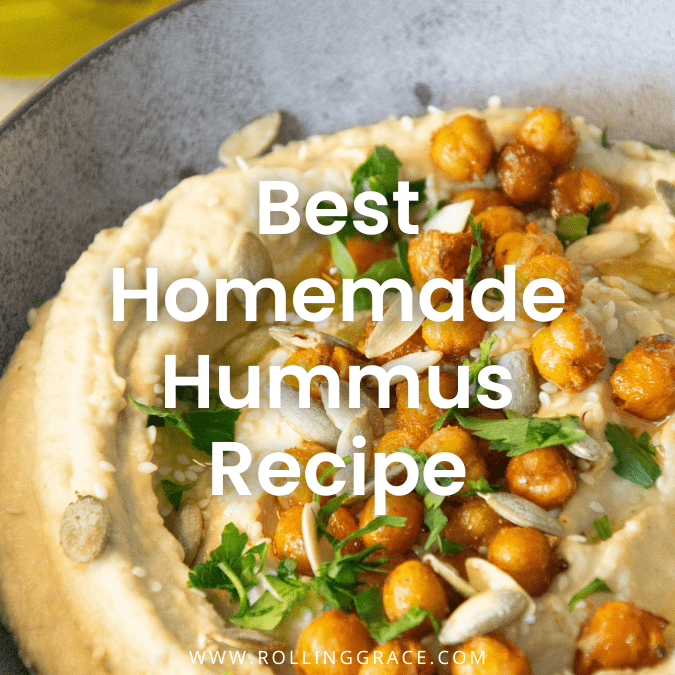
What Is Hummus?
Hummus is a dip or spread made from cooked chickpeas blended with tahini (sesame seed paste), fresh lemon juice, garlic, olive oil, and salt. The word “hummus” is simply the Arabic word for chickpeas.
History of Hummus Across the Levant
Hummus is one of the most widely shared dishes across the eastern Mediterranean and the Middle East. Its exact origins are unknown, but the earliest known written references to dishes resembling hummus appear in 13th-century cookbooks from Syria and Egypt. Today, countries across the Levant, including Lebanon, Palestine, Syria, Jordan, Israel, and Turkey, all consider hummus part of their culinary identity, and each brings its own variations:
- In Lebanon, hummus is often finished with sumac and served as part of a mezze spread.
- Palestinian hummus is typically topped with mint, parsley, and paprika, and served warm with bread.
- In Jordan, hummus is sometimes eaten as a main dish, with yoghurt occasionally replacing tahini.
- In Israel, hummus is deeply embedded in daily food culture, with dedicated hummusiyot (hummus restaurants) found across the country. The Israeli variant msabaha features a looser texture with whole chickpeas folded in and a lemon-heavy tahini sauce.
- In Turkey, hummus is often served warm as a meze with butter instead of olive oil and sometimes topped with pastirma (cured beef).
- In Syria, it is commonly paired with falafel and tabbouleh.
The dish belongs to no single country. It is a shared culinary heritage across the region, shaped by centuries of trade, migration, and family kitchens on every side of every border.
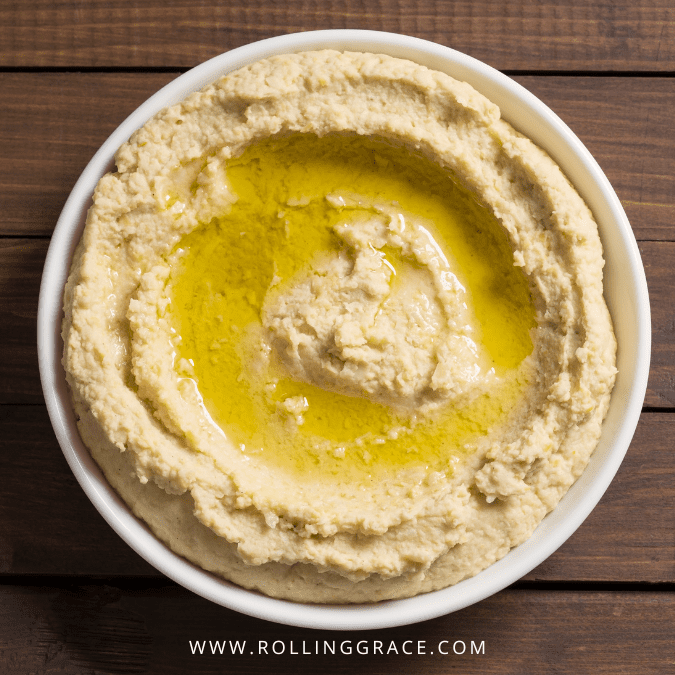
Why Homemade Hummus Is Worth Making
Store-bought hummus often contains soybean oil, preservatives, and stabilisers that affect both the flavour and the texture. Homemade hummus uses traditional olive oil, fresh lemon juice, and real tahini, which gives it a nuttier, brighter, and significantly creamier result.
Once you have the ingredients in your kitchen, a batch takes less time than a trip to the supermarket.


Ingredients
This hummus recipe makes roughly 2 cups.
- Preparation time: 15 minutes (plus overnight soaking if using dried chickpeas)
- Cooking time: None (if using canned) / 1 to 2 hours (if cooking dried chickpeas)
- Difficulty: Easy
What You Need
- 1 can (400g) chickpeas, or 1 cup dried chickpeas cooked from scratch.
- 1/3 cup tahini (well stirred).
- 3 tablespoons fresh lemon juice (roughly 1 large lemon).
- 1 small clove garlic, minced.
- 1/2 teaspoon salt.
- 1/2 teaspoon ground cumin (optional).
- 2 tablespoons extra virgin olive oil, plus extra for serving.
- 2 to 4 tablespoons cold water or reserved chickpea cooking liquid (aquafaba).
- Paprika and fresh parsley for garnish.
A Note on Chickpeas
Canned chickpeas are convenient and produce good results. For the best texture and flavour, cook dried chickpeas from scratch. Soak them overnight in plenty of water, then drain, cover with fresh water, and simmer until they are very soft and almost falling apart (roughly 1 to 2 hours).
Adding half a teaspoon of baking soda to the cooking water helps break down the skins and produces a smoother final result. Reserve half a cup of the cooking liquid before draining.
A Note on Tahini
The quality of your tahini directly affects the flavour of your hummus. Look for tahini made from 100% sesame seeds with no added oils. Stir it thoroughly before measuring, as the oil separates in the jar.

How to Make Hummus: Step by Step
Step 1: Prepare the Chickpeas
If using canned chickpeas, drain and rinse them. For an even smoother result, simmer the drained canned chickpeas in a pot of water for 15 to 20 minutes until they are very soft, then drain, reserving half a cup of the cooking liquid.
If using dried chickpeas, cook as described above until extremely tender. Reserve half a cup of the cooking liquid (aquafaba) before draining.
Optional: for the smoothest possible hummus, rub the cooked chickpeas gently between your fingers or in a colander to remove the skins. This step is not essential but makes a noticeable difference in texture.

Step 2: Whip the Tahini and Lemon First
This is the step that separates average hummus from great hummus. Add the tahini and lemon juice to a food processor and blend for 1 to 2 minutes until the mixture is lighter in colour, thicker, and whipped.
This aerates the tahini and creates the creamy base that gives hummus its characteristic lightness.
Step 3: Add the Remaining Ingredients
Add the garlic, salt, cumin (if using), and olive oil. Blend briefly to combine. Then add the chickpeas in two batches, processing the first batch for a full minute before adding the rest. This ensures even blending and a smoother result.
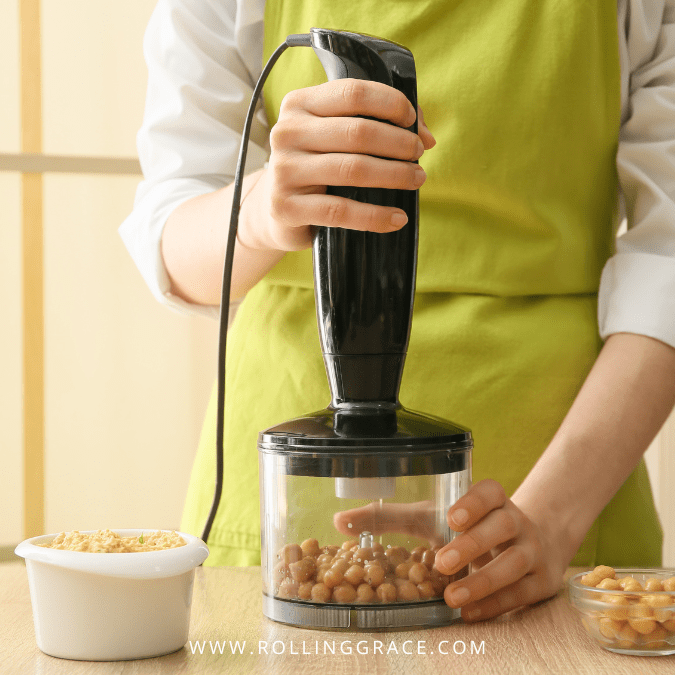
Step 4: Blend Until Smooth
Let the food processor run for 2 to 3 minutes. While it is running, drizzle in cold water or the reserved cooking liquid, one tablespoon at a time, until the hummus reaches a smooth, creamy consistency.
The hummus should be light and pliable, holding its shape when you drag a spoon through it but soft enough to swirl.
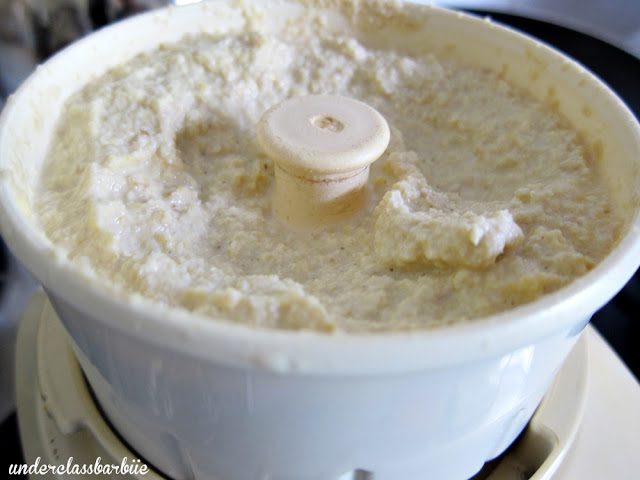
Step 5: Taste and Adjust
Taste the hummus and adjust the salt, lemon, or garlic to your preference. If it is too thick, add another splash of water and blend again. If it tastes flat, a pinch more salt or a squeeze more lemon will usually fix it.
Step 6: Serve
Transfer the hummus to a shallow bowl or plate. Use the back of a spoon to create a shallow well in the centre. Drizzle generously with olive oil, dust with paprika or sumac, and garnish with fresh parsley and a few whole chickpeas if you like. Serve at room temperature with warm flatbread, pita chips, or raw vegetables.
Tips for the Best Hummus Every Time
- Whip the tahini first. Blending the tahini and lemon juice before adding anything else is the single most important technique. It transforms the texture from dense and heavy to light and creamy.
- Use cold water or aquafaba. Adding cold liquid while the processor runs creates an almost whipped consistency. Aquafaba (the cooking liquid from the chickpeas) works even better than plain water because of its natural starchiness.
- Cook your chickpeas until they are very soft. This applies to both canned and dried. Undercooked chickpeas produce grainy hummus. If using canned, simmer them for 15 to 20 minutes before blending.
- Do not skimp on tahini. Tahini is what gives hummus its depth and richness. A third of a cup is the minimum for this hummus recipe. More tahini produces a richer, nuttier result.
- Use fresh lemon juice. Bottled lemon juice tastes flat and slightly metallic. One large lemon yields roughly 3 tablespoons of juice, which is enough for this hummus recipe.
- Garlic: raw or roasted. Raw garlic gives a sharp, peppery bite. Roasting the garlic first mellows it into something sweeter and more caramelised. Both work. If you find raw garlic too aggressive, soak the minced clove in the lemon juice for 10 minutes before adding it to the processor. This takes the edge off without losing the flavour.
Health Benefits of Hummus
Chickpeas are high in dietary fibre and plant-based protein, with a single cup providing roughly 15 grams of protein and 12 grams of fibre. They are also a good source of iron, vitamin B6, folate, and manganese.
Tahini adds healthy fats from sesame seeds, and olive oil contributes monounsaturated fats linked to heart health.
Hummus is naturally gluten-free and vegan, making it one of the more nutrient-dense snacks you can prepare at home.
What to Serve with Hummus
- Classic pairings: Warm pita bread, flatbread, or lavash. Tortilla chips, crackers, or crudités (carrot sticks, cucumber, celery, bell pepper strips).
- As part of a mezze: Serve alongside baba ghanoush, tabbouleh, falafel, pickled vegetables, and olives for a full Middle Eastern spread.
- As a spread: Use in wraps, sandwiches, or grain bowls in place of mayonnaise or butter.
- As a base: Spoon hummus onto a plate, top with roasted vegetables, grilled chicken, or spiced lamb, and drizzle with tahini sauce for a complete meal.

Delicious Hummus Recipe Variations
- Roasted red pepper hummus. Blend in 3/4 cup roasted red peppers (from a jar, drained) with the chickpeas. A pinch of smoked paprika finishes it well.
- Roasted garlic hummus. Replace the raw garlic with 3 to 4 cloves of roasted garlic for a sweeter, mellower flavour.
- Herb hummus. Blend in 3/4 cup of loosely packed fresh herbs (parsley, coriander, or basil) for a green, herbaceous variation.
- Spiced hummus. Add 1/2 teaspoon of smoked paprika, a pinch of cayenne, or a tablespoon of harissa paste for heat.
How to Store Hummus
Homemade hummus keeps in the fridge for up to 5 days in an airtight container. Add the olive oil and lemon juice garnish fresh each time you serve, not before storing, to keep the flavours bright. If the hummus thickens in the fridge, stir in a tablespoon of water before serving to loosen it back up.
Hummus can also be frozen for up to one month; thaw overnight in the fridge and stir well before serving.
Frequently Asked Questions About Hummus Recipe
Can I make hummus without tahini?
You can, but it will not taste like traditional hummus. Tahini provides the nutty richness that defines the flavour. If you cannot find tahini, a tablespoon of sesame oil blended with a tablespoon of natural peanut butter is the closest substitute, though the result will be different.
Do I need to peel the chickpeas?
No. Peeling produces a marginally smoother hummus, but the difference is subtle and the effort is significant. If you cook the chickpeas until very soft and blend thoroughly, peeling is unnecessary.
Can I use dried chickpeas instead of canned?
Yes, and the result will be better. For this hummus recipe, soak dried chickpeas overnight, cook until very soft (1 to 2 hours with half a teaspoon of baking soda in the water), and reserve the cooking liquid for blending. The flavour is more nuanced and the texture is creamier.
Why is my hummus grainy?
The chickpeas were not soft enough before blending, or the hummus was not blended long enough. Cook the chickpeas until they are almost falling apart, and let the food processor run for a full 2 to 3 minutes.
Is hummus healthy?
Yes. Hummus is high in plant-based protein and fibre, contains healthy fats from tahini and olive oil, and is naturally gluten-free and vegan. It is calorie-dense (roughly 170 calories per 1/3 cup), so portion awareness matters if you are watching intake, but the nutritional profile is strong in this hummus recipe.
This hummus recipe has been tested multiple times in a home kitchen using both canned and dried chickpeas, with all tips verified through preparation.
Get the good stuff first. Join Rolling Grace for the restaurants worth crossing a city for, the stays worth the upgrade, and the places to go before everyone else. Free, straight to your inbox.
Leave a Reply