
Two tablespoons. That is all it takes.
Roughly 11 grams of fibre, 4 grams of protein, and a generous dose of omega-3 fatty acids, all packed into seeds small enough to lose between your floorboards.
The problem most people run into is not buying chia seeds. It is figuring out what to do with them once the bag is open. If your current routine stops at sprinkling a teaspoon over juice, here are eight ways to eat chia seeds that will actually make you reach for them daily.
Read also: Mussels in Fragrant Thai Broth: Easy Seafood Recipe
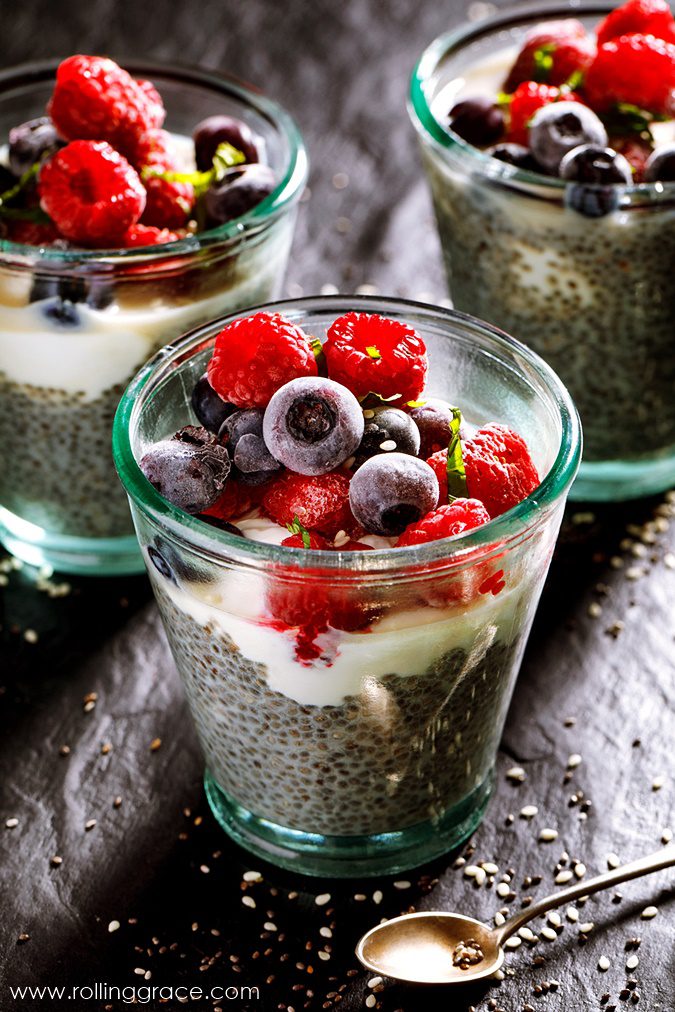
Chia Pudding
This is the gateway recipe, and for good reason. Chia seeds are highly absorbent and clump together when soaked in liquid, which makes them a natural base for puddings that need no cooking at all.
The method is simple. Combine two tablespoons of chia seeds with half a cup of milk (dairy, oat, almond, or coconut all work) in a jar or airtight container. Stir well, wait five minutes, then stir again to break up any clumps. Seal the jar and refrigerate overnight, or for at least four hours. By morning, the mixture will have thickened into a creamy, pudding-like consistency.
Top with sliced fruit, a drizzle of honey or maple syrup, and a dusting of cinnamon or cacao powder. The beauty of chia pudding is that it keeps in the fridge for up to five days, which makes it ideal for meal prepping breakfasts in advance.
Adjust the seed-to-liquid ratio depending on how thick you like it: more seeds for a denser pudding, more liquid for something looser and spoonable. It is one of the ways to eat chia seeds for a simple daily routine.
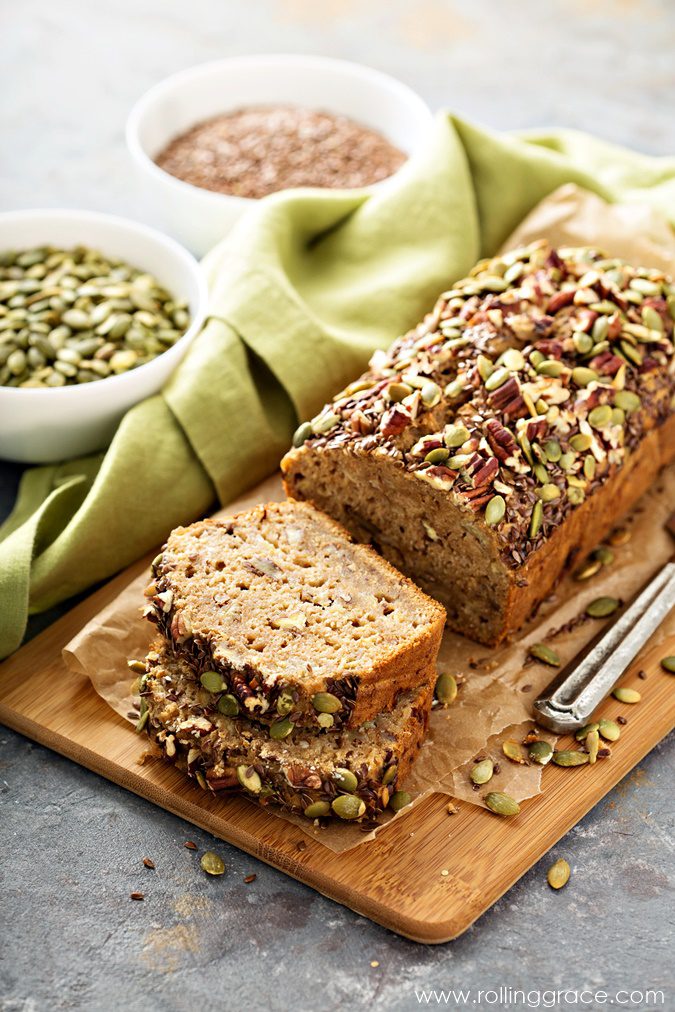
Seed-Loaded Bread
The next time you bake bread at home, fold a few tablespoons of chia seeds into the dough before it goes into the oven. They add a light crunch to every slice without altering the flavour, and they boost the fibre and protein content of what would otherwise be a fairly simple loaf.
Chia seed bread is good on its own, better with butter, and excellent as the base for avocado toast with a fried egg on top. For a properly nourishing loaf, combine chia seeds with sunflower seeds, pumpkin seeds, sesame seeds, and a scattering of poppy seeds. The result is a dense, textured bread that holds up well toasted and keeps for several days in a bread bin or wrapped in a tea towel.
If you are not a baker, you can achieve a similar effect by pressing chia seeds onto the surface of shop-bought dough rolls before baking. The seeds toast lightly in the oven and add a pleasant bite. It is often included in lists of ways to eat chia seeds.
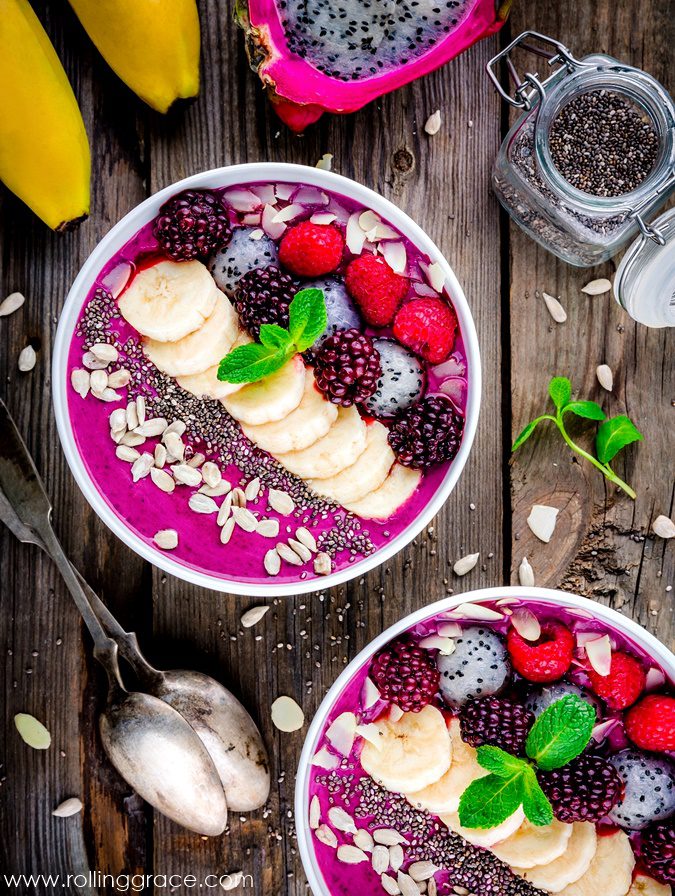
Smoothie Bowls
A smoothie bowl is just a thicker, more substantial version of a regular smoothie, served in a bowl and eaten with a spoon rather than through a straw. Adding chia seeds to the blend gives the base extra body and a noticeable nutritional lift.
Blend your choice of frozen fruit (banana, mango, and mixed berries all work well) with a splash of milk and a tablespoon of chia seeds until thick. Pour the mixture into a bowl and top with more fresh fruit, a sprinkle of granola, a few whole chia seeds, and a drizzle of nut butter if you want the extra protein. The texture should be thick enough to hold the toppings in place rather than letting them sink.
For a smoother finish, soak the chia seeds in the milk for 10 minutes before blending. This gives the seeds time to form their gel, which creates a creamier base without any grittiness. It is one of the ways to eat chia seeds for a quick meal.
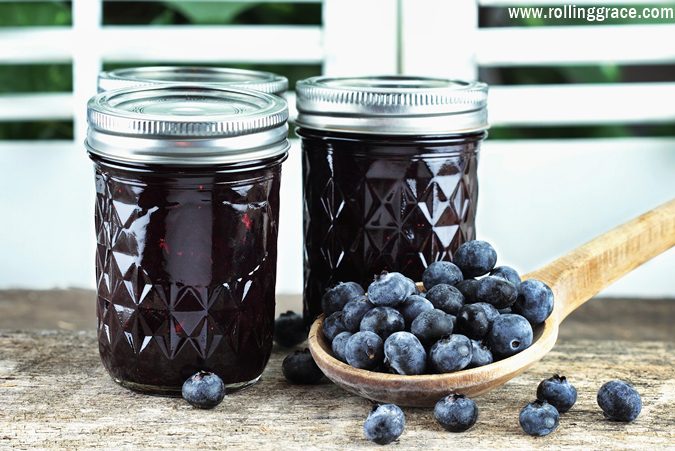
Homemade Chia Seed Jam
Commercial jams tend to be loaded with refined sugar and processed ingredients. Chia seed jam is a cleaner alternative that takes about 15 minutes to make at home and keeps in the fridge for up to two weeks.
Cook your choice of fruit (strawberries, blueberries, raspberries, or peaches all work well) in a saucepan over medium heat. Mash the fruit with a fork or potato masher as it softens until you reach a chunky texture. Stir frequently and let it bubble for five to eight minutes. Remove from the heat, stir in two tablespoons of chia seeds, and let the mixture cool. As it cools, the chia seeds absorb the fruit juices and thicken the jam naturally, without the need for pectin.
The fruit provides enough natural sweetness on its own, so added sugar is not necessary. Spoon the finished jam into a clean jar and seal. Use it on toast, swirl it through yoghurt, or layer it into overnight oats. It continues to be one of the popular ways to eat chia seeds.
Muffins and Baked Goods
Chia seeds work as both a textural addition and an egg substitute in baking, which makes them especially useful for anyone following a vegan or egg-free diet.
To make a chia egg, mix one tablespoon of ground chia seeds with three tablespoons of water. Let the mixture sit for five minutes until it thickens into a gel with a consistency similar to a beaten egg. Use this in place of one egg in muffin, pancake, or quick bread recipes. The chia egg binds the batter and adds moisture without changing the flavour.
If you prefer the crunch, fold whole chia seeds directly into your muffin batter alongside blueberries, banana, or dark chocolate chips. You can also press them onto the top of muffins before baking for a seeded crust that turns golden in the oven.
The fibre content helps keep you full for longer, which makes a chia-loaded muffin a far more satisfying mid-morning snack than the sugar-heavy versions you find at most bakeries and cafes. It is among the ways to eat chia seeds for a healthy diet.
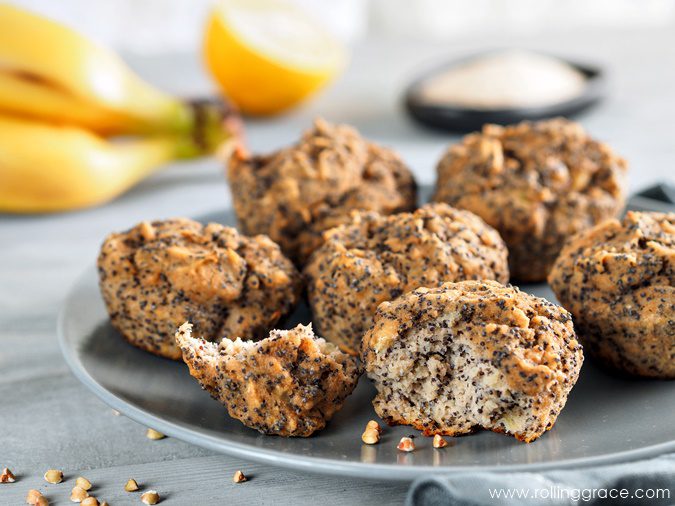
No-Bake Energy Balls
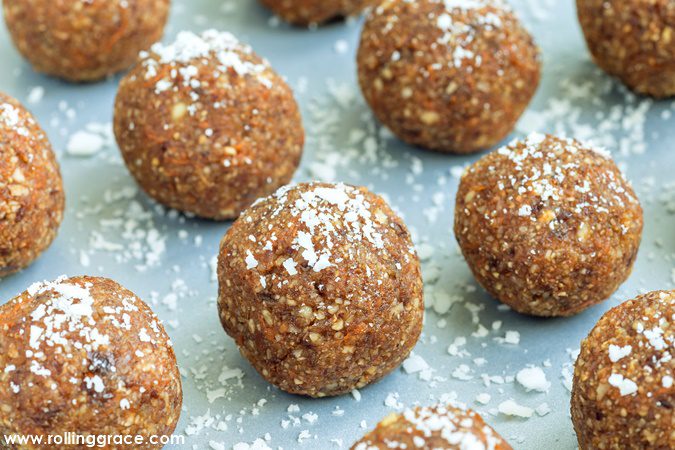
These are the ultimate desk snack: portable, protein-dense, and sweet enough to kill a sugar craving without derailing your afternoon. Most energy ball recipes do not require an oven, which means you can make a batch in under 15 minutes.
Combine rolled oats, chia seeds, peanut butter (or almond butter), and honey in a mixing bowl. Stir until a thick, slightly sticky dough forms. If the mixture is too dry, add a little more nut butter. If too wet, add more oats. Roll the dough into bite-sized balls, roughly the diameter of a golf ball, and place them on a lined tray. Refrigerate for at least 30 minutes until firm.
You can customise these endlessly. Add desiccated coconut, dark chocolate chips, a pinch of sea salt, vanilla extract, or a tablespoon of cacao powder. Store them in an airtight container in the fridge for up to a week. They also freeze well if you want to make a larger batch. It is one of the ways to eat chia seeds that requires minimal preparation.
Homemade Seed Crackers
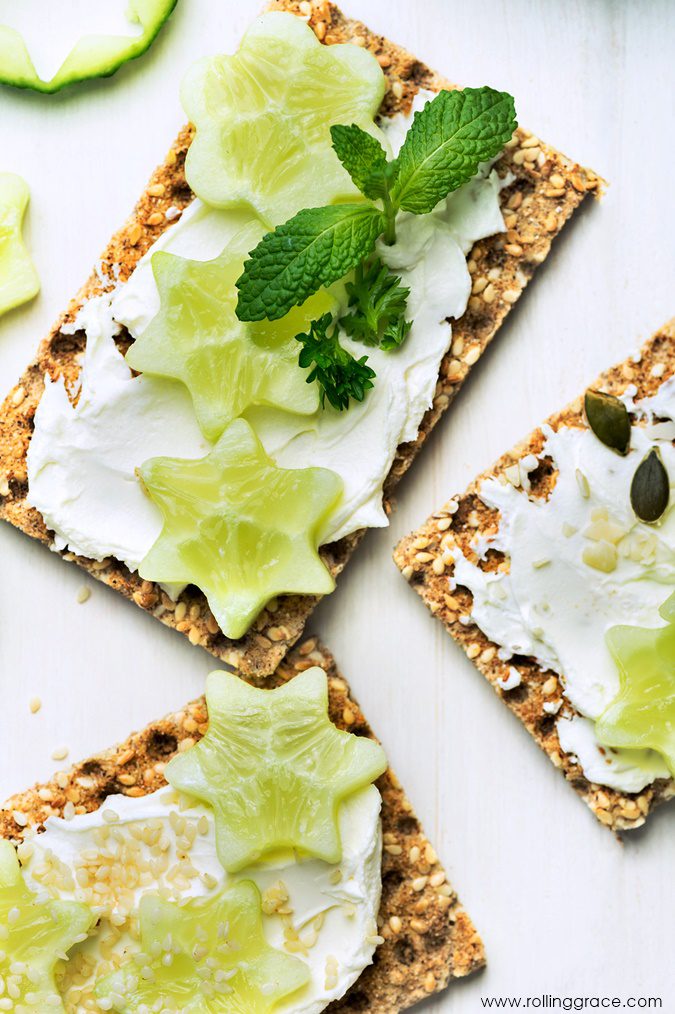
Two ingredients, no fuss. Combine chia seeds with your choice of additional seeds (flax, sesame, sunflower, or pumpkin) and enough water to bind them into a spreadable mixture. Let the seeds absorb the water for about 10 minutes until the mixture becomes sticky and cohesive.
Spread the mixture as thinly and evenly as possible onto a baking sheet lined with parchment paper. Bake at 160°C (320°F) for 30 to 40 minutes, flipping halfway through, until the crackers are dry and crisp with a golden colour. Break them into irregular shards or score them into neat rectangles before baking if you prefer uniform pieces.
For extra flavour, mix in dried herbs like rosemary or thyme, a pinch of smoked paprika, garlic powder, or a generous crack of black pepper. These crackers are gluten-free, low in calories, and surprisingly addictive. Pair them with hummus, labneh, or a soft cheese.
Crispy Coating for Fried or Baked Dishes
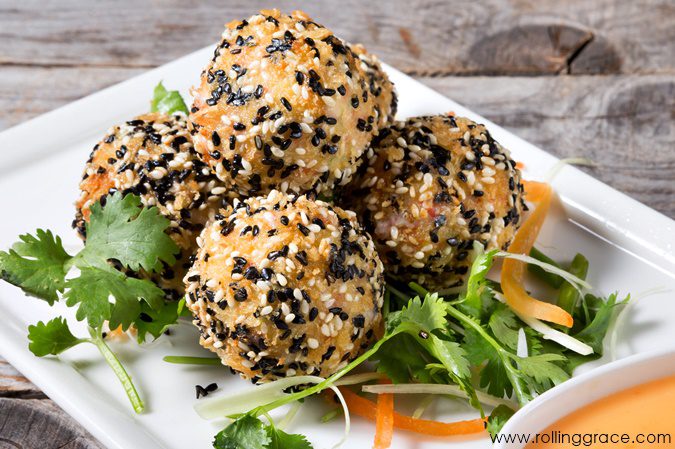
This is where chia seeds move from health food territory into something more interesting. Ground chia seeds mixed with cornmeal, a pinch of turmeric, coriander, and cumin powder make a textured, nutrient-rich coating for chicken, fish, or vegetables. The chia adds crunch and holds the spices in place better than plain flour.
Pat your protein or vegetables dry, dip in beaten egg (or a chia egg, if you want to keep it plant-based), and press into the chia seed coating. Pan-fry in a thin layer of oil until golden and crisp on both sides, or bake at 200°C (390°F) for 20 to 25 minutes, turning once. The coating crisps up well in the oven, which makes this a good option if you want to avoid deep-frying altogether.
This works particularly well with white fish fillets, chicken tenders, and sliced courgette or aubergine. The turmeric and cumin bring warmth without heat, and the chia seeds add a subtle nuttiness that plain breadcrumbs cannot match. It is one of the ways to eat chia seeds for everyday use.
What Are Chia Seeds Good For?
Chia seeds are one of the most nutrient-dense foods you can add to your kitchen, and their benefits go well beyond the health food hype.
- High in fibre. Two tablespoons contain around 11 grams of dietary fibre, nearly a third of the recommended daily intake, which supports digestion and helps keep you full between meals.
- Rich in omega-3 fatty acids. Chia seeds are one of the best plant-based sources of alpha-linolenic acid (ALA), a type of omega-3 linked to reduced inflammation and improved heart health.
- Complete protein source. They contain all nine essential amino acids, making them especially valuable for anyone on a plant-based or vegetarian diet.
- Packed with antioxidants. The antioxidants in chia seeds help protect cells from free radical damage and may reduce the risk of chronic disease over time.
- Good source of calcium and minerals. Gram for gram, chia seeds contain more calcium than most dairy products, along with magnesium, phosphorus, and iron.
- Natural egg substitute. When mixed with water, ground chia seeds form a gel that works as a binding agent in baking, which makes them a practical swap for eggs in muffins, pancakes, and quick breads.
- Versatile and flavourless. They take on the taste of whatever they are paired with, which means they can be added to sweet or savoury dishes without altering the flavour.
Chia seeds originated in Central and South America, where the Aztecs and Mayans ate them as a dietary staple for centuries. Today, they are widely available across Asia and increasingly common on supermarket shelves in Malaysia and the rest of the region.
The appeal of chia seeds goes beyond their nutritional profile. They are almost flavourless, which means they absorb whatever you pair them with. They swell to roughly 10 to 12 times their weight in liquid, forming a gel-like texture that works brilliantly as a thickener, binder, or egg substitute. And they require no cooking. You can eat them raw, soaked, ground, or baked into just about anything.
How to Store Chia Seeds
Keep chia seeds in a cool, dry place in an airtight container. They do not need to be refrigerated before opening, but once the bag is open, sealing them properly extends their shelf life to around two years. Chia seeds that smell rancid or taste bitter have gone off and should be discarded.
Ground chia seeds lose their freshness faster than whole seeds. If you grind your own, store the powder in the fridge and use it within a few weeks for the best flavour and nutritional value.
Frequently Asked Questions on Ways to Eat Chia Seeds
Can you eat chia seeds raw?
Yes. Chia seeds can be eaten raw, but soaking them first is generally recommended. Dry chia seeds absorb up to 12 times their weight in liquid, and if eaten in large quantities without enough water, they can cause digestive discomfort. A tablespoon sprinkled over yoghurt or cereal with plenty of liquid is fine. For larger servings, soak them for at least 10 to 15 minutes first.
How many chia seeds should you eat per day?
Two tablespoons (roughly 28 grams) is a commonly recommended daily serving. This provides around 11 grams of fibre, 4 grams of protein, and 5 grams of omega-3 fatty acids. Start with a smaller amount if you are not used to high-fibre foods and increase gradually.
Are chia seeds good for weight loss?
Chia seeds can support weight management because of their high fibre and protein content, both of which help you feel full for longer. However, they are calorie-dense (around 140 calories per two tablespoons), so portion control matters. They work best as part of a balanced diet, not as a standalone solution.
Can chia seeds replace eggs in baking?
Yes. One tablespoon of ground chia seeds mixed with three tablespoons of water creates a gel that functions as a binding agent in most baking recipes. It works well in muffins, pancakes, and quick breads. The texture differs slightly from a real egg, so expect a marginally denser crumb.
Do chia seeds need to be ground to absorb nutrients?
No. Unlike flax seeds, which need to be ground for the body to access their nutrients, chia seeds can be digested and absorbed whole. Grinding them makes the nutrients more immediately available, but it is not strictly necessary.
Sustainable Chia Seeds Sourcing
Chia seeds are now widely available at most supermarkets and health food stores across Malaysia, including chains like Jaya Grocer, Village Grocer, and Ben’s Independent Grocer.
They are also stocked at most organic shops and available online through platforms like Shopee and Lazada. Look for seeds that are certified organic where possible, and check the packaging date to ensure freshness.
This guide is based on personal kitchen testing and ongoing use of chia seeds across multiple recipes, with nutritional details cross-referenced against published data from Harvard Health and peer-reviewed sources.
Get the good stuff first. Join Rolling Grace for the restaurants worth crossing a city for, the stays worth the upgrade, and the places to go before everyone else. Free, straight to your inbox.
Leave a Reply