Knowing how to be an ethical traveller takes more than good intentions; it comes down to the specific choices you make around wildlife, local culture, shopping, and the waste you leave behind.
Travelling ethically is not about limiting where you go or what you do; it is about making deliberate choices that leave the places you visit in the same condition you found them, or better. These five steps cover the situations most travellers encounter, from wildlife attractions to souvenir shopping.
Read also: Overcoming Travel Anxiety: 5 Tips for a Stress-Free Journey
Avoid Animal Rides and Exploitative Wildlife Attractions
The elephant ride, the tiger selfie, the dolphin show. These are among the most widely marketed wildlife experiences in Asia, and they are among the most damaging. The animals involved are not willing participants.
Elephants used for rides are broken through a training process that involves confinement and physical force. Tigers posed with tourists are typically sedated. Dolphins kept for shows live in conditions that bear no resemblance to their natural environment.
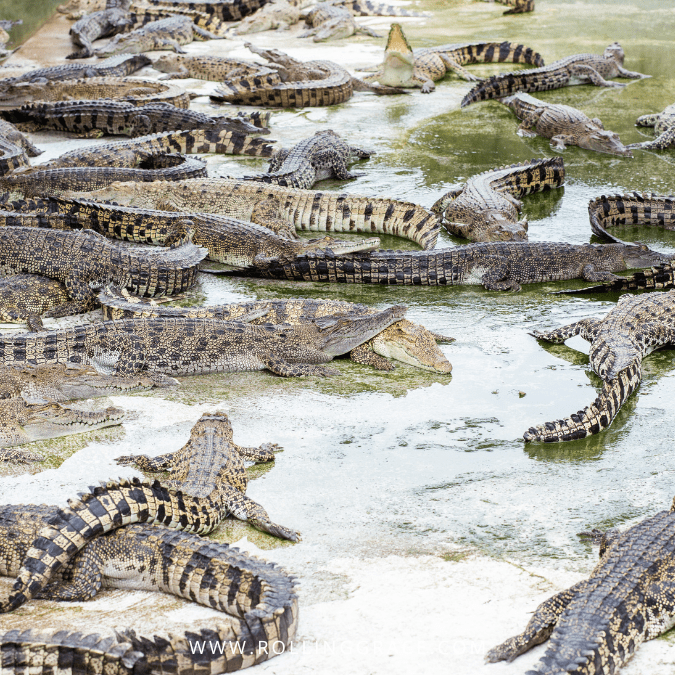
The full list of attractions worth avoiding is longer than most travellers expect: walking with lions, bear parks, monkey shows, cobra kissing, civet cat coffee plantations, crocodile farming, bullfighting, horse-drawn carriage rides in hot climates, ostrich riding, fish pedicures, holding sea turtles, and swimming with captive dolphins.
Understanding how to be an ethical traveller starts here. The pattern across all of these attractions is the same. An animal is removed from its natural context, conditioned through stress or force, and presented as entertainment. The experience lasts minutes for the tourist and a lifetime for the animal.
Sanctuaries and conservation-based wildlife tours are the more credible alternative. A well-run sanctuary lets you observe animals behaving naturally, contributes directly to species preservation, and supports local communities built around ethical wildlife management. The experience is consistently more interesting than watching a performing animal, and it holds up under scrutiny.
Respect Religious Sites
Religion organises daily life across much of Asia in ways that are not always immediately visible to visitors. Temples, mosques, churches, and stupas are active places of worship, not set pieces for travel photography. The people using them are not part of your itinerary.
The basics of how to be an ethical traveller apply everywhere: cover to the elbows and knees as a minimum, remove shoes when asked, silence your phone before entering, and keep conversation low. Photography restrictions vary by site; when in doubt, ask before raising your camera. Many Buddhist temples prohibit photography inside the main hall entirely, a rule that is frequently ignored by tourists and consistently noticed by the people praying there.
Covering up and following local protocols is not an imposition. It is the entry fee for being welcome.



Respect the Host
Dressing appropriately at religious sites is the minimum when it comes to learning how to be an ethical traveller. Respecting the host extends further than that, into how you carry yourself in markets, at meals, in conversation, and in the spaces between tourist attractions.
Local people may dress or behave in ways that appear to contradict their own cultural norms. That flexibility belongs to them, earned through a lifetime of navigating their own society. It does not automatically extend to visitors. A local woman in Bali wearing a tank top is not an invitation for a foreign visitor to do the same at a temple ceremony. Context matters, and reading it correctly is a basic travel skill.
Buy from local vendors where you can. Eat at local restaurants rather than international chains. Learn a few words of the local language. These are small adjustments that shift the dynamic of a visit from extraction to exchange.
Be a Conscious Shopper
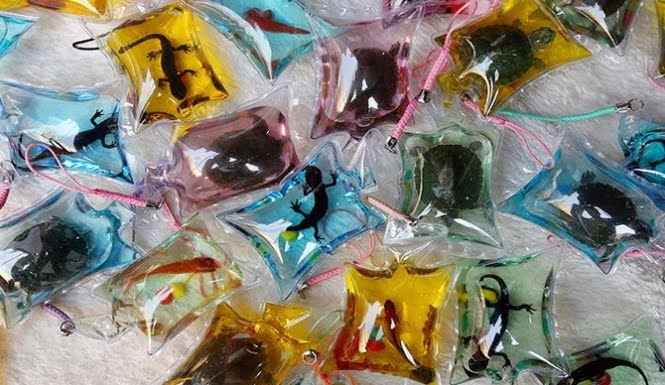
Souvenirs are where ethical travel becomes concrete. In markets across Southeast Asia, you will encounter keychains with live animals sealed inside plastic, products made from protected species, leather goods from farms with no welfare standards, and coral or shell items pulled from protected reefs.
The rule is straightforward: know what you are buying and where it comes from. If you cannot get a clear answer, do not buy it. Handmade textiles, locally produced food items, and craft work from artisan cooperatives are the more reliable options. They put money directly into the hands of the people who made them and are not built on the suffering of anything else.
Do Not Litter
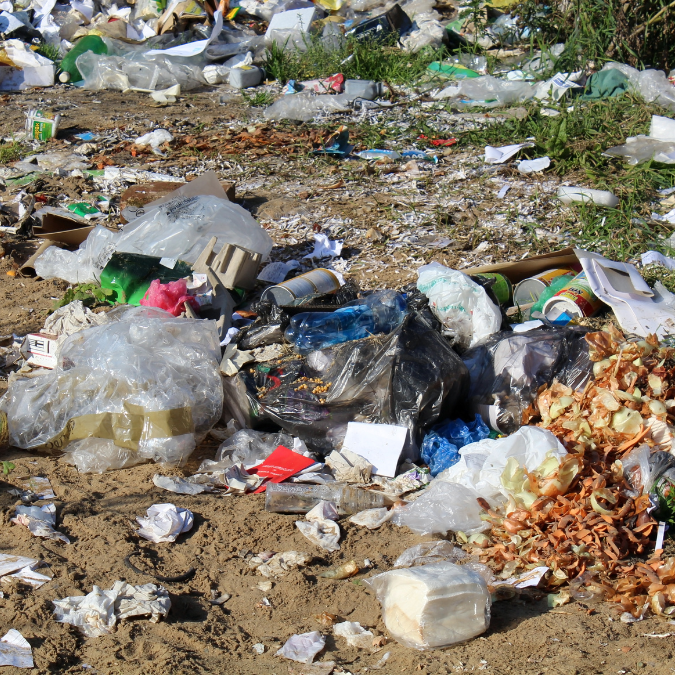
This one requires the least explanation and is violated the most consistently. Carry your rubbish until you find a bin. In places without reliable waste collection, that might mean carrying it for a while. Do it anyway.
The beaches, forests, temples, and streets that make destinations worth visiting are degraded by accumulated litter faster than most travellers register. A single visit by a single person produces a small amount of waste. Multiply that across the number of visitors a popular destination receives in a year and the arithmetic becomes obvious.
Singapore enforces litter fines rigorously. Most places do not. The absence of enforcement is not an invitation.
Frequently Asked Questions on How to Be an Ethical Traveller
- What does it mean to be an ethical traveller? It means making deliberate choices that protect the welfare of animals, respect local cultures and religious practices, support local economies, and minimise your environmental impact. It applies at every stage of a trip, from the accommodation you book to what you do with your rubbish.
- Which animal tourist attractions should I avoid? Elephant rides, tiger selfies, dolphin shows, walking with lions, bear parks, monkey shows, civet cat coffee plantations, crocodile farms, cobra kissing, ostrich riding, fish pedicures, and any attraction involving direct handling of wild animals.
- How do I find ethical wildlife experiences? Look for sanctuaries and conservation organisations that are transparent about their funding, animal welfare standards, and conservation outcomes. Reputable operations do not allow riding, direct physical contact with predators, or performances. They also do not breed animals for tourist interaction.
- Is it rude to photograph people without asking? Yes, in most cultural contexts. Ask first. Many people are happy to be photographed when asked directly; far fewer are comfortable being photographed without their knowledge. In certain religious and cultural settings, photography of people is considered deeply disrespectful.
- How can I shop ethically while travelling? Buy directly from the maker where possible. Avoid products made from animals, coral, or protected natural materials. Ask where something comes from and how it was made. If the answer is vague, look elsewhere.
For more on sustainable and responsible travel across Asia, visit our Malaysia Travel Guide.
Get the good stuff first. Join Rolling Grace for the restaurants worth crossing a city for, the stays worth the upgrade, and the places to go before everyone else. Free, straight to your inbox.
Leave a Reply