Travelling somewhere new can feel thrilling and unnerving all at once. The thought of unfamiliar streets, languages, and faces can easily turn excitement into anxiety. Yet the beauty of travel lies in stepping through that discomfort. Each new place has something to teach you, from the rhythm of its markets to the warmth of its people, if only you allow yourself to experience it fully.
The key to overcoming travel anxiety is preparation and presence. Learn a few local phrases, understand the culture, and plan your routes so you feel more grounded when you arrive.
Keep your packing simple, travel with intention, and give yourself time to adapt. Confidence builds naturally when curiosity takes the lead, and soon the world feels far less intimidating than you imagined.
Read also: The Devastating Impact of Sea Pollution in Thailand in 2026
Table of Contents
Who Is Affected by Travel Anxiety?
Travel anxiety affects roughly 25% of people, cutting across age groups, backgrounds and demographics. It is slightly more prevalent among women, with around 28% reporting moderate to severe levels compared to 22% of men, and tends to peak in late teens and early twenties, where prevalence reaches approximately 30% before gradually declining to around 20% for those in their 40s and 50s.
Rates also vary by region. Some Asian countries report lower figures of around 18 to 22%, while certain European nations reach up to 30%. The true extent is likely underreported, as social stigma and limited awareness prevent many from seeking help or acknowledging the condition at all.
Definition of Travel Anxiety
Travel anxiety is a type of anxiety disorder that involves intense fear or worry about various aspects of traveling. It can manifest as a general sense of unease or dread leading up to a trip, or it may involve specific phobias related to modes of transportation, unfamiliar environments, or being away from home. Common symptoms of travel anxiety include:
- Excessive worrying or rumination about potential travel mishaps
- Panic attacks or intense feelings of anxiety when thinking about or preparing for a trip
- Physical symptoms such as sweating, trembling, nausea, or rapid heartbeat
- Avoidance or procrastination of travel planning or activities
Travel anxiety can stem from various factors, including:
- Fear of flying or other modes of transportation
- Concerns about safety or security in unfamiliar destinations
- Worries about language barriers or cultural differences
- Anxiety about being away from familiar surroundings and routines
- Past traumatic experiences related to travel or specific phobias
While some level of apprehension before a trip is normal, travel anxiety becomes problematic when it significantly impairs one’s ability to function or enjoy the travel experience. It’s important to recognise and overcome travel anxiety to ensure a more enjoyable and stress-free journey.
Impacts of Travel Anxiety
Travel anxiety can quietly shape more than just a single journey. Left unchecked, it seeps into daily life, affecting mental health, relationships, and the simple joy of discovery. The constant anticipation of what could go wrong often overshadows the beauty of what might go right.
When fear begins to dictate travel choices, opportunities for growth and connection start to fade. Trips are postponed, experiences missed, and horizons narrowed. Yet once recognised, travel anxiety can be managed. With intention, preparation, and self-awareness, every journey becomes less about fear and more about rediscovering the world and yourself – with calm curiosity.
Causes of Travel Anxiety
Travel anxiety often begins with the fear of the unknown. Unfamiliar surroundings, language barriers, and cultural differences can easily heighten unease, especially when stepping far outside one’s comfort zone. Worries about getting lost, missing connections, or handling unexpected situations can build into overwhelming tension long before the journey begins.
Past experiences also play a role. A previous trip gone wrong, a negative encounter abroad, or even distressing travel stories in the media can leave lasting impressions that shape future fears. For those already managing anxiety or panic disorders, the disruption of routine and unpredictability of travel may further intensify these feelings.
A fear of losing control or safety is another common trigger. Concerns about emergencies, health risks, or being without familiar support can make travellers feel vulnerable. In some cases, specific phobias such as fear of flying, claustrophobia, or agoraphobia add an extra layer of distress. Physical conditions like motion sickness or respiratory issues may also heighten worry, turning anticipation into apprehension.
Understanding these root causes is the first step towards managing them. By identifying what triggers your anxiety, you can prepare intentionally and travel with greater calm and confidence.
Overcoming Fear of Flying
For many travellers, the fear of flying can be a significant source of anxiety. This phobia, known as aviophobia, can stem from various factors, including a fear of heights, claustrophobia, or a perceived lack of control. However, with the right strategies and techniques, it is possible to manage and overcome this anxiety.
- Understand the Fear: The first step in overcoming a fear of flying is to understand its root cause. Some people may fear turbulence or the idea of being confined in a small space, while others may worry about the possibility of a crash or terrorist attack. By identifying the specific triggers of your anxiety, you can better address them.
- Educate Yourself: Knowledge is power when it comes to overcoming fears. Learn about the mechanics of flight, the safety measures in place, and the statistics that demonstrate the incredible safety record of modern aviation. Understanding the science and technology behind air travel can help alleviate irrational fears.
- Practice Deep Breathing Exercises: Deep breathing is a powerful tool for calming the mind and body. During a flight, take slow, deep breaths, inhaling through your nose and exhaling through your mouth. This can help reduce feelings of panic or anxiety.
- Distract Yourself: Engage in activities that divert your attention from the fear. Listen to music, read a book, or watch a movie during the flight. Bringing along familiar items or engaging in a hobby can also provide comfort and distraction.
- Seek Professional Help: If your fear of flying is severe and persistent, consider seeking professional help from a therapist or counsellor. Cognitive-behavioural therapy (CBT) and exposure therapy can be effective in treating aviophobia by helping you identify and change negative thought patterns and gradually expose you to the source of your fear in a controlled environment.
- Consider Medication: In some cases, your healthcare provider may recommend anti-anxiety medication or a mild sedative to help you manage your fear during a flight. However, it’s essential to discuss the potential side effects and risks with your doctor.
Remember, overcoming a fear of flying takes time and patience. Be kind to yourself and celebrate small victories along the way. With the right strategies and support, you can conquer your anxiety and enjoy the freedom of air travel.
Coping With Culture Shock
Entering a new culture can be exciting yet overwhelming, often bringing feelings of confusion or anxiety. Culture shock is natural, but it can be managed with patience and awareness. Begin with an open mind. Embrace differences without judgement, and remember that discomfort is part of learning. Learn about local customs and etiquette before your trip, and pick up a few phrases in the local language to ease communication and connection.
Create familiar routines to bring balance. Exercise, journal, or practise a hobby that centres you. At the same time, immerse yourself in the culture: attend events, taste local dishes, and engage with the community to find belonging. Practise self-care through rest, hydration, and mindfulness. If feelings of unease persist, reach out to fellow travellers, expat circles, or professionals for support.
Culture shock is temporary. With openness and curiosity, it becomes a path to deeper understanding, resilience, and genuine connection with the world.
Managing Anxiety While Traveling Solo
Travelling alone can feel both exciting and intimidating, especially for those prone to anxiety. To stay grounded, practise mindfulness and focus on your surroundings whenever you feel overwhelmed. Plan your itinerary in advance but leave room for flexibility to ease uncertainty. Connect with locals or fellow travellers to reduce loneliness, and make time for self-care through rest, good food, and relaxation.
Remember, it’s natural to feel anxious when exploring new places alone. Each journey builds confidence and resilience, turning solo travel into a deeply rewarding experience.
Travel Planning to Reduce Anxiety
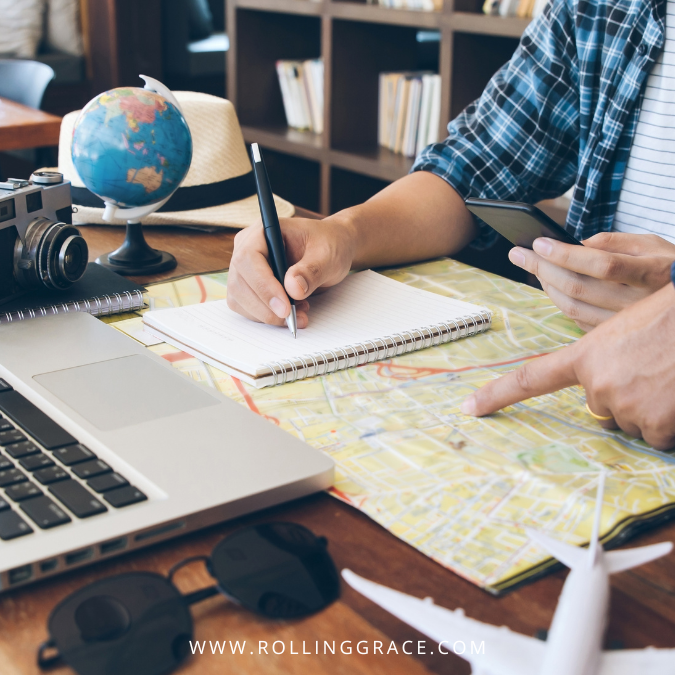
Proper planning and preparation can go a long way in minimising travel anxiety. By addressing potential stressors and uncertainties ahead of time, you can feel more in control and reduce the likelihood of unexpected situations triggering anxiety.
One of the most effective strategies is to research your destination thoroughly. Learn about the local customs, laws, and cultural norms to avoid any inadvertent missteps that could cause discomfort or anxiety. Familiarise yourself with the layout of the city or area you’ll be visiting, and plan your transportation and accommodation in advance.
Creating a detailed itinerary can also help alleviate anxiety. Having a well-thought-out plan for each day can provide a sense of structure and predictability, which can be comforting for those prone to travel anxiety. However, it’s important to strike a balance and leave room for spontaneity and flexibility, as overly rigid schedules can add stress if plans need to change.
Packing strategically is another way to overcome travel anxiety. Make a checklist of essentials, including any necessary medications, and double-check that you have everything before departing. Consider packing a small travel kit with items that can help you feel more comfortable and grounded, such as familiar snacks, a cosy blanket, or a stress ball.
If you’re traveling to a destination with a different language, consider learning some basic phrases or downloading a translation app. Being able to communicate basic needs can significantly reduce anxiety and frustration when navigating unfamiliar environments.
Finally, don’t hesitate to reach out to your hotel, tour operator, or local contacts for assistance or recommendations. Many destinations have resources specifically designed to help travellers feel more comfortable and secure, such as guided tours or local ambassadors who can provide insider tips and support.
By taking the time to plan and prepare, you can minimise the unknowns and potential stressors that can contribute to travel anxiety, allowing you to focus on enjoying your adventure.
Relaxation Techniques for Travellers
While on the road, it’s essential to have a toolkit of relaxation techniques to help manage travel anxiety when it arises. One of the most effective methods is deep breathing exercises, which can be done anywhere and anytime. Inhale slowly through your nose, allowing your belly to expand, and then exhale slowly through pursed lips. Repeat this process for several minutes, focusing solely on your breath.
Meditation is another powerful tool for calming the mind and reducing anxiety. Find a quiet spot, sit or lie down comfortably, and bring your attention to the present moment. You can focus on your breath, a mantra, or a visualisation exercise. Even just 10 minutes of daily meditation can have a significant impact on your overall sense of well-being.
Progressive muscle relaxation is another technique that can help release tension and promote relaxation. Start by tensing and releasing each muscle group, from your toes to your head, allowing your body to sink deeper into a state of calm.
Additionally, consider packing a few personal items that bring you comfort and familiarity, such as a favourite book, a cosy blanket, or a soothing playlist. These small comforts can help ground you and provide a sense of security when anxiety strikes.
Remember, relaxation techniques take practice, so be patient and consistent. With time and dedication, you’ll develop a toolkit of strategies to help you navigate travel anxiety and fully embrace the joys of exploring new destinations.

When to Seek Professional Help
While travel anxiety is common and manageable for many people, there are instances where seeking professional help may be necessary. If your travel anxiety is severe, persistent, and interfering with your ability to function or enjoy your travels, it’s crucial to address it with the help of a mental health professional.
Signs that your travel anxiety may require professional intervention include:
- Panic Attacks: If you experience frequent panic attacks or severe anxiety symptoms such as heart palpitations, shortness of breath, or dizziness, it’s essential to consult a therapist or counsellor.
- Avoidance Behavior: If your travel anxiety leads you to avoid certain destinations, modes of transportation, or travel altogether, it can significantly impact your life and experiences. Professional help can provide coping strategies to overcome this avoidance.
- Obsessive Thoughts and Worries: If you find yourself consumed by intrusive thoughts and worries about potential dangers or worst-case scenarios, to the point where it interferes with your daily life, seeking professional help can be beneficial.
- Disrupted Sleep and Appetite: If your travel anxiety causes significant disruptions in your sleep patterns or appetite, it may be a sign that your anxiety levels are becoming unmanageable.
- Substance Abuse: Some individuals may turn to alcohol or drugs as a means of coping with travel anxiety, which can lead to substance abuse problems. Professional intervention can address both the anxiety and the unhealthy coping mechanisms.
- Suicidal Thoughts or Self-Harm: In severe cases, travel anxiety can contribute to suicidal thoughts or self-harming behaviours. If you experience these, it’s crucial to seek immediate professional help.
If you recognise any of these signs, don’t hesitate to reach out to a licensed therapist, counsellor, or mental health professional. They can provide cognitive-behavioral therapy (CBT), exposure therapy, or recommend appropriate medication if necessary. With the right support, it’s possible to manage travel anxiety and enjoy your adventures to the fullest.
Travel Anxiety in Children
Traveling with children can be an incredible experience, creating lasting memories and broadening their horizons. However, for some kids, the idea of venturing into unfamiliar territory can trigger feelings of anxiety and distress. Travel anxiety in children is a common phenomenon, and it’s crucial for parents to understand and address it effectively.
Children may experience travel anxiety for various reasons, such as separation from familiar surroundings, fear of the unknown, sensory overload, or previous negative experiences. Their anxiety can manifest in different ways, including tantrums, clinginess, sleep disturbances, or physical symptoms like headaches or stomach-aches.
One of the unique challenges of travel anxiety in children is their limited ability to express their emotions and understand the reasons behind their fears. As parents, it’s essential to be patient, validate their feelings, and provide reassurance and support throughout the journey.
Tips for Parents
Prepare them in advance: Involve your children in the travel planning process. Discuss the itinerary, show them pictures of the destination, and explain what to expect. This can help them feel more in control and reduce the fear of the unknown.
- Pack familiar items: Bring along their favourite toys, books, or comfort objects. These familiar items can provide a sense of security and familiarity in new environments.
- Maintain routines: As much as possible, try to stick to your child’s regular routines for meals, naps, and bedtimes. Familiarity can help reduce anxiety and make transitions smoother.
- Use calming techniques: Teach your child deep breathing exercises, visualisation techniques, or simple mindfulness practices to help them cope with anxious moments during the trip.
- Involve them in decision-making: Allow your children to have a say in some aspects of the trip, such as choosing activities or restaurants. This can give them a sense of control and ownership over the experience.
- Be patient and understanding: Travel anxiety is a real and valid experience for children. Avoid dismissing or minimising their fears, and instead, offer empathy and support.
- Seek professional help if needed: If your child’s travel anxiety becomes overwhelming or interferes significantly with their ability to enjoy the trip, consider seeking guidance from a mental health professional who specialises in childhood anxiety.
Remember, every child is unique, and what works for one may not work for another. By being patient, understanding, and proactive, you can help your child navigate travel anxiety and create positive memories that will last a lifetime.
Overcoming Bad Travel Experiences
Having a traumatic or extremely negative experience while traveling can leave a lasting impact and contribute to ongoing travel anxiety. Whether it was a natural disaster, an accident, a serious illness, or even a crime, these events can shake your confidence and make the idea of future trips daunting. However, with the right approach, it is possible to overcome these feelings and regain your sense of wanderlust.
The first step is to process the experience fully. Don’t try to bury or ignore what happened. Speak to a counsellor or join a support group to work through the emotions and trauma in a healthy way. Journaling can also help provide an outlet for your thoughts and feelings.
Once you’ve begun to heal emotionally, take small steps to reintroduce travel into your life. Start with short, local trips to low-risk destinations. As you become more comfortable, gradually increase the distance and complexity of your journeys. Throughout this process, be patient with yourself and avoid setting unrealistic expectations.
It can also be helpful to research destinations thoroughly and develop contingency plans for potential issues. This preparation can provide a sense of control and security. Consider traveling with a trusted friend or family member initially for added support.
Ultimately, the goal is to create new, positive travel memories that can overwrite the negative associations from your previous experience. With time, effort, and professional help if needed, you can absolutely overcome travel anxiety stemming from a bad trip and rediscover the joys of exploring the world.
Resources for Overcoming Travel Anxiety
For those struggling with travel anxiety, there are numerous resources available to provide support, guidance, and coping strategies. Here are some helpful books you can consider:
- “The Anxiety and Worry Workbook” by David A. Clark, Ph.D. and Aaron T. Beck, M.D. – This comprehensive workbook offers practical exercises and techniques for managing anxiety, including travel-related anxiety.
- “The Globetrotter’s Get-Gorgeous Guide” by Dina Falconi and Eila Mell – Written by seasoned travellers, this book offers beauty and wellness tips for looking and feeling your best while on the road.
- “Anxiety-Free Travel” by Matthew Hoyt – Specifically addressing travel anxiety, this book provides practical strategies for overcoming fears and enjoying your journey.
Get the good stuff first. Join Rolling Grace for the restaurants worth crossing a city for, the stays worth the upgrade, and the places to go before everyone else. Free, straight to your inbox.
Leave a Reply