Malaysia dresses in layers that most first-time visitors do not expect. Glass towers and colonial shophouses occupy the same street, a mosque and a Hindu temple often share the same neighbourhood, and the dress code shifts accordingly. What works at a rooftop bar in KLCC will not work at the entrance to a mosque in Kota Bharu, and what feels modest in Penang’s heritage lanes may be overdressed on the beaches of Langkawi.
This guide breaks down what to wear in Malaysia by location, so you can pack with intention and move through the country without second-guessing yourself at the door.
Read also: Overcoming Travel Anxiety: 5 Tips for a Stress-Free Journey
Table of Contents
Packing Tips for Malaysia Travel
Malaysia rewards travellers who come prepared, and preparation here has less to do with overpacking and more to do with knowing what earns its place in the bag. A few additions make a significant difference on the ground, where the gap between a beach town and a royal mosque can be a single bus ride, and where the weather will make its own plans regardless of yours.
• Bring a lightweight scarf or pashmina. It doubles as a cover-up at mosques and temples and a layer in heavily air-conditioned malls and restaurants.
• Choose breathable fabrics. Cotton, linen and bamboo move well in Malaysia’s humidity and dry faster after a sudden downpour.
• Pack a compact umbrella. Rain in Malaysia arrives without warning and rarely waits for you to find shelter.
Capitals and Cities in Malaysia
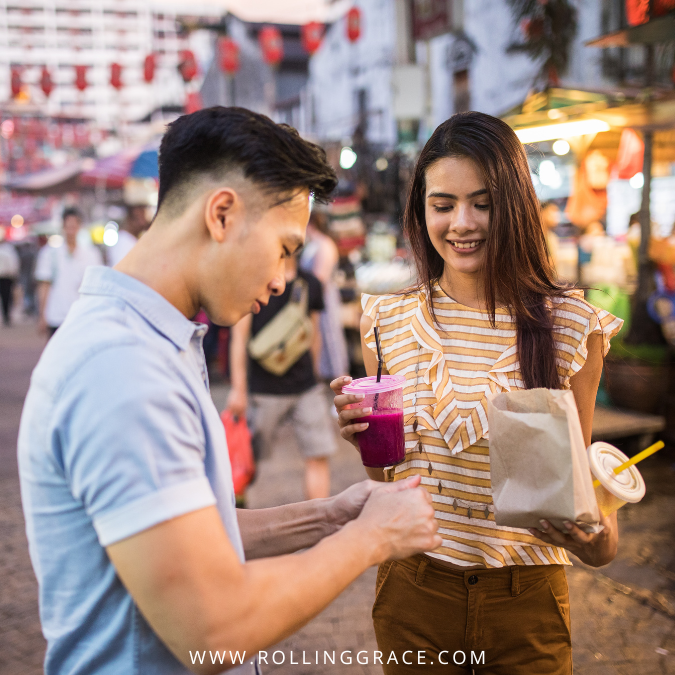
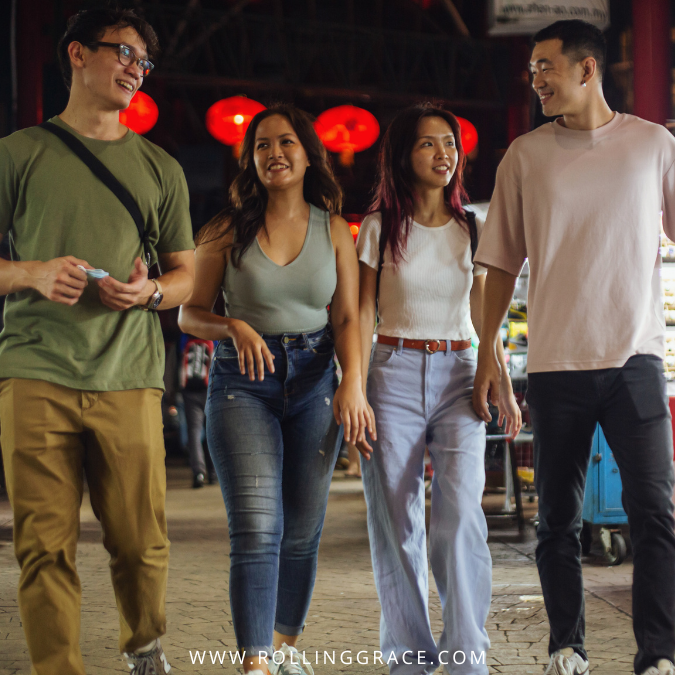
Kuala Lumpur, Penang and Johor Bahru sit at the more relaxed end of Malaysia’s dress code spectrum, but relaxed does not mean anything goes. Smart casual in breathable fabrics is the practical standard for getting around comfortably in the heat while remaining appropriately dressed across most settings.
Women do well in sleeved blouses, midi dresses, linen trousers or coordinated sets. Sleeveless tops are generally acceptable in urban areas, though a light shawl is worth keeping on hand for air-conditioned interiors or an unplanned stop at a temple or government building. Men can keep it straightforward with polo shirts or neat tees paired with chinos or tailored shorts. Singlets are beach and poolside only.
In cities, what to wear in Malaysia leans towards casual outfits suited for warm weather.
Kuala Lumpur
In fashion-forward districts like Bukit Bintang, you will find bold styles and trendy boutiques, but modest dressing continues to earn respectful smiles. Travellers planning what to wear in Malaysia usually opt for light, breathable clothing.
Religious & Heritage Sites
Malaysia’s mosques, temples and heritage sites each carry their own dress expectations, and getting it wrong at the entrance means being turned away.
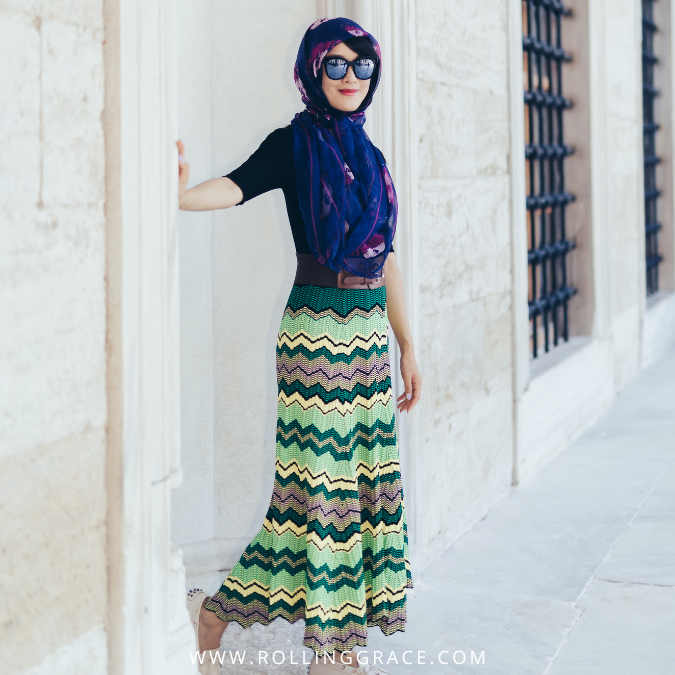
Women should wear long skirts or trousers with full-coverage tops. At major mosques such as Masjid Wilayah and Masjid Jamek in Kuala Lumpur, headscarves are required and robes are provided at the entrance for visitors who need them. Men should arrive in long trousers and sleeved shirts. Shorts and sleeveless tops are not appropriate regardless of the heat, and the same entrance provisions apply.
Hindu temples and Buddhist sites follow similar modesty expectations, though the requirements are generally less strict than at mosques. Removing footwear before entering is standard across all religious sites in Malaysia.
Villages & Rural Towns
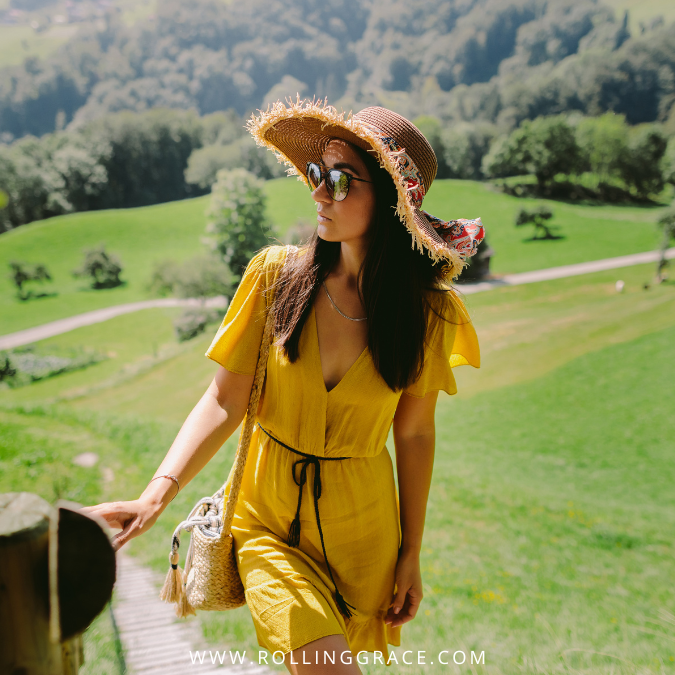
Outside the cities, the dress code tightens without anyone needing to say so. Rural towns and kampung communities in Malaysia are shaped by close-knit social norms where modest dressing is the default, not the exception.
Women should opt for lightweight trousers or maxi skirts paired with sleeved tops. Fitted or revealing clothing draws attention in ways that are best avoided. Men are better off in breathable cotton shirts and long trousers rather than shorts, particularly in smaller towns where conservative dress is the norm across all ages.
Beaches & Islands
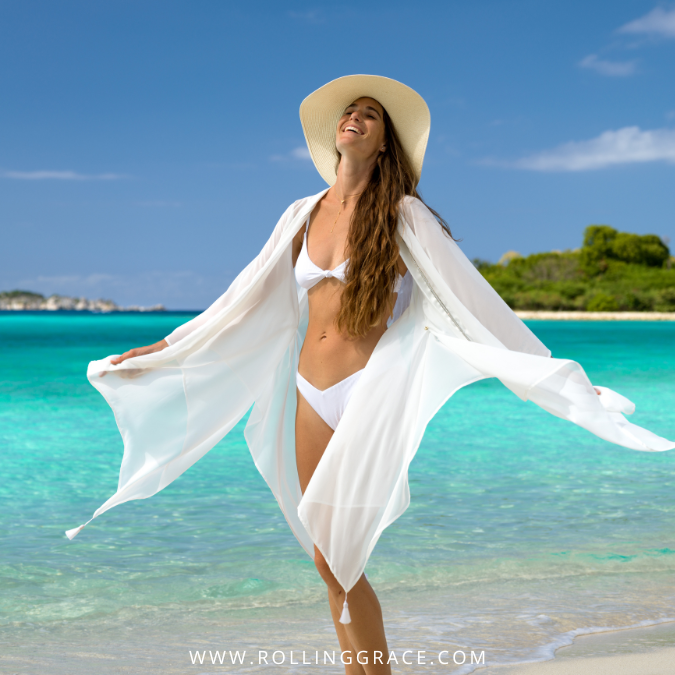
Malaysia’s beaches operate on a different register to the rest of the country, and the dress code reflects that. Bikinis and swimsuits are fine on private resort beaches and at hotel pools across Langkawi, the Perhentians and Redang. The shift happens the moment you step off the sand.
When moving through beach towns, boarding a boat, or stopping at a waterfront warung, a lightweight cover-up, sarong or kimono jacket is the practical and respectful choice. Men in swim trunks should throw on a shirt away from the water. Public beaches in more conservative states, particularly on the east coast, call for modest swimwear as a baseline rather than an afterthought.
Rainforests, Trails & Nature Escapades
Dressing for Malaysia’s rainforests and hiking trails is less about style and entirely about function. Long-sleeved moisture-wicking tops and full-length trousers are the baseline, offering protection from sun, insects and leeches on trails like Taman Negara and the Cameron Highlands. A lightweight raincoat, sturdy closed-toe shoes and a hat complete the practical kit.
At Bukit Gasing on the edge of Kuala Lumpur, seasoned hikers will tell you that shorts are rarely sufficient defence against the mosquitoes, regardless of how short the trail looks on the map. Cover up, and cover up properly.

Fine Dining & Formal Affairs
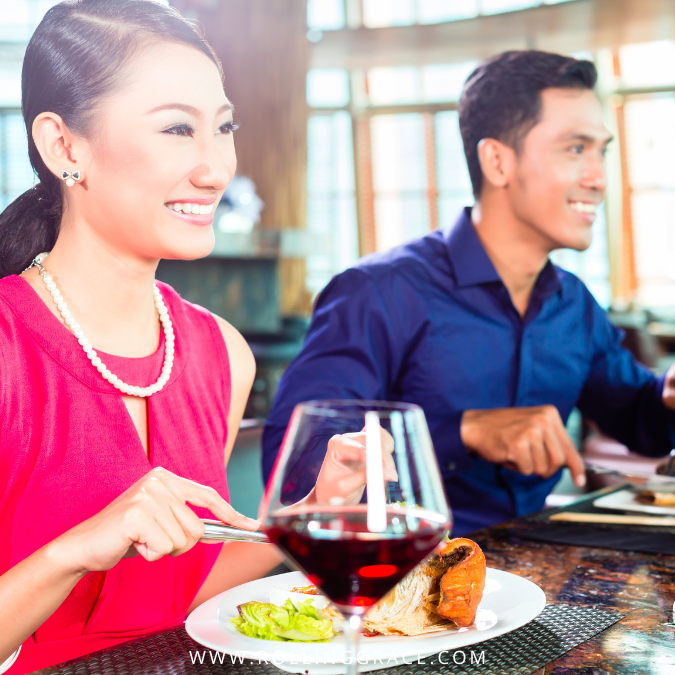
Malaysia’s fine dining restaurants such as Nobu and Sabayon EQ Hotel in Kuala Lumpur are not black-tie, but they are not forgiving of flip flops and tank tops either. Women do well in tailored dresses or smart blouses with trousers. Sheer or overly revealing outfits are out of place. Men should arrive in collared shirts and trousers, with a blazer adding the right level of polish at the more exclusive end.
Troika Sky Dining enforces its dress code firmly, and it sets the standard for what upscale dining in KL expects: guests who have thought about what they are wearing before they walked in.
Local Traditional Costumes
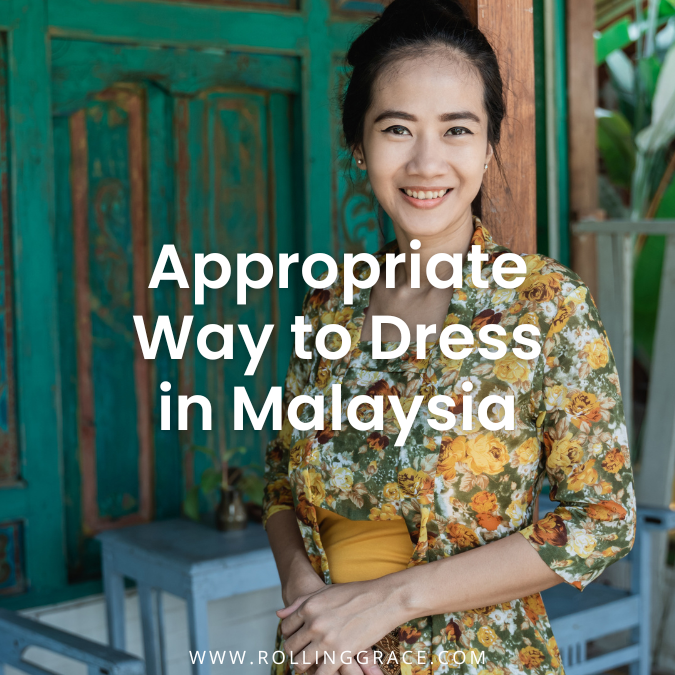
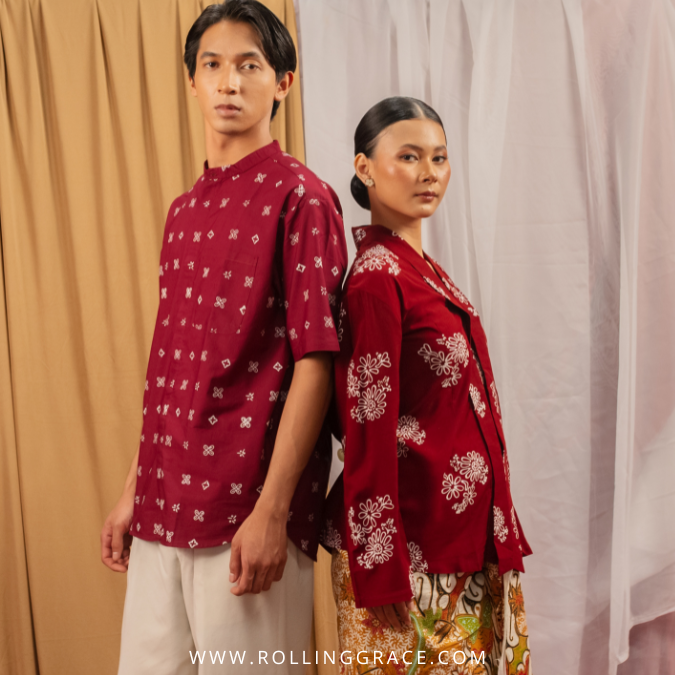
Wearing traditional Malaysian attire at cultural events and festivals is welcomed and genuinely appreciated. For women, the baju kurung is the standard choice for religious celebrations, weddings and formal occasions. Men wear the baju Melayu paired with a samping, particularly during Hari Raya and state functions.
Malaysia’s Indian and Chinese communities bring their own dress traditions to the table. Indian women often wear sarees or salwar kameez at festive occasions, while men opt for kurta-pajamas. The cheongsam remains the go-to for Chinese women during Lunar New Year and weddings.
In states like Kelantan and Terengganu, where cultural identity is closely tied to dress, visitors who make the effort to wear traditional attire are met with visible appreciation.
Guide to What to Wear in Malaysia
Dressing well across Malaysia’s different settings is less about following a strict rulebook and more about reading the room. A country this layered, religiously, culturally and geographically, rewards travellers who pay attention. The gap between a beach resort and a royal mosque, a night market and a fine dining room, is often just a few kilometres, and what you wear signals how seriously you have taken the journey.
Get the basics right: modest where it matters, practical where the terrain demands it, and polished when the setting calls for it. Malaysia does not expect visitors to arrive in traditional dress or navigate every cultural nuance perfectly. It does notice the effort.
Get the good stuff first. Join Rolling Grace for the restaurants worth crossing a city for, the stays worth the upgrade, and the places to go before everyone else. Free, straight to your inbox.
Leave a Reply