Phu Quoc Prison stands as one of the island’s most significant historical sites, preserving detailed accounts of the hardship and endurance experienced during Vietnam’s wartime years.
Set within a quiet part of Phu Quoc, the former detention facility known locally as Coconut Tree Prison, Nhà Tù Cây Dừa, held thousands of Vietnamese soldiers under harsh conditions.
This guide will provide everything you need to know before visiting Phu Quoc Prison, from its harrowing history to practical details such as location, ticket price, and visitor tips.
Read more: Discover the 12 Top Things to do in Phu Quoc, Vietnam
History of Phu Quoc Prison
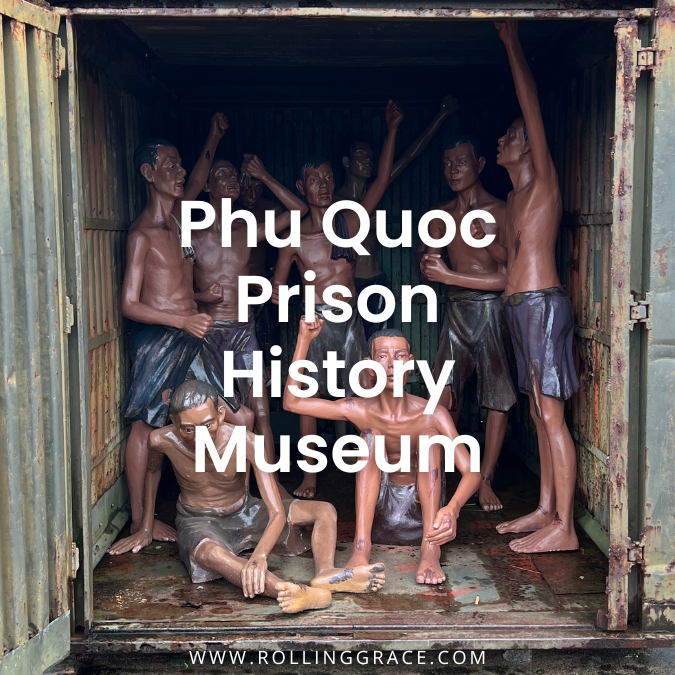
Originally established by the French in the 1940s, Phu Quoc Prison was later repurposed by the South Vietnamese government and the United States during the Vietnam War. It became the largest prisoner-of-war camp in the country, holding over 40,000 captives at its peak. The prison was infamous for its brutal conditions, where prisoners were subjected to extreme torture, forced labour, and inhumane treatment.
Today, Phu Quoc Prison is a museum that offers a chilling yet educational insight into the realities of war, complete with reconstructed torture scenes and original artifacts that bring history to life.
What to Expect
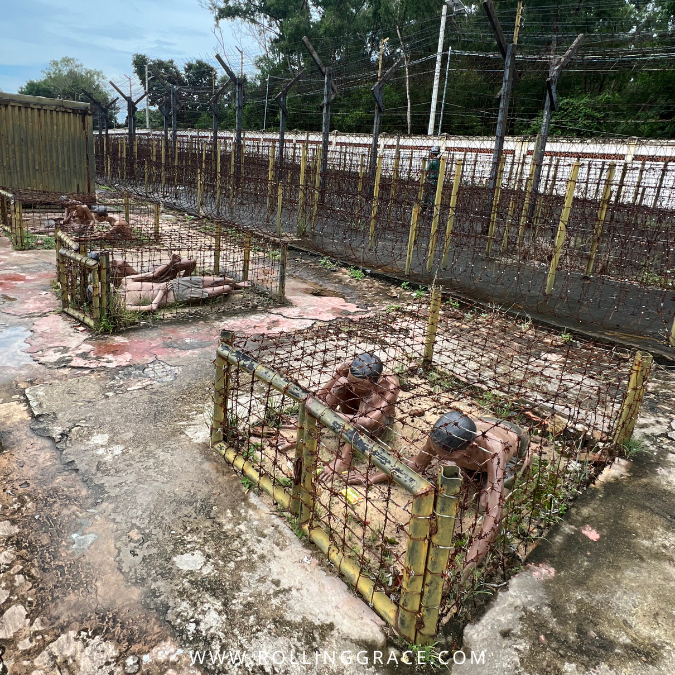
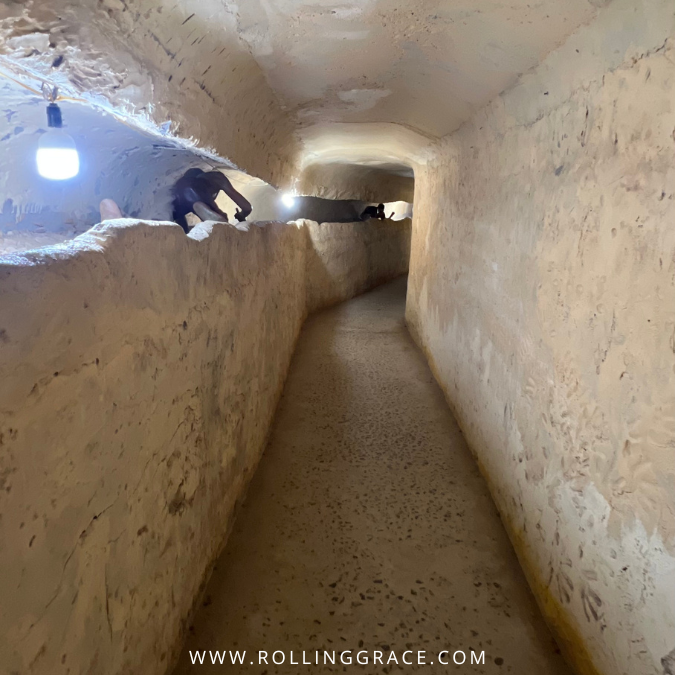
The museum is divided into 12 zones, each representing a different aspect of the prison’s operation. Reconstructed cells, tiger cages and punishment areas are preserved across the site, alongside wax figures depicting conditions that prisoners reported during and after their captivity. The Exhibition House of Relics displays 43 artefacts alongside over 100 documentary photographs and records, organised across three themes: the prison’s foundation and expansion, the torture methods used, and the resistance of those held there.
The site includes a prisoner cemetery and a memorial honouring those who did not survive. Over 4,000 deaths occurred across the prison’s operational years between 1967 and 1973, with tens of thousands more leaving with permanent injuries. Signage is available in both Vietnamese and English and entry is free of charge. Opening hours run from 7.30am to 11.00am and 1.30pm to 5pm daily.

Methods of Torture and Prisoner Stories
Phu Quoc Prison documents some of the harshest conditions faced by detainees during the war, and the museum outlines these methods with stark clarity. Exhibits describe the cramped barbed wire enclosures known as tiger cages, exposure to extreme heat, the use of heated metal to inflict burns, and the application of electric shocks.
Accounts also reference prolonged standing in deep water, severe beatings, and deliberate deprivation, offering a measured but unflinching view of the physical and psychological pressure placed on prisoners.
Survivor testimonies form an important part of the narrative, providing firsthand insight into the toll of confinement. These stories help visitors understand the weight of the experience and the impact it left long after release.
The museum also highlights the large-scale escape attempt in 1972, which resulted in significant loss of life and a heavy response against those who were captured again. The event is remembered today as a stark example of both the determination of the prisoners and the severity of the conditions they faced.
Inside the Phu Quoc Prison
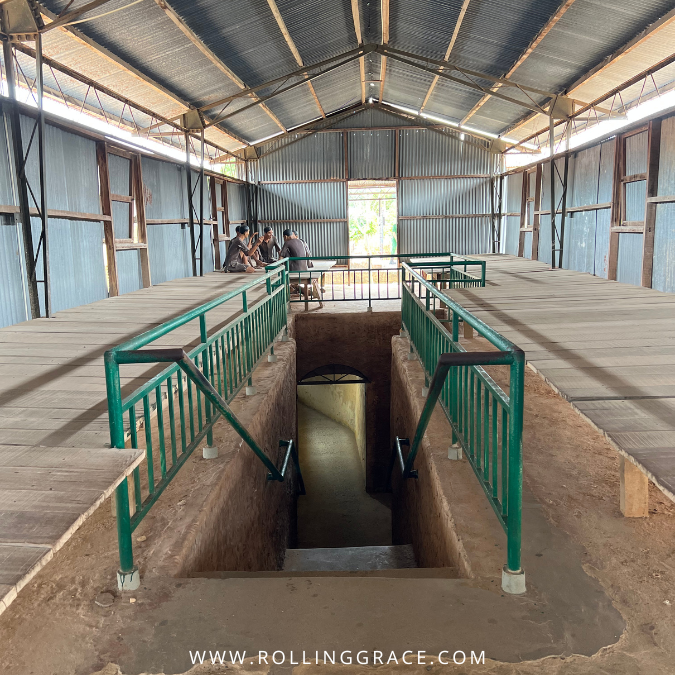
Phu Quoc Prison has been preserved as a historical site, featuring original buildings and newly reconstructed areas that depict the harsh conditions endured by prisoners. Key areas of interest include:
- Authentic Re-creations: The museum features eerily realistic mannequins depicting prisoners undergoing torture, giving visitors a visceral sense of the brutality they endured.
- Historical Displays: Exhibits include original chains, whips, barbed-wire enclosures, and even the notorious tiger cages.
- Narratives from Survivors: Many displays include translated accounts from former prisoners, providing firsthand insights into the conditions inside.
How to Get to Phu Quoc Prison
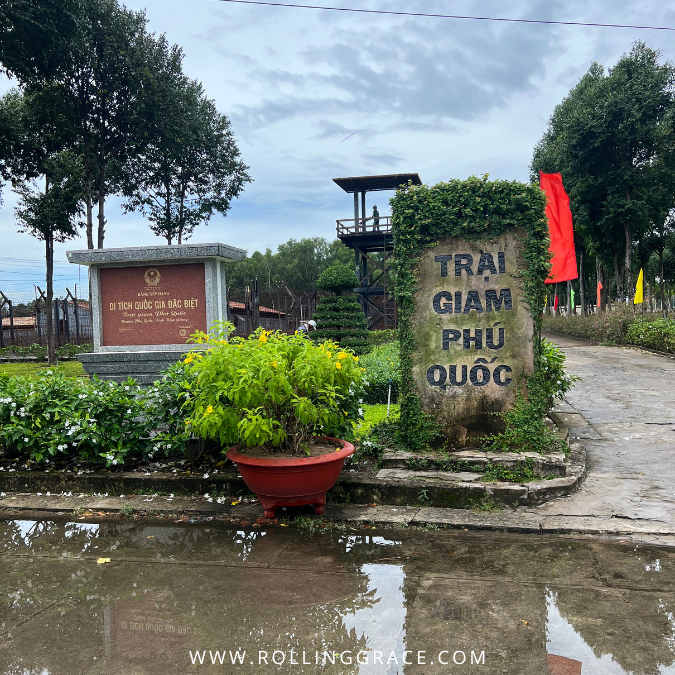
Phu Quoc Prison is situated in the southern part of Phu Quoc Island, approximately 30 kilometres from Duong Dong, the island’s main town. To reach the site, visitors can take a taxi, rent a motorbike, or join a guided tour. The journey from Duong Dong takes around 40 minutes by car.
- Address: Khu Phố 6, An Thới, Phú Quốc, Kiên Giang, Vietnam
- Opening Hours: 7:30 AM – 11:00 AM, 1:30 PM – 5:00 PM daily
- Entrance Fee: Free of charge
Why Visit Phu Quoc Prison?
Phu Quoc Prison offers a clear and grounded look into Vietnam’s wartime history, giving visitors a deeper sense of the hardship endured and the strength shown by those who were confined here.
The experience is quiet and reflective, shaped by exhibits that document the conditions, events and human stories linked to the site. It is an important stop for travellers who want to understand the island beyond its beaches and for anyone interested in gaining a more complete view of Vietnam’s past.
Tips for Visitors
- Go Early in the Day: The site can be emotionally overwhelming, so visiting in the morning when it’s less crowded allows for a quieter experience.
- Dress Modestly: As this is a place of historical significance, wearing respectful attire is encouraged.
- Join a Guided Tour: Local guides provide valuable context and detailed explanations of the exhibits.
- Prepare for a Sobering Experience: The displays are graphic and may not be suitable for young children or sensitive visitors.
- Combine with Nearby Attractions: After your visit, explore nearby spots such as Bai Sao Beach for a change of scenery.
Review of Phu Quoc Prison
Phu Quoc Prison is a stark reminder of Vietnam’s difficult history, preserved today as a place that documents the realities faced by prisoners during the war. The museum presents its stories with clarity and restraint, allowing visitors to understand the scale of suffering and the resilience shown by those who endured it. It is a site that adds important context to the island’s past, offering a deeper perspective beyond its present day calm.
For travellers exploring Phu Quoc, the museum provides a meaningful contrast to the island’s beaches and resorts. It is an essential stop for anyone seeking a fuller understanding of the place, shaped not only by its natural beauty but also by the weight of its history.
Get the good stuff first. Join Rolling Grace for the restaurants worth crossing a city for, the stays worth the upgrade, and the places to go before everyone else. Free, straight to your inbox.
Leave a Reply