This best road trip in Malaysia follows the spine of the peninsula from Johor Bahru to Penang, moving through heritage towns, forest reserves, food cities, and working coastlines in a way that reflects how Malaysia is actually travelled rather than how it is marketed.
The best way to understand Malaysia is to drive through it. Not quickly, not with a checklist, and not chasing landmarks for proof. West Malaysia unfolds in sequence. Cities soften into towns, towns thin into forest roads, and meals change without announcement. A road trip works here because Malaysia is connected without being compressed. You are never too far from the next stop, and never forced to rush the one you are in.
A Malaysia road trip by car suits travellers who want continuity rather than contrast. Breakfast stalls that open before sunrise in Johor feel different from those in Perak, even when the menu looks familiar. Coffee tastes heavier in Ipoh. Evenings arrive earlier on the west coast. These shifts are subtle, but they accumulate. That is the appeal.
Read also: Top 7 Hotels with Private Pools in Malaysia
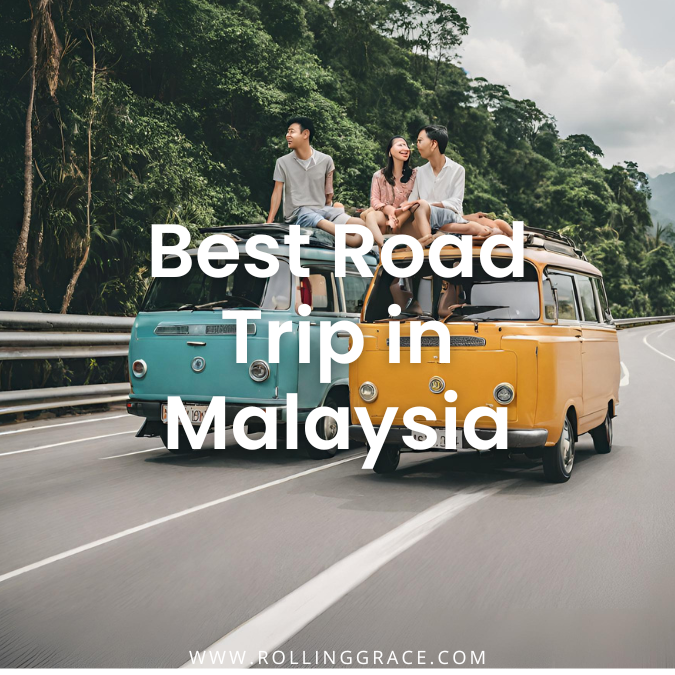
In this guide, the route runs north through Peninsular Malaysia, starting in Johor Bahru and ending in Penang. It is designed for a 10-to-14-day Malaysia itinerary, paced for people who want to eat properly, walk without pressure, and stay long enough for places to register.
Johor Bahru
Johor Bahru is rarely treated as a destination, which is precisely why it works as a starting point. The city wakes early. Coffee shops along Jalan Wong Ah Fook fill with regulars, then empty before mid morning. Nothing waits for you. You arrive, settle in, and move on.
Istana Besar gives a sense of Johor’s past without demanding time. Legoland Malaysia sits further west and is relevant only if children are travelling with you. Otherwise, Johor Bahru’s role is simple. It introduces you to Malaysian roads, Malaysian mornings, and Malaysian pace.
Route overview
Collect your car in Johor Bahru, have breakfast nearby, then join the North–South Expressway (E2) heading north. Follow E2 continuously towards Melaka and take the Ayer Keroh exit (Exit 231), which leads directly into the city.
The drive takes around 2.5 hours, traffic permitting. The highway is fully tolled, so make sure your car has a Touch ’n Go card or RFID set up before leaving Johor Bahru. Fuel stations and rest stops are frequent along this stretch, making it an easy first leg of the trip.

Endau Rompin National Park
Endau Rompin National Park sits east of the main west coast route and works best as a deliberate detour rather than a quick stop. Trails are steeper, facilities are basic, and access requires planning. This is one of the oldest rainforest systems in the region, valued for terrain and scale rather than ease.
Plan at least one night inside Endau-Rompin National Park at Kuala Jasin or Selai (Lubuk Tapah), depending on your entry point. Both areas offer basic chalets or jungle huts managed by Johor National Parks and require advance booking.
If accommodation inside the park is full, stay nearby in Kuala Rompin at places such as Rompin Rainforest Lodge, then enter the park early the next morning. An overnight stay allows time for trekking and river access without rushing the detour.

Melaka
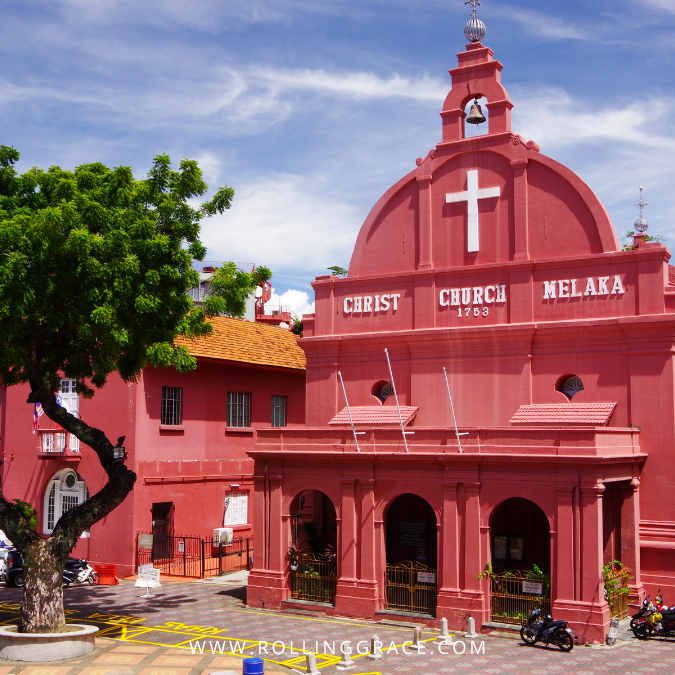
Melaka is best understood on foot. Park once and stay close to the centre. The town holds its history in plain sight, not behind gates. Old houses are still lived in. Shops open when they open and close when they have had enough.
Nyonya food remains one of Melaka’s strongest reasons to stay. Kitchens work to routine rather than demand. The Baba Nyonya Heritage Museum explains the town better than any single landmark. Christ Church and A Famosa mark colonial presence, but Melaka reveals itself through repetition. The same breakfast stall two mornings in a row. The same walk after dinner.
Route overview
When you are ready to leave, rejoin the North–South Expressway (E2) heading north towards Kuala Lumpur. Enter the highway via Ayer Keroh (Exit 231) and stay on E2 until the Sungai Besi exit (Exit 310), which leads directly into Kuala Lumpur.
The drive takes around 1.5 hours, traffic permitting. This stretch is fully tolled, with multiple rest stops along the way. Avoid leaving Melaka during late Sunday afternoons, when traffic back towards the Klang Valley can slow significantly.
Kuala Lumpur
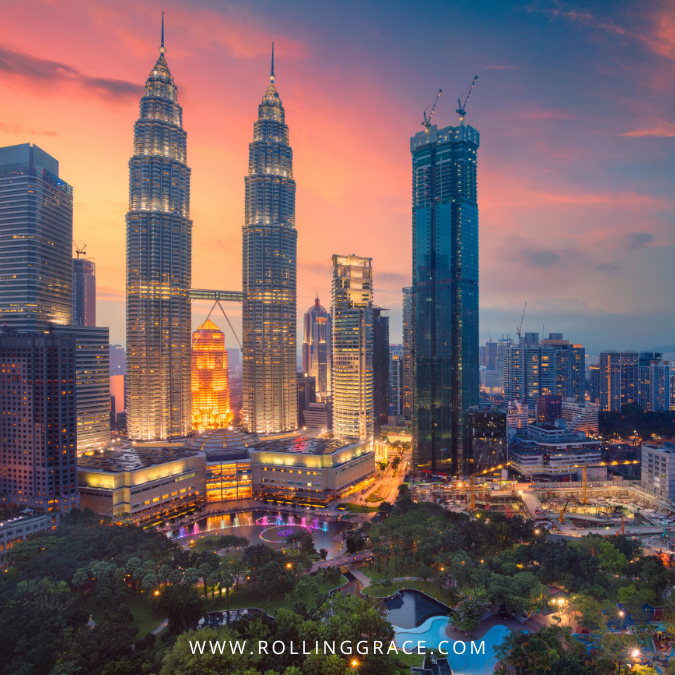
Kuala Lumpur does not reward ambition. It rewards selectivity. Choose where you stay and let the city come to you. Brickfields in the morning, Kampung Baru for food, Bangsar when the day loosens.
The skyline is familiar, but daily life happens closer to the ground. Nasi lemak before office hours, banana leaf lunches, late dinners once traffic thins. Masjid Negara and Batu Caves matter most when visited quietly, outside peak times, without cameras raised first.
Route overview
When you are ready to leave Kuala Lumpur, join the North–South Expressway (E1) heading north towards Ipoh. Use the Sungai Besi toll plaza or the nearest E1 entry point depending on where you are staying, then remain on E1 until the Ipoh exit (Exit 138).
The drive takes around 2 to 2.5 hours, traffic permitting. Early morning departures are the smoothest.
Krau Wildlife Reserve, Pahang
After Kuala Lumpur, Krau Wildlife Reserve offers a direct shift inland without requiring a long detour. Covering a large stretch of central Pahang, it is the largest wildlife reserve in Peninsular Malaysia, set aside primarily for conservation rather than recreation.
Access to the reserve is controlled, with entry typically arranged through the Krau Wildlife Reserve management or approved guides. Activities focus on guided forest walks, bird observation, and night surveys, depending on conditions and permits. The reserve is known habitat for species such as Malayan tapir, slow loris, and dhole, though sightings are never assured and should not be the basis of planning.
Accommodation within Krau is limited and basic, usually in the form of research facilities or simple lodges arranged in advance. Visits work best as a one-night or overnight stop, allowing time for guided exploration without rushing back to the highway. Compared to coastal or urban stops, Krau prioritises environment over comfort, making it suitable for travellers who want forest access without travelling to the far north.

Teluk Intan, Perak
Teluk Intan works best as a food stop rather than a sightseeing town. Streets are compact, movement is slow, and daily life centres on eating rather than attractions. Colonial shopfronts and Chinese shophouses remain in use, which makes walking the centre feel functional rather than preserved for display. Park once near the town core and move around on foot.
Read also: 13 Best Food in Teluk Intan Perak: Where and What to Eat
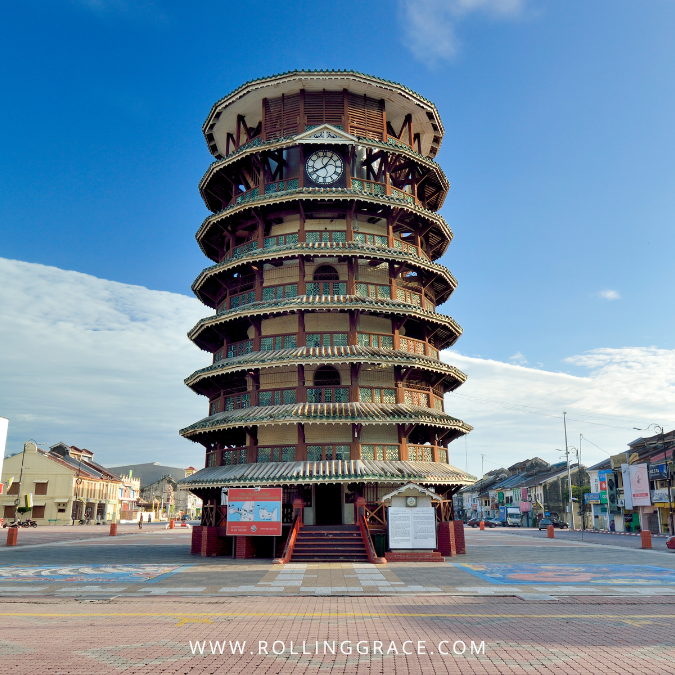
The Leaning Tower of Teluk Intan serves mainly as orientation. Food is the real reason to stop. Curry noodles, chee cheong fun, fish ball dishes, and local pastries are prepared by long-running family businesses that close once ingredients run out. Arriving earlier in the day matters, as many stalls shut before dinner and very few operate late. Eat what is available rather than chasing specific names.
Route overview
If you are driving in from Ipoh, join the North–South Expressway (E1) heading south and exit at Gopeng (Exit 135) or Tapah (Exit 132), then continue on federal roads towards Teluk Intan. The drive takes around 1.5 hours, depending on traffic. Roads are untolled after leaving the expressway, and food options thin once you are off the highway, so eat before detouring if needed.
A half-day stop is usually enough. Staying overnight only makes sense if you want to eat twice and leave early the next morning, before stalls close and the town slows again.
Lumut, Perak
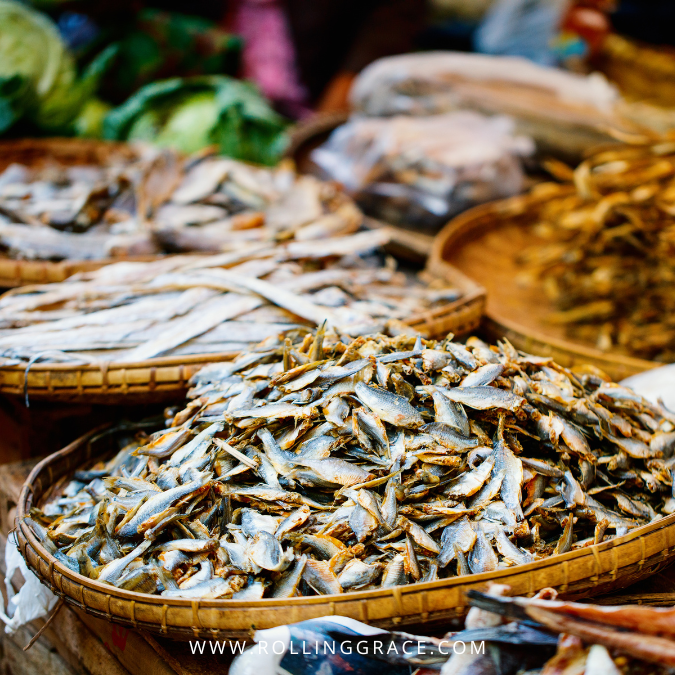
Lumut is a small coastal town on Perak’s west coast and serves mainly as the ferry point to Pangkor Island. The town itself is compact, with a working jetty, seafood restaurants, and residential fishing villages rather than resort infrastructure.
Pangkor Island is reached by scheduled ferry services from Lumut Jetty, with crossings taking around 30 minutes. Beaches on the island are calm and accessible, suitable for a short stay rather than extended exploration. Accommodation on both Lumut and Pangkor is straightforward and functional.
If included in the route, plan one night either in Lumut or on Pangkor Island before continuing north.
Ipoh, Perak
Ipoh arrives gently after the forest. Limestone hills frame the city and keep it contained. Food culture remains practical. Coffee is taken seriously. Hawker stalls close when they sell out.
Walk the old town. Visit a cave temple early. Eat without planning too far ahead. Ipoh does not need embellishment. One or two nights allows the city to feel familiar rather than consumed.
Route overview
When leaving Ipoh, join the North–South Expressway (E1) heading north towards Penang. Follow E1 until Bukit Tambun exit (Exit 147) or Juru exit (Exit 163), depending on where you are staying on Penang Island.
The drive takes around 1.5 to 2 hours, traffic permitting. This stretch is fully tolled. Ensure Touch ’n Go or RFID is active before departure. Rest stops are frequent, making this a straightforward and comfortable leg.
George Town, Penang
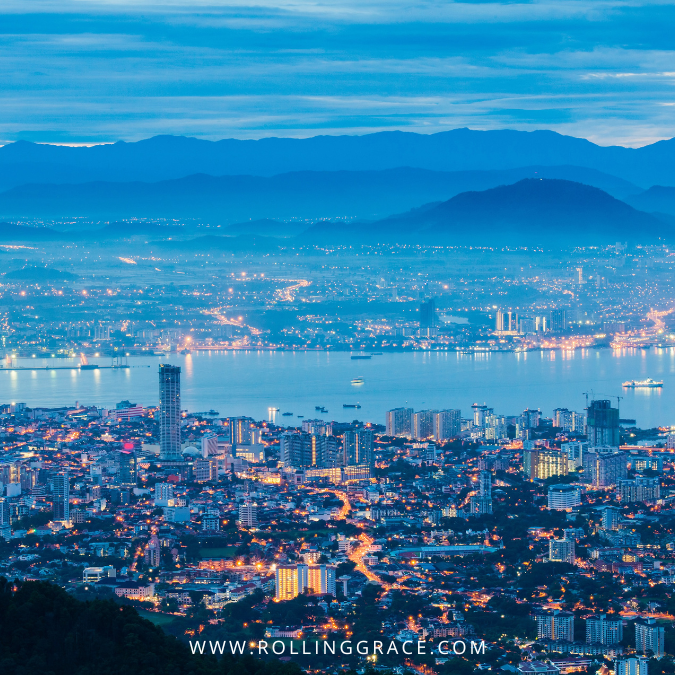
George Town is where many road trips slow down for good reason. Eating here is daily habit rather than occasion. Asam laksa, char kuey teow, nasi kandar, dim sum. Meals are taken without commentary.
Walk early or late. Colonial buildings sit beside modern use without friction. Murals exist, but food draws people back. Stay long enough to repeat meals. That is when Penang makes sense.
Route overview
To reach George Town, cross the island via the Penang Bridge or Second Penang Bridge (Sultan Abdul Halim Muadzam Shah Bridge) from the mainland. Both routes are tolled, with cashless payment only.
Once on the island, follow local roads towards George Town. Driving within the city is slow, so choose accommodation with parking and plan to move around on foot once settled. Two to three nights allows time to eat, repeat meals, and slow the pace before the final leg of the journey.
Tips for a Malaysian Road Trip
- Dress appropriately at religious sites and observe before photographing.
- Plan 10 to 14 days for this route so cities, towns, and forest stops do not feel rushed.
- Most long-distance routes use tolled expressways. Ensure Touch ’n Go or RFID is active before leaving major cities.
- Highways are well maintained and clearly signposted, with frequent rest areas for fuel, food, and toilets.
- March to October is generally the most predictable period, though rain patterns vary by region and short afternoon showers are common.
- Do not plan forest visits around wildlife sightings. Animals move on their own terms. They avoid noise, people, and fixed schedules. Plan your time around trails, rivers, and overnight stays that make sense even if nothing appears. If an animal crosses your path, it is incidental, not owed.
- Eat earlier in the day when possible. Popular stalls often close once food sells out.
- Expect some places to close early or run slowly. Build slack into the route rather than overfilling each day.
Responsible Travel in Malaysia
Travelling responsibly in Malaysia means recognising limits and respecting how places are used day to day. Forest reserves exist first for protection, not access, and animals adjust their movement to avoid people and noise. Follow park rules without trying to bend them, keep voices low, and accept restricted access as part of conservation rather than inconvenience.
In towns and cities, daily life is shaped by prayer times, family businesses, and neighbourhood routines, not visitor schedules. Eat at establishments that serve regulars, dress appropriately in shared and religious spaces, and treat heritage sites as environments that continue to function beyond tourism.
When travel prioritises animals, people, and place over personal gratification, it reduces pressure on fragile areas and supports continuity rather than extraction.
Get the good stuff first. Join Rolling Grace for the restaurants worth crossing a city for, the stays worth the upgrade, and the places to go before everyone else. Free, straight to your inbox.
Leave a Reply