Traditional Balkan food reflects centuries of shared history across Southeast Europe, expressed through grilled meats, layered pastries, slow stews, and preserved vegetables shaped by season and terrain.
Southeast Europe’s food sits at the intersection of Ottoman, Austro-Hungarian, Mediterranean, and Slavic influence. Across Bosnia and Herzegovina, Serbia, Croatia, Greece, North Macedonia, Montenegro, and parts of Turkey, kitchens share techniques shaped by fire, seasonality, and preservation. The result is cooking that relies on smoke, slow heat, dairy, and vegetables prepared at their peak.
Though each country guards its culinary identity, many dishes cross borders with small adjustments in spice, fat, or presentation. Travelling through the Balkans means recognising the same food in different dialects.
Here are ten traditional Balkan food that define Southeast European cooking.
Read also: Foie Gras in Fine Dining: 7 Truths Restaurants Cannot Ignore

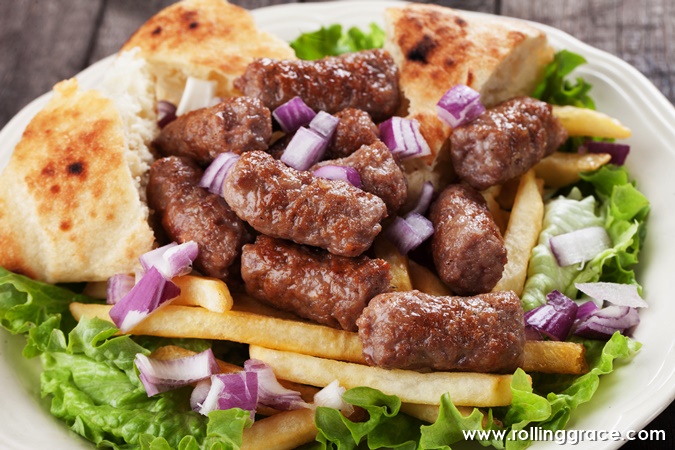
Ćevapi
Ćevapi are small, skinless minced meat sausages found across Bosnia and Herzegovina and Serbia. The mixture typically combines beef with lamb, sometimes pork depending on region. They are shaped by hand and grilled over charcoal.
In Sarajevo, ćevapi are often served in somun bread, softer and slightly thicker than lepinja. In Serbia, lepinja is more common. The accompaniments remain consistent: chopped raw onions, ajvar, and kajmak, a thick dairy spread made from clotted milk.
The meat is seasoned lightly. Smoke and fat do most of the work. Portions are counted by number, often five or ten, and eaten by hand.
Burek
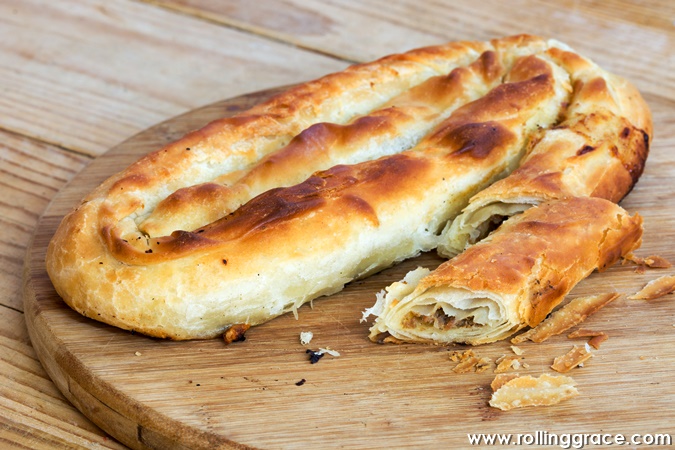
Burek is a filled pastry built from stretched sheets of dough layered and rolled before baking. In Bosnia, the word burek refers strictly to meat filling. Cheese, spinach, or potato versions carry separate names such as sirnica or zeljanica. In Serbia and Croatia, burek may refer to any filling.
The pastry is assembled by hand, with dough stretched thin enough to remain pliable yet strong. It is brushed with oil, layered, and baked until crisp. Bakeries sell it throughout the day, cut into portions and wrapped in paper.
It is eaten for breakfast, late-night meals, and during long bus journeys across the region.
Bosanski Lonac
Bosanski lonac, meaning Bosnian pot, is a layered stew originating from rural Bosnia. Beef or lamb is arranged in a deep pot with cabbage, potatoes, onions, and carrots. The ingredients are stacked rather than stirred.
The pot is sealed and cooked slowly for several hours. Liquid develops from the vegetables and meat itself, forming a broth without added thickening. Traditionally prepared in clay vessels over open fire, it is now cooked in ovens in both homes and restaurants.
The dish reflects pastoral cooking traditions built around accessible produce and preserved meats.

Japrak
Japrak consists of grape leaves filled with minced meat and rice. The filling is seasoned with pepper and local herbs, then wrapped tightly before simmering in a light broth.
It appears across Bosnia, Croatia, and Serbia with subtle differences. Some regions add lemon juice; others serve it with yoghurt. The grape leaves provide acidity and structure, balancing the richness of the filling.
Japrak is commonly prepared during gatherings and holidays, when families assemble and fold the leaves together.

Pljeskavica
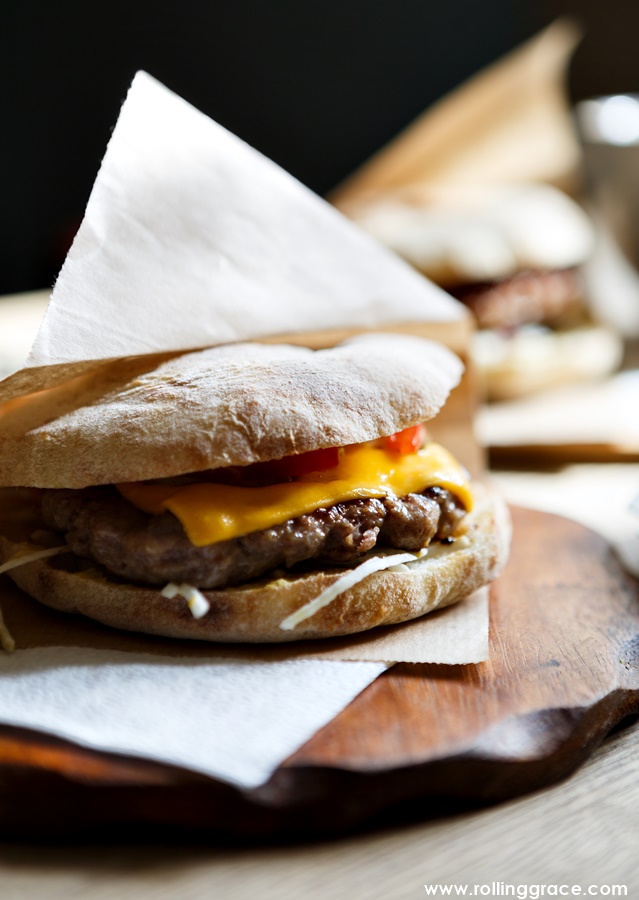
Pljeskavica is a wide, flat grilled patty popular in Serbia and parts of Bosnia. The meat mixture often includes beef with pork or lamb, seasoned simply and grilled over charcoal.
It is served inside lepinja bread with onions and ajvar. Some versions include cheese mixed into the centre before cooking. In Belgrade, pljeskavica is common street food, wrapped in paper and eaten on the move. In sit-down restaurants, it appears plated with fries and salad. Its structure is looser than a typical burger, allowing juices to remain inside the patty.
Potato Moussaka
While Greek moussaka is internationally associated with aubergine, Balkan versions often centre on sliced potatoes layered with minced meat. This style appears frequently in North Macedonia and inland Greece, making it a popular traditional Balkan food.
The layers are topped with beaten egg and milk before baking. The result is cohesive and soft, cut into rectangular portions. It is commonly prepared at home and served as a midday meal.
Regional differences lie in spice levels and the inclusion of tomato.

Sogan Dolma
Sogan dolma originates in Bosnia and Herzegovina, particularly Mostar. Whole onions are hollowed and filled with minced meat and rice. They are then cooked slowly in broth.
As the onions soften, they become sweet and translucent. The broth is absorbed gradually. The dish is served warm, often with bread to collect remaining liquid.
It shares lineage with other stuffed vegetable dishes across the former Ottoman territories.

Sutlijaš
Sutlijaš is rice pudding made by simmering rice in milk until thick. Sugar is added during cooking. Cinnamon is sprinkled on top before serving.
The dish appears across Serbia, Bosnia, and North Macedonia. It is eaten chilled or at room temperature. Its texture remains smooth without caramelised topping. It is a domestic dessert found in homes and modest cafés.

Baklava
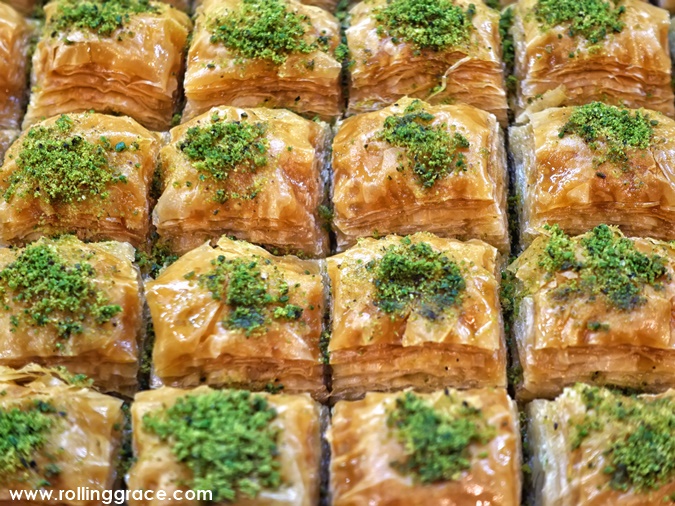
Baklava spread through Southeast Europe during Ottoman rule. Thin sheets of filo are layered with chopped walnuts or pistachios, baked, then soaked in syrup. The syrup is poured over the pastry after baking, allowing it to absorb without collapsing. The sweetness is intense and portions are small.
In Bosnia and Serbia, walnut versions dominate. In Turkey and parts of Greece, pistachio is common.
Ajvar
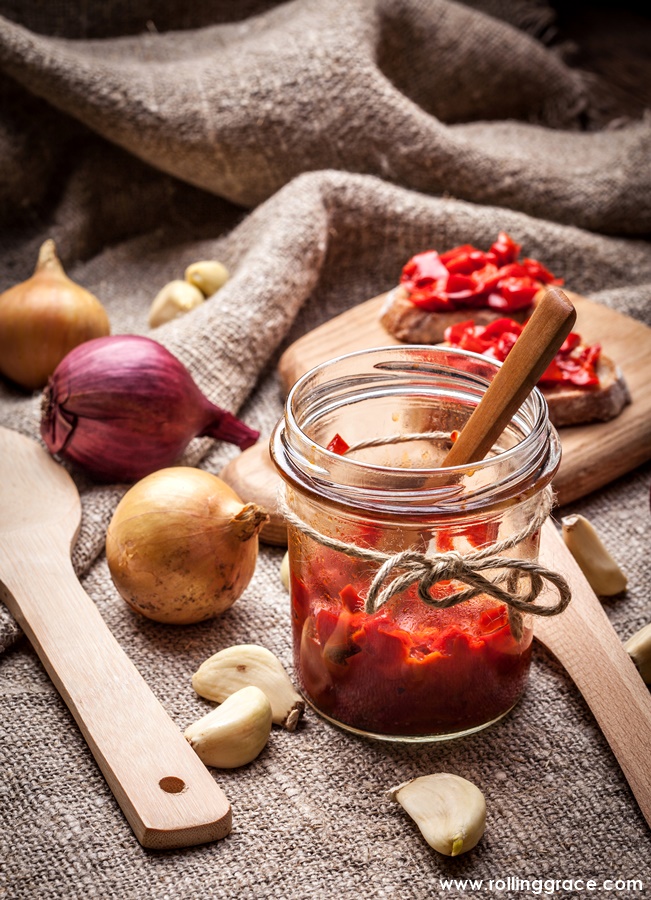
Ajvar is a roasted red pepper condiment prepared during autumn harvest. Peppers are charred, peeled, blended with oil and sometimes aubergine, then reduced into a thick spread. It is served with grilled meats, bread, and cheese. Many families prepare it in large batches and store it in jars through winter.
The flavour profile depends on the level of roasting and the balance between sweetness and smoke.
How Traditional Balkan Food Connects the Region
Despite modern borders, Southeast Europe shares cooking techniques shaped by geography. Charcoal grilling reflects abundant livestock. Stuffed vegetables correspond with seasonal harvest cycles. Dairy spreads such as kajmak align with pastoral farming. Preserves such as ajvar extend summer produce into colder months.
The dishes differ slightly between Sarajevo, Belgrade, Skopje, and Thessaloniki, yet the foundations remain recognisable. Travellers moving across the Balkans encounter familiar forms presented through local nuance.
Sustainability and Agricultural Patterns in Southeast Europe
Many Balkan dishes are rooted in seasonal cooking. Ajvar production aligns with late-summer pepper harvests. Stews such as Bosanski lonac rely on vegetables that store well through winter. Grape leaves used for japrak are preserved for later use.
Open-fire grilling reduces reliance on complex equipment, and preservation methods such as drying, roasting, and pickling remain active across rural communities. These practices reflect long-standing adaptation to climate and landscape.
Where to Try These Dishes
Ćevapi and pljeskavica are most commonly found in Bosnia and Herzegovina and Serbia, where they are served in dedicated grill houses as well as casual street settings. Bosanski lonac and sogan dolma are closely tied to Bosnian cooking, particularly in Sarajevo and Mostar, where traditional restaurants continue to prepare them in line with local methods.
Potato moussaka appears regularly in North Macedonia and parts of inland Greece, usually as a home-style baked dish rather than a restaurant adaptation. Baklava is widely available across the Balkans and Turkey, sold in bakeries and confectioners in small portions. Ajvar accompanies meals throughout the region, appearing on tables in homes and restaurants as a standard condiment alongside grilled meats and bread.
Southeast Europe’s food does not rely on spectacle. It relies on repetition, technique, and ingredients shaped by terrain and season. These ten dishes provide a framework for understanding how the Balkans eat, and how shared history continues to shape the table.
Love stories like this? Subscribe to the Rolling Grace newsletter for thoughtful travel notes, hidden dining gems, and slow discoveries from across Asia.
Leave a Reply