Tanjung Dawai, Kedah is a small fishing village on the western coast of Kedah, located approximately 30 kilometres from Sungai Petani. Positioned at the mouth of the Merbok River, the village faces the Straits of Malacca and has long depended on the sea as its primary source of livelihood. Unlike many coastal destinations that have been reshaped for tourism, Tanjung Dawai remains largely functional and work-driven, with daily life revolving around fishing schedules, seafood trading, and local routines.
If you are seeking a grounded experience of coastal Kedah, Tanjung Dawai offers a clear contrast to resort-led beach towns. Its appeal lies not in attractions designed for visitors, but in the visibility of everyday labour and the continuity of village life.
Read also: The 2,000-Year-Old Sungai Batu Archaeological Site in Kedah
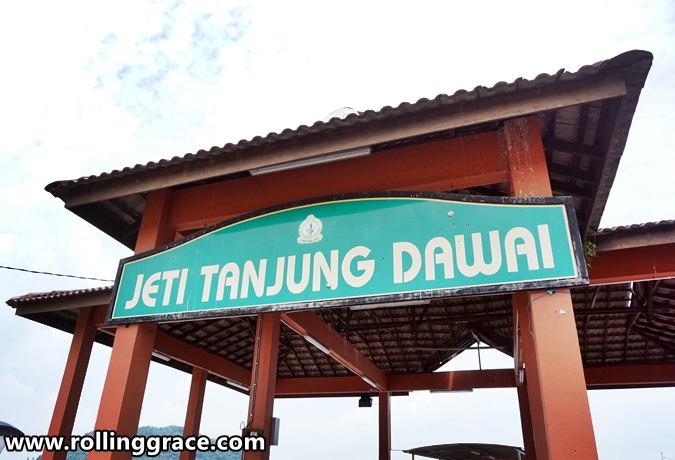
A Working Fishing Jetty
The jetty at Tanjung Dawai Kedah is central to the village’s identity. Built to support small-scale fishing operations, it is most active in the early morning when boats return from overnight fishing trips. Fishermen unload their catch, clean their equipment, and prepare for the next outing with efficiency shaped by routine rather than urgency.
This jetty is not maintained as a scenic landmark. It functions as infrastructure, and its authenticity comes from that purpose. Visitors who arrive early are able to observe how fishing activity structures the village’s daily life, from seafood distribution to informal social interactions among fishermen.

Seafood Markets Based on Daily Catch
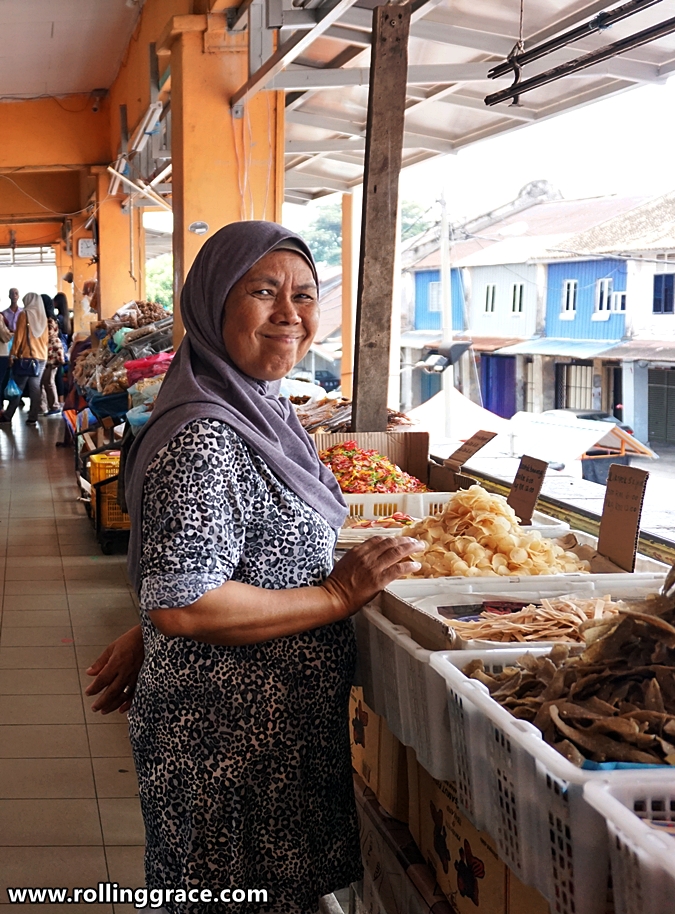
Directly opposite the jetty is the main seafood market, where fresh and dried produce is sold according to the morning’s haul. Availability varies daily, reflecting weather conditions, fishing conditions, and seasonal patterns rather than consumer demand.
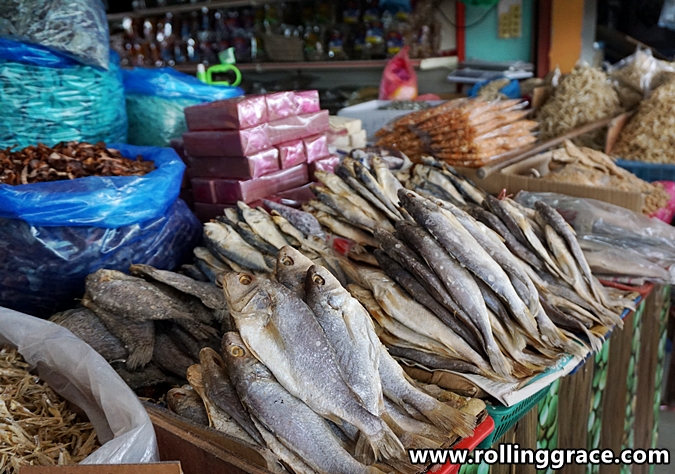
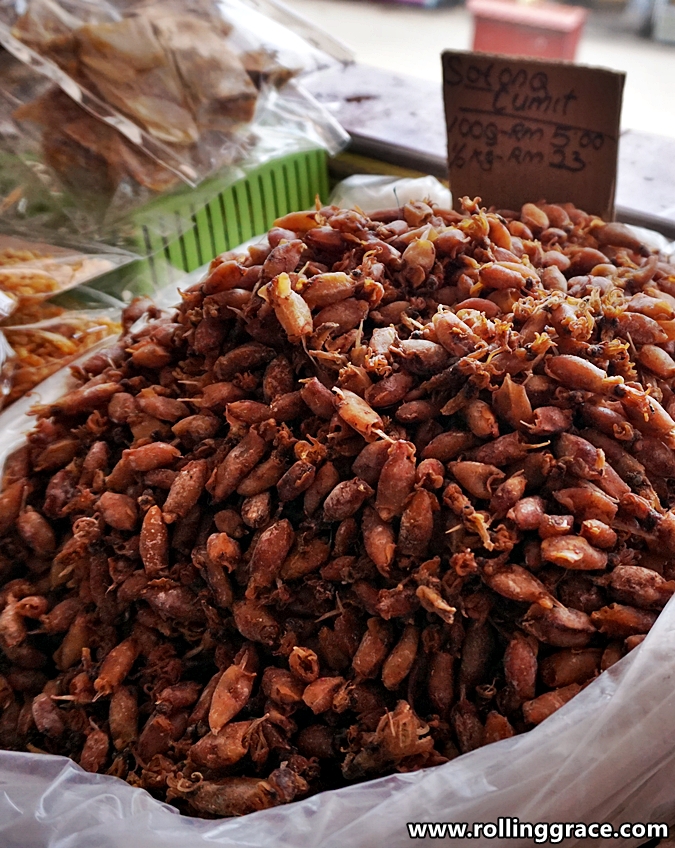
Common fresh seafood includes mantis prawns, croakers, eeltail catfish, squid, and various shellfish. Horseshoe crabs, locally known as ikan belangkas, are also sold and are typically steamed or grilled. Dried seafood such as baby squids, salted fish, and shrimp paste is widely available and often purchased by visitors to take home.
Prices tend to be lower than in urban markets, as the seafood moves directly from boat to stall without extensive distribution chains. Buyers are expected to understand basic handling and preparation, as the market caters primarily to local households.

Village Life Built on Repetition
Tanjung Dawai Kedah does not operate on seasonal reinvention or curated experiences. Daily life follows established patterns that change little over time. Boats leave at similar hours, stalls open and close in sequence, and social interactions are shaped by familiarity rather than formality.
For visitors, this repetition offers insight into how coastal villages in Kedah continue to function outside of tourism economies. There are no guided routes or recommended itineraries. The experience depends largely on observation and timing, particularly in the early morning hours.

Access to Pantai Merdeka, Tanjung Dawai
Tanjung Dawai Kedah also serves as a departure point for trips across the Merbok River to Pantai Merdeka. This beach area is accessible by speed boat and is known for its quieter shoreline, red rock formations, and remnants of a British World War II bunker.
Pantai Merdeka provides an alternative environment for visitors who wish to avoid crowds, especially during weekends and public holidays when Tanjung Dawai becomes busier. The beach is better suited for walking, sightseeing, and sunset viewing rather than swimming, and accommodation options remain modest in scale.

Simple Accommodation Options Nearby
While Tanjung Dawai Kedah itself has limited accommodation, several options are available nearby for visitors who wish to stay overnight. Staying in the area allows travellers to experience the village outside peak hours, particularly at dawn when fishing activity resumes.
Mount Jerai, located a short drive away, offers hilltop resorts with cooler temperatures and views of the surrounding landscape. Alternatively, Sungai Petani provides practical hotel options with easier access to shops, dining, and transport links. Accommodation in this region tends to prioritise function and convenience over luxury.
Scenic Drive Through Rural Kedah
The journey to Tanjung Dawai is part of the experience. From Sungai Petani, drivers typically take Kedah Route K1 branching from Federal Route 1 at Bedong. The road passes through kampung areas and stretches of paddy fields that reflect Kedah’s agricultural economy.
This gradual transition from town to coastline highlights the relationship between farming and fishing communities in the state. Seasonal changes in the paddy fields add visual variation to the drive, particularly during planting and harvest periods.
When to Visit Tanjung Dawai
The best time to visit Tanjung Dawai is in the early morning, between sunrise and mid-morning, when fishing activity and seafood trading are most visible. Weekdays are generally quieter than weekends and public holidays. Weather conditions can affect fishing output, so seafood availability may vary.


Why Tanjung Dawai Is Worth Visiting
Tanjung Dawai remains relevant because it has not been extensively reshaped for tourism. Its economy is still driven by fishing, and its infrastructure reflects necessity rather than design. For visitors interested in food sourcing, coastal livelihoods, and rural Kedah, the village offers a clear and factual view into everyday life by the sea.
Rather than presenting highlights, Tanjung Dawai invites visitors to observe processes. That restraint is what defines its value.
Love stories like this? Subscribe to the Rolling Grace newsletter for thoughtful travel notes, hidden dining gems, and slow discoveries from across Asia.


Leave a Reply to MawaRCancel reply