Tanjung Dawai is not a food destination in the way cities market themselves. There are no signature restaurants, no staged dining concepts, and no attempt to impress. What it offers instead is access. Access to seafood that has travelled only minutes from boat to stove, and to everyday dishes prepared for people who eat them regularly, not occasionally.
Eating here is not about chasing the best version of anything. It is about understanding how food fits into the pattern of village life.
Read also: 6 Reasons to Visit Tanjung Dawai Kedah: Travel Guide
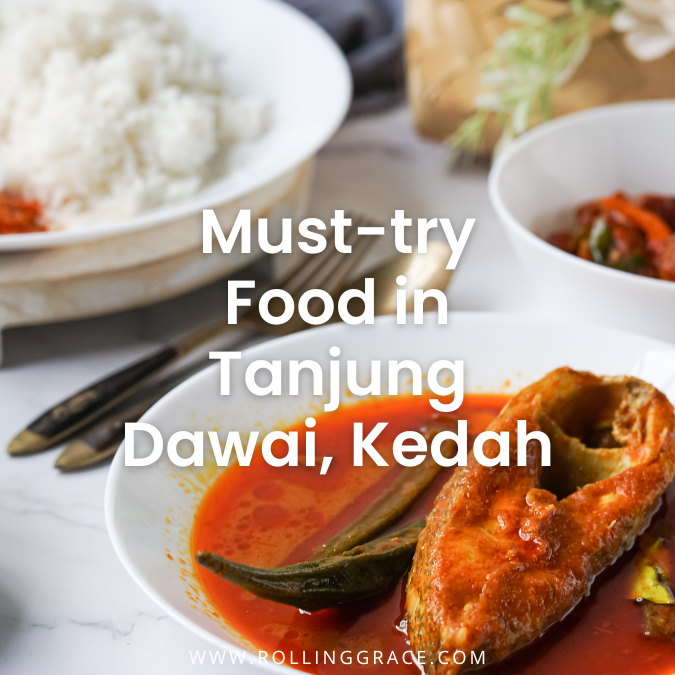
Eating at Arked Tanjung Dawai
After the morning seafood trade settles, the ground floor of Arked Tanjung Dawai fills with activity of a different kind. Small food stalls open to serve fishermen, traders, and early visitors who have worked up an appetite.
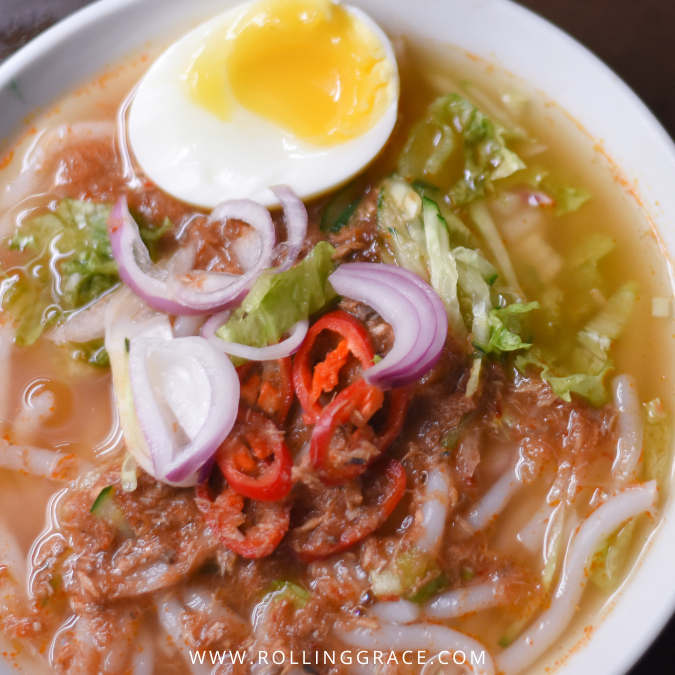
Two dishes appear consistently. Mee Udang and Laksa Kedah.
Mee Udang here is straightforward. Yellow noodles tossed in a prawn-based gravy, lightly spiced and slightly sweet, finished with whole prawns when available. It is filling rather than refined, meant to be eaten quickly before the day moves on.
Laksa Kedah is milder than many expect. The broth is built on dried shrimp paste, fish, chilli, and asam, resulting in a tangy, savoury base rather than aggressive heat. It is often served with rice noodles, cucumber, and herbs, though garnishes depend entirely on the stall.

To drink, fresh coconut water is common. Served directly from the fruit, it is practical rather than ceremonial. Ais Kacang follows later in the day. Shaved ice topped with syrup, sweet corn, red beans, peanuts, and ice cream, eaten slowly in the heat.
Fruit stalls nearby sell local produce, and rojak buah is prepared to order. Pineapple, cucumber, young mango, bean sprouts, and guava are mixed with a pungent sauce made from fermented shrimp paste, chilli, tamarind, and lime. The balance is sharp and savoury, not sweetened for visitors.
Grilled Seafood and Ikan Bakar
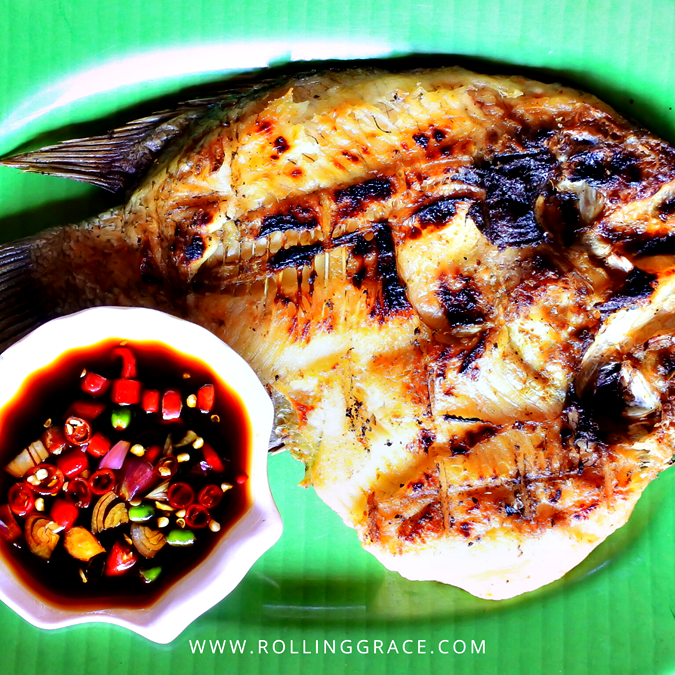
As afternoon gives way to evening, the focus shifts to grilled seafood. Several Chinese and halal Malay restaurants in and around Tanjung Dawai specialise in ikan bakar and simple seafood dishes.
One of the defining features here is choice. Visitors can buy fish, prawns, or squid directly from the market or fishermen, then bring it to a restaurant to be cooked. Sauces are selected simply, chilli, soy-based, or sambal, and preparation is minimal. The seafood is expected to carry the dish.
Restaurants begin opening as early as 5.30am for nasi campur. This mixed rice meal consists of white rice served with a selection of seafood, meat, and vegetables displayed behind glass. It is functional food, eaten before work or between tasks, often accompanied by strong local coffee.
In the evening, tables fill along the coast. Meals are unhurried, not because service is slow, but because there is no reason to rush. The breeze moves across the beach, and the sea remains in view throughout the meal.
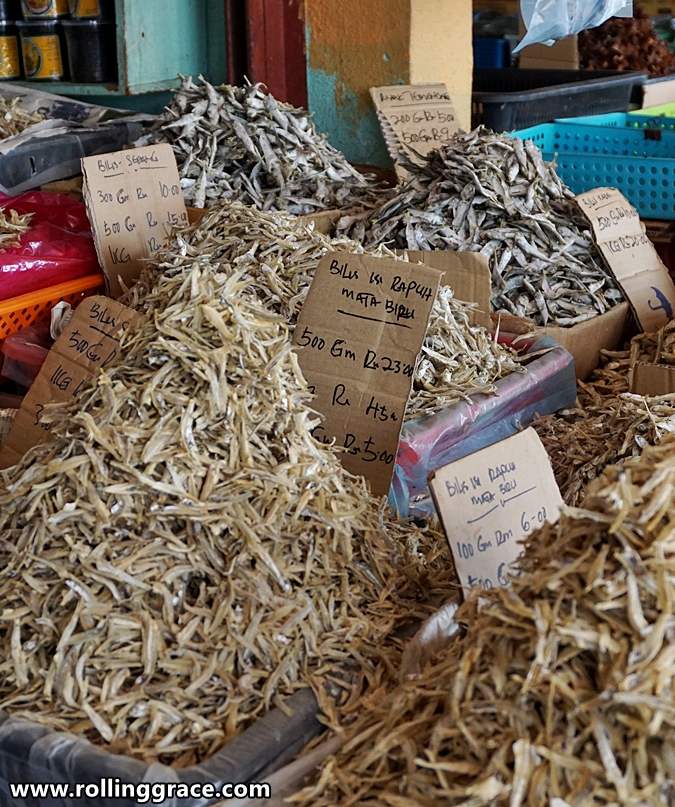
Ikan Bilis and Dried Seafood
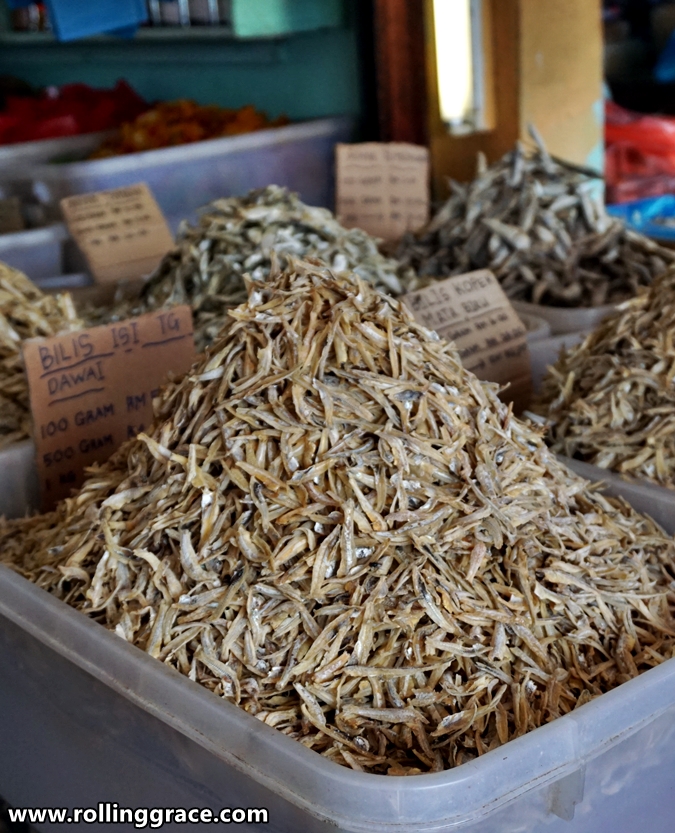
Tanjung Dawai is particularly known for its anchovies. Ikan bilis of varying sizes are sold throughout the market, peeled and cleaned, available in bulk. Larger anchovies are often reserved for frying or sambal, while smaller ones are used for stocks and seasoning.
Alongside anchovies are dried, salted, and preserved fish, as well as belacan, a fermented shrimp paste essential to Malaysian cooking. These products are arranged plainly, with prices clearly displayed. Bargaining is uncommon.
Because prices are generally lower than in urban markets, many visitors choose to stock up. These are durable items, purchased not as souvenirs but as ingredients meant to be used.
Keropok Lekor
If there is one snack consistently associated with Tanjung Dawai, it is keropok lekor. Made from fish flesh, sago flour, salt, and sugar, the mixture is shaped into thick lengths and fried in palm oil.
The result is chewy on the inside, crisp on the outside. It is served with a sweet and spicy chilli sauce and eaten hot. Keropok lekor is not unique to this village, but buying it here means it is made fresh, often on the same day, using fish from the surrounding waters.
It is inexpensive, filling, and widely eaten by locals of all ages.

How to Approach Food in Tanjung Dawai
The key to eating well in Tanjung Dawai is timing and restraint. Arrive early for market food. Eat simply. Choose dishes that rely on freshness rather than complexity. Avoid expecting variety or presentation.
Most importantly, understand that food here is part of a working system. It exists to feed people who live and work by the sea, not to perform for visitors.
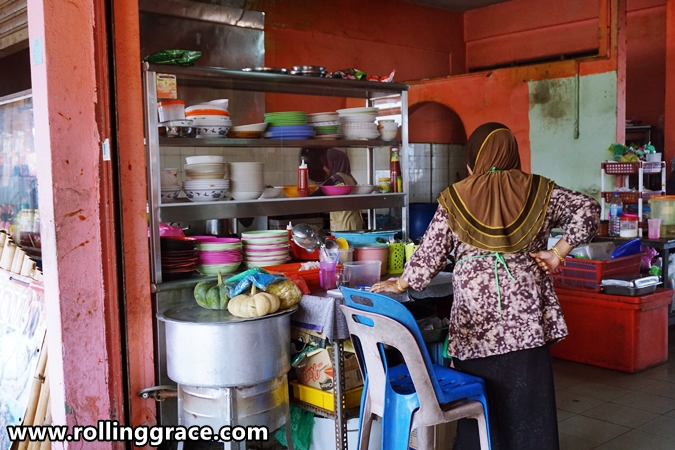
The appeal of Tanjung Dawai’s food lies in its context. Meals are shaped by availability, not trends. Seafood is sold and cooked without narrative. Dishes are repeated daily, not refined seasonally.
For travellers interested in how food connects directly to labour and place, Tanjung Dawai offers clarity. Not a culinary destination in the curated sense, but a village where eating reflects how life continues quietly along Kedah’s coast.
Come hungry, eat what is there, and leave without trying to extract meaning beyond that.
Get the good stuff first. Join Rolling Grace for the restaurants worth crossing a city for, the stays worth the upgrade, and the places to go before everyone else. Free, straight to your inbox.
Leave a Reply