The wooden platform sways gently as the boat pulls alongside it. The first thing you taste is brine. A small oyster, freshly shucked, handed over before you’ve found your footing. Bakau Hijau opens with this gesture every visit.
This is a family-run floating oyster farm and eco-tourism site on Sungai Merbok in Kedah, known officially as Bakau Hijau Sungai Merbok and run by Pak and Mak Suk.
What began as an oyster cultivation and mangrove recovery initiative has grown into a full ecological tourism operation that now includes kayaking, snorkelling, river cruises, team-building programmes, and overnight stays on a floating boat hotel.
Read also: The Jerai Hill Resort: 7 Best Things to Do at Gunung Jerai

Floating Oyster Farm along Sungai Merbok Mangrove
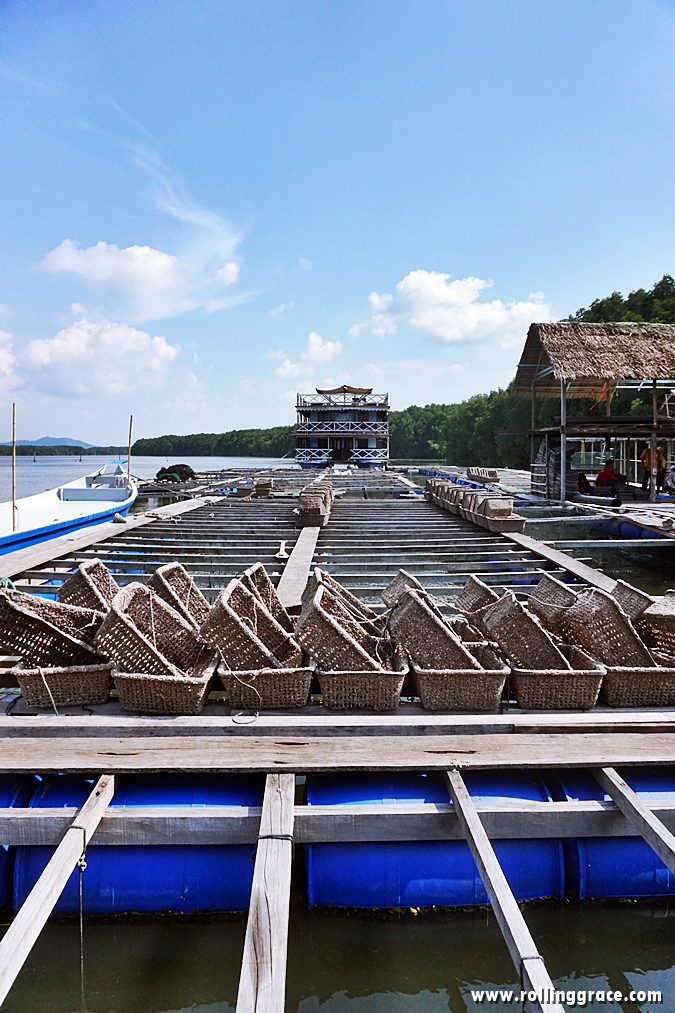
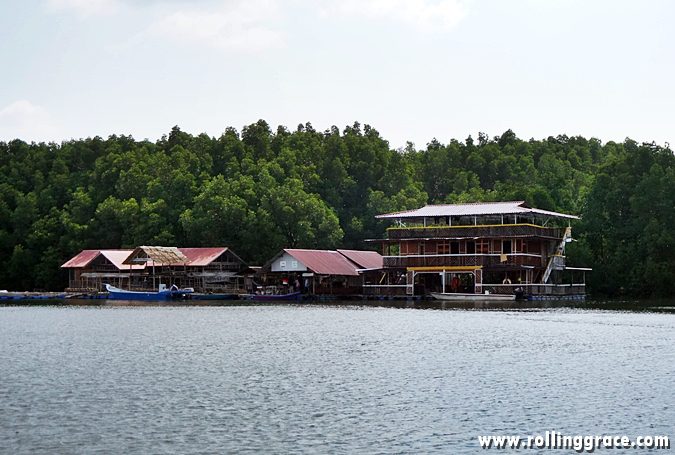
Bakau Hijau Sungai Merbok is one of the few river-based oyster farms in Malaysia open to public visits. The platform floats on the 45-kilometre Sungai Merbok, ringed by dense mangrove forest. The brackish water here, where the river meets the Andaman Sea downstream, gives the oysters their distinct briny-sweet profile.
You arrive by boat. There is no road in. The transfer from the village jetty is part of the experience: the river opens out around you, the mangrove walls close in, and by the time you reach the platform, the only sounds are water and birdsong.
How Much Do Oysters Cost at Bakau Hijau Sungai Merbok?
Oysters at Bakau Hijau Sungai Merbok are priced by size. Smaller oysters start from around RM5, medium from RM7, and the larger jumbo oysters from RM10.
Prices may have shifted, so confirm when you book. Each oyster is shucked to order in front of you and served in its bottom shell with the liquor intact.

Fresh River Oysters in Kedah
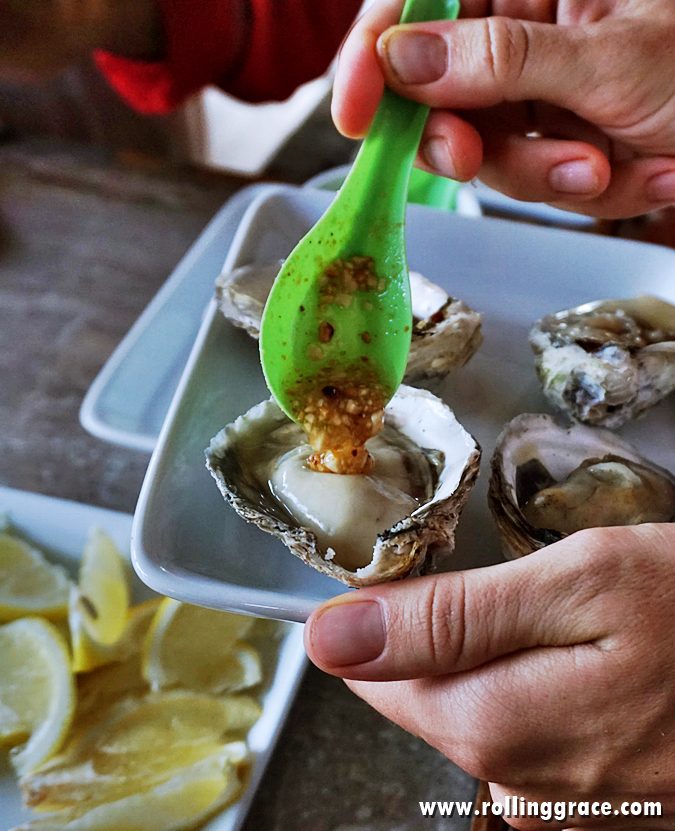
The oysters arrive minutes after they have been pulled from the cages beneath the platform. A knife slips into the hinge of the shell, twists once, and the top valve comes away clean. Each oyster is served in its bottom shell with the liquor intact, glistening on a small tray with wedges of lemon and small bowls of chopped ground nuts, crispy fried shallots, and the house chilli-sugar sauce.
The taste catches you off guard the first time. River-cultivated oysters carry a different profile from the milky white ocean oysters most people know. The flesh is firmer, the brine cleaner, the finish almost mineral. The smaller oysters taste sharp and bright. The jumbo ones, which Bakau Hijau Sungai Merbok is known for, are deeper and creamier, almost meaty.
A squeeze of lemon brings out the sweetness underneath, which is the purist’s move and works particularly well with the jumbos. The chilli-sugar sauce is the local pairing and it earns its house-signature billing, the heat and sugar pulling against the salt in a way that feels designed for the climate.
You eat them standing at the counter, or sat at one of the long wooden tables on the platform, the river moving slowly underneath you. Most visitors order a small first, then keep going.


Mangrove Kayaking, Snorkelling and a Boat Hotel
Oysters are only the entry point. Bakau Hijau Sungai Merbok now runs guided mangrove kayaking tours, snorkelling trips, river cruises, and team-building programmes for corporate groups. There is also a boat hotel on the river for visitors who want to stay overnight on the water and wake up to the mangrove at dawn.
The kayaking is the most popular add-on. You paddle through tight channels in the mangrove forest, past the cultivation cages, and out toward the open river. Birdlife is dense in the early morning, with herons and kingfishers especially active.

Pak and Mak Suk Story
Bakau Hijau began as a community initiative led by Pak and Mak Suk to recover the Merbok mangrove ecosystem and build a sustainable income for the village through aquaculture. The farm is the visible outcome of that work, and you usually meet one of the family during the tour. They are direct, knowledgeable, and happy to explain why the mangroves matter as much as the oysters do.
This origin story is the reason the place feels different from a polished tourist setup. The farm is the household income, the family business, and the village’s environmental project all at once.
How Long Does It Take to Grow an Oyster Here?
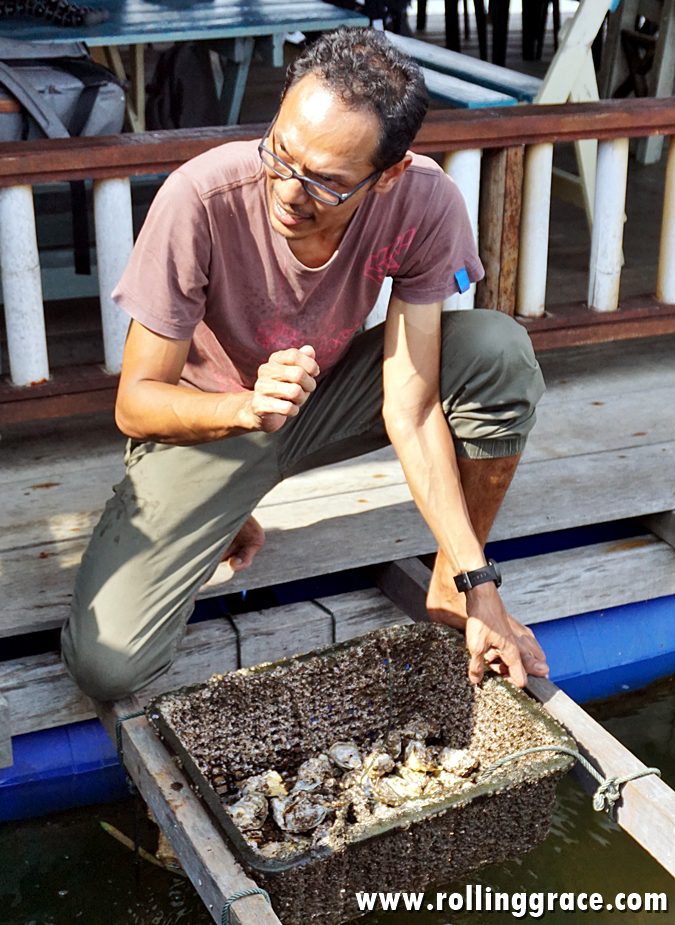
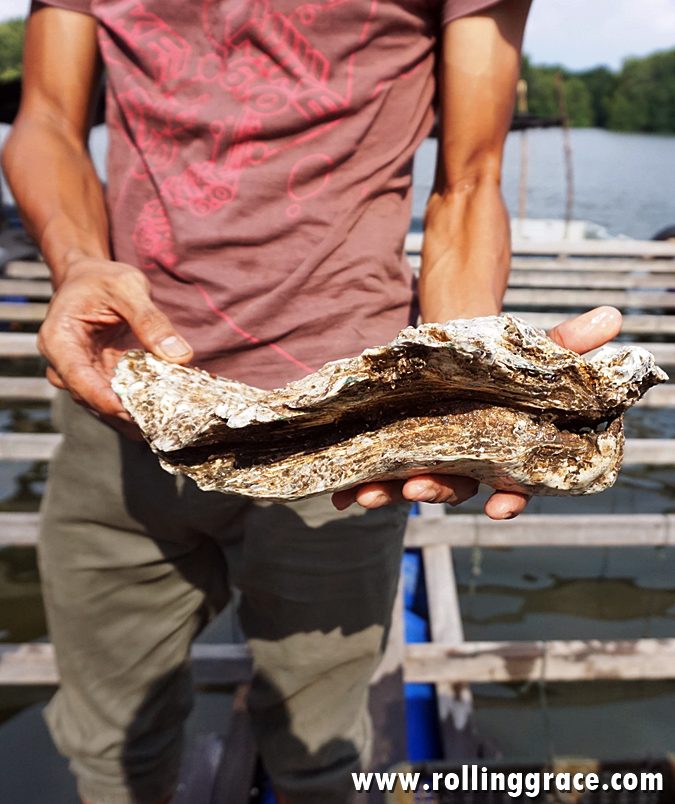
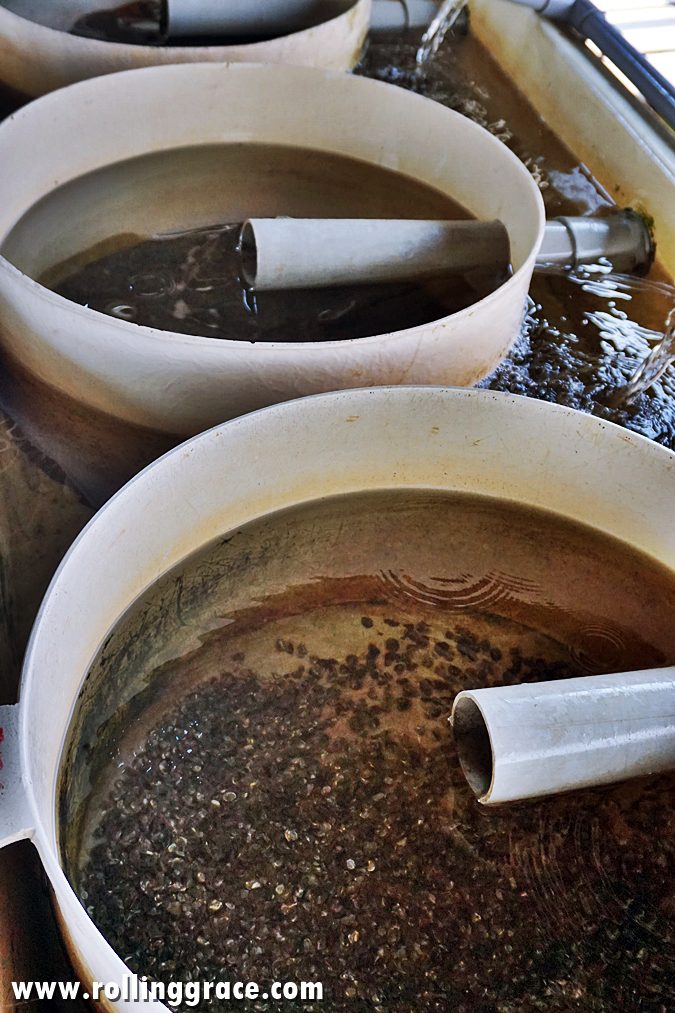
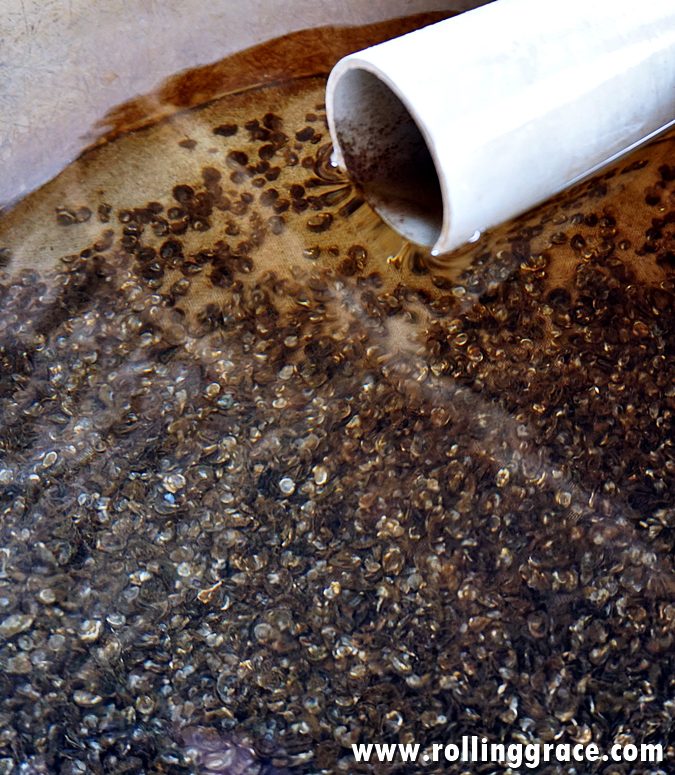
It takes between 9 and 12 months to grow an oyster at Bakau Hijau Sungai Merbok. Cultivation begins when each oyster is roughly the size of a 10-sen coin. By harvest, each one reaches between 9 and 10 centimetres. More than 10,000 oysters are being cultivated at any given time, with monthly harvests kept small for sustainability.
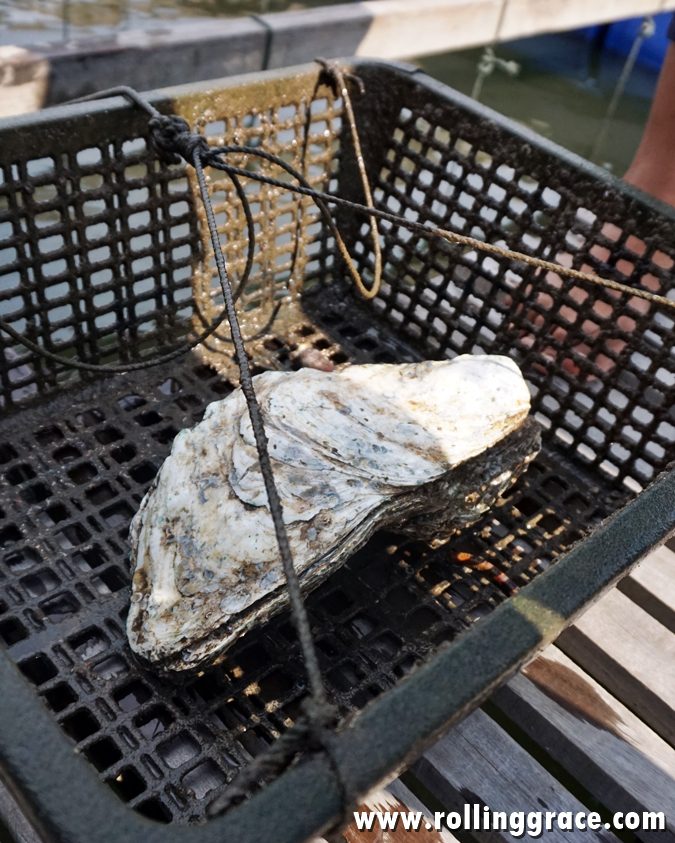
A guided tour walks you through every part of the cultivation, from the cages tied beneath the platform to the harvesting baskets pulled up by hand.

Jerai Geopark and the Bujang Valley
The farm is located inside the Jerai Geopark region and within the Bujang Valley, the richest archaeological site in Malaysia. Ruins discovered nearby at Sungai Batu have been dated to 480 BCE, predating Angkor Wat by more than 1,500 years.
A morning at Bakau Hijau Sungai Merbok pairs naturally with an afternoon at the Sungai Batu archaeological complex. Tour operators in Sungai Petani and Penang include both stops in their day-trip itineraries, and the farm has also expanded with pop-up presences in Putrajaya and Suntec City Singapore through Tourism Kedah partnerships.
When Is the Best Time to Visit Bakau Hijau Sungai Merbok?
The best time to visit Bakau Hijau Sungai Merbok is on a weekday morning between 10am and 12pm, when the river is calm, temperatures are cooler, and the family running the farm has time to talk.
Weekends bring larger groups, particularly during Malaysian school holidays. The farm is open daily from 10am to 6pm.
How to Get to Bakau Hijau Riverlodge and Floating Villa
The farm is roughly 30 minutes from Sungai Petani and about 90 minutes from George Town in Penang.
Follow signage to the village jetty in Kampung Pengkalan Langgar, where boats depart for the floating platform. Reservations are essential for kayaking, snorkelling, and boat hotel stays.
- Address: Kampung Pengkalan Langgar (PL2), Mukim Bujang, 08100 Bedong, Kedah
- Contact number: +6011-6323 9199
- Facebook: facebook.com/BakauHijauSungaiMerbok
Sustainability and Mangrove Recovery
Bakau Hijau Sungai Merbok started as a mangrove recovery initiative, and it still functions as one. River oyster farming at this scale is among the most ecologically sound forms of aquaculture, because the oysters filter the water as they grow, contributing to the health of the mangrove around them.
The Sungai Merbok mangrove is one of the most important coastal carbon sinks in northern Malaysia, supporting fish nurseries, migratory birds, and the river system that feeds the wider Kedah coast. A meal here supports all of it.
This guide is based on direct visit and contact with the farm through Tourism Malaysia, verified information from Bakau Hijau Sungai Merbok, and recent visitor reports.
Get the good stuff first. Join Rolling Grace for the restaurants worth crossing a city for, the stays worth the upgrade, and the places to go before everyone else. Free, straight to your inbox.
Leave a Reply