The most compelling sustainable travel destinations in Asia share one quality: they have made conservation and experience inseparable, and the difference shows the moment you arrive.
Sustainable travel in Asia has moved well past the point of good intentions. The destinations keeping pace with that shift are not simply slapping an eco label on their brochures. They are capping visitor numbers, passing marine conservation laws, restructuring tourism revenue back into local communities and in some cases rewriting the rulebook on what a successful destination even looks like.
These are ten of them. Each one was selected on the basis of documented conservation outcomes, visible community benefit and a visitor experience worth making the journey for.
Read also: 10 Sustainable Alternatives to Plastic That Actually Work

Bhutan
There is nowhere else on earth quite like Bhutan, and that is largely by design.
The world’s only carbon-negative country runs its sustainable tourism policy on a single principle: high value, low volume. Every visitor pays a Sustainable Development Fee of USD 100 per person per night, locked in at this rate until August 2027, which funds healthcare, education and conservation across the kingdom.
Book all inclusive Bhutan tour
Around 70 percent of Bhutan’s landmass is forested, and the constitution mandates it never falls below 60 percent. National progress is measured through Gross National Happiness rather than GDP, a framework that ties every economic decision directly to ecological and cultural outcomes. The trails, monasteries and villages here remain functional, living places rather than managed attractions, and that distinction is felt the moment you arrive.
It is among the top sustainable travel destinations in Asia, recognised for balancing tourism with long-term environmental stewardship.
Best for: Trekking, Buddhist culture and high-altitude wilderness. The Druk Path Trek and Tiger’s Nest Monastery are the two experiences that justify the journey.
When to go: Spring, March to May, and autumn, September to November, for clear skies and the most rewarding hiking conditions.

Palau
Palau may be the most legally serious eco-tourism destination in the Pacific. Every visitor signs the Palau Pledge before entering the country, a legally binding commitment to respect Palau’s culture, natural environment and marine life.
The Palau National Marine Sanctuary, enacted in 2015, covers 475,077 square kilometres of ocean, placing it among the largest marine protected areas in the world. Fishing is banned in coral reef zones, and tourism revenue is reinvested directly into reef conservation and recovery.
The result is some of the most intact marine biodiversity anywhere in the ocean, including Jellyfish Lake, where visitors snorkel among harmless golden jellyfish in a landlocked marine lake that feels entirely otherworldly.
It continues to shape conversations around sustainable travel destinations in Asia through its measured approach to development and conservation.
Best for: Diving, snorkelling and marine conservation experiences. Palau is widely regarded as one of the top five diving destinations in the world.
When to go: November to April for calmer seas and the best diving visibility.

Kerala, India
Kerala has spent decades building one of Asia’s most coherent community-based tourism models, and it shows.
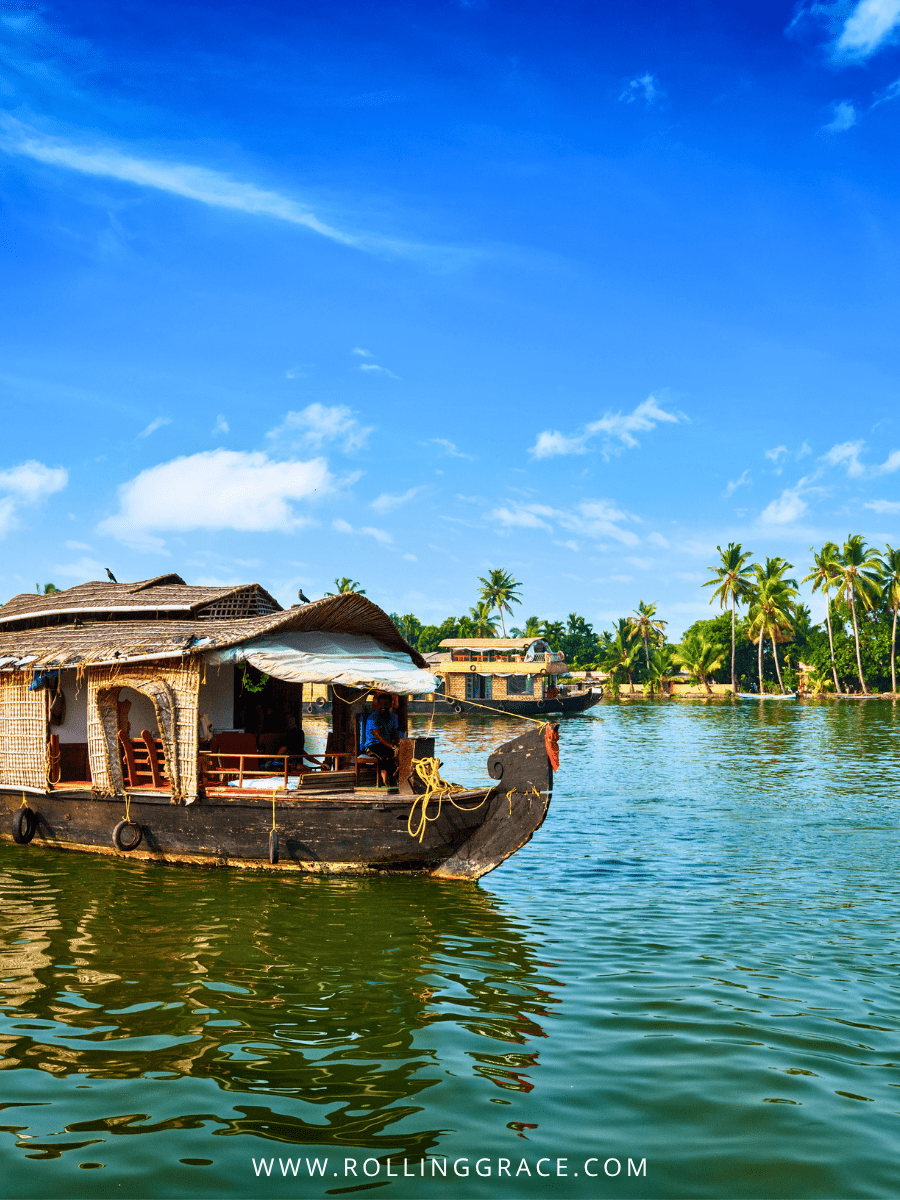
Solar-powered houseboat tours on the Alleppey backwaters are run by local cooperatives, with revenue returned directly to the families who operate them. The Periyar Wildlife Sanctuary offers guided forest walks led by former poachers turned conservation guides, a programme that has simultaneously reduced poaching and created an income stream for communities that once depended on it. The Ayurvedic retreat centres in the hill stations of Munnar and Wayanad source locally and draw on traditional practices that predate the sustainability movement by centuries.
Kerala does not perform sustainability; it simply lives it. It holds a distinctive place among sustainable travel destinations in Asia, where local heritage remains closely tied to the visitor experience.
Best for: Backwater houseboats, wildlife sanctuaries, Ayurvedic wellness and spice plantation visits.
When to go: October to March, after the monsoon has cleared and before the summer heat sets in.
Chiang Mai, Thailand
Thailand leads Asia in sustainable travel awareness and Chiang Mai is where that awareness translates most directly into the visitor experience.
Ethical elephant sanctuaries in the hills outside the city offer a different encounter with rescued animals, observed in natural behaviour rather than trained for performance. Permaculture courses, organic farm visits and local market mornings are all within reach without a tour operator. The old town is walkable, the café culture is strong, and the proximity to hill tribe communities makes slow travel the obvious approach rather than the alternative one.
It is frequently cited among sustainable travel destinations in Asia for its commitment to preserving both natural and cultural landscapes.
Best for: Ethical elephant experiences, sustainable food culture, hill tribe community visits and slow travel.
When to go: November to February for cooler temperatures and clearer skies.

Palawan, Philippines
Palawan has been called one of the world’s best islands enough times that protecting it from its own popularity has become the central challenge.
El Nido and Coron have both introduced strict reef protection regulations, mandatory local guides for island-hopping tours and single-use plastic bans across all official tour operations. Mangrove restoration programmes run along the coastline. The underground river at Puerto Princesa is a UNESCO World Heritage Site operating under a strict visitor quota.
The Philippines’ commitment to marine conservation is visible here more concretely than anywhere else in the archipelago, and the islands remain as beautiful as the photographs suggest. It has emerged as one of the more influential sustainable travel destinations in Asia, setting a thoughtful example for the wider region.
Best for: Island-hopping, reef diving, the underground river and mangrove kayaking.
When to go: November to May for the dry season and best sea conditions. February to April offers the best balance of weather and manageable crowds.

Ubud, Bali, Indonesia
Ubud is where Bali’s sustainability conversation is most advanced. Bamboo architecture, zero-waste restaurants, organic farms and community-led conservation projects have made the town a reference point for how a popular destination can evolve without losing what made it worth visiting in the first place.
A short drive away, Penglipuran Village in the Bangli regency is one of Bali’s finest examples of living heritage: a community that has maintained its traditional spatial layout and cultural practices while engaging with responsible tourism entirely on its own terms.
It stands comfortably among sustainable travel destinations in Asia, offering a more considered alternative to mass tourism.
Best for: Cultural immersion, yoga and wellness, organic food, bamboo architecture and rice terrace walks.
When to go: April to June and September to October for the best balance of dry weather and manageable visitor numbers.

Nikoi Island, Indonesia
Two and a half hours from Singapore in the Riau Archipelago, Nikoi is a 37-acre private island resort that helped establish a 138,500-hectare Marine Protected Area and has directly impacted over 16,000 people in Riau through employment and conservation investment.
Energy and water consumption at the resort run well below industry standards through conscious design rather than retrofitting. Nikoi is a member of The Long Run, a global network requiring measurable outcomes across conservation, community, culture and commerce.
For travellers wanting a comparable experience nearby, Batu Batu on Pulau Tengah in Johor Marine Park operates on similar principles with 22 villas built from tropical hardwoods by local carpenters. It is a noteworthy addition to sustainable travel destinations in Asia, where community wellbeing forms part of the tourism narrative.
Best for: Marine conservation, snorkelling, paddleboarding, family eco-travel and digital detox.
When to go: February to October for the calmest sea conditions.

Ha Giang, Vietnam
Ha Giang in Vietnam’s far north is the antithesis of the Hanoi-Hue-Hoi An tourist corridor.
Terraced rice fields and limestone karst peaks form the landscape. Homestays managed by H’Mong, Tay and Dao ethnic minority communities run on solar power and local produce, and the Ha Giang Loop motorcycle route has become one of Southeast Asia’s most compelling slow-travel experiences precisely because it passes through living communities rather than tourist infrastructure.
The revenue stays inside communities that would otherwise have almost no access to tourism income at all, which is the most honest definition of sustainable travel going. It remains one of the more established sustainable travel destinations in Asia, supported by ongoing conservation and responsible tourism initiatives.
Best for: Motorcycle touring, ethnic minority cultural immersion, rice terrace landscapes and authentic homestay experiences.
When to go: September to November for the rice harvest, which produces the most dramatic terraced landscapes, and March to May for mustard flower blooms.

Sri Lanka’s Central Highlands
The Central Highlands of Sri Lanka take in the Knuckles Mountain Range and Horton Plains National Park, both UNESCO-designated, with eco-lodges built around conservation and reforestation.
Visitors can join tree-planting activities and wildlife tracking walks. Tea plantation visits in the hill stations around Nuwara Eliya and Ella connect directly with the communities producing Sri Lanka’s most famous export.
Along the coast, reef restoration work and sustainable fishing practices are visible to anyone who takes the time to look for them. This is a destination that rewards slow movement and genuine curiosity in equal measure.
It is often highlighted within sustainable travel destinations in Asia for demonstrating how tourism can coexist with environmental protection.
Best for: Hiking, wildlife tracking, tea plantation visits, bird watching and eco-lodge stays.
When to go: January to April for the best hiking conditions in the Central Highlands.

The Maldives
The Maldives has the most to lose from climate change of any destination on this list, and that urgency has produced some of the region’s most advanced sustainability practices.
Resorts including Soneva Fushi and Six Senses Laamu operate on solar power and recycle the majority of their materials on-site. Both run active coral reef rehabilitation programmes that guests can participate in directly, from conservation dives to marine biology courses offered as standard activities.
The broader challenge for the Maldives is that luxury tourism at scale carries its own environmental costs. Choosing a property with verified sustainability credentials rather than a generic eco label is essential here, and the difference between the two is considerable.
The Maldives has earned recognition among sustainable travel destinations in Asia through sustained efforts to safeguard local ecosystems and traditions.
Best for: Reef conservation diving, marine biology experiences, solar-powered luxury and underwater photography.
When to go: November to April for the dry season and best diving visibility.

Frequently Asked Questions on Sustainable Travel Destinations in Asia
Which Asian country is the most sustainable for travel?
Bhutan is the most comprehensively sustainable travel destination in Asia. The mandatory Sustainable Development Fee, constitutionally protected forest cover and a national policy framework built around ecological and cultural preservation rather than visitor volume put it in a category of its own.
What makes a travel destination sustainable?
A sustainable destination protects its natural and cultural environment, ensures local communities benefit economically from tourism, manages visitor numbers to prevent environmental degradation and reinvests tourism revenue into conservation and community welfare. The best ones do all four simultaneously.
Are sustainable travel destinations in Asia expensive?
It depends on the destination. Bhutan requires a USD 100 per person per night Sustainable Development Fee (confirmed until August 2027), making it one of the pricier options.
Ha Giang, Kerala and Chiang Mai are among the most affordable on this list. The Maldives and Nikoi Island sit at the premium end.
When is the best time to visit sustainable destinations in Asia?
Shoulder seasons, typically spring and autumn, offer the best combination of favourable weather, lower visitor numbers and reduced environmental pressure at most destinations on this list.
Is Bali still worth visiting sustainably?
Yes. Ubud and the surrounding areas have developed a more mature sustainability infrastructure than most comparable destinations in Southeast Asia.
Stay in locally owned or community-certified accommodation, avoid peak season where possible, and lean into the cultural and agricultural experiences rather than the resort circuit.
Get the good stuff first. Join Rolling Grace for the restaurants worth crossing a city for, the stays worth the upgrade, and the places to go before everyone else. Free, straight to your inbox.
Leave a Reply