The souks in Dubai are where the city’s oldest trading instincts are still fully intact.
The Gold Souk in Deira smells of oud before you even see the gold. The scent drifts out from the shopkeepers’ bukhoor burners and settles in the covered walkways, mixing with the heat and the noise of traders calling across narrow lanes. That is your first signal that you are somewhere worth paying attention to.
Dubai’s souks are among the most commercially dense and culturally layered markets in the Middle East. Some have been trading for over a century. Others are modern recreations built to a very high standard. All of them are worth your time, and each one runs on different terms. Here is what you need to know before you go.
Read also: Gadong Night Market Brunei: 12 Delicious Local Food to Try
Perfume Souk, Deira
Clustered near the Gold and Spice Souks on Sikkat Al Khail Road, the Perfume Souk is a concentrated stretch of fragrance shops selling oud oil, musk, attar (alcohol-free perfume oil), frankincense, and custom-blended Arabic scents. The techniques used to produce some of these oils trace back centuries. Many vendors here will blend a personalised fragrance to order, in oil, spray, or solid form, in the shop while you wait.
What Makes It Different
Arabic perfumery works on different principles to Western fragrance. Oud-based oils are typically heavier, warmer, and significantly longer-lasting than alcohol-based sprays. Attar is the traditional form: pure oil applied directly to the skin, no alcohol, no synthetics.
Many of the bottles and incense burners sold here are worth buying as objects in their own right. It stands out among souks in Dubai for its layered mix of scent, texture, and heritage.
How to Get to Perfume Souk Deira
Reach via Al Ras Metro Station on the Green Line. A short walk from both the Gold Souk and the Spice Souk.
- Address: Sikkat Al Khail Road, Deira, Dubai
- Opening Hours: Saturday to Thursday: 10:00 AM to 10:00 PM | Friday: 4:00 PM to 10:00 PM

Gold Souk, Deira
The Deira Gold Souk is one of the most visited traditional markets in the world and Dubai’s oldest continuously operating commercial hub.
The covered walkways house over 380 retailers trading gold, platinum, silver, diamonds, and precious stones: everything from fine Indian filigree to chunky Emirati bridal sets and custom-order engagement rings.
What to Know Before You Go
Gold pricing here follows the international spot rate, updated daily and displayed on boards throughout the souk. The metal price is fixed. What you can negotiate is the making charge, which is the labour cost applied on top of the gold weight.
This is where the real haggling happens, and reductions of 20 to 30 per cent on making charges are not unusual if you know what you are doing. Pay in cash for better rates.
Every item sold is hallmarked and subject to Dubai Municipality inspection. The souk is regulated, and fraud is rare. That said, street vendors operating outside the licensed market area are a different matter, and caution applies there.
How to Get to Gold Souk Deira
Take the Green Line metro to Al Ras Station or Gold Souq Station. For the more atmospheric approach, cross Dubai Creek by abra from Bur Dubai for 1 AED. The ride takes five minutes and drops you at Deira Old Souk station, a short walk from the Gold Souk.
- Address: Al Ras, Deira, Dubai
- Opening Hours: Saturday to Thursday: 10:00 AM to 10:00 PM | Friday: 4:00 PM to 10:00 PM
Spice Souk, Deira
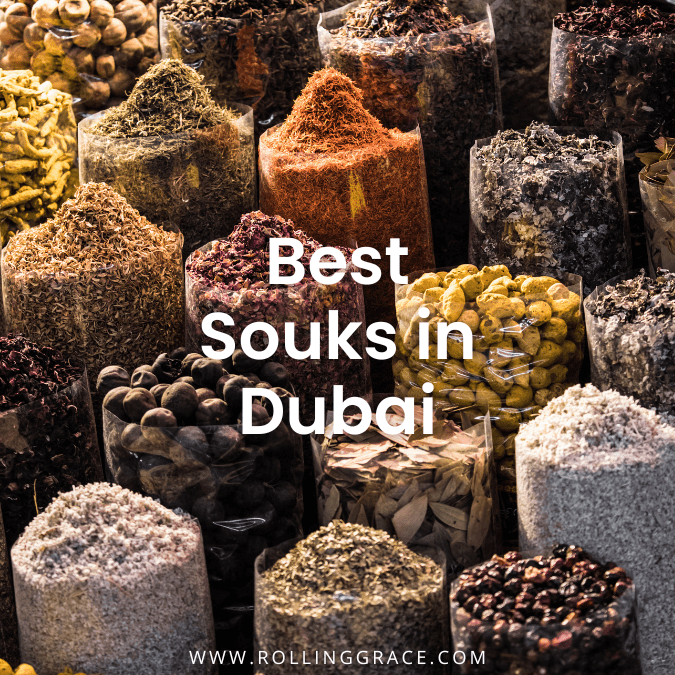
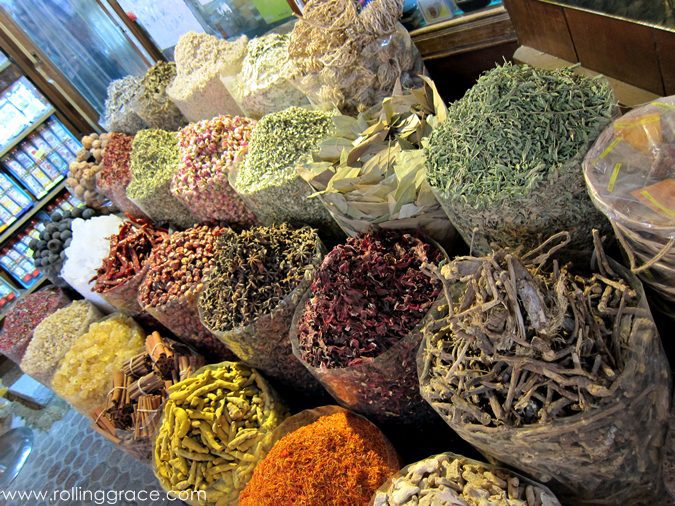
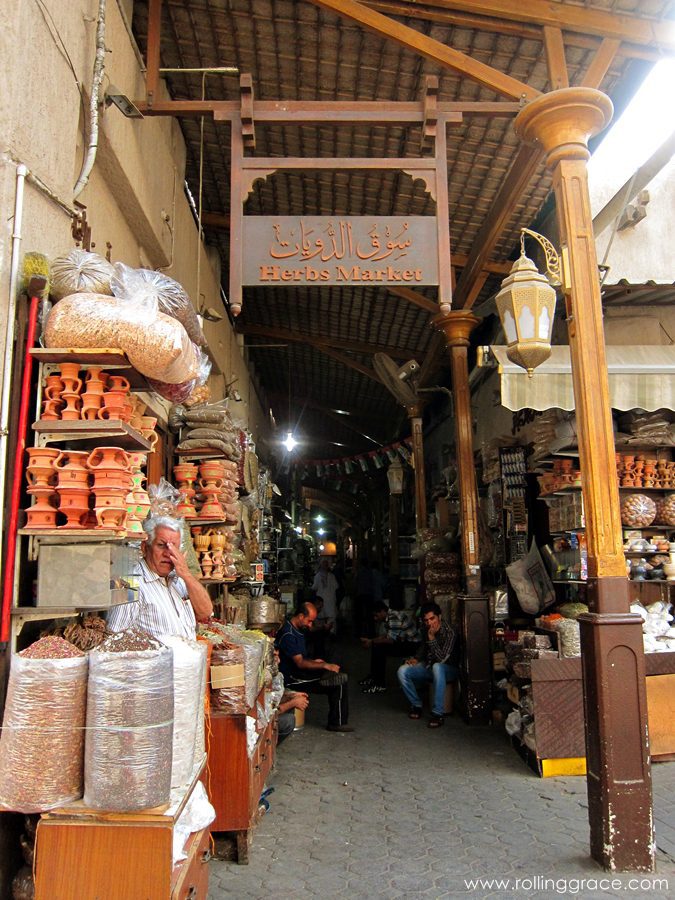
A five-minute walk from the Gold Souk, the Spice Souk is one of the most visually and aromatically distinctive markets in the city. Open sacks of saffron, cardamom, dried rose petals, frankincense, turmeric, and sumac line the alleys.
Stock is continually replenished by freight from India, Iran, and Pakistan, keeping supply dense and prices competitive. It is a well-known highlight among souks in Dubai, drawing both locals and travellers throughout the day.
What to Buy
Beyond the expected spices, the souk is one of the best places in Dubai to buy frankincense resin for home burning, natural oud, traditional herbal teas, and dried limes used extensively in Emirati and Iranian cooking.
Vendors are generally happy to let you smell before you buy, and many will explain the provenance of less familiar items if you ask.
How to Get to Spice Souk Deira
Accessible from Al Ras Metro Station on the Green Line. A direct walk from the Gold Souk through the covered lanes of Deira takes around five minutes and is worth doing on foot.
- Address: Sikkat Al Khail Road, Deira, Dubai
- Opening Hours: Saturday to Thursday: 10:00 AM to 10:00 PM | Friday: 4:00 PM to 10:00 PM

Textile Souk, Bur Dubai
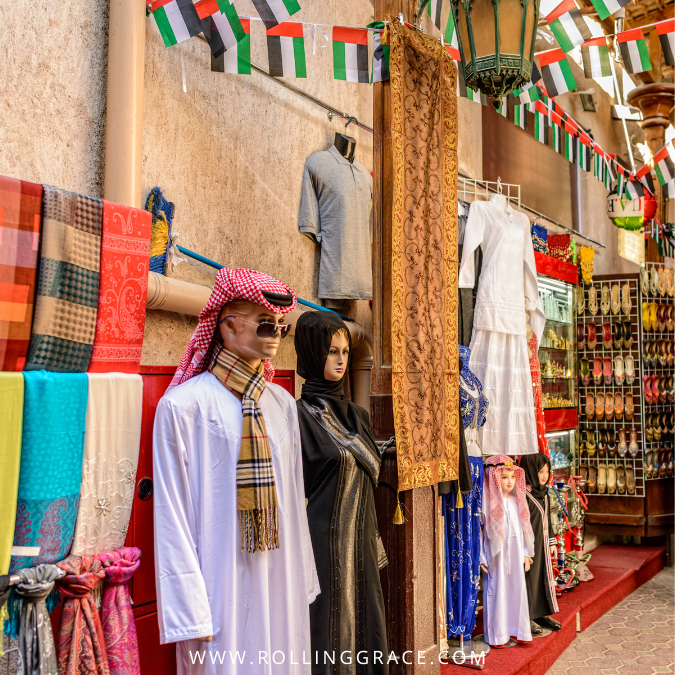
On the opposite side of Dubai Creek, in the Al Fahidi district, the Bur Dubai Textile Souk is the place to go for fabric. Bolts of silk, cotton, cashmere, linen, and heavily embroidered material fill shop after shop along a covered lane that runs parallel to the creek.
The range is extensive and the prices are far lower than anything you would find in a mall. It is regarded as a familiar name within souks in Dubai, appreciated for its long-standing presence in the city.
Tailoring Option
Most shops in the souk can connect you with local tailors who work nearby. Turnaround for a made-to-measure piece varies, but 24 to 48 hours is common for straightforward work.
If you are in Dubai for a few days and have something specific in mind, this is a useful option and not a tourist gimmick. It is one of the more photographed souks in Dubai, particularly during the late afternoon light.
Nearby Attractions
The surrounding Al Fahidi neighbourhood is one of Dubai’s most intact heritage areas. The Dubai Museum and the Al Fahidi Historical Neighbourhood are both a short walk away, and the street itself has a different energy from the pace of Deira: slower, more residential, with the creek visible from the far end of the lane.
How to Get to Textile Souk Bur Dubai
Take the Green Line to Al Fahidi Metro Station. The souk is a short walk from the station.
- Address: Al Fahidi Street, Bur Dubai, Dubai
- Opening Hours: Saturday to Thursday: 10:00 AM to 10:00 PM | Friday: 4:00 PM to 10:00 PM
Souk Al Bahar, Downtown Dubai
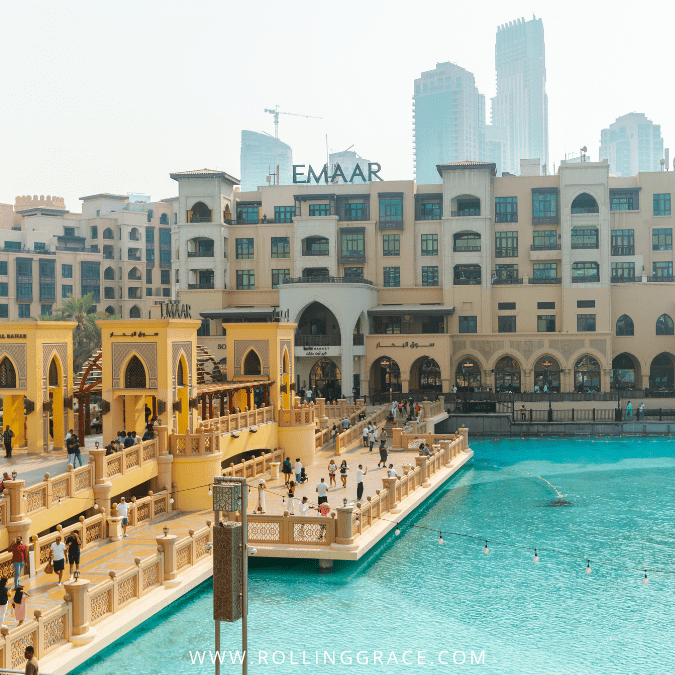
Souk Al Bahar, the “market of the sailor” in Arabic, is a contemporary Arabian-style market built directly on Burj Khalifa Lake in Downtown Dubai.
It connects to Dubai Mall via a pedestrian bridge over the water, and its outdoor terraces face directly onto the Dubai Fountain and the Burj Khalifa. Over 100 shops and 22 restaurants operate across its natural stone corridors.
Best Time to Visit
The fountain show runs daily from 6:00 PM, with afternoon performances on weekdays at 1:00 PM and 1:30 PM. The souk is at its best in the early evening when the light is warm and the outdoor seating fills up. Restaurants here stay open until midnight, so it works well as a post-Dubai Mall dinner spot.
How to Get to Souk Al Bahar
Take the Red Line to Burj Khalifa/Dubai Mall Station and follow signs through Dubai Mall to the Promenade exit. Cross the bridge over Burj Khalifa Lake directly into the souk.
- Address: Downtown Dubai, near Dubai Mall
- Opening Hours: Saturday to Thursday: 10:00 AM to 10:00 PM | Friday: 2:00 PM to 10:00 PM
Naif Souk, Deira
Naif Souk is an indoor market in Deira with a history that dates to when the area functioned as a camel trading ground. After extensive renovation in the 1980s and a rebuild following a fire in 2008, it now houses around 200 shops across a busy, functional market space.
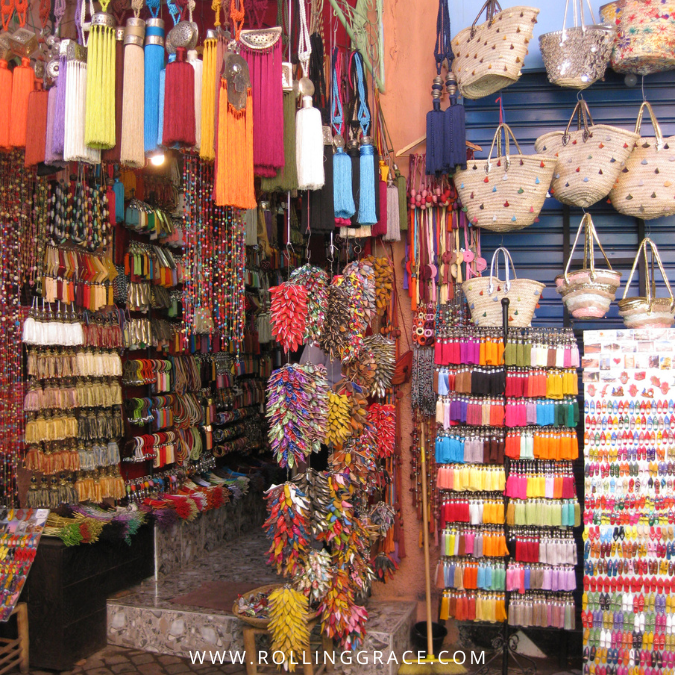
The merchandise is broad: abayas and kanduras, perfumes, leather goods, electronics, textiles, henna products, and budget souvenirs. It is a frequently visited spot within souks in Dubai, especially for those interested in local crafts and textiles.
Who Goes There
Naif is primarily a local market. The crowd is predominantly Emirati, South Asian, and East African, and the prices reflect that. It is the right place to buy practical, fairly priced goods and souvenirs without the tourist markup that applies elsewhere. Haggling is standard.
How to Get to Naif Souk Deira
Take the Green Line to Baniyas Square Metro Station. The souk is a short walk from the station.
- Address: Naif Street, Deira, Dubai
- Opening Hours: Saturday to Thursday: 8:30 AM to 11:30 PM | Friday: 4:00 PM to 11:00 PM
Karama Market, Al Karama
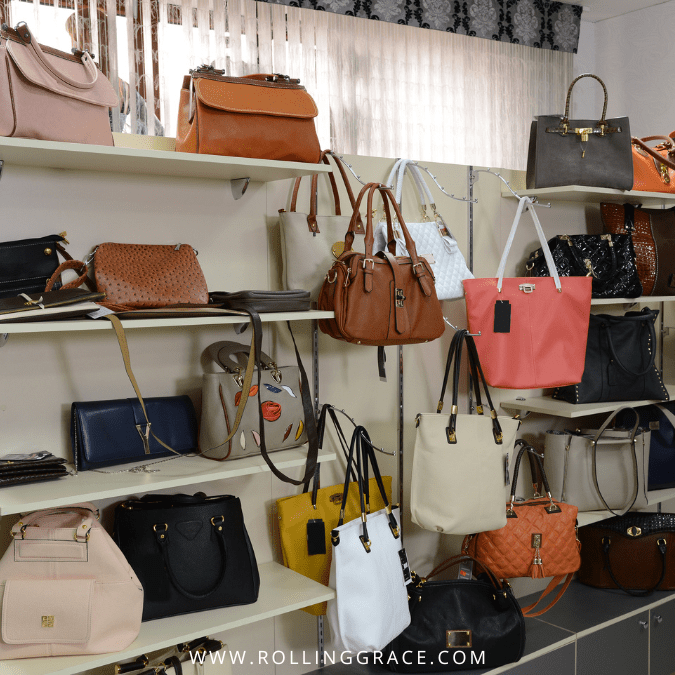
Karama Market is a dense cluster of small independent shops in the Al Karama district, popular with both residents and visitors. It has a well-known reputation for imitation designer goods, though the area has diversified considerably and now includes artisanal clothing, hand-stitched textiles, spices, perfumes, and home décor alongside the knock-offs.
It is a widely recognised destination among souks in Dubai, known for its lively atmosphere and traditional storefronts.
What It Is Good For
Souvenir shopping at Karama is more affordable than at any of the other souks in this guide. The lanes around 18B Street are packed with options, and price negotiation is expected.
After shopping, the Al Karama neighbourhood has a strong restaurant offering of Indian, Filipino, and Middle Eastern food at prices that reflect a residential area, not a tourist one.
How to Get to Karama Market
Take the Red Line to ADCB Metro Station. The market is a few minutes’ walk from the station.
- Address: 18B Street, Al Karama, Dubai
- Opening Hours: Saturday to Thursday: 10:00 AM to 10:00 PM | Friday: 4:00 PM to 10:00 PM
Souk Madinat Jumeirah
Souk Madinat Jumeirah opened in 2004 as part of the Madinat Jumeirah resort complex. Spread across 75,000 square metres of interconnected walkways, waterways, and courtyards, it is a full recreation of traditional Arabian market architecture, with wind towers, sandstone facades, and carved wooden screens, built to a standard that most actual historical markets in the region do not match physically.
There are around 75 shops, more than 20 restaurants, a theatre, and a waterway system running through the entire complex. It holds a strong reputation within souks in Dubai, particularly for visitors exploring the historic side of the city.
The Abra Rides
The canals running through Souk Madinat Jumeirah are its most distinctive feature. Traditional abra boats carry passengers on 20-minute rides through the waterways, with clear sightlines to the Burj Al Arab and the resort’s architecture.
Rides run daily from 4:00 PM to 11:00 PM, departing every 20 minutes. The cost is AED 100 per person for a standard tour, with private options available from AED 650. No advance booking is needed. Buy your ticket at the abra station on arrival.
Best Time to Visit
Evening is the right call here. The lantern lighting comes on from around 6:00 PM, the outdoor terraces fill up, and the canal reflections are at their best after dark.
The Burj Al Arab is visible from multiple points in the souk and is particularly well-framed from the outdoor restaurant terraces.
How to Get to Souk Madinat Jumeirah
The nearest metro station is Mall of the Emirates on the Red Line, approximately 1.6 kilometres away. From there, take a taxi or bus 88 to reach the resort. A taxi from Downtown Dubai takes 20 to 40 minutes depending on traffic.
- Address: Jumeirah Road, Umm Suqeim 3, Dubai
- Opening Hours: Daily: 10:00 AM to 11:00 PM (stores) | Restaurants open later, most until 2:00 AM

Frequently Asked Questions on Souks in Dubai
Which Dubai souk is best for buying gold?
The Deira Gold Souk is the established choice, with over 380 retailers, daily spot-rate pricing, and government regulation on hallmarking and authenticity. The Gold and Diamond Park near Sheikh Zayed Road offers a more relaxed mall environment for the same purpose, but without the density or atmosphere of Deira.
Is haggling expected at all Dubai souks?
At traditional souks including the Gold Souk, Spice Souk, Textile Souk, Naif Souk, and Karama Market, negotiating on price is entirely normal and expected.
At Souk Al Bahar and Souk Madinat Jumeirah, prices in most shops are fixed. The distinction is broadly this: older markets built for local trade welcome negotiation; newer, designed retail environments do not.
Are the Deira souks safe?
Yes. The Gold Souk, Spice Souk, and Perfume Souk are all in a regulated, well-patrolled commercial district. The streets are busy during trading hours and straightforwardly safe to navigate.
Be aware of street vendors operating outside the licensed souk area, as these are the instances where imitation goods and inflated prices are more likely.
What is the best time of day to visit the Deira souks?
Mornings between 10:00 AM and 1:00 PM are the least crowded at the Gold Souk, with traders having more time to engage with you. Evenings from 7:00 PM are the most atmospheric but also the busiest.
Most shops close informally between 1:00 PM and 4:00 PM, so arriving mid-afternoon can mean finding some shuttered.
Do I need to dress modestly at the souks?
Dubai’s dress guidelines apply across public spaces, including all souks. Covered shoulders and knees are appropriate and will be appreciated, particularly in the older Deira markets.
This is less about enforcement and more about basic respect for the communities that use these places daily.
Can I use a credit card at the souks?
Most retailers in the Gold Souk and larger shops elsewhere accept cards, but many smaller vendors in Naif, Karama, and the Spice Souk prefer cash. Bring a mix. Cash also gives you more room to negotiate.
A Note on Sustainability
Dubai’s older souks, particularly the Gold Souk and Spice Souk in Deira, operate on a supply chain model that is fundamentally local and short. Spices arrive by freight from neighbouring countries and are sold directly, with no significant retail markup layered on top. Gold is priced by weight with transparent global rate disclosure.
The Textile Souk still supports a live tailoring trade, not mass-produced garment retail. These markets support directly employed traders, most of whom have operated in the same locations for decades.
This guide is compiled from travel experiences, verified local sources, recent visitor reports, and direct cross-referencing with venue operators and official tourism listings.
Get the good stuff first. Join Rolling Grace for the restaurants worth crossing a city for, the stays worth the upgrade, and the places to go before everyone else. Free, straight to your inbox.
Leave a Reply