Brunei does not announce itself loudly. The sultanate is small, oil-rich, and deeply conservative, and most travellers to Southeast Asia route around it without a second thought. That is a reasonable oversight to correct.
I visited Brunei on a single trip and found a country that is quietly fascinating: a water village of 30,000 people built on stilts over a river, forests dense enough to harbour wildlife that does not exist elsewhere on the peninsula, and a national dish that requires a bamboo fork and some commitment. What follows is a practical account of what is worth your time.
Read also: 7 Best Things to See at Tamu Kianggeh Market, Brunei
Table of Contents
Useful Tips for Travellers
Brunei uses the Brunei dollar, which trades at parity with the Singapore dollar. The country is dry, meaning alcohol is not sold publicly and visitors are permitted a limited personal allowance brought in through customs.
Dress conservatively when visiting mosques, the palace grounds during open days, and Kampung Ayer. English is widely spoken across the capital. Bandar Seri Begawan is compact and most attractions are reachable within twenty minutes of the city centre.
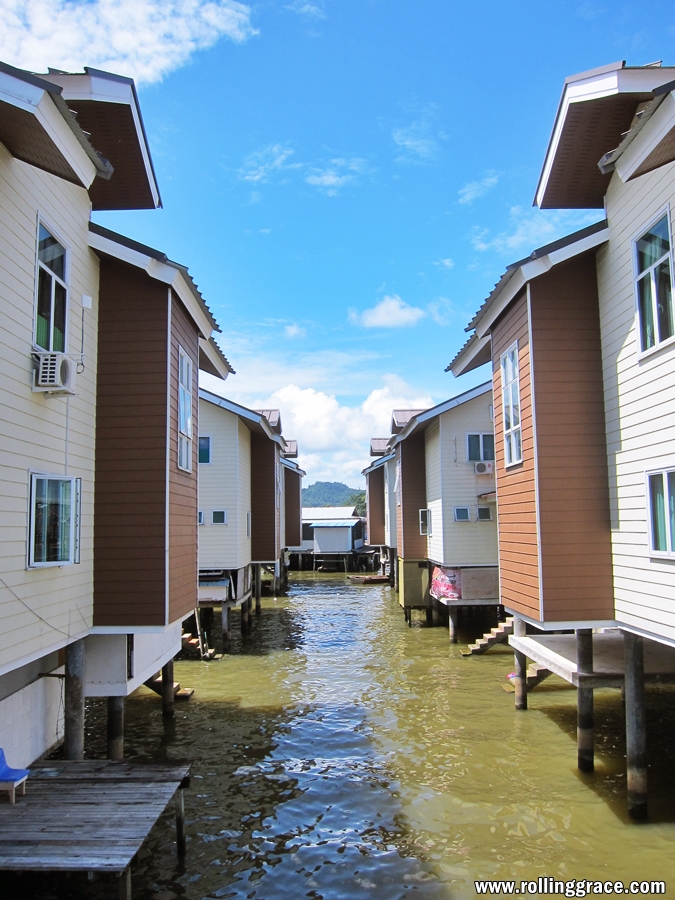
Kampung Ayer Bandar Seri Begawan
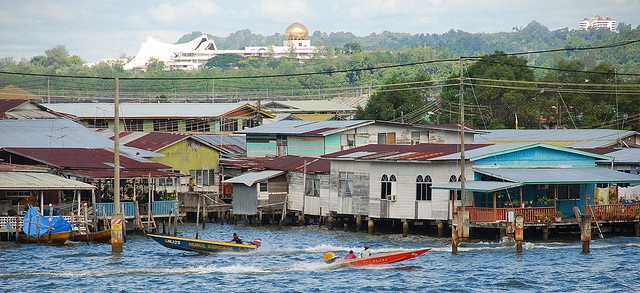
Kampung Ayer is the first thing to understand about Brunei. It is a settlement of over 4,200 stilt structures built across the Brunei River in Bandar Seri Begawan, housing around 30,000 residents across interconnected platforms of houses, schools, a hospital, mosques, and shops. It has been continuously inhabited for approximately 1,300 years and is the largest water village in Southeast Asia.

The term “Venice of the East” gets applied to many places in the region. Here it is at least structurally accurate: the village is genuinely navigated by water. The way in is by water taxi from the jetty in front of Yayasan Sultan Haji Hassanal Bolkiah in Bandar Seri Begawan. The ride takes minutes. Once inside, the scale of it becomes clearer. The older sections have narrow walkways between modest houses; the newer sections have large modern homes with gates and cars parked on wooden platforms. A public school sits over the river. Children fish off the sides of walkways after class.
It is not a museum piece or a preserved attraction. People live and work there. Visit in the morning when it is cooler and the light across the water is better. It is one of the things to do in Brunei for visitors exploring the country.


Pasar Pelbagai Barangan Gadong
Every major city in Southeast Asia has a night market, but Pasar Pelbagai Barangan Gadong in Bandar Seri Begawan operates at a scale that makes most of them look modest. The market covers nearly 6,000 square metres under a high vaulted ceiling that keeps the rain out entirely, which matters in Brunei. The layout is clean and organised, with dedicated sections for cooked food, fresh produce, snacks, and fruit.
The fruit section is worth more than a passing look. Borneo produces jungle durians with red flesh and thorns significantly longer than the commercial varieties sold elsewhere. Wild rambutans, tarap, and langsat appear depending on the season.
The food stalls cover the full range of Bruneian street eating: local noodle dishes, grilled meats, traditional kuih, and fresh coconut. Go hungry and go early in the evening before the better stalls sell out. It remains one of the things to do in Brunei worth including in an itinerary.


Proboscis Monkey River Safari
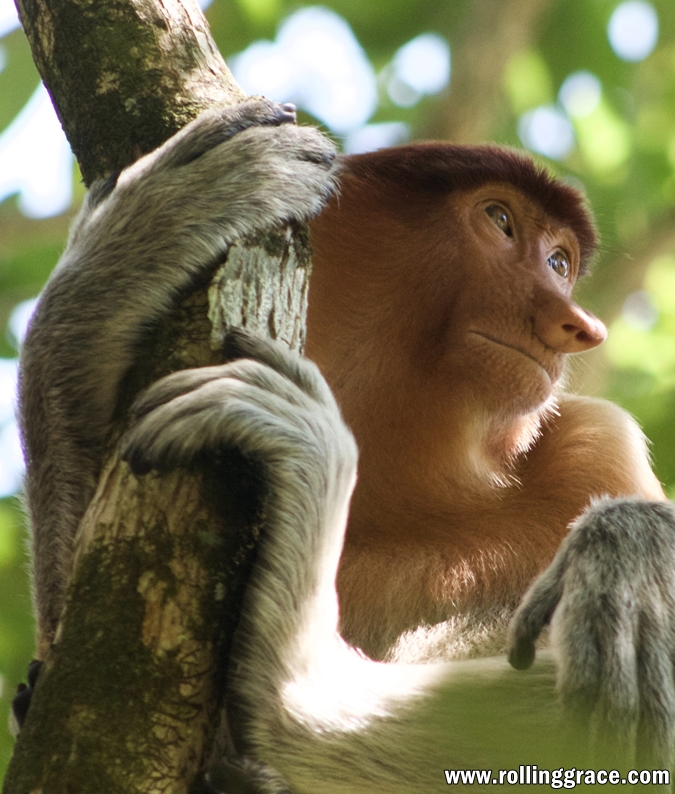
Proboscis monkeys are found only on the island of Borneo. Brunei is one of the more accessible places to see them in the wild, along the mangrove-lined creeks and rivers that run through the forests outside Bandar Seri Begawan. River safari tours run in the late afternoon and early evening when the monkeys come down from the canopy to feed along the riverbanks before dark.
The tours typically depart from and return to your hotel with transfers included, and most guides operate in English. Beyond the proboscis monkeys, the river corridors pass through intact mangrove forest with reasonable chances of spotting long-tailed macaques, monitor lizards, and various kingfisher species. The contrast between the capital visible in the distance and the undisturbed forest a few kilometres out is one of the more striking things about Brunei.
Book through your hotel or a registered local operator. The tours run for roughly two hours. It is often listed among the things to do in Brunei. It stands among the things to do in Brunei for travellers exploring the destination.
Ambuyat
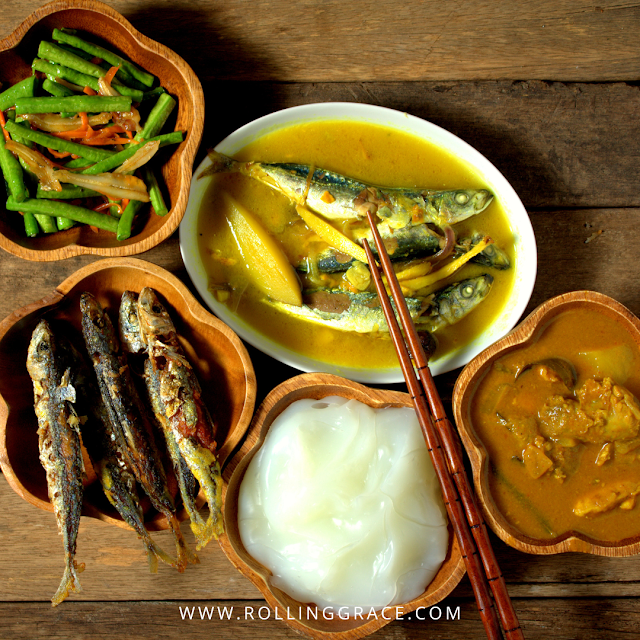
Ambuyat is Brunei’s national dish and the one food experience on this list that requires a brief explanation before you order it. It is a dense, glutinous paste made from sago palm starch, translucent in colour, flavourless and odourless on its own, and eaten by twirling it around a two-pronged bamboo fork called a chandas and dipping it directly into accompanying sauces before eating. There is no cutlery involved beyond the chandas. The texture is somewhere between very thick porridge and melted mochi.
The dipping sauces are where the flavour lives. The most traditional pairing is with pinasakan, a braised fish curry developed by the Bisaya, Dusun-Tatana, and Brunei-Malay communities of Borneo, cooked with bambangan, a local wild mango that gives it a sharp, funky sourness. Other common accompaniments include spiced chilli sauces and various curries.
Ambuyat is a communal dish, served in a large shared bowl at the centre of the table. Most local restaurants in Bandar Seri Begawan serve it. Order it with at least two or three side dishes to give the dipping enough variety across the meal.
Jerudong Park
Jerudong Park is the oldest theme park in Southeast Asia and was, at the time of its construction in the early 1990s, reportedly the most expensive ever built. It was developed at the height of Brunei’s oil wealth and originally offered free admission. That era has passed, but the park remains open and has been maintained and updated over the years.
The rides are oriented toward families and younger visitors rather than high-intensity thrill seekers. There are water slides, a wet park, and a range of fairground-style attractions. The park is large and, on quieter days, unhurried in a way that larger regional theme parks rarely are. It is a reasonable half-day option if you are travelling with children or want a low-key afternoon out of the capital. It is one of the things to do in Brunei for those visiting for the first time.

Istana Nurul Iman
Istana Nurul Iman is the official residence of the Sultan of Brunei and the largest residential palace in the world by floor area. The complex covers 200,000 square metres and contains approximately 1,788 rooms, a mosque with capacity for 1,500 worshippers, a banquet hall that holds over 5,000 guests, and a garage spanning more than 100 units housing the Sultan’s private car collection of around 700 vehicles.
For most of the year it is visible from the water and from certain points along the river, but not accessible to the public. The exception is Hari Raya Aidilfitri, during which the palace opens its gates for three days of public audience with the Sultan, a tradition that draws thousands of visitors. Muslim visitors may also enter during the final ten days of Ramadan for prayers at the palace mosque.
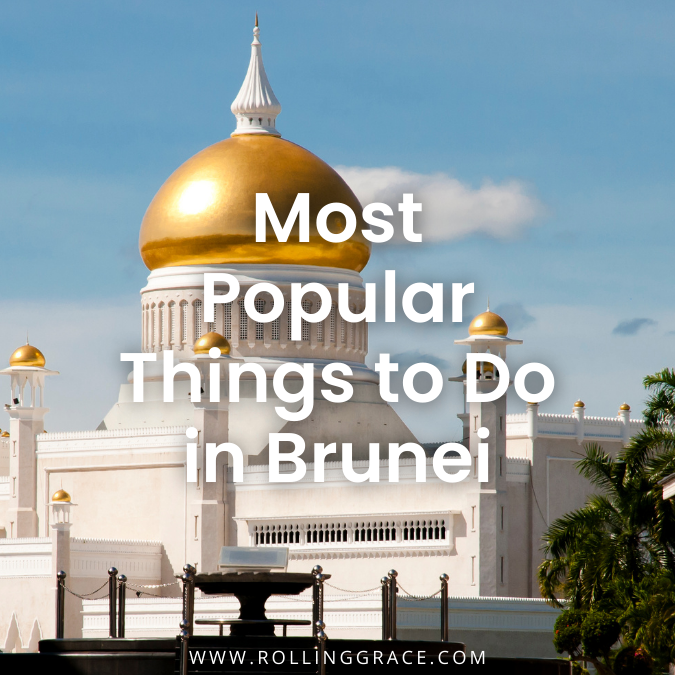
The scale of the building reads differently depending on your vantage point. From a water taxi on the Brunei River, the gold dome and the full width of the facade are visible in a way that no road view replicates. If you are taking a river tour, ask your driver to pass by. A visit here is often included among the top things to do in Brunei.
Frequently Asked Questions
- Is Brunei worth visiting? Yes, particularly for travellers interested in Bornean wildlife, Islamic architecture, and a version of Southeast Asia that operates very differently from its neighbours. It is best visited as a short trip of two to three days combined with a broader Borneo itinerary.
- What is Brunei known for? Brunei is known for its oil wealth, strict Islamic governance, the Istana Nurul Iman palace, Kampung Ayer water village, and its well-preserved rainforest, which covers over 70 percent of the country.
- What is the best time to visit Brunei? The driest months fall between February and April. Brunei receives heavy rainfall year-round as part of the equatorial climate, so a covered indoor option like Pasar Gadong is useful regardless of when you visit.
- Can tourists drink alcohol in Brunei? Non-Muslim visitors may bring a limited personal allowance of alcohol into Brunei through official customs channels. Alcohol is not sold publicly anywhere in the country.
- How do you get to Kampung Ayer? By water taxi from the jetty in front of Yayasan Sultan Haji Hassanal Bolkiah in Bandar Seri Begawan. The crossing takes a few minutes and costs a small fare negotiated with the driver.
Discovering Things to Do in Brunei
Over two-thirds of Brunei is covered by intact rainforest, and the country has some of the most stringent environmental protections in the region. The proboscis monkey river safaris operate in natural habitat with no feeding or baiting of animals.
Choosing registered operators supports the local guides whose livelihoods depend on the forest remaining intact.
Love stories like this? Subscribe to the Rolling Grace newsletter for thoughtful travel notes, hidden dining gems, and slow discoveries from across Asia.
Leave a Reply to Gadong Night Market Brunei: 12 Delicious Local Food to TryCancel reply