Sabah’s best islands are not along the west coast. They are in the southeast, clustered around the Tun Sakaran Marine Park off Semporna, a fishing town most visitors pass through quickly without realising the scale of what sits just offshore.
The islands here range from the most celebrated dive destination on earth to uninhabited coral outcrops where the only company is whatever is living in the reef below. Getting there requires a domestic flight to Tawau on AirAsia or Malaysia Airlines, a minivan or cab to Semporna for around RM100, and a speedboat transfer of between 30 and 45 minutes to the islands.
These are the ten islands in Sabah that deserve a place on your radar.
Read also: Seaventures Dive Rig, Sipadan: Honest Review and Guide 2026
Table of Contents
Tips for Travelling to the Islands in Sabah
Sipadan permits are allocated through registered resorts and are capped at 120 per day. Book accommodation on Mabul or Kapalai as early as possible, particularly for travel between April and October.
Snorkelling day trips to the non-permit islands can be arranged through operators in Semporna town at short notice. Bring cash, as ATM access in Semporna is limited and the islands have none.

Pulau Bodgaya
Bodgaya is the largest island in the Tun Sakaran Marine Park, which surprises most visitors given how little attention it receives compared to Sipadan and Mabul. It measures roughly 8 kilometres in length and sits on the rim of a volcanic crater estimated at 2.58 million years old. The interior is forested and largely undisturbed, with three main peaks, the highest reaching 455 metres. It is one of the few islands in the region where the draw is the land rather than the water.
Hiking trails lead through dense tropical forest to the summits, with views across the surrounding marine park at the top. The biodiversity on the island is significant. Flora and fauna that have had millions of years of undisturbed development in a volcanic island environment makes for a different kind of nature experience than the reef-focused visits most people make to the region. It remains one of the islands in Sabah worth visiting.
Pulau Sipadan
Sipadan is Malaysia’s only true oceanic island, rising 600 metres directly from the floor of the Celebes Sea on a volcanic cone covered in living coral. There is no continental shelf beneath it. The reef drops away immediately from the shoreline into open water, which is precisely what makes the diving so unusual.
Hammerhead sharks, schools of barracuda, green and hawksbill turtles, and leopard sharks are routine sightings. Rodale’s Scuba Diving Magazine has listed it among the top dive destinations in the world, a designation that has held for years.
Access is controlled. The Malaysian government limits daily visitors to 120 permit holders, and permits are allocated through the resorts on nearby Mabul and Kapalai. You cannot stay on Sipadan itself. Book well in advance, particularly for peak season between April and October, as permits sell out months ahead. It is one of the islands in Sabah for visitors exploring the region.
Pulau Mabul
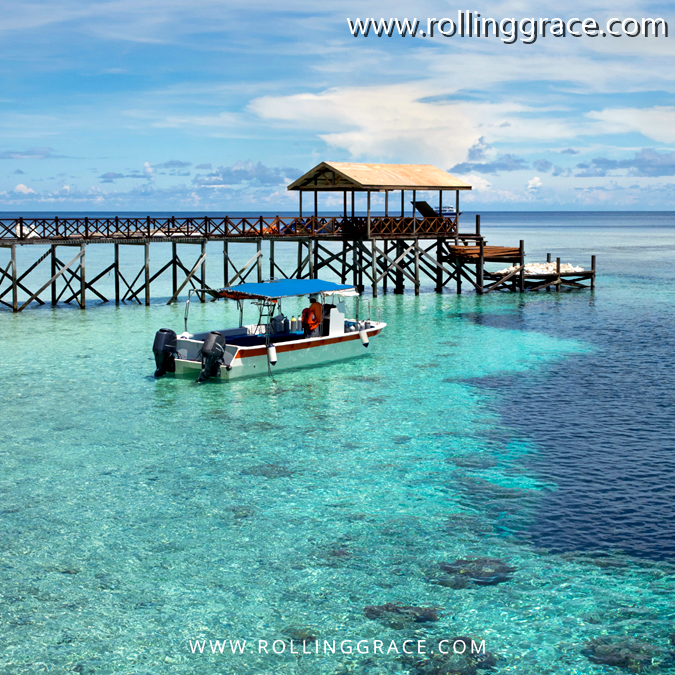
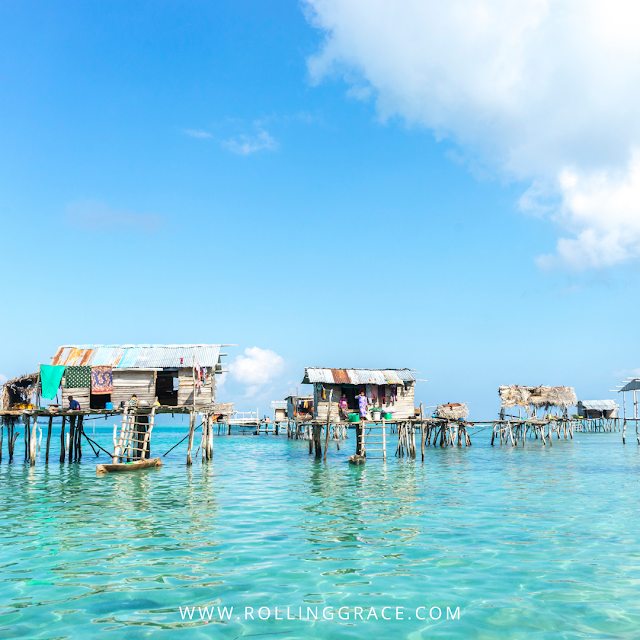
Mabul is where most Sipadan divers stay, but it is worth understanding on its own terms. The island sits in the southeast of Sabah and is one of the few remaining places in the world with an active Bajau Laut community. The Bajau Laut, sometimes called sea nomads, have historically lived on boats and temporary stilt structures over the water rather than on land. Several fishing villages on Mabul are still structured this way, with families occupying wooden houses built directly over the sea.
The diving around Mabul itself is strong for macro: pygmy seahorses, frogfish, ghost pipefish, and blue-ringed octopus are regularly found in the sandy shallows. It is a completely different experience from the pelagic diving at Sipadan and worth doing both. Accommodation ranges from budget guesthouses in the village to mid-range and higher-end dive resorts on the island’s perimeter.
Pulau Bohey Dulang
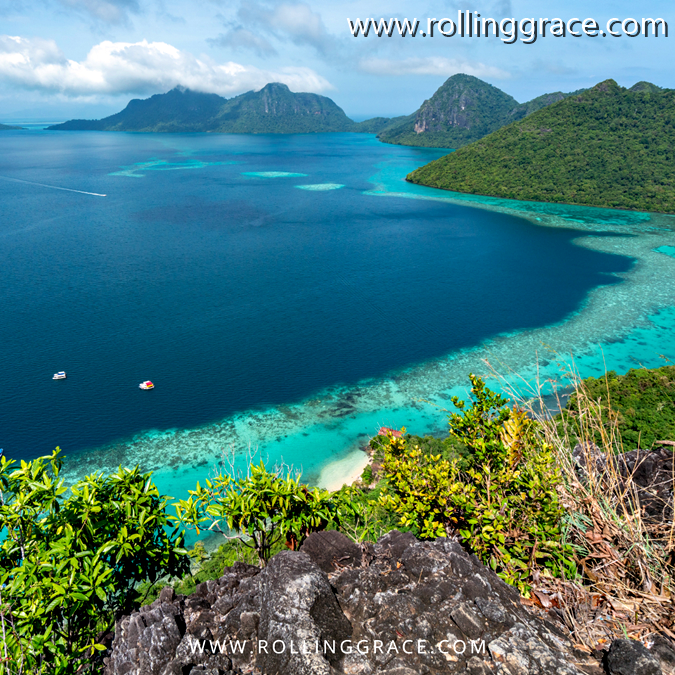
Bohey Dulang is best known for the view from its peak, which most visitors reach in under an hour on a trail that climbs roughly 20 metres through forest to a lookout above the treeline. From the top, the geometry of the Tun Sakaran Marine Park becomes visible all at once: the surrounding islands, the coral reef along the southern shore of Bohey Dulang itself, and the full span of sapphire water between them. It is one of the more photographed viewpoints in Sabah.
The island was formed from the remnants of ancient volcanic activity and shares the same geological history as Bodgaya. The coral reef on its southern side is large enough to be visible from distance. Most visitors come on day trips from Semporna as part of island-hopping packages, spending a few hours before moving on. The hike is accessible for most fitness levels. It is one of the islands in Sabah known for its coastal scenery.
Pulau Lankayan
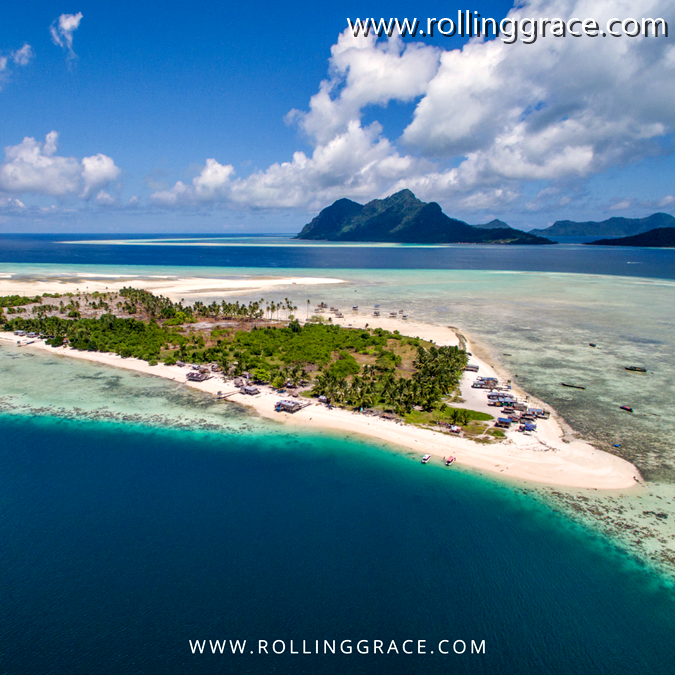
Lankayan is a small coral island in the Sulu Sea off Sabah’s Beluran district, further north than the Semporna cluster and reached by a longer boat transfer. There is one resort on the island, the Lankayan Island Dive Resort, which has been operating since 1997 and effectively controls the visitor experience entirely. The island is closed to day trippers.
The diving is the draw, specifically the macro marine life and the historical wrecks in the surrounding waters. Whale sharks pass through seasonally between March and May.
The isolation is more complete than at Mabul or Mataking: fewer boats, no village, and a forest interior that has been left largely untouched. For divers who want to remove themselves from the Sipadan circuit entirely, Lankayan is the alternative. It continues to be one of the islands in Sabah visited by travellers.
Pulau Mataking
Mataking is two islands connected by a narrow sandbar that appears and disappears depending on the tide. The combined landmass is small, the beaches are in good condition, and the diving is consistently solid in the Celebes Sea waters around it. The island holds one specific distinction: it is home to Malaysia’s only underwater post box, housed inside an old 40-foot wooden cargo ship called the Mataking Post. There are five underwater post offices of this kind in the world.
The novelty aside, the wreck itself is a decent dive, and the reef around Mataking has enough variety to keep most divers occupied across multiple sessions. The island is less crowded than Mabul and suits visitors who want a quieter base than the main Sipadan hub. It is among the islands in Sabah that draw visitors to the area.
Pulau Kapalai
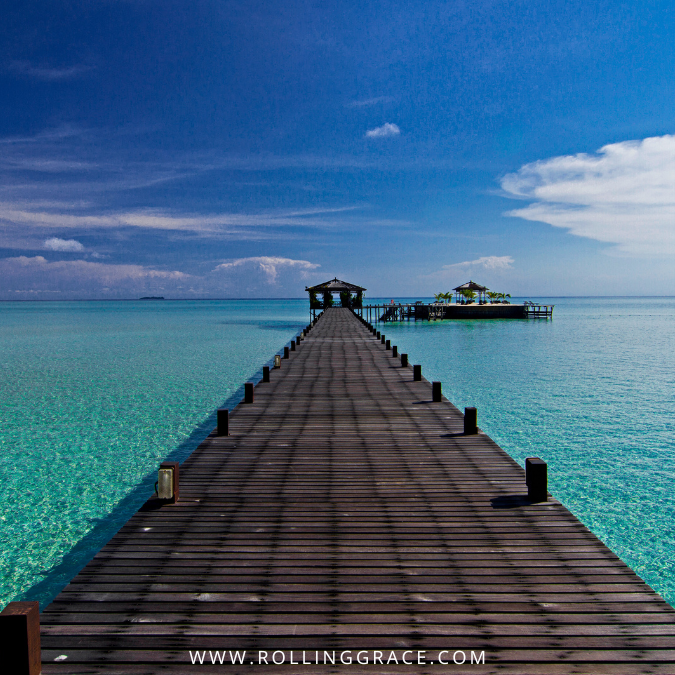
Kapalai no longer exists as a conventional island. What was once a landmass has eroded over time into a sandbar, and what sits there now is the Kapalai Dive Resort, a water village built entirely on stilts over the shallow reef flat approximately 15 kilometres from Sipadan. There is no beach, no forest, and no land to walk on. The entire experience is aquatic.
The diving is the reason to come. The reef flats around Kapalai are excellent for macro, and the proximity to Sipadan means day trips are straightforward for permit holders staying here. The resort setting is genuinely unusual: breakfast over open water, the reef visible through the floorboards, and the isolation is near total. It is a specific kind of trip that suits a specific kind of traveller.
Pulau Selakan
Selakan is the most populated island in the Tun Sakaran Marine Park. It has a school, basic facilities, and two jetties, and the Bajau Laut community here occupies both the shoreline and the water around it, with wooden boats and stilt structures extending out from the main settlement. It is a working community rather than a resort island, and visits have a different character accordingly.
Most travellers encounter Selakan as a stop on island-hopping boat tours from Semporna. It offers a more grounded view of how people actually live in this part of Sabah than the resort islands provide. The surrounding waters have good snorkelling with easy access from the jetty. It is one of the islands in Sabah for those exploring beyond the mainland.
Pulau Maiga
Maiga is one of the quieter stops in the Semporna island cluster, identifiable by the tall coconut palms that line its shores and provide shade across most of the beach. The palms are dense enough to break the wind, which keeps the immediate shoreline calmer than some of the more exposed islands nearby. It is a popular stop for island-hopping groups looking for a straightforward beach break between diving and snorkelling sessions.
The water around Maiga is clear and the beach is clean. There are no resorts and no permanent tourist infrastructure, which keeps it from feeling like a managed attraction. Bring your own food and water if you are spending any length of time here.

Pulau Pom Pom
Pom Pom is a small coral reef island in the Celebes Sea, roughly 30 kilometres northeast of Semporna, with a circumference of about 2.3 kilometres and a fringing reef extending 4 kilometres around it. The water is clear and the reef is in reasonable health, making it a reliable option for snorkelling and recreational diving for visitors who are not pursuing the Sipadan permit circuit.
The island has resort accommodation and is accessible as a day trip from Semporna. It is less infrastructure-heavy than Mabul and less remote than Lankayan, which places it in a useful middle category for travellers who want access to good water without the planning required for the more serious dive destinations in the region.
How to Get to the Islands in Sabah
Fly into Tawau Airport (TWU) from Kuala Lumpur or Kota Kinabalu, with daily direct flights operated by AirAsia and Malaysia Airlines. The journey takes around 2 hours 45 minutes from Kuala Lumpur and about 1 hour from Kota Kinabalu.
From the airport, Semporna is approximately a 1 to 1.5 hour drive. Transfers are available via shared minivans or private taxis, with fares typically starting from RM100 depending on the type of vehicle and number of passengers.
From Semporna Jetty, speedboat transfers connect travellers to nearby islands such as Mabul, Kapalai, and Sipadan. Travel time ranges between 30 to 45 minutes depending on sea conditions and distance. Most island resorts arrange scheduled boat transfers as part of the booking, often aligned with arrival times in Tawau, so it is advisable to confirm timings in advance.
Frequently Asked Questions
- Which is the best island in Sabah for diving? Sipadan is consistently rated among the best dive sites in the world and is the benchmark for diving in Sabah. Mabul, Kapalai, and Lankayan are strong alternatives with different marine environments.
- Do you need a permit to visit Sipadan? Yes. Daily visitor numbers are capped at 120 and permits are allocated through licensed resorts. There is no walk-in access. Book well in advance.
- Can you stay on Sipadan Island? No. All accommodation on Sipadan was removed by the Malaysian government in 2004. Divers stay on Mabul, Kapalai, or Pom Pom and visit Sipadan on day trips.
- How do you get to the Semporna islands? Fly to Tawau, then take a cab or minivan to Semporna for around RM100, then a speedboat to your island of choice.
- Is Sabah worth visiting for non-divers? Yes. Bohey Dulang and Bodgaya both offer hiking with strong views. Mabul and Selakan provide access to the Bajau Laut communities. Maiga and Pom Pom are straightforward beach destinations.
Discovering the Best Islands in Sabah
The Tun Sakaran Marine Park is a protected marine area and Sipadan’s permit system exists specifically to limit reef degradation from diver traffic.
Choose operators who follow no-touch diving guidelines and do not feed marine life. Several resorts in the area run coral restoration programmes worth asking about before booking.
Get the good stuff first. Join Rolling Grace for the restaurants worth crossing a city for, the stays worth the upgrade, and the places to go before everyone else. Free, straight to your inbox.
Leave a Reply