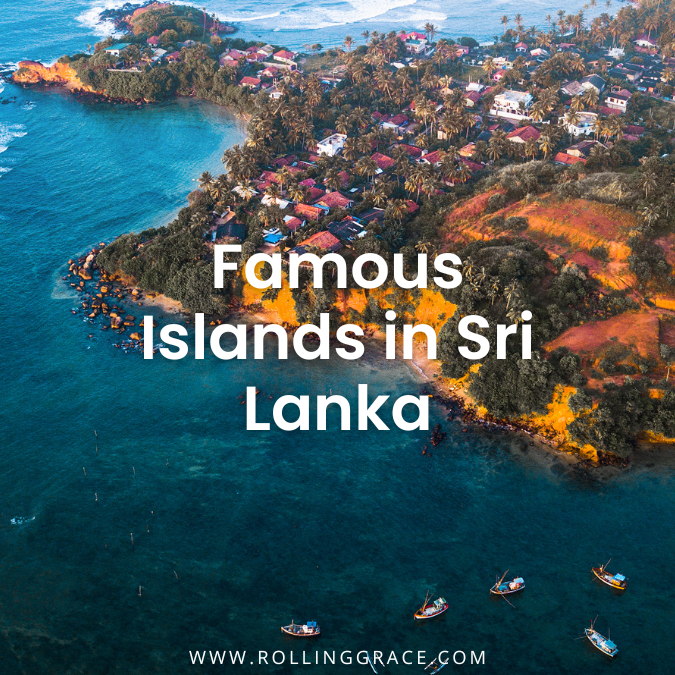
Beyond the mainland, the best islands in Sri Lanka reveal quieter coastlines, fishing villages, and landscapes shaped by the Indian Ocean.
Sri Lanka’s coastline gets most of the attention, but the islands sitting just off it are a different story entirely. Some are barely touched by tourism. Others carry centuries of colonial history in their ruins and roads. A few require nothing more than a short boat ride to reach a reef that most visitors never find. Together, they make a case for slowing down and going further than the standard itinerary allows.
Here are seven of the best islands in Sri Lanka, each worth the detour.
Read also: Top 10 Attractions in Kathmandu: A Cultural Journey in Nepal
Delft Island (Neduntheevu), Jaffna
Delft Island sits in the Palk Strait off Sri Lanka’s northern coast and reaches by ferry from Jaffna. It is flat, windswept and largely untouched. There is no resort here, no tourist infrastructure to speak of, and the coral paths that cut across the island see more ponies than people on most days.
Those ponies are the detail that stays with you. Brought to the island by the Portuguese from Arabia and left to roam wild after the Dutch departure, they move freely across the island in small groups, grazing along the roadside and wandering past the ruins of Dutch forts without much concern for who is watching.
The island also holds a giant baobab tree, ancient stables and coral-built walls that stretch for considerable distances across the flat terrain. It is the kind of place that takes some effort to reach and gives back something harder to name once you are there.
This island ranks among the best islands in Sri Lanka for its mix of nature, village life, and ocean views.
- Best for: History, solitude, off-grid travel
- How to get there: Ferry from Jaffna

Pigeon Island, Trincomalee
A short boat ride from Nilaveli Beach on Sri Lanka’s northeastern coast brings you to Pigeon Island National Park, one of the country’s few protected marine sanctuaries. The reef sits close to the surface and the water is clear enough to see the bottom before you are even in it.
Blacktip reef sharks move through the shallows with some regularity. Sea turtles, clownfish and parrotfish are common sightings for snorkellers working the reef. Visitor numbers are capped and entry tickets are purchased directly from the Wildlife Department booth on Nilaveli Beach, and licensed boat operators handle transfers to the island. This keeps the reef in better condition than most comparable spots in the region.
It runs as a day trip from Trincomalee or Nilaveli. Go early. The light is better and the water is calmer before midday.
This spot continues to be recognised as one of the best islands in Sri Lanka for visitors seeking coastal escapes.
- Best for: Snorkelling, marine life, day trips
- How to get there: Boat from Nilaveli Beach
Mannar Island, Northwestern Sri Lanka
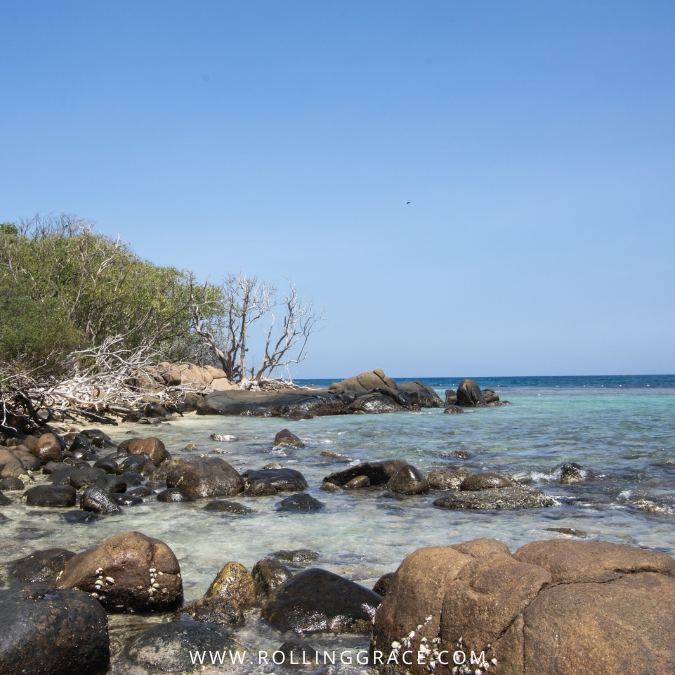
Mannar connects to the mainland by a long causeway and feels immediately different from the rest of Sri Lanka on the other side of it. The landscape opens into salt flats, open sky and stretches of quiet that are hard to find elsewhere on the island.
The ruins of Mannar Fort carry the fingerprints of Portuguese and Dutch occupation. Old church spires sit alongside fishing villages that have been here for generations. Flamingos wade through the lagoons during migration season, joined by pelicans and storks in numbers that make the area one of the better birdwatching spots in the country.
Adam’s Bridge, the chain of limestone shoals running toward India said in Hindu mythology to mark the path of Lord Rama, is visible from the island’s northern edge. Whether you come for the legend or the landscape, Mannar rewards the drive.
- Best for: Birdwatching, history, wide open space
- How to get there: Drive via causeway from Mannar town

Kayts Island, Jaffna Peninsula
Kayts sits close to Jaffna town, connected by a narrow causeway, and sees a fraction of the visitors that travel further north to Delft. The pace here is slower and the setting more domestic. Fishing piers, village temples and the pace of Tamil daily life make up most of what you find.
The ruins of Kayts Fort, a former Portuguese maritime stronghold, sit by the water in various states of collapse. The beaches are unmarked and mostly empty. Local fishermen work the shoreline in the early mornings and the food available in the village is straightforward and good.
For travellers who want to spend time in a place that functions entirely for its own residents rather than for visitors, Kayts is worth an afternoon or a full day. This island stands among the best islands in Sri Lanka for its distinctive landscapes and local culture.
- Best for: Culture, quiet beaches, local food
- How to get there: Drive from Jaffna via causeway

Taprobane Island, Weligama
Taprobane is privately owned, sits just offshore from Weligama Bay on the southern coast, and reaches by wading through shallow water at low tide or a short boat transfer. The entire island is occupied by a single colonial villa built in the 1920s that has hosted writers, artists and travellers looking for somewhere completely removed from the mainland.
The villa’s open terraces look out over Weligama’s crescent beach. The gardens wrap around the estate in dense tropical growth. Stays here are exclusive by design. It is not a hotel in any conventional sense, and that is the point.
For a honeymoon or a private retreat with serious historic character, Taprobane is among the most singular options on the Sri Lankan coast.
- Best for: Private stays, honeymoons, seclusion
- How to get there: Wade or boat from Weligama Beach

Maduganga Islands, Southern Province
The Maduganga River runs between Balapitiya and Ambalangoda on the southern coast, threading through mangrove forest and opening into a network of small riverine islands that most visitors drive straight past on the way to Galle.
A wooden boat from Balapitiya takes you through narrow mangrove channels, past cinnamon plantations and stilted fishermen working the water. The Kothduwa Temple sits on one of the islands, said to have housed the sacred Tooth Relic at some point in its history. Monitor lizards move along the banks. Purple herons and kingfishers are common throughout.
The Maduganga wetland is listed under the Ramsar Convention as one of the last healthy mangrove ecosystems in Sri Lanka. A morning boat tour through it is one of the better low-key experiences available on the southern coast. This place remains one of the best islands in Sri Lanka for travellers exploring beyond the mainland.
- Best for: Boat tours, birdwatching, ecology
- How to get there: Boat from Balapitiya

Katchatheevu, Palk Strait
Katchatheevu is difficult to reach and not set up for general tourism, but it draws pilgrims from both Sri Lanka and India each year for the St. Anthony’s Festival. The island’s shore fills with devotees crossing the Palk Strait by boat for a celebration that has continued across disputed territorial boundaries for generations.
Outside of the festival period, Katchatheevu is largely empty. Its significance is cultural and religious rather than recreational, and visiting requires planning and appropriate permissions. For those with a specific interest in the cross-border Tamil heritage that defines the island, it is worth the effort.
This island is often counted among the best islands in Sri Lanka for its coastal scenery and quiet pace.
- Best for: Cultural pilgrimage, heritage travel
- How to get there: Organised boat trips during festival season

Best Time to Visit
The northern and eastern islands, including Delft, Pigeon Island and Kayts, are best visited between May and September when the weather is dry and the sea is calm. The southern islands, including Taprobane and Maduganga, sit in the opposite weather window. Plan those visits between November and April.
Tips for Visiting Islands in Sri Lanka
Several of these islands have little or no facilities on arrival. Bring water, cash and sun protection regardless of where you are headed. For marine parks like Pigeon Island, book through a licensed operator.
On the smaller northern islands, dress modestly and move through village areas with consideration for the communities that live there year-round.
Sustainability in Sri Lanka
Sri Lanka’s island ecosystems are under varying degrees of pressure from tourism and climate change. The Maduganga wetlands operate under Ramsar protection. Pigeon Island is a gazetted national park with capped visitor numbers.
Travelling with licensed operators, staying on marked paths and avoiding contact with coral and wildlife keeps these places intact for the visits that come after yours.
Get the good stuff first. Join Rolling Grace for the restaurants worth crossing a city for, the stays worth the upgrade, and the places to go before everyone else. Free, straight to your inbox.
Leave a Reply