Putrajaya Parks form the green framework of Malaysia’s administrative capital, where wetlands, botanical gardens and lakefront corridors define how the city functions and feels.
Putrajaya was conceived as Malaysia’s administrative capital, but it was also designed as a garden city from the outset. Located roughly 25 kilometres south of Kuala Lumpur, the city was planned in the 1990s with a clear objective: integrate government infrastructure with open green space, water management systems and landscaped public access. Today, more than one third of Putrajaya is dedicated to parks, wetlands and lake corridors.
Unlike older Malaysian cities that evolved organically, Putrajaya was master-planned with sustainability embedded into its blueprint. Its lake system was engineered not only for visual impact but for flood control and microclimate moderation. Wetlands were constructed to filter water naturally before it enters Putrajaya Lake. Hills were retained to create elevation and airflow. The result is a capital where parks are not peripheral but central to how the city functions.
If you are searching for the best parks in Putrajaya for walking, hiking or simply spending time outdoors, these eight offer the most rewarding experiences.
Read also: Au Soleil Le Méridien Putrajaya Pool Party
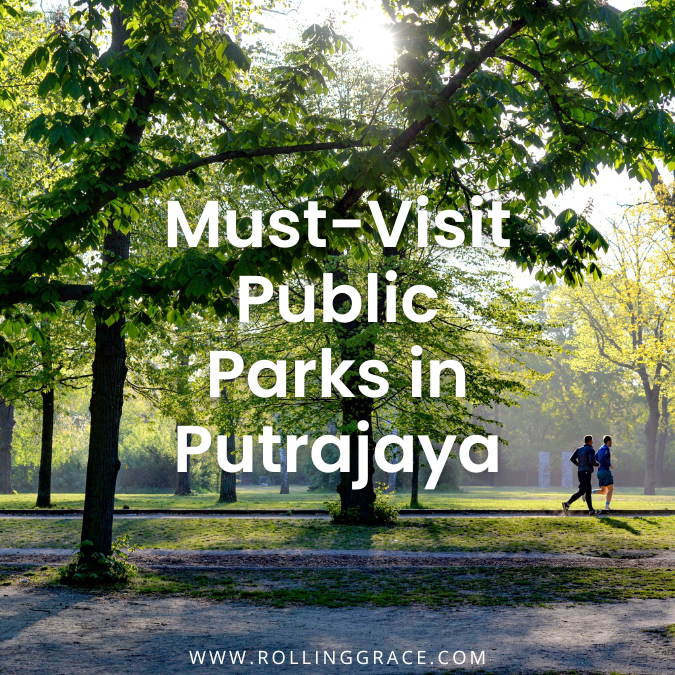
Putrajaya Wetlands Park
Size: Approximately 335 hectares
Entry: Free
Putrajaya Wetlands Park is Malaysia’s largest constructed freshwater wetland and one of the most significant ecological features of the city. Built as part of the lake’s water management system, the wetlands filter runoff before it flows into Putrajaya Lake, reducing sediment and improving water quality.
Boardwalk trails pass through marshland, open water zones and bird habitats. The park supports over 200 bird species, including migratory visitors during certain seasons. Observation towers provide elevated views across the wetland cells, allowing visitors to understand the scale of the system.
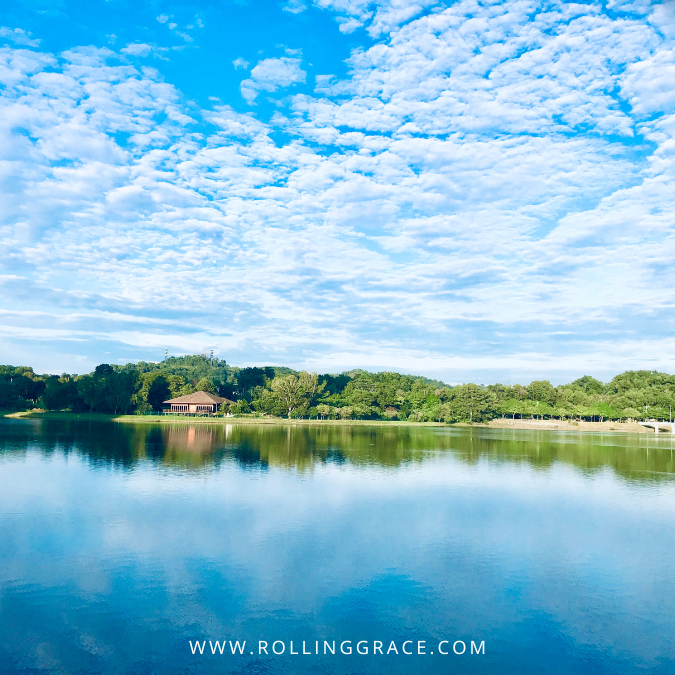
Taman Botani Putrajaya
Size: 92 hectares
Entry: Free general entry
Taman Botani is one of Malaysia’s largest botanical gardens, home to more than 700 plant species collected from tropical and subtropical regions. The garden is organised into themed sections including medicinal plants, palms and ethnobotanical collections.
Cycling paths and paved walking routes make the park accessible for families and casual visitors, while the Canopy Bridge offers an elevated view over tree crowns. The park’s design emphasises plant diversity, public education and conservation.
Beyond leisure, it functions as a living plant repository, supporting botanical study and environmental awareness.

Taman Saujana Hijau
- Size: 47 hectares
- Entry: Free
- Parking for vehicles: RM1
Taman Saujana Hijau occupies a hilltop overlooking the city, offering open lawns and pine-lined slopes rarely associated with Malaysia’s lowland climate. The park is divided into European, Oriental and English-themed sections, each defined by planting style and garden layout.
Elevated walking paths lead to viewpoints facing Putrajaya’s skyline, including distant views of the Putra Mosque and administrative buildings. The park is popular for sunrise walks and photography due to its terrain and visibility. The hillside location allows airflow and cooling that contrast with lower lakefront parks.

Taman Putra Perdana
Entry: Free
Located near the Putrajaya Landmark, Taman Putra Perdana sits at one of the city’s highest points. From here, axial planning lines extend outward toward key government complexes.
The park contains structured gardens, jogging paths and open lawns. The Putrajaya Landmark monument marks the city’s development history and is often used for ceremonial events and public gatherings. It offers one of the most comprehensive skyline views in Putrajaya.
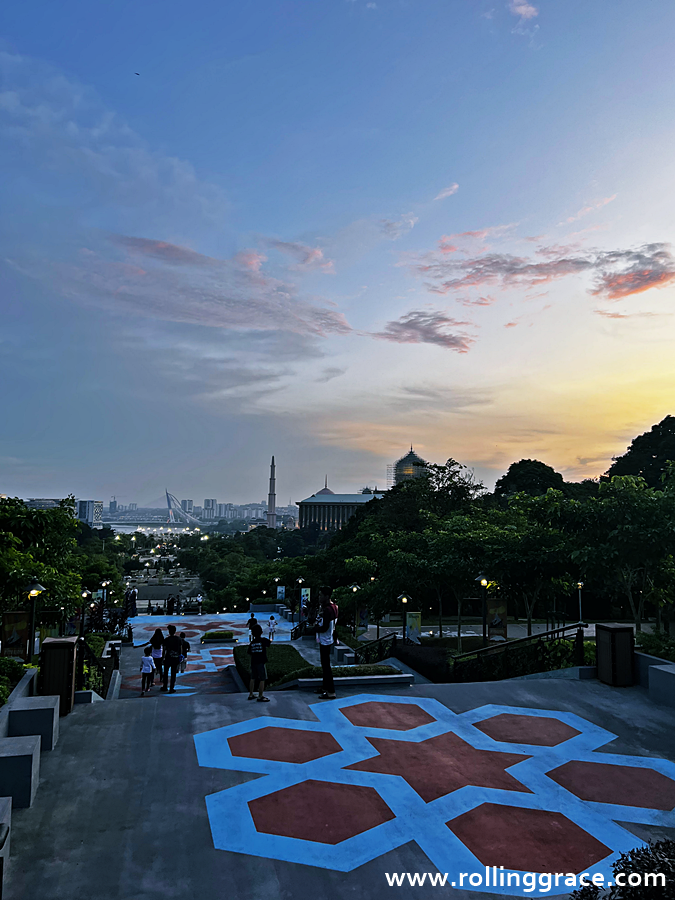
Taman Wawasan Putrajaya
Size: Approximately 137 acres
Entry: Free
Taman Wawasan is positioned along Putrajaya Lake and features terraced gardens cascading down toward the water. Its sloped terrain makes it suitable for fitness walks and light hill training.
The park’s lakefront promenade connects to broader pedestrian networks, allowing extended walking routes across bridges and waterfront paths.
Its design integrates open lawns with lake-facing platforms, making it one of the most visually balanced parks in the city.

Putrajaya Rimba Alam Park
Size: Approximately 400 acres
Entry: Free
Rimba Alam Park focuses on rainforest conservation and reforestation. Unlike manicured gardens, this park preserves indigenous tree species and secondary forest.
Trails are more rugged and less ornamental, appealing to visitors seeking a forest setting without leaving the city boundary. Interpretive signboards explain reforestation efforts and biodiversity objectives. The park reinforces Putrajaya’s environmental narrative by retaining native ecosystems within an administrative capital.
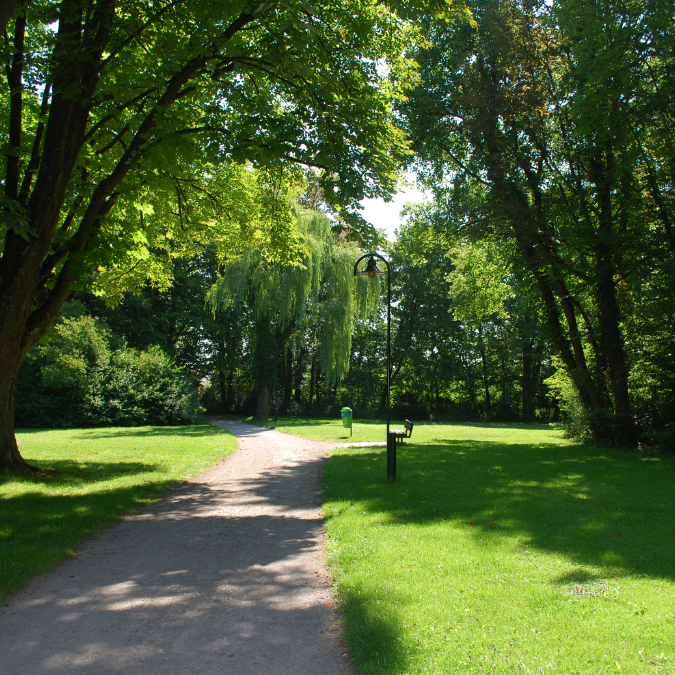
Taman Warisan Pertanian
Size: 16 hectares
Entry: Free
Taman Warisan Pertanian presents Malaysia’s agricultural heritage within a structured landscape that reflects the country’s rural foundations. Traditional crops including rubber, cocoa, oil palm and a range of tropical fruits are cultivated across the grounds, offering a practical overview of industries that shaped national development.
Visitors may observe activities such as rubber tapping and walk through kampung-style structures that reflect vernacular rural architecture. Demonstrations are scheduled according to operational timings and seasonal harvest cycles, so availability may vary.
Interpretive signboards explain how agriculture contributed to Malaysia’s economic growth, from plantation commodities to subsistence crops. Set within a modern administrative capital, the park provides a direct link to the agrarian systems that preceded it, grounding contemporary Putrajaya in a broader historical context.
Secret Garden Putrajaya
Entry: Free
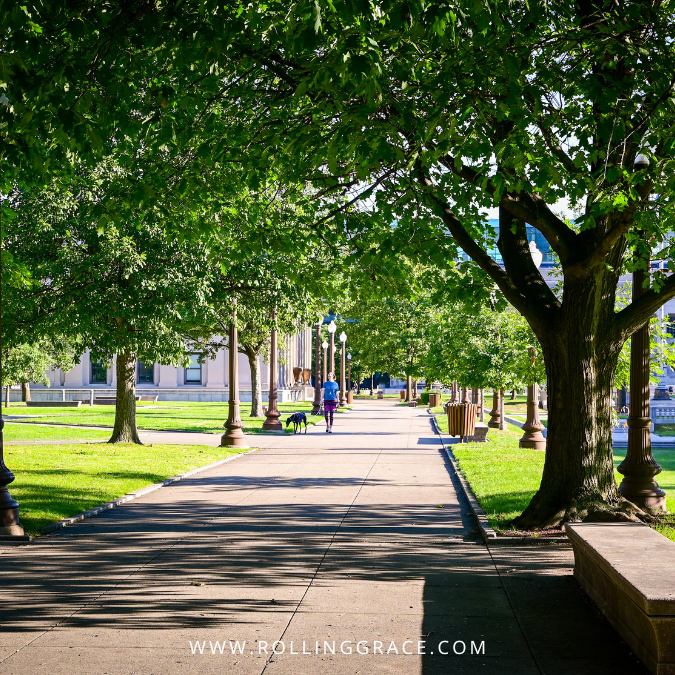
Smaller and more intimate than the others, Secret Garden Putrajaya features ornamental plantings, shaded pathways and seating areas within the urban core.
While compact, it provides accessible greenery for short walks and casual visits. Its design prioritises plant aesthetics and calm enclosure within the city grid.

Tips for Visiting Putrajaya Parks
Opening Hours
Most Putrajaya parks are open during daylight hours. Visitors should note that lighting is limited after sunset, and certain areas may not be suitable for walking in low visibility.
Entry Fees
The majority of Putrajaya parks are free to enter, reflecting the city’s emphasis on public access to green space.
Transport
Putrajaya Sentral serves as the main transit hub, connected via MRT and ERL. From there, local buses, Grab and cycling are practical ways to move between precincts. While distances are manageable by car, the parks are distributed across different zones.
Best Time to Visit
Early mornings between 7am and 9am are cooler and more suitable for walking or hiking. Late afternoons provide softer light, particularly along the lakefront.
Nearby Attractions
The Putra Mosque, with its pink granite façade and lakeside setting, remains one of Malaysia’s most recognisable religious landmarks. Nearby, the Seri Wawasan Bridge and Perdana Putra complex reinforce the city’s architectural identity.
For accommodation, options such as Putrajaya Marriott Hotel and Pullman Putrajaya Lakeside provide direct lake access. Shopping and dining are centred around Alamanda Putrajaya and IOI City Mall.

Putrajaya parks form part of a deliberate environmental system designed to regulate water, moderate temperature and preserve biodiversity within a functioning administrative capital.
In a region where rapid urbanisation often reduces public green space, Putrajaya demonstrates that government infrastructure and environmental planning can coexist. Wetlands clean water before it enters the lake. Forest pockets protect native species. Botanical collections educate visitors on plant diversity.
For visitors and residents, the Putrajaya parks serve as daily recreational grounds. For planners and policymakers, they represent a case study in integrating ecology within city design.
Putrajaya is frequently perceived as formal and administrative. Its parks reveal another dimension. Walking through wetlands, climbing hilltop gardens or tracing lakefront promenades offers insight into how the city was built, and why green space remains central to its identity.
Get the good stuff first. Join Rolling Grace for the restaurants worth crossing a city for, the stays worth the upgrade, and the places to go before everyone else. Free, straight to your inbox.
Leave a Reply