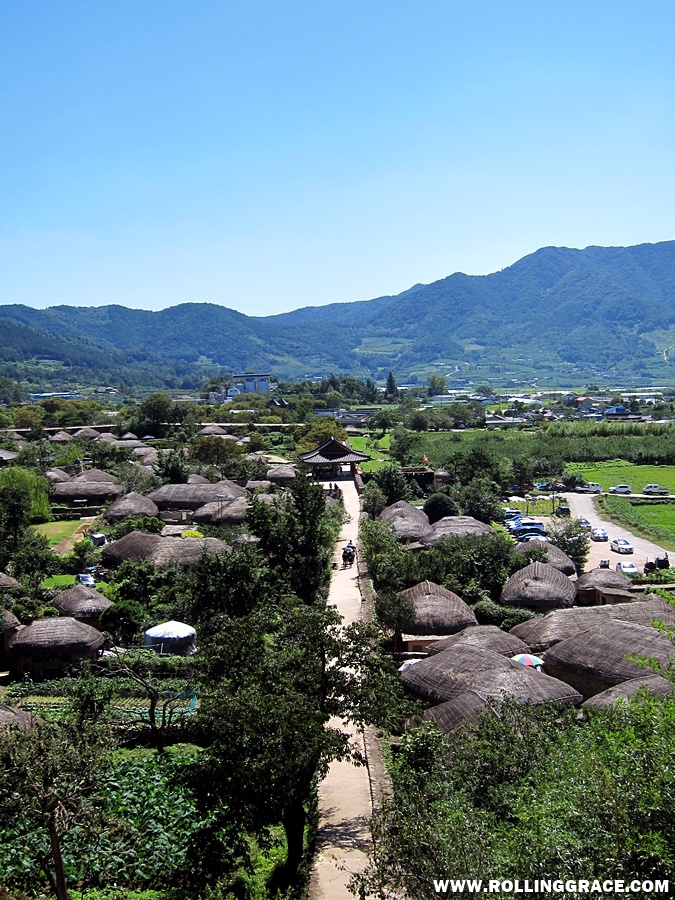
In the southwest of South Korea, within Suncheon in Jeollanam-do Province, Naganeupseong Folk Village preserves the structure of a Joseon-era administrative town within its original stone walls. Covering approximately 59,504 square metres, the settlement dates back to the Joseon Dynasty, which ruled the Korean peninsula from 1392 to 1910.
Read also: Discover the 10 Best Shisha in Seoul, South Korea

History of Naganeupseong
Unlike many former county seats that were dismantled or heavily altered during the Japanese occupation from 1910 to 1945, Naganeupseong retains its defensive perimeter, civic layout, and residential core.
Historically, Naganeupseong functioned as the administrative centre of Nagan-hyeon, a county-level jurisdiction. Government offices stood within the same enclosure as private homes, reinforcing the close relationship between governance and community life during the Joseon period. The town remains one of the most complete surviving examples of an eupsong, the term used for fortified administrative towns common across the peninsula.

Naganeupseong Walled Town
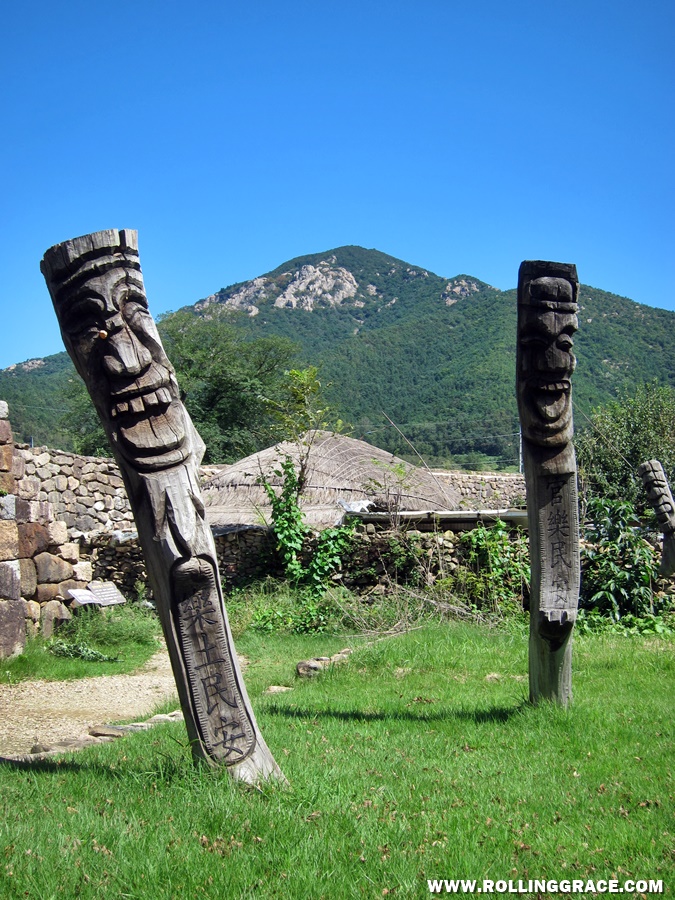
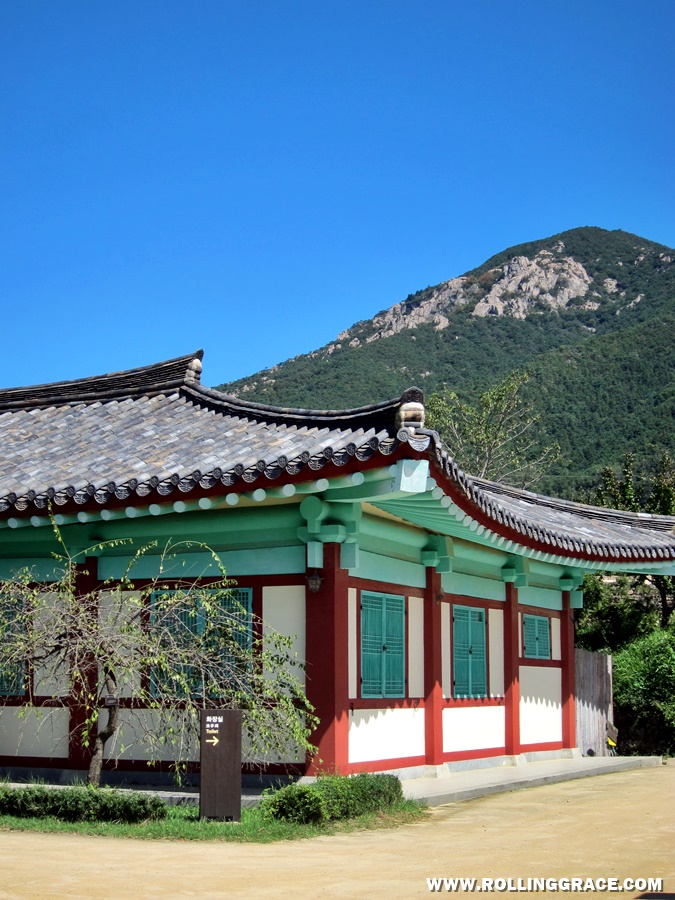
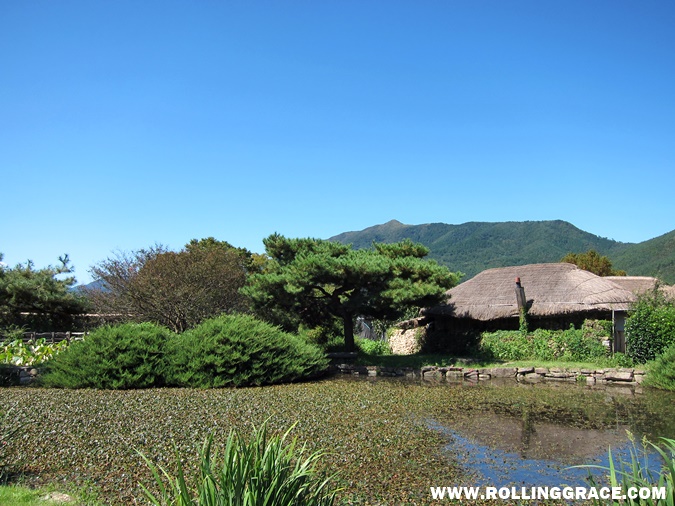
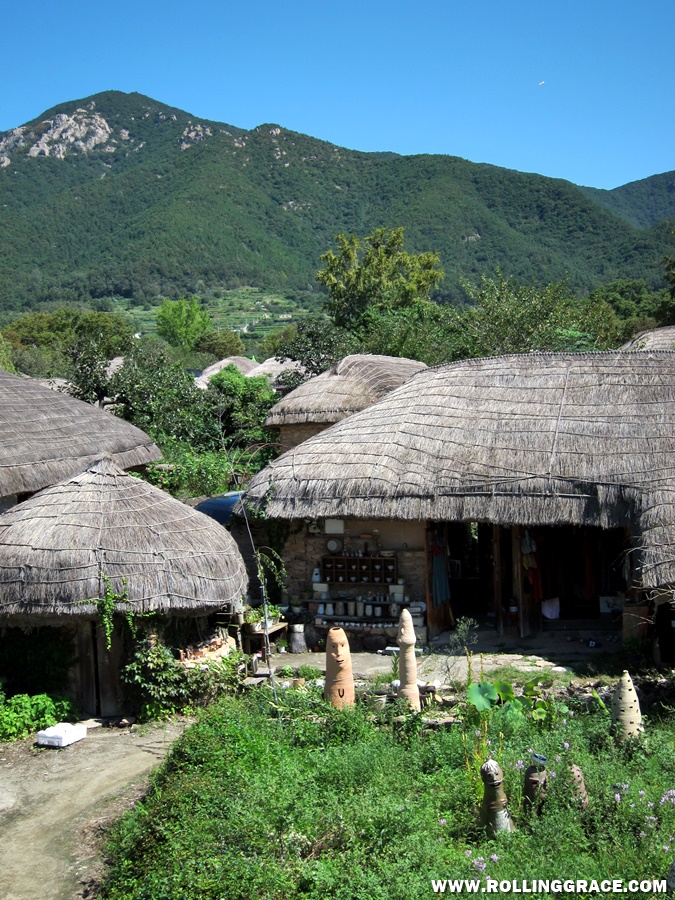
The village of Naganeupseong was built on a level field encircled by hills and mountains. As it was an administrative core, the area was equipped with both public and private facilities that were used by the authorities to govern the Nagan-eup county as well as for villagers for cultural activities and rites such as musical performances and important communal rituals.
It was estimated that in the past, there were 96 town fortresses known as eupsong across 334 villages in this region. However, most of them were destroyed during the Japanese colonisation between 1910 to 1945. Naganeupseong is one of the only few villages of its kind to survive the destruction and has the best preservation of its original landscape and properties.
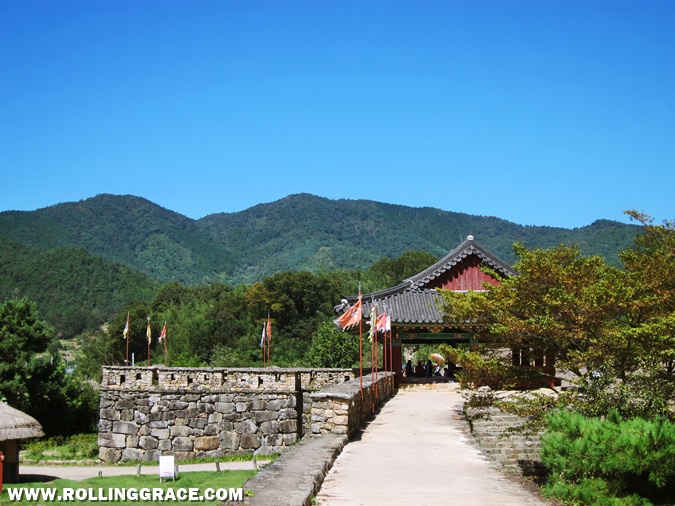
The fortress walls protecting Naganeupseong were built using square stones that are approximately 4 metres in height and width that filled a total length of 1,410 metres around the town. Within the south, east and west part of the fortress, there are 98 families still staying there today. Many ancient rituals have been passed down till this day including a recurring annual ritual that is held during the first full moon of every new year to honor and celebrate the respected General Im Kyeong-eop – a prominent Korean general during the Joseon Dynasty who fought against the Manchurian invasions in the 17th century.

Ritual Practice and Living Continuity
Naganeupseong is not preserved as an empty architectural relic. Ritual observances remain part of village life. Each year, during the first full moon of the lunar calendar, residents hold a ceremony honouring General Im Kyeong-eop, a seventeenth-century Joseon military commander recognised for resisting Manchu invasions.
This annual rite reinforces continuity between past and present. The fortress walls define the physical boundary of the town, yet it is recurring practice that sustains its cultural identity.
Daily Programs, Activities & Performances
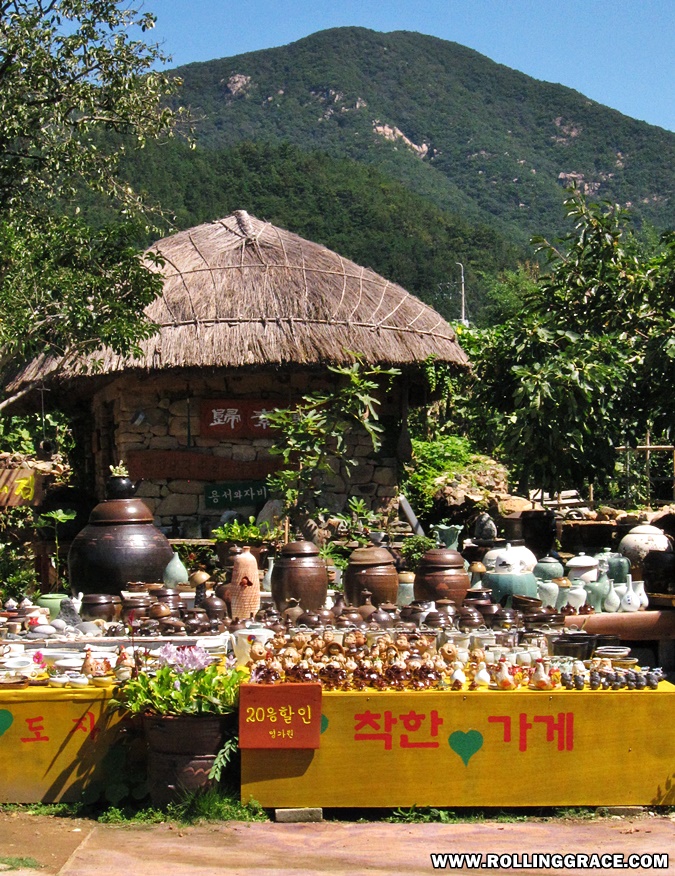
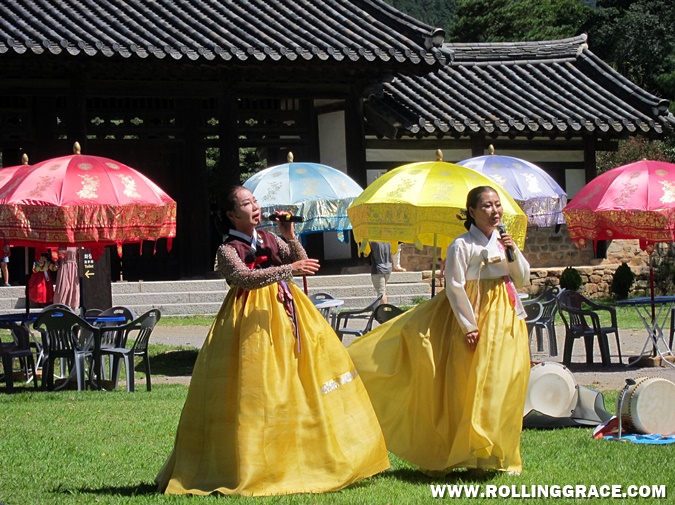
Throughout the week, visitors may encounter rotating cultural demonstrations rooted in traditional village life. Performances and activities can include gayageum music, formal tea ceremonies, blacksmith workshops, silk farming, and the seodang village school experience based on Confucian education systems. On selected days, traditional wedding parades and funeral rite demonstrations provide insight into ceremonial customs that shaped social structure during the Joseon era.
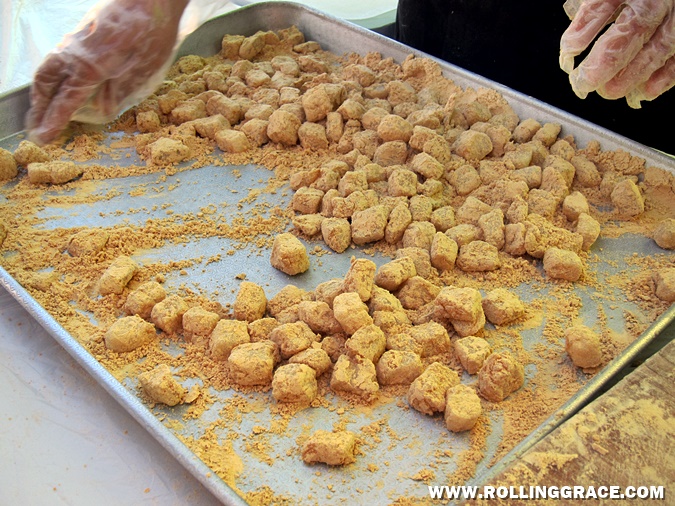
Additional activities may include natural dyeing, weaving, traditional musical instrument sessions, hanji paper making, straw craft, wish-paper writing, fishing demonstrations, and the preparation of tofu and fermented soybean blocks. Programme availability varies by season and day, and some experiences may require a participation fee.

Cultural Heritage Recognition
Naganeupseong is designated Historic Site No. 302 by the Korean government. Within its walls are:
- 10 nationally designated cultural heritage properties
- 15 provincially designated cultural heritage properties
On 11 March 2011, the site was added to UNESCO’s tentative list of World Cultural Heritage properties, recognising its architectural integrity and living cultural practices.
How to Get to Naganeupseong Folk Village
If you are coming from the Suncheon Train Station, take bus number 68 or 16 from the bus stop on the same side as the train station. Alternatively, you can walk to Bus Stop #2 (순처역시측) located opposite the train station to take bus number 63 or 61 in order to get to the Naganeupseong Folk Village. The journey will take approximately one hour.
If you are coming from the Suncheon Bus Terminal, look out for bus number 16, 61, 63 or 68. The journey will take approximately one hour.
If you are starting your journey from other places, simply look out for 낙안읍성 on the route of the public buses to see if Naganeupseong Folk Village is on the way.
Opening Hours
- January, November & December: 9.00am-5.30pm
- February, March, April & October: 9.00am-6.00pm
- May, June, July, August & September: 8.30am-6.30pm
Ticket Price & Entry
For Naganeupseong Folk Village only
Adult 4,000 won
Child 1,400 won
For Naganeupseong Folk Village, Suncheonman National Garden, Suncheonman Wetland, Recreational Forest & Deep-Rooted Tree Museum
Adult 12,000 won
Child 5,500 won
Preservation and Sustainability
Maintaining a thatched-roof settlement requires continual labour. Roofs are replaced using traditional materials, and stone walls are monitored for structural integrity. The continued residence of families within the fortress walls ensures the village remains inhabited, yet it also demands careful management of visitor flow.
Walking paths pass directly by occupied homes. Respect for private space supports the long-term preservation of both architecture and community life. Naganeupseong’s endurance depends on balancing tourism with daily routine, ensuring that the fortress remains not only historically intact but actively lived within.

Contact Information
- Address: 513-25 Suncheonman-gil, Dosa-dong, Suncheon-si, Jeollanam-do, South Korea
- Phone: +82 61-749-6052
Naganeupseong Folk Village offers a rare opportunity to understand Joseon administrative design within its original enclosure. The walls stand, the roofs remain thatched, and the town continues to function within the perimeter first drawn centuries ago.
Get the good stuff first. Join Rolling Grace for the restaurants worth crossing a city for, the stays worth the upgrade, and the places to go before everyone else. Free, straight to your inbox.
Leave a Reply