LARK Tasmanian whisky is built around a consistent set of production methods, with differences between expressions arising from cask selection and peat inclusion.
LARK has released a new luxury single malt portfolio built around four expressions: Fire Trail, Devil’s Storm, Ruby Abyss, and Cinder Forest. Three form the core global range, while Cinder Forest is reserved for global travel retail. The release arrives with a redesigned 700ml bottle and a refreshed visual identity, but the real story sits in the production decisions that stay consistent across the set.
LARK Tasmanian Whisky’s house style is best understood through its emphasis on fortified depth. Across the portfolio, layered textures and a flavour-forward profile are shaped by custom fortified wine cask seasoning and the use of applewood smoked water.
Rather than chasing contrast between expressions, the range reinforces a consistent house language through deliberate choices in cask, seasoning, and process.
Read also: Discovering Cacao Mixology and Chocolate, Park Hyatt KL

History of LARK Distillery
LARK Distilling Co. begins with a simple question formed in Tasmania’s highlands in the late 1980s. Bill and Lyn Lark wondered why malt whisky was not being made on an island with clean water, strong barley and a climate suited to slow maturation. That curiosity led them to test the limits of long-dormant distillation laws, and in 1992 they secured Tasmania’s first legal distilling licence in more than 150 years.
Early production was modest, centred around a small still and domestic spaces, before the first commercial single malt was released in 1998. What followed helped open the way for Tasmania’s contemporary whisky landscape.
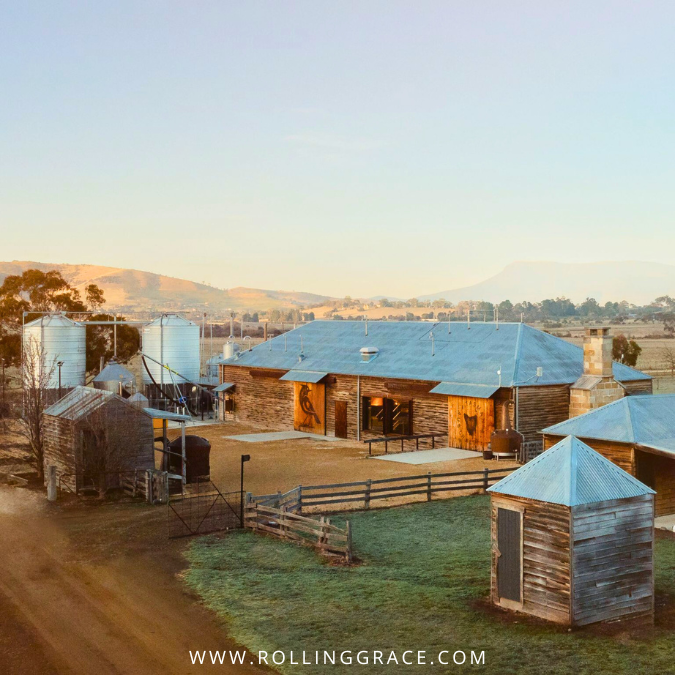
The single malt produced by LARK Distilling Co. remains closely tied to place. Tasmanian barley and local water form the foundation, with fermentation extended to build texture and weight rather than speed. Maturation favours fortified wine casks, particularly Port and Sherry, drawn from long-seasoned stocks and selected for the depth and sweetness they lend to the spirit.
Peat appears selectively rather than as a defining constant. When used, it is locally sourced and applied with restraint, contributing an earthy undertone. The spirit is cut with applewood smoked water from Tasmanian orchards, a distinctive practice intended to soften the profile and bring a savoury dimension that runs quietly through the range.
In recent years, stewardship of the style has rested with Master Distiller Chris Thomson, guiding LARK Tasmanian Whisky from its small beginnings into one of Australia’s most recognised single malt producers while maintaining continuity with its origins.
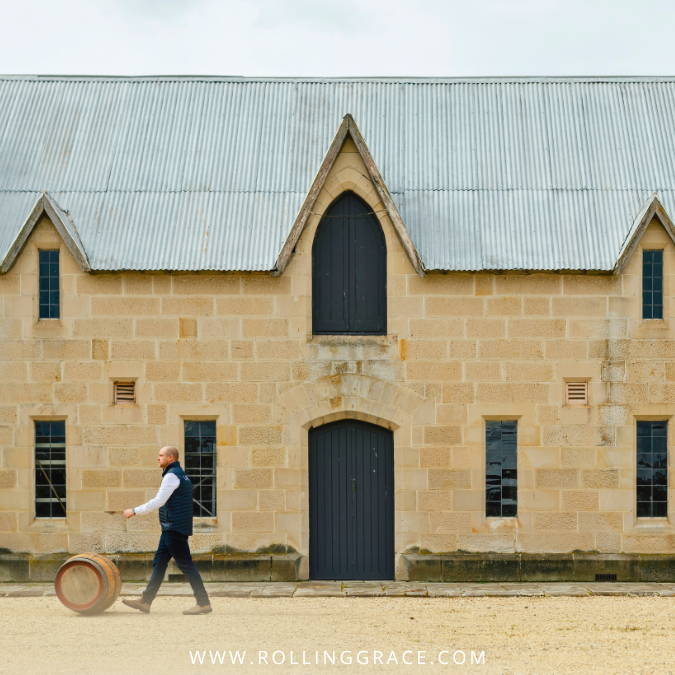
LARK Single Malt Whisky House Style Explained
Across these four bottles, LARK Tasmanian Whisky repeats the same structural choices. Fortified wine casks, particularly Port and Sherry, sit at the centre of flavour development, supported by a seasoning programme referenced across the range. Applewood smoked water is a consistent production element, used to shape balance and mouthfeel. Where peat appears, it acts as an added layer rather than the defining identity of the whisky.
The result is straightforward. Differences between expressions come from intensity, cask regime, and peat inclusion, not from a change in underlying direction.
Fire Trail
Unpeated, applewood smoked water, fortified casks
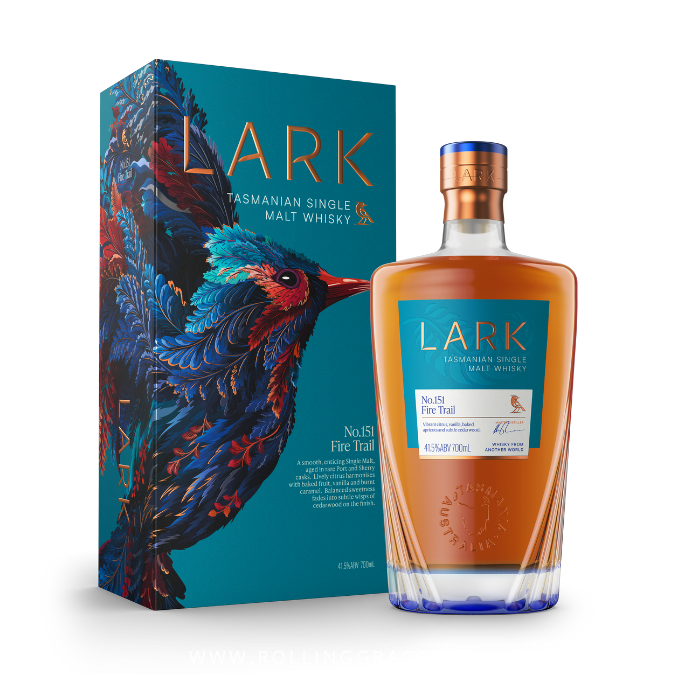
Fire Trail is matured in Port and Sherry casks, with a finishing period in ex-Bourbon and American oak wine casks. The whisky is unpeated, with applewood smoked water used during production. It is bottled at 41.5% ABV.
On the nose, the profile leans into baked pear, caramel and citrus. The palate moves towards chocolate ganache, stewed mulberries, vanilla custard and apricot compote, before settling into a finish marked by cocoa-dusted hazelnuts, coconut cream, sultanas and bush honey.
Devil’s Storm
Peated, applewood smoked water, vintage fortified casks
Devil’s Storm is more assertive, introducing peat within the same production framework. It is produced at the Cambridge Distillery and matured in first-fill vintage Port and Sherry casks, with a finishing period in American oak and seasoned casks. The whisky is peated and bottled at 42% ABV.
On the nose, stewed plums lead, layered with wildflower honey and scorched orange. The palate deepens into dark chocolate and blackberries, followed by caramel fondant and charred peaches, with peat smoke present but measured. The finish carries oak weight before tapering into burnt maple syrup, sticky toffee pudding and toasted sesame brittle.

Ruby Abyss
Peated, first-fill vintage fortified casks, super luxury tier
Ruby Abyss sits as the first release in LARK’s Super Luxury range. It is matured entirely in first-fill vintage Port and Sherry casks sourced from Seppeltsfield, with a finishing period in seasoned casks. The release draws on exceptionally old Australian fortified wine stocks as part of its cask provenance. It is peated and bottled at 43.8% ABV.
On the nose, steeped pear is wrapped in aged dessert wine, followed by amber raisins and caramelised sugar. The palate moves into plum preserve and chocolate sauce, with buttery pastry notes and peat layered beneath. The finish carries fortified oak warmth, settling into spiced treacle, candied quince and a lingering savoury depth.

Cinder Forest
Global travel retail exclusive, unpeated
Cinder Forest sits as a travel retail release, produced for airport distribution. It is shaped by first-fill Port and Sherry casks, with a finishing period in American oak. The whisky is unpeated and uses applewood smoked water in production. It is bottled at 41.8% ABV.
On the nose, poached nectarine leads, layered with acacia honey and toasted almonds. The palate moves into berry reduction and chocolate, followed by brûléed vanilla custard and shortbread. The finish settles into espresso-laced nougat, clotted cream and spiced date jam.

Bottle Design Inspired by Bioluminescent Waters
At the base of the bottle, a fine blue line sits low in the glass, easy to overlook until it catches the light. The detail references Tasmania’s bioluminescent waters, where a faint glow can appear in darkness, triggered by movement in the water.
In the bottle, this natural phenomenon is interpreted as a design cue. The blue line functions as a visual link to place, grounding the bottle in Tasmania’s landscape and reflecting how Lark draws on its environment when shaping identity and form.
Sustainability Through Materials
Whisky is shaped by its inputs: grain, water, wood and peat. LARK Tasmanian Whisky works with Tasmanian barley, fortified wine casks and locally sourced peat from Browns Marsh. These choices tie production to specific materials and places, rather than interchangeable supply.
The continued use of fortified wine casks, particularly Port and Sherry, extends the working life of existing cooperage. Seasoning and finishing remain within that same system, relying on reuse rather than constant replacement. Applewood smoked water draws on orchard by-products as part of the production process.
Taken together, sustainability here sits at the level of material selection and reuse, embedded in how the whisky is made.

Bill Lark: Godfather of Australian Whisky
Bill Lark’s importance sits in what changed because of his actions. He was instrumental in restoring licensed whisky distillation in Tasmania, creating a legal and commercial opening that did not exist in modern Australia. What followed was not incremental growth, but the emergence of an entirely new category.
Recognition came as Tasmanian whisky entered international competition, with a major global award in 2009 marking a shift in how Australian single malt was perceived outside the country. Subsequent honours acknowledged influence at an industry level, not the success of individual bottlings.
Bill Lark no longer takes part in day-to-day distillery operations, but his association with LARK remains defining. His contribution established legitimacy, set precedent, and made sustained whisky production in Tasmania viable as an industry.

A First Encounter with LARK Tasmanian Whisky
This was our first time tasting Australian whisky, and we approached it with a degree of scepticism. Not because of quality, but because our reference points have long been shaped elsewhere. The surprise came early. The whiskies held their ground through clarity of flavour and confidence in their own materials.
We were particularly adamant about asking for age. Years in cask have always been how we learned to understand whisky, a shorthand for depth and patience. Here, that question felt less central. What carried more weight was cask choice, extraction and how the spirit was shaped across the range. Time was present, but it was not the headline.
Tasting through the portfolio shifted how we read the category. These whiskies asked to be understood through structure and intent rather than numbers on a label. That recalibration was unexpected, and quietly convincing.
Get the good stuff first. Join Rolling Grace for the restaurants worth crossing a city for, the stays worth the upgrade, and the places to go before everyone else. Free, straight to your inbox.
Leave a Reply