Food in Perlis is shaped by rice fields, coastal waters, and seasons that still determine what appears on the table.
Perlis is Malaysia’s smallest state, and its food reflects that scale. Cooking here is shaped by proximity rather than performance. Rice fields sit close to homes. The sea is never far. Thailand is not an abstract influence but a neighbour. As a result, Perlis food feels direct and grounded, relying on produce, season, and familiarity rather than embellishment.
Rice is central, not only as a staple but as structure. It appears as grains, flakes, flour, batter, and fermentation base. Many of the foods below are tied closely to agricultural cycles and local harvests, which means availability can vary across the year. Eating well in Perlis requires attention to timing as much as place.
This guide focuses on food that locals actually eat, dishes that appear repeatedly across homes, stalls, and community gatherings, rather than a selection created for visitors.
Read also: 7 Best Reasons to Visit Gua Kelam, Perlis
Emping
Emping refers to rice flakes made from young green glutinous paddy. The grains are harvested early, heated, pounded, and flattened by hand. The result is light, irregular flakes with a subtle grassy aroma.
In Perlis, emping is commonly eaten with grated coconut, sugar, and salt. It is especially popular during cooler, windier periods of the year. This is not a snack designed for sweetness alone, but one that balances texture and mild flavour.

Mempelam Harum Manis
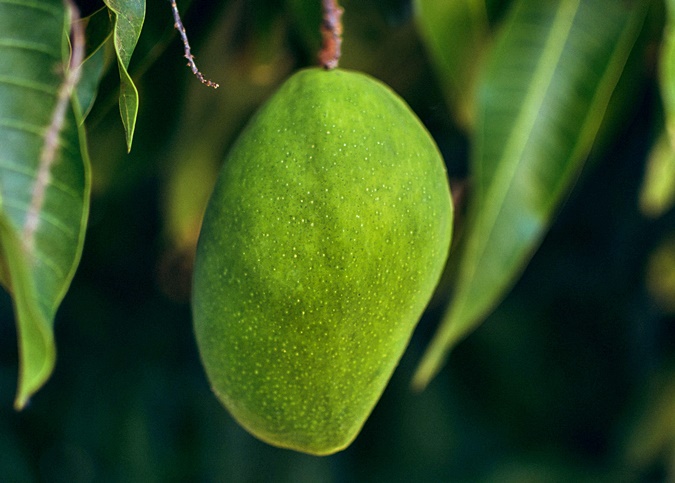
Harum Manis mangoes are Perlis’ most famous agricultural product. Their name translates directly to fragrant and sweet, and they live up to it. These mangoes are seasonal, usually available for a short window each year, and are limited to Perlis and parts of Kedah.
They are more expensive than other mango varieties, but locals wait for them regardless. The flesh is smooth, intensely aromatic, and low in fibre. Many people eat them plain, sliced and chilled.
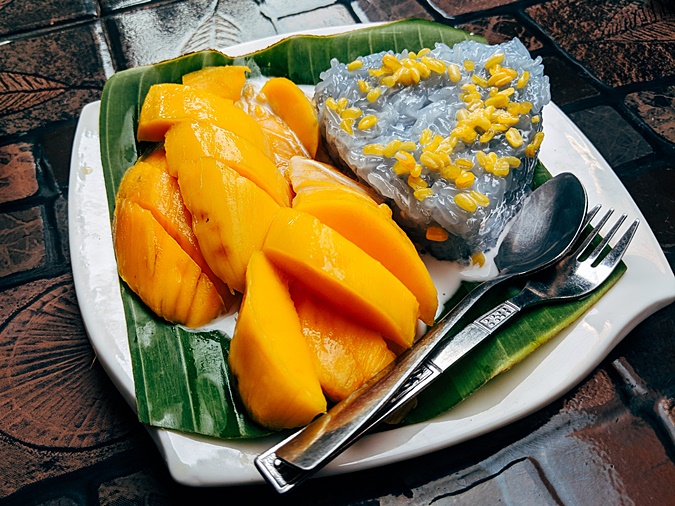
Pulut mempelam pairs these mangoes with glutinous rice cooked in coconut milk. The dish is often compared to Thai mango sticky rice, but Perlis versions are less sweet and more restrained, allowing the fruit to carry the dish.
Laksa Perlis
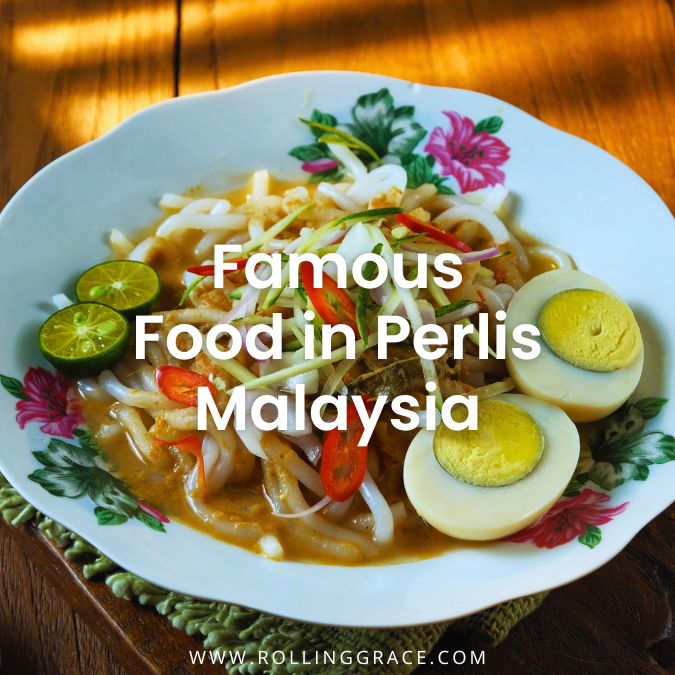
Laksa Perlis is the state’s most widely eaten main dish. It uses rice noodles in a sour, savoury fish based gravy, flavoured with torch ginger, daun kesum, and local fish such as mackerel.
Compared to other laksa styles in Malaysia, the gravy here is thicker and paler. The flavour is assertive without being sharp. It is commonly eaten for lunch and sold at small stalls rather than formal eateries. Look for versions served simply, without excessive garnish.

Pulut Ikan Kering
Pulut ikan kering is a common breakfast food in Perlis. It consists of glutinous rice served with dried fish and grated coconut. The dish is simple, but the balance matters. The fish should be properly dried and lightly grilled or fried, not overly salty or brittle.
This dish appears frequently at social events and gatherings, reflecting how Perlis cooking prioritises sustenance and familiarity over variety.

Pekasam Puyu
Pekasam puyu is a fermented fish dish made using climbing perch, rice, tamarind, and salt. The fermentation process takes weeks, sometimes longer, and results in a sharp, savoury condiment eaten in small amounts.
It is usually served as an appetiser or alongside rice. The flavour is strong and not intended for large portions. If you are unfamiliar with fermented fish, try it sparingly first.
Kuih Karas
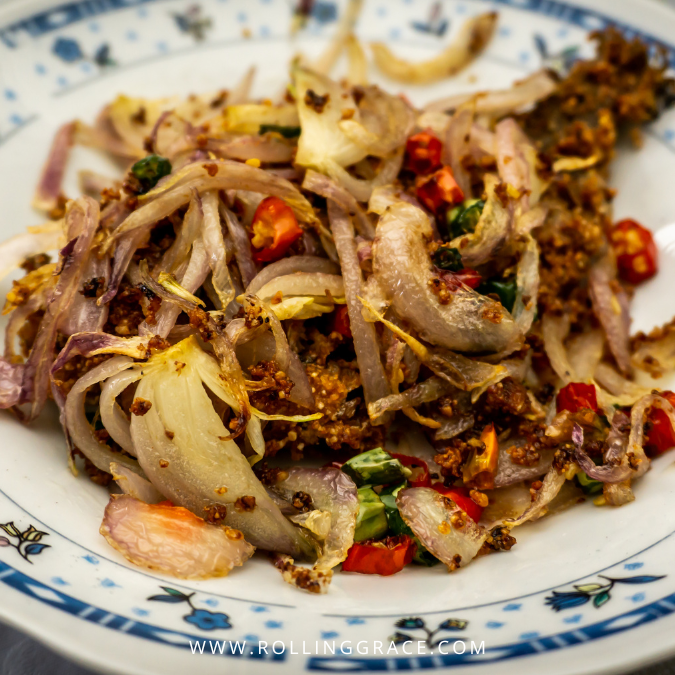
Kuih karas is a crisp, lacy snack made from rice flour batter poured through a pierced coconut shell into hot oil. As the batter flows, it forms thin strands that fry instantly into a brittle structure.
Light and sweet, kuih karas is eaten casually, often alongside tea. Freshness matters. It should snap easily and taste clean, not oily.

Mentarang
Mentarang, also known as angel wing clams, are harvested from the muddy shores of Kuala Perlis. They are large, briny, and meaty, and are usually grilled or stewed in turmeric gravy.
Grilled versions highlight the natural sweetness of the clams, while stewed versions absorb spice and richness. This is one of the clearest examples of Perlis’ coastal side, often overlooked due to the state’s agricultural reputation.

Kuih Dangai
Kuih dangai is one of the most recognisable snacks in Perlis and Kedah. Made from glutinous rice flour, grated coconut, sugar, and salt, the mixture is moulded and grilled until the exterior forms a crisp shell while the inside remains soft and chewy.
What makes kuih dangai worth seeking out is technique. It is cooked slowly over charcoal, not baked or fried, which gives it depth without heaviness. It is usually eaten warm and sold in modest quantities. If you see it freshly grilled rather than pre packed, that is the version to buy.

Nasi Ulam
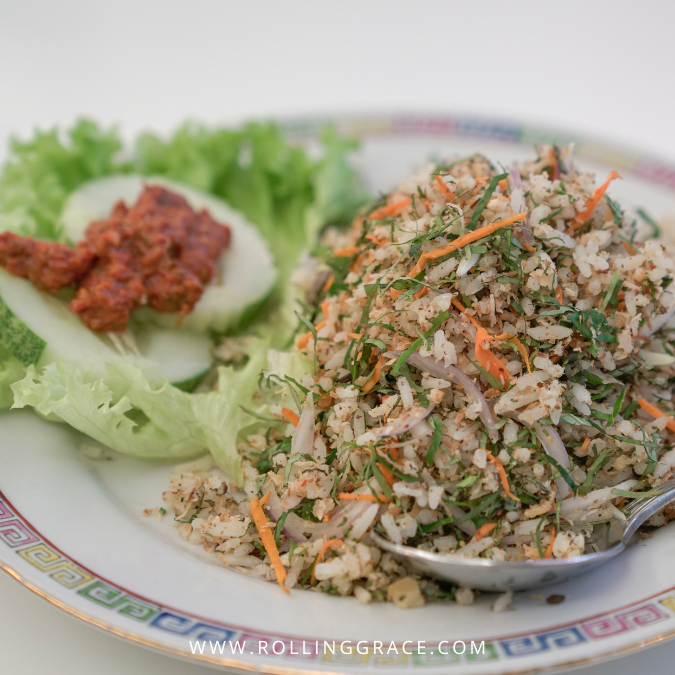
Nasi ulam is a herb rice dish made by mixing finely shredded tropical leaves, herbs, and spices into cooked rice. Ingredients can include putat, sekuntut, noni leaf, and other local plants, finished with dried fish for saltiness.
The flavour depends heavily on the cook’s knowledge of herbs. When done well, it is fragrant, complex, and nourishing without relying on oil or spice.
Sira Belinggai
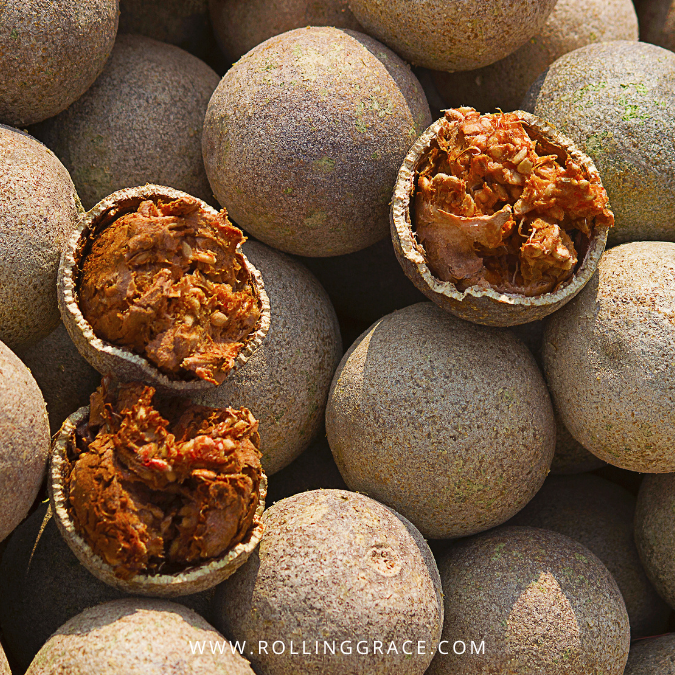
Belinggai, or wood apple, is used in Perlis to make sira, a sweet, tangy mixture combined with coconut milk. It is eaten as an evening snack, often paired with emping or crackers.
Belinggai fruit is seasonal and valued locally, even though it is less known elsewhere in Malaysia. The flavour is distinctive and not immediately sweet, making it an acquired taste.
Air Nira Nipah
Air nira nipah is a naturally fermented drink made from the sap of nipah palms. Lightly sweet and refreshing, it is often consumed fresh. In Perlis, it is commonly sourced from local plantations rather than commercial bottling.
If you come across freshly tapped nira, drink it the same day. Its flavour changes quickly.
Tips for Eating in Perlis
Many of these foods are seasonal. Availability depends on harvest cycles, weather, and local supply. Ask locals what is currently in season rather than looking for a fixed list.
Portions are generally modest. Meals are not designed for excess. Eat slowly, and order small amounts if you want to try several items.
Morning and early afternoon are better for savoury dishes like laksa and pulut. Sweets and snacks appear more frequently later in the day.
Why Perlis Food Is Worth Your Time
Perlis offers a view of Malaysian food that is shaped by continuity rather than reinvention. Dishes persist because they suit the land, the climate, and daily life. Eating here rewards attention, patience, and respect for season.
For those willing to adjust expectations away from spectacle, Perlis reveals itself through rice fields, coastal mudflats, and tables set with food that has never needed to change.
Love stories like this? Subscribe to the Rolling Grace newsletter for thoughtful travel notes, hidden dining gems, and slow discoveries from across Asia.
Leave a Reply to Warung Tepi Sawah Perlis: Unique Breakfast by Paddy FieldsCancel reply