Ramadan in Malaysia alters the pace of eating rather than its presence. Food does not disappear during the day, but it waits. As sunset approaches, streets begin to fill with temporary stalls, kitchens assembled for a single purpose and a single month. These are dishes cooked to be eaten that evening, carried home, shared, and repeated the next day.
For Malaysians, this food is part of an annual return. For visitors, it offers a way into the month without intrusion. Below are the dishes that shape Ramadan in Malaysia, commonly found at Ramadan bazaars across the country and eaten at iftar after sunset.
Read also: 5 Popular Ramadan Bazaars in Kuala Lumpur for Iftar
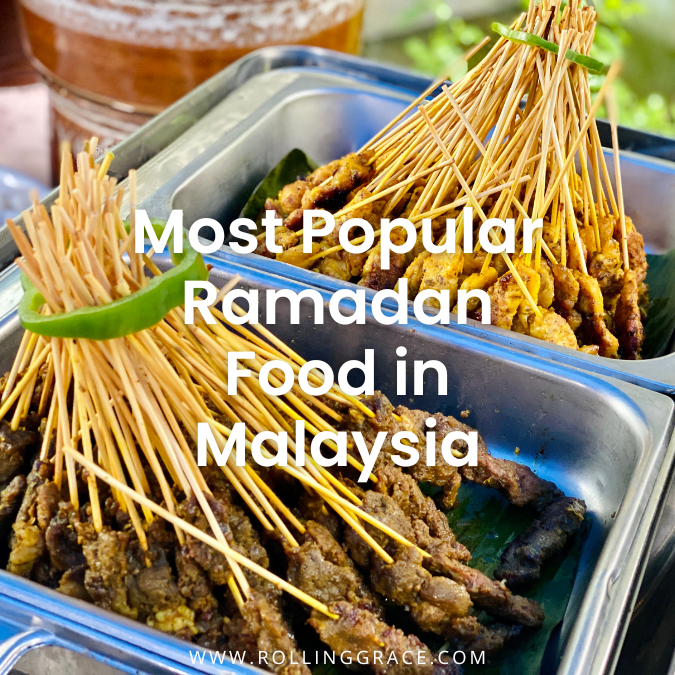
Ayam Percik
Associated closely with Kelantan and the east coast, ayam percik is chicken marinated in spices and coconut milk, grilled over charcoal and basted repeatedly. The flavour is smoky and gently sweet, rich without excess. It is usually eaten with rice and is one of the most recognisable Ramadan dishes nationwide.

Putu Buluh
Made from rice flour scented with pandan, filled with palm sugar, and steamed inside bamboo, putu buluh is soft, aromatic, and lightly sweet. Finished with grated coconut, it is often eaten early in the meal, offering something mild after a day of fasting.

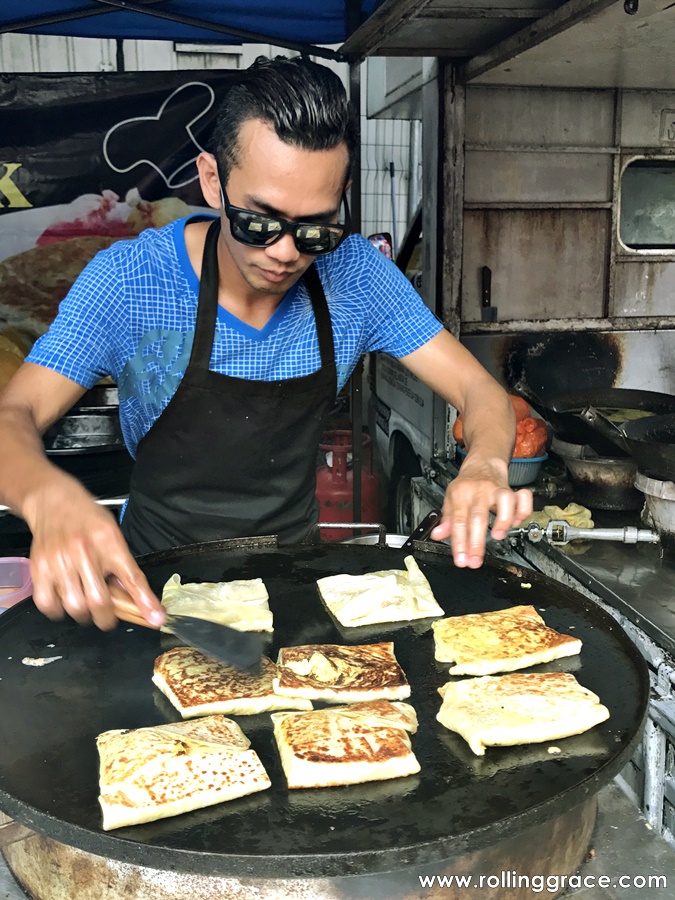
Murtabak
Murtabak is a thick, pan fried bread filled with minced meat, egg, and spices. Crisp on the outside and dense within, it is commonly served with dal curry and pickled onions. During Ramadan, it functions as a complete meal rather than a side or snack.
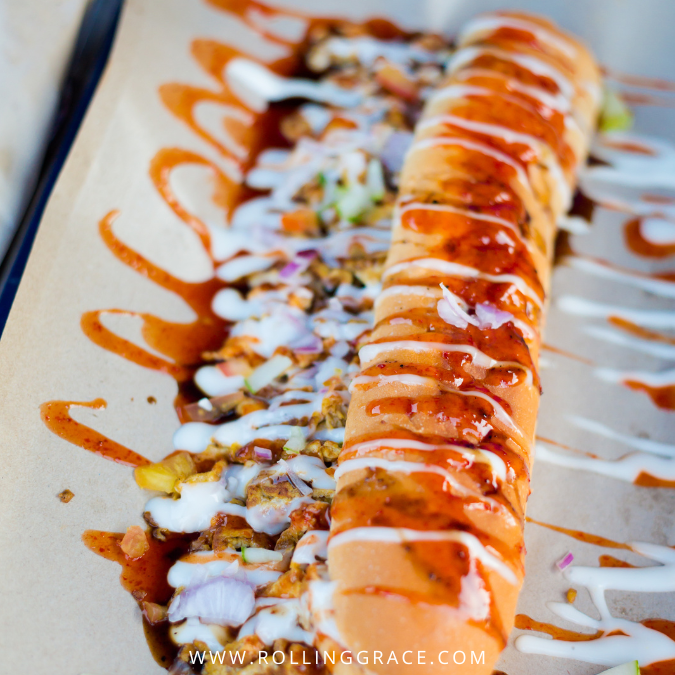
Roti John
Roti John is a long bread roll filled with a savoury omelette of minced meat and onions, cooked directly on the griddle and finished with sauces. It is filling, portable, and particularly common at urban bazaars, where it appeals across age groups.
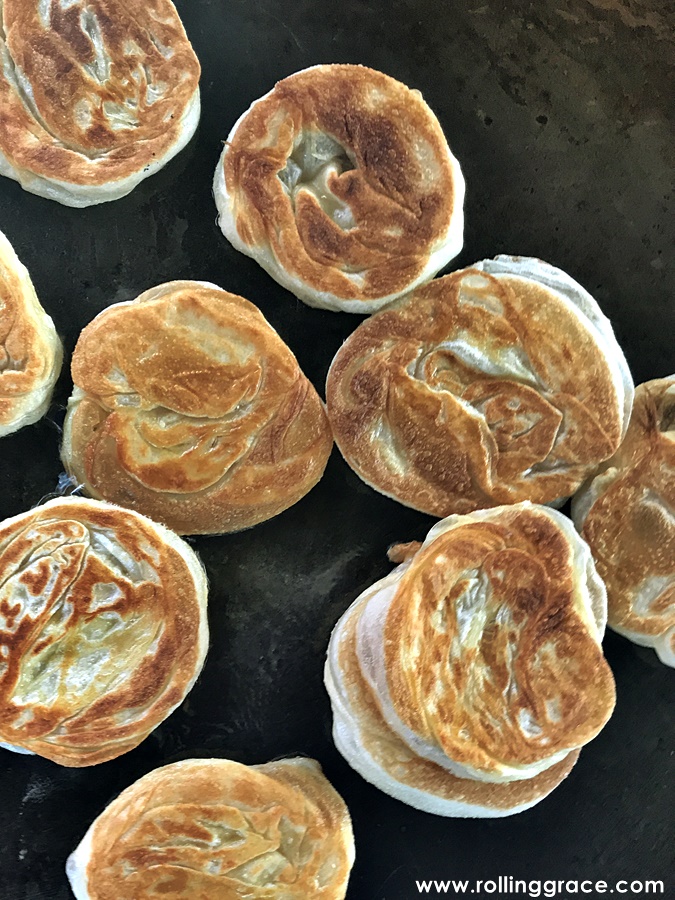
Samosa
The Malaysian samosa is larger and heavier than versions found elsewhere, usually filled with spiced minced meat. Fried until crisp, it is eaten hot and typically paired with other savoury dishes rather than consumed alone.

Sate
These skewers use chicken gizzards and liver, lightly marinated and grilled over charcoal. Smoky with a hint of sweetness, they reflect everyday Malaysian eating habits rather than festive indulgence, which is why they appear so naturally during Ramadan.

Nasi Briyani
Nasi briyani in Malaysia draws from both Indian and Malay traditions. Fragrant rice is served with beef or mutton cooked until tender. It is popular during Ramadan because it is complete, aromatic, and satisfying without requiring accompaniment.

Nasi Kerabu
Recognisable by its blue rice coloured with butterfly pea flowers, nasi kerabu is served with herbs, raw vegetables, toasted coconut, crackers, and meat or fish. The combination of freshness and spice gives balance to an otherwise rich evening meal.

Cendol
Cendol combines shaved ice with coconut milk, palm sugar syrup, and green rice flour jelly. Variations may include durian or glutinous rice. After heavier dishes, it offers something cooling and restrained rather than overtly sweet.

Kuih Muih
Kuih muih refers to a wide range of traditional cakes made from rice flour, coconut, and palm sugar. Colours vary, textures are soft or sticky, and portions are modest. During Ramadan, they are usually shared and eaten in small amounts.


When and How to Eat During Ramadan
Ramadan food is eaten after sunset. Bazaar food is typically taken home and eaRamadan food is eaten after sunset. Bazaar food is typically taken home and eaten with family rather than consumed at the stall. Many people begin simply, with dates and water, before moving on to a fuller meal.
Eating in public before sunset should be avoided, even in non-Muslim areas, as a basic sign of consideration. During the evening, queues form quickly and move with purpose, so ordering efficiently and leaving space for others is part of how the month is observed collectively.
Experiencing Ramadan Food as a Visitor
From dawn until sunset, Muslims fast from food and drink. The fast is broken at Maghrib, often simply at first, with dates and water, before a fuller meal follows. This moment shapes the food itself. Meals favour warmth, richness, and comfort. Nothing is incidental. Everything is prepared with the knowledge that it will be eaten at a precise time, by people who have waited for it.
Ramadan bazaars appear across the country during this month, opening in the late afternoon and closing shortly after sunset. They are practical spaces, not markets for browsing. Most stalls focus on one or two dishes, cooked the same way each year. Trust matters more than novelty.
Get the good stuff first. Join Rolling Grace for the restaurants worth crossing a city for, the stays worth the upgrade, and the places to go before everyone else. Free, straight to your inbox.
Leave a Reply