Gua Charas Kuantan is the kind of place that stops you mid-step and reminds you that Malaysia still has corners most people have never heard of.
Just beyond the outskirts of Kuantan lies Gua Charas, a limestone cave sanctuary shaped by time, devotion and belief. Tucked away in the quiet town of Panching, this temple cave feels removed from the present moment. Step inside and the temperature drops, the air cool and faintly mineral, carrying the scent of damp stone and incense.
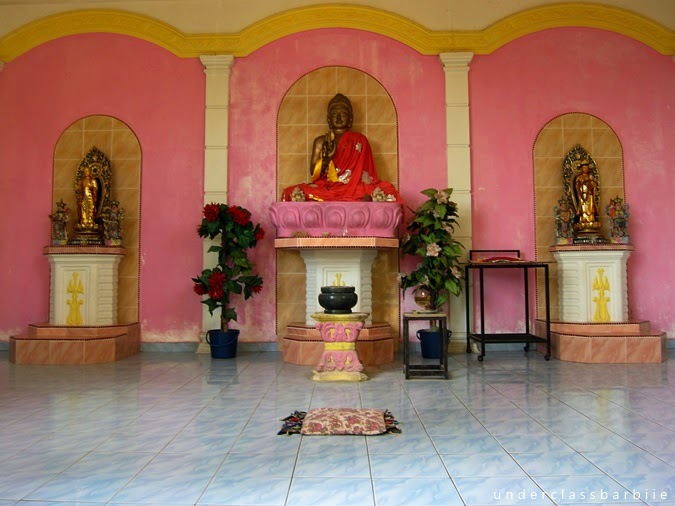
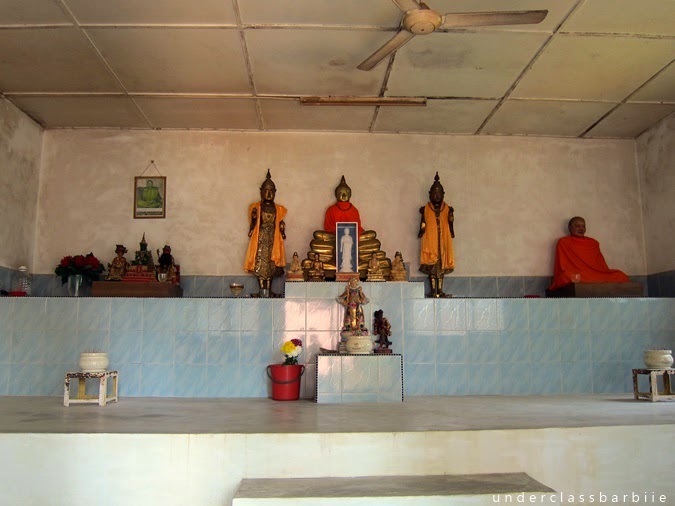
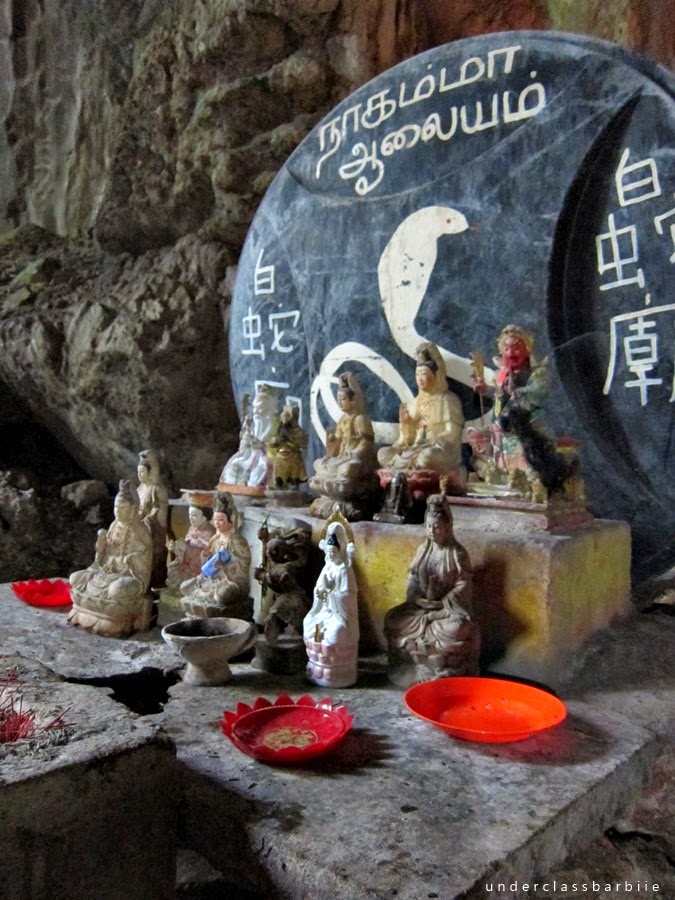
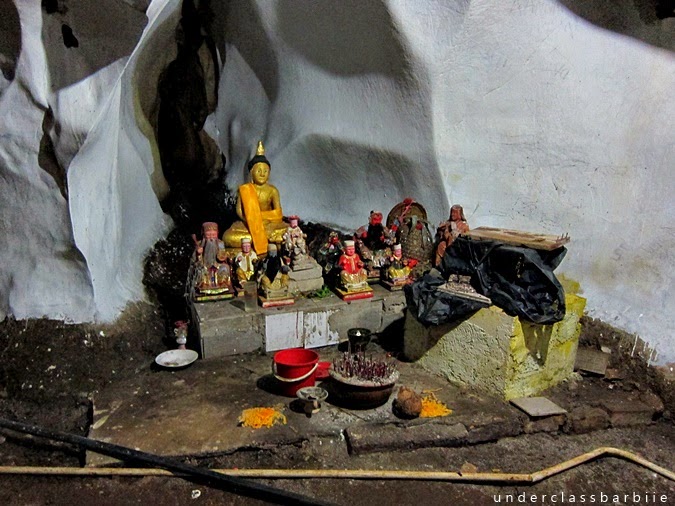
Within the shadows, Hindu and Buddhist shrines emerge gently from the cave walls. Further in, the Sleeping Buddha reveals itself, a monumental reclining figure resting beneath the natural vault of the cave. The atmosphere is hushed and reverent. Here, time slows, inviting contemplation in a space where nature and faith coexist without separation.
Read also: Explore the Seaventures Dive Rig Experience in Sipadan

Where Is Gua Charas Located?
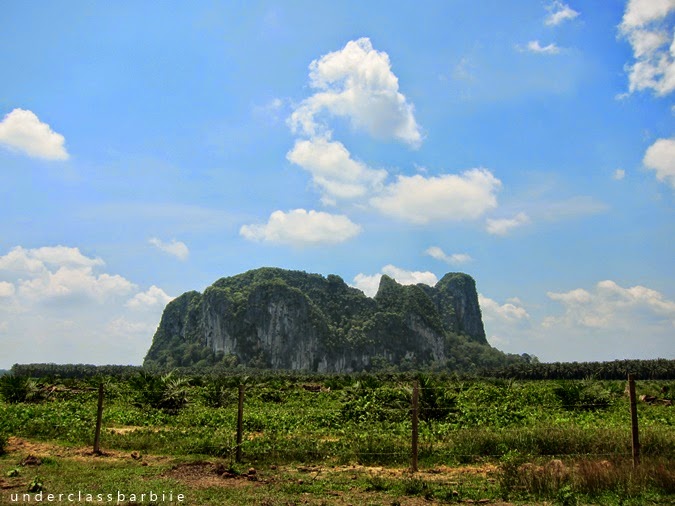
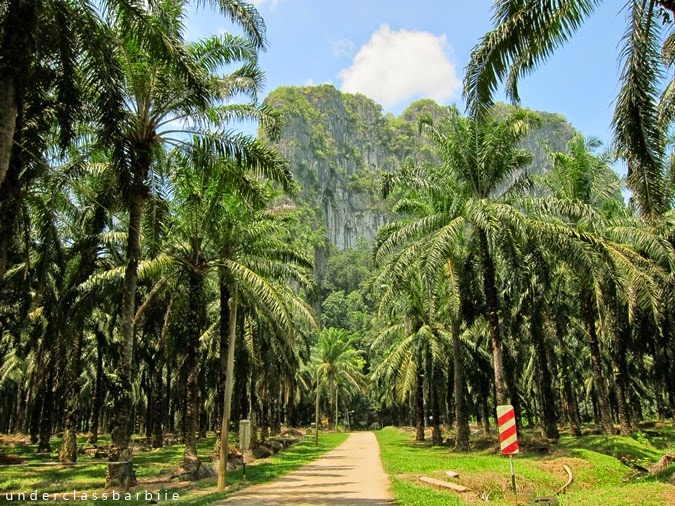
Gua Charas is located approximately 25 kilometres northwest of Kuantan, in Panching, Pahang. The limestone hill rises quietly from the surrounding oil palm estates, its presence unassuming until you are standing at its base.
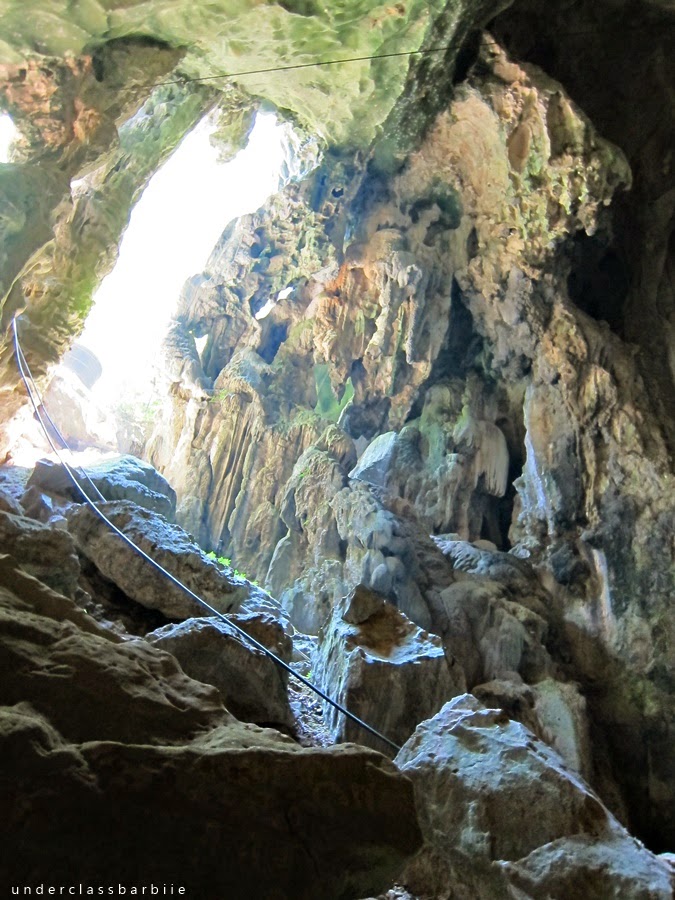
Estimated to be over 400 million years old, the limestone massif reaches about 355 metres in height. Over millions of years, natural erosion formed the cavern that now holds deep spiritual significance for both Hindu and Buddhist communities across Malaysia.
Inside the Gua Charas Temple Cave
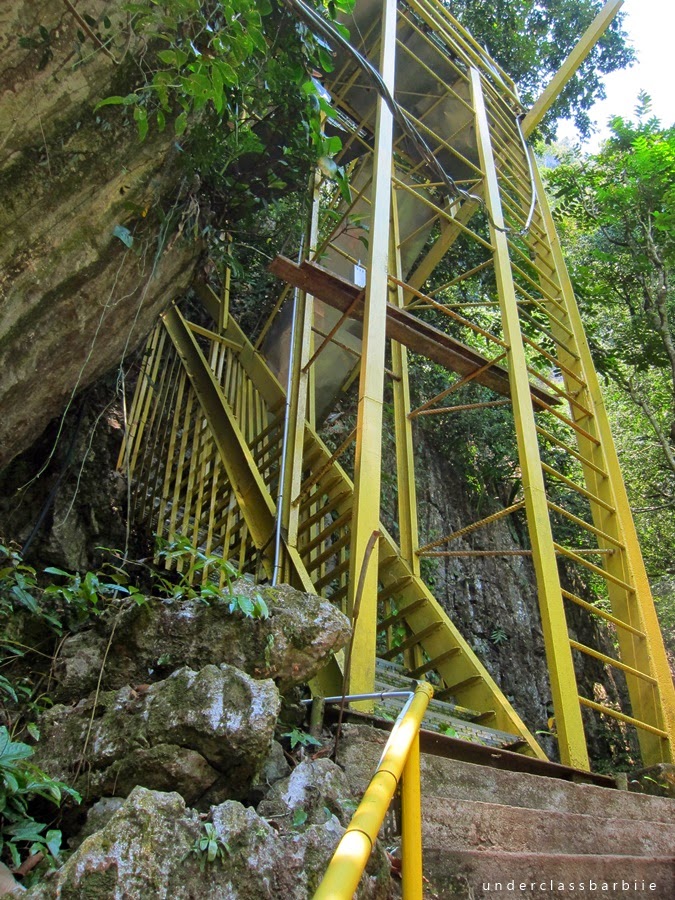
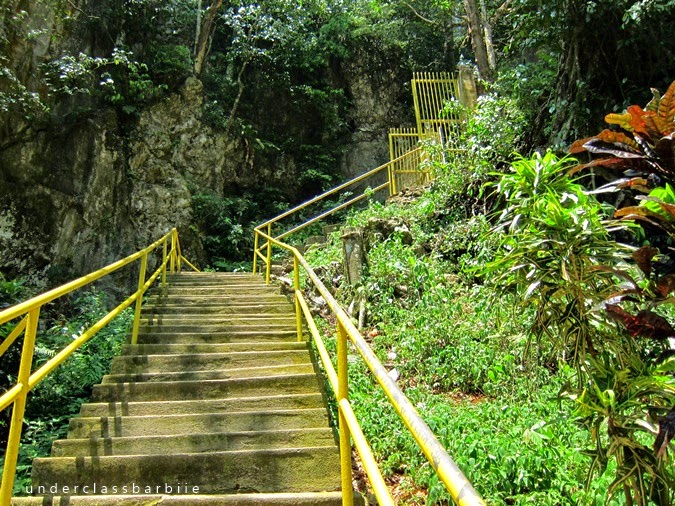
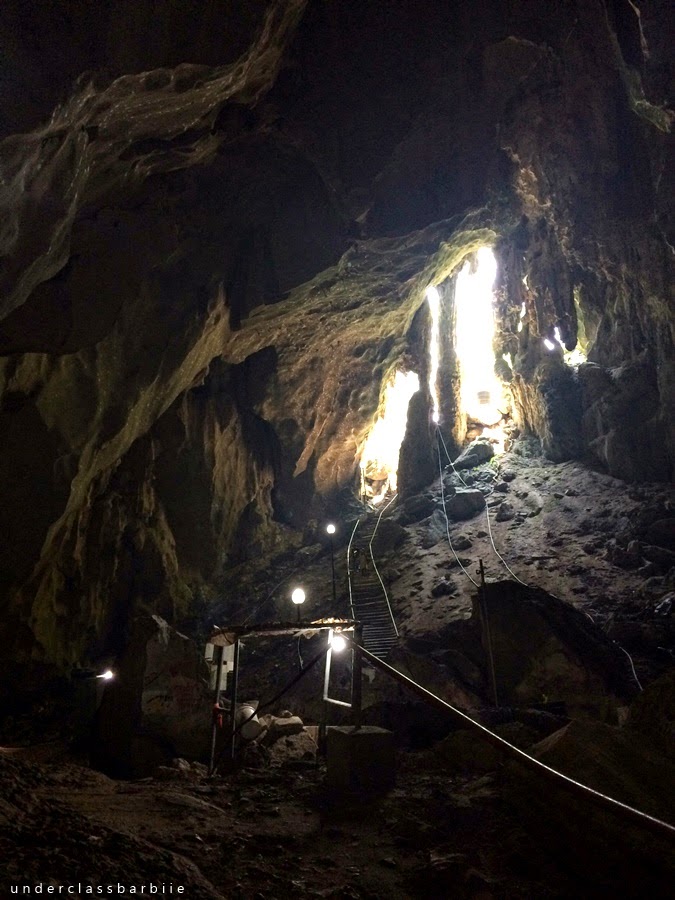
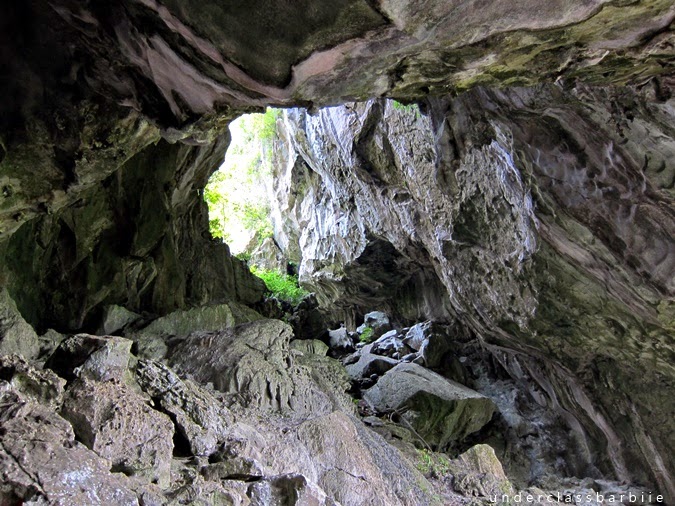
After parking, visitors begin with a short climb up metal stairs leading to the cave entrance. An entrance fee is collected before proceeding further inside. The lower section of the cave opens into a vast chamber, where limestone formations stretch overhead and religious statues appear scattered organically across the ground and recesses in the walls.
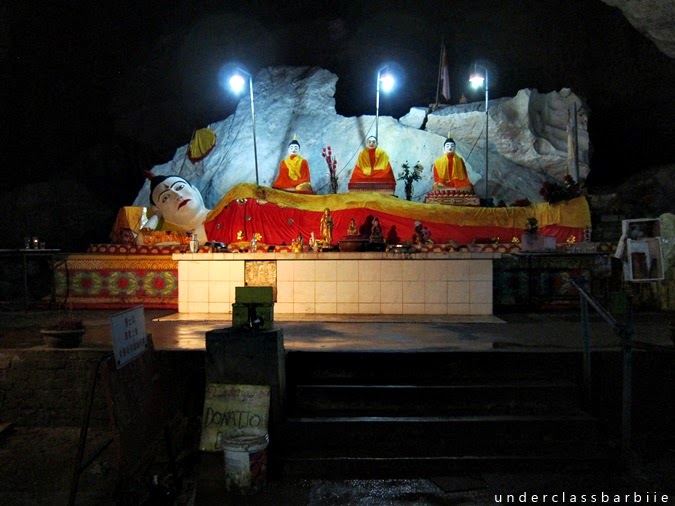
At the heart of the cave lies the 30-foot long Sleeping Buddha, positioned beneath a natural opening in the ceiling where sunlight filters down during the day. Around it, smaller statues, altars, and devotional objects form a living place of worship rather than a curated display.
Among the Hindu elements is the Jala Lingam, a black pillar symbolising Lord Shiva. It is not uncommon to see Hindu priests performing cleansing rituals here, reinforcing the cave’s role as an active religious site rather than a static attraction.


Merging of Hindu and Buddhist Traditions
What makes Gua Charas Kuantan particularly distinctive is the seamless blending of two faiths within a single natural space. Buddhist and Hindu deities coexist without demarcation, placed wherever devotion found meaning.
As you move deeper into the cave, the passage narrows and curves, at times resembling the inside of a rib cage. Lamps illuminate the interior, revealing dramatic rock formations said to resemble figures such as the Goddess of Mercy, animals, and ceremonial objects.
These interpretations are passed quietly between visitors, adding layers of storytelling to the journey inward.
History of Gua Charas Kuantan
In 1959, a Thai Buddhist monk arrived at Gua Charas seeking solitude for meditation. Inside the cave, he discovered a natural shaft of sunlight entering through an opening in the ceiling. It was here that he placed the Sleeping Buddha, marking the spiritual centre of the cave.
Over the years, devotees brought in additional statues and altars, gradually transforming the cavern into a shared place of worship. Local folklore speaks of white snakes believed to guard the rock formation associated with Guan Yin. Sightings are rare, and those who claim to have seen them believe it brings good fortune.
Graffiti, Vandalism, and Unintentional Heritage
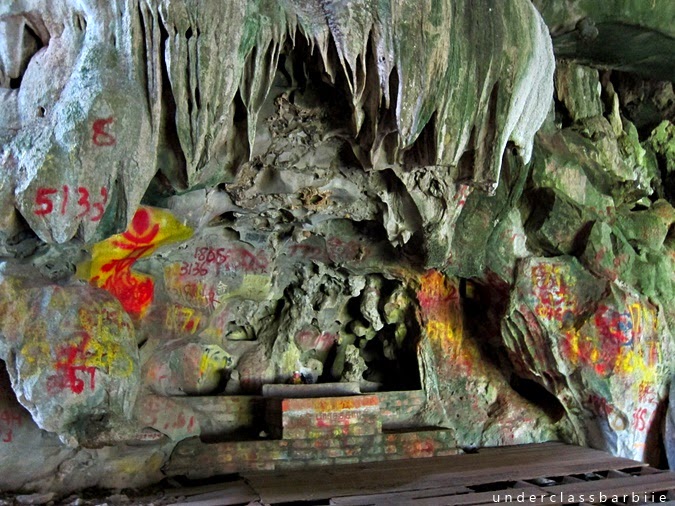
Along the cave walls, layers of graffiti coexist with religious altars. Some markings date back more than four decades and have since been accepted as part of the cave’s visual history. The result is a space that feels raw and unsanitised, reflecting human presence across generations rather than a polished tourist experience.
This contrast between reverence and disruption gives Gua Charas its unusual character. It is imperfect, living, and deeply human.

Hidden Trail to the Upper Cave
To the left of the main temple entrance lies a lesser-known path leading upwards. This hidden trail rewards those willing to climb with moss-covered rock faces and quieter, more scenic sections of the cave.
The upper areas feel less ceremonial and more elemental, allowing visitors to experience the limestone formations in near silence. It is here that Gua Charas reveals its natural beauty most clearly.


How to Get to Gua Charas Kuantan
Reaching Gua Charas requires some patience. The final stretch involves driving through a private oil palm estate along a narrow, uneven road. Public transport does not reach the cave.
From Kuantan, take the Kuantan–Sungai Lembing Road (C4). Look out for a brown sign marked “Gua Charas” and turn right onto Jalan Gua Charas at the Y-intersection. Continue for approximately one kilometre through the plantation. The cave will appear on your right. The journey takes around 45 minutes by car from Kuantan.
Visiting Information
- Recommended duration: Around 2 hours, including exploration and climbing
- Parking fee: RM3
- Entrance fee: RM2 per person
Unlike Batu Caves, Gua Charas remains largely free from crowds. The absence of heavy tourism allows space for quiet exploration and reflection, making it ideal for those seeking a more grounded experience.
Contact Information
Address: Jalan Gua Charas, 26090 Kuantan, Pahang
Opening hours: 9am to 5pm daily
Gua Charas is not a destination shaped for convenience. It asks for effort, curiosity, and respect. In return, it offers something increasingly rare. A sacred space that remains quietly alive, shaped by faith, time, and the natural world.
For travellers drawn to places that carry both history and atmosphere, Gua Charas stands as one of Pahang’s most compelling hidden sanctuaries.
Get the good stuff first. Join Rolling Grace for the restaurants worth crossing a city for, the stays worth the upgrade, and the places to go before everyone else. Free, straight to your inbox.
Leave a Reply